The growing demand for affordable housing solutions has led to a surge in interest in ADUs-affordable multi-generational adu units-as a key component in addressing housing needs. This trend presents a unique challenge: ensuring the quality and safety of these additions while promoting a living environment that supports multiple generations. Certified ADU installers play a pivotal role in meeting these demands, offering expertise that goes beyond basic construction. By adhering to strict safety standards and leveraging best practices, these professionals ensure that ADUs for multi-generational living are not only functional but also foster community and caregiving within the home. This article examines the crucial role of certification, the legal landscape, and design considerations to provide a practical guide for navigating this evolving housing market.
- Understanding ADUs: Key to Multi-Gen Living
- Certification: Ensuring Professional Installation
- Safety Standards: Protecting Residents Across Generations
- Building Code Compliance: Legal and Quality Assurance
- Efficient ADU Design: Optimizing Space for Multi-Gen Families
- Quality Materials: Durability for Long-Term Comfort
- Professional Installation: Expertise for Seamless Integration
- Post-Installation: Maintenance and Long-Term Care Strategies
Understanding ADUs: Key to Multi-Gen Living

The concept of an affordable multi-generational ADU (Accessible/Accessible Design Unit) is transforming the way we think about housing, particularly in diverse and densely populated areas. At its core, an ADU-for-multi-generational-living is a cost-effective solution that expands emergency shelter capacity while providing a unique living environment where family members of different ages can share spaces, fostering intergenerational connections. This approach is gaining traction, driven by the US Department of Housing and Urban Development's focus on affordable housing and the National Association of Home Builders' recognition of its benefits.
Key to successful multi-generational living in ADUs is thoughtful design and careful planning. Architectural and interior designers play a crucial role in maximizing space, ensuring accessibility, and promoting a sense of privacy for each resident. A well-designed ADU can incorporate separate sleeping areas, shared common spaces, and adaptable layouts to accommodate changing needs. However, communication is paramount, especially when multiple generations or individuals with varying care needs are involved. Overcoming communication barriers in shared ADUs is essential to maintain harmony and address the unique needs of each resident.
Community centers, local churches, and neighborhood associations can serve as vital hubs for multi-generational ADU communities. They provide opportunities for social interaction, caregiving support, and access to resources. These spaces can be adapted to serve as emergency shelters, expanding the housing network during crises. By integrating ADUs into community infrastructure, we not only address the housing crisis but also strengthen social connections and resilience. This holistic approach to multi-gen housing ensures that diverse families can thrive together, creating vibrant, supportive communities.
Certification: Ensuring Professional Installation
Certified ADU installers play a crucial role in ensuring the quality and safety of affordable multi-generational ADUs. Their expertise is vital as consumer preferences for multi-gen ADUs continue to grow, driven by the changing demographics and desire for intergenerational living spaces. These installations require a unique set of skills and knowledge to meet building codes, structural integrity, and accessibility standards, especially when modifying existing structures.
Certification programs are designed to validate the competence of these installers. They cover a wide range of topics, from understanding local building regulations and safety protocols to mastering the latest construction techniques. A qualified ADU installer should be able to navigate the complex process of obtaining permits from local building departments and adhere to the guidelines set by state housing authorities. This ensures that each ADU is constructed according to the specific needs and requirements of the property and its future inhabitants.
When considering an ADU for multi-generational living, consumers can benefit from seeking out local specialists. Local ADU specialists near me have a deep understanding of the region's unique challenges and opportunities, offering cost-saving adu building tips tailored to the area. They can also provide valuable insights into consumer preferences for multi-gen ADUs, helping to create functional and aesthetically pleasing spaces that cater to the needs of diverse family structures. By prioritizing certified professionals, homeowners can rest assured that their ADU project will be handled by experts, resulting in a safe and high-quality living space for generations to come.
Safety Standards: Protecting Residents Across Generations
In ensuring quality and safety for adu-for-multi-generational-living, certified installers must navigate complex building codes and standards, which are critical for protecting residents across generations. Every component, from structural integrity to electrical systems, must meet specific safety criteria, especially in projects aimed at aging-in-place. Proper handicap accessibility and grab bar installations are not just recommended, but legally mandated in many regions to accommodate the needs of aging caregivers and their families.
Cost-effective multi-gen housing presents unique safety challenges. Installers must balance budget constraints with safety standards, often employing innovative, yet compliant, solutions. This includes integrating fire safety systems, such as smoke detectors and carbon monoxide alarms, which are essential for protecting against common household hazards. The US Department of Housing and Urban Development (HUD) offers guidelines for accessible design, emphasizing the importance of preventing falls and improving mobility for older adults. Installing slip-resistant flooring and strategically placing handrails in shared living spaces can significantly reduce the risk of accidents.
Navigating building codes for adu projects requires a deep understanding of local regulations. Certified installers must stay updated on code changes, ensuring compliance with state and local laws. This involves regular communication with local building departments and, in some cases, consulting with legal aid societies to understand financial aid programs like the Community Development Block Grant (CDBG). Many communities offer incentives for cost-effective, multi-generational housing, further enhancing safety and affordability. By adhering to these codes and leveraging available resources, certified ADU installers can create safe, inclusive spaces that cater to the needs of diverse generations living together.
Building Code Compliance: Legal and Quality Assurance
Ensuring compliance with local building codes is a critical aspect of installing ADUs for multi-generational living. These smaller, additional dwellings can be a significant asset in addressing housing affordability, especially in areas where land and space are limited. An affordable multi-generational ADU can provide a more accessible and affordable housing option for aging family members or extended relatives, allowing families to stay connected and support one another. However, achieving quality and safety standards while navigating legal requirements can be a complex process.
Certified ADU installers play a pivotal role in this regard. They are experts who understand the nuances of building code compliance, ensuring that each ADU is constructed to meet or exceed local regulations. This expertise is essential, as building codes vary widely across regions, even within the same state. For multi-generational ADUs, which often incorporate niche design elements tailored to the specific needs of diverse family structures, adhering to code can be even more challenging. Installers must be adept at interpreting and implementing a range of safety and accessibility standards, from structural integrity to fire safety and handicap access.
To maintain quality and safety, certified installers stay abreast of changes in building codes and collaborate closely with local building departments. They often work with architectural designers and interior designers to create functional and aesthetically pleasing ADUs that meet the unique needs of multi-generational families. A well-designed ADU might incorporate separate living spaces for aging parents while still allowing for easy access and interaction with younger generations. This collaborative approach not only ensures legal compliance but also results in spaces that foster a strong sense of community and caregiving within the family unit. These professionals can guide clients on obtaining necessary permits, understanding building inspections, and navigating financial incentives or grants, such as those offered by the US Department of Housing and Urban Development or state housing authorities, which can help offset the costs of installing an affordable multi-generational ADU.
Efficient ADU Design: Optimizing Space for Multi-Gen Families
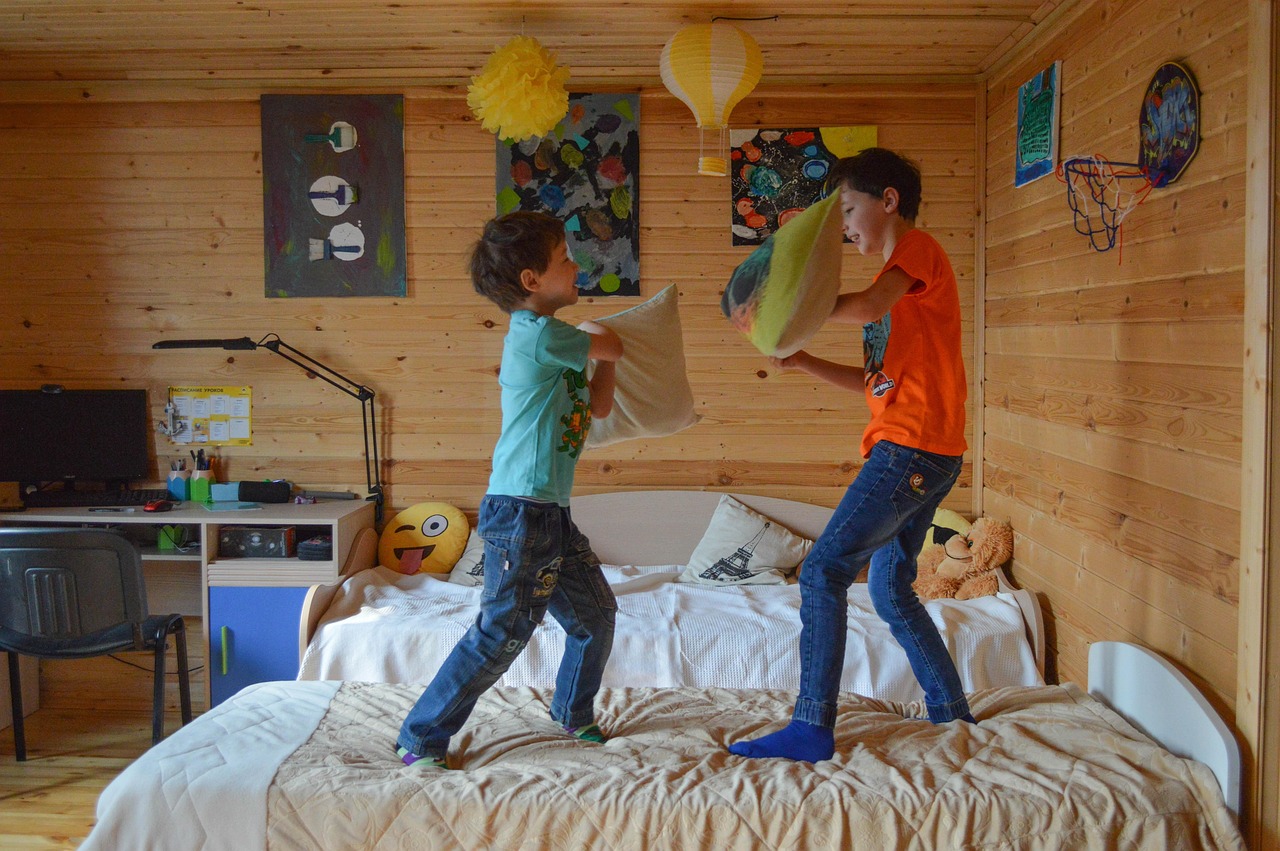
Efficient ADU Design plays a pivotal role in creating functional and harmonious spaces for multi-generational living. When designing an ADU for this unique context, the focus shifts from individual units to a shared living environment. The goal is to optimize space, ensuring each family member has their own private area while providing communal spaces that foster connections. A well-designed ADU can incorporate separate bedrooms, a shared living room, and a versatile kitchen that accommodates different dietary needs and cooking styles.
One of the key challenges is overcoming communication barriers that can arise in such close quarters. Certified ADU installers should encourage open dialogue between family members to understand their individual and collective needs. This might involve creating dedicated communication channels, establishing clear house rules, and incorporating flexible design elements. A sliding partition in a living room can easily reconfigure the space for intimate conversations or quiet time, depending on the family's preferences. The installer's role is to facilitate a design process that respects privacy while fostering interaction.
Readily available ADU options, such as modular or prefab structures, offer efficient, cost-effective solutions for multi-generational ADUs. These options can be tailored to the specific needs of the family, providing caregiving solutions for aging relatives while maintaining the privacy and independence of younger occupants. The installer should be adept at selecting or customising these options to ensure they seamlessly integrate with the existing home. By combining efficient design, open communication, and suitable ADU options, certified installers can help families transform their properties into welcoming and functional multi-generational spaces.
Quality Materials: Durability for Long-Term Comfort

When planning an affordable multi-generational adu, prioritizing durability through quality materials is paramount for long-term comfort and safety. In this context, ADU for multi-generational living isn't just about adding space; it's about creating a sustainable environment that adapts to the evolving needs of a family. Local ADU specialists near me often emphasize the importance of choosing materials that can withstand the test of time, especially in unpredictable climates. High-quality insulation, water-resistant drywall, and impact-resistant windows not only enhance structural integrity but also reduce maintenance costs in the long run.
The US Department of Housing and Urban Development (HUD) and the National Association of Home Builders (NAHB) recognize the growing demand for ADUs as a solution for aging in place and multi-generational living. To ensure these structures meet safety standards, local building departments play a crucial role in inspecting and approving installations. This process involves assessing the quality of materials used, ensuring they comply with state and local building codes. The Community Development Block Grant (CDBG) program, administered by state housing authorities, can provide financial support for projects that prioritize safety and durability through the use of quality materials.
Community engagement through ADUs is another significant benefit. Well-designed, durable ADUs can foster social connections and enhance the overall quality of life for residents. Architectural and interior designers, along with property management companies, play a vital role in creating spaces that are not only functional but also aesthetically pleasing. Consider the example of a converted garage into an ADU-carefully selected materials can transform a simple structure into a comfortable and safe living space that seamlessly blends with the main home. This seamless integration not only maximizes space utilization but also strengthens the sense of community within the neighborhood.
Local ADU specialists near me often collaborate with aging caregivers, community centers, and local churches to ensure that the needs of older adults are met. By selecting materials that promote accessibility and ease of maintenance, these specialists create environments that support independent living while reducing the burden on caregivers. Slip-resistant flooring and grab bars in bathrooms, along with easily operable hardware, can make a significant difference in the safety and comfort of elderly residents. This holistic approach to ADU for multi-generational living ensures that quality materials and thoughtful design work in tandem to create vibrant, inclusive, and safe communities.
Professional Installation: Expertise for Seamless Integration

Professional installation is a cornerstone of successful and safe adu-for-multi-generational-living projects. Trusted ADU experts possess the specialized knowledge and hands-on experience to navigate the unique challenges of multi-gen spaces, from design intricacies to local building code requirements. Their expertise ensures seamless integration of the ADU within the existing home, maximizing functionality and comfort while respecting the original structure's integrity.
Consider the consumer preferences for multi-gen ADUs: adaptable spaces that can serve as additional bedrooms, in-law suites, or office areas as needs change. Cost-saving ADU building tips, such as utilizing existing structures or incorporating smart design solutions, can significantly reduce construction costs. Trusted experts can offer valuable insights into these strategies, ensuring both quality and affordability. A well-placed pocket door or sliding glass panels can transform a small space into a versatile room that can accommodate different uses throughout the day.
The role of a certified installer goes beyond construction. They also play a crucial part in project management, coordinating with architects, interior designers, and other professionals to ensure the ADU meets the specific needs and preferences of the multi-generational family. By fostering effective communication and managing timelines, these experts streamline the building process, minimizing disruptions and ensuring a final product that reflects the vision of the homeowners. The US Department of Housing and Urban Development (HUD) and state housing authorities often offer guidance and resources for consumers considering ADUs, underscoring the importance of professional installation in achieving safe and successful multi-gen living solutions.
Post-Installation: Maintenance and Long-Term Care Strategies
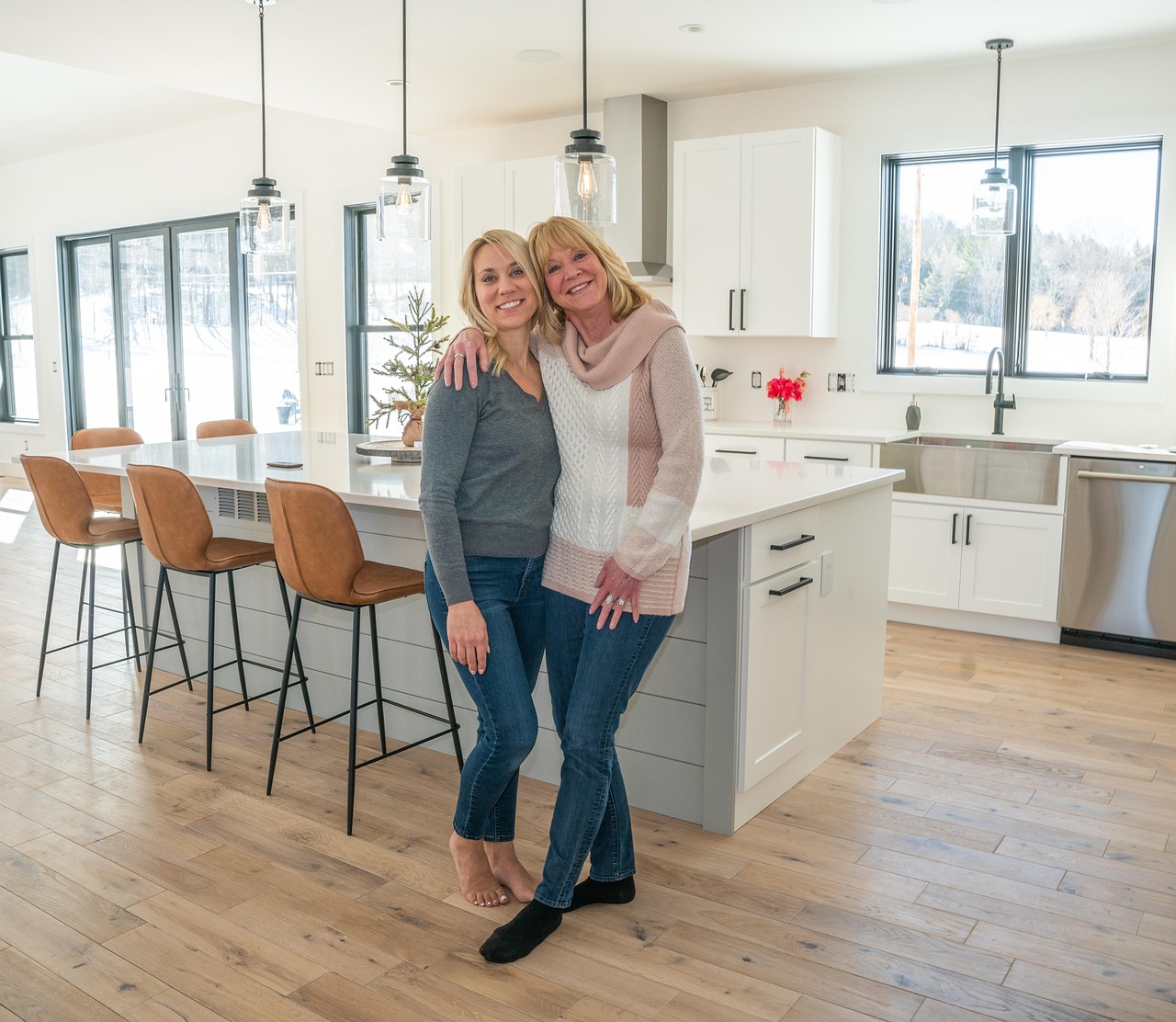
After the successful installation of an ADU for multi-generational living, ensuring long-term safety, quality, and care becomes paramount. This phase is critical as these spaces often serve diverse needs, from providing independent living for grandparents to offering support for aging in place. Certified ADU installers play a pivotal role here, offering tailored solutions that consider not just structural integrity but also accessibility, comfort, and safety features.
Maintaining an ADU over its lifespan involves a proactive approach. Regular inspections and maintenance checks are essential to identify and address potential issues early. Ensuring proper ventilation and humidity control in these spaces can prevent mold growth, a common concern in multi-generational homes. Installing smart home technology can enhance safety and accessibility, allowing family members to monitor and control various aspects of the ADU remotely. Regular communication with the homeowners is crucial, as each family's needs and preferences are unique. Overcoming communication barriers, whether generational or language-related, is key to ensuring the ADU meets everyone's expectations.
Quality assurance and safety protocols should be continuously evaluated and updated. The installer should stay informed about local building codes and accessibility standards, such as those set by the US Department of Housing and Urban Development and the National Association of Home Builders. Regular training for the installation team on safety best practices, especially when working with older adults or children, can significantly enhance the overall safety of the ADU. Proper electrical system grounding and non-slip flooring can mitigate risks for aging residents.
In the long term, a well-maintained ADU can adapt to the evolving needs of the multi-generational family. This might involve transforming the space for a wheelchair-bound resident or reconfiguring it to better accommodate a growing family. Certified installers should foster open dialogue with homeowners, understanding their short-term and long-term goals. By integrating tailored adu designs and implementing effective caregiving strategies, these spaces can foster a strong sense of community and care while ensuring the safety and quality of life for all residents.
Frequently Asked Questions About Certified ADU Installers: Ensuring Quality and Safety in Multi-Generational Living
What is an affordable multi-generational ADU? An affordable multi-generational ADU (Accessory Dwelling Unit) is an additional living space built on or attached to an existing home, designed to accommodate multiple generations under one roof. These units offer a cost-effective solution for families, providing extra room for aging relatives or growing families while enhancing overall home value.
Why are certified ADU installers important for safety? Certified ADU installers are crucial for ensuring safety and structural integrity. They follow local building codes, electrical standards, and plumbing regulations, adhering to strict quality control measures. These professionals employ the right materials, tools, and techniques, minimizing safety risks associated with construction, such as falls, electrical hazards, or plumbing leaks, which could affect residents of all ages.
How do I know if an ADU is the right choice for my family? Consider your family's unique needs and long-term goals. An ADU can be ideal for aging parents who require assistance but wish to maintain their independence, or for grown children returning home to live with their parents. It's a versatile option that can adapt to changing family dynamics, offering privacy, autonomy, and added support when needed.
What makes a certified installer stand out? Certified ADU installers stand out due to their specialized training and expertise in building and retrofitting ADUs. They possess in-depth knowledge of local building codes, design considerations, and the latest construction techniques. These professionals maintain a high standard of workmanship, ensuring your ADU meets safety, accessibility, and comfort requirements for all residents.
How long does an ADU installation typically take? Most ADU installations take one to two days, depending on the complexity of the project. Certified installers efficiently manage the process, from obtaining permits to final inspections, ensuring a swift construction period with minimal disruption to your household.
Can an ADU increase my home's value? Absolutely. An affordable multi-generational ADU can significantly enhance your property's value. It provides an additional living space, catering to a growing demographic, and can be a significant selling point for potential buyers. A well-designed and constructed ADU demonstrates your property's adaptability and appeal to a diverse range of buyers.
The certified installation of ADUs for multi-generational living is a complex yet critical process that demands a holistic approach. By understanding the unique benefits and challenges of this type of housing, adhering to stringent safety standards, and ensuring building code compliance, professional installers can create functional, safe, and legally sound spaces. Efficient design, high-quality materials, and expert installation are key to integrating these units seamlessly into existing homes. Post-installation, ongoing maintenance and care strategies are vital to preserving comfort and safety over the long term.
The insights from this article underscore the importance of professionalization in the ADU market. As the US Department of Housing and Urban Development and organizations like the National Association of Home Builders recognize the potential of ADUs to address housing needs, the quality and safety of these installations become paramount. By following the guidelines and best practices outlined here, certified ADU installers can contribute significantly to the growing trend of multi-generational living, ensuring a secure and comfortable environment for all residents.
ADU for Multi-Generational Living: Practical guide
An affordable multi-generational ADU (Accessible Design Unit) is a cost-effective housing solution, promoting emergency shelter capacity and intergenerational connections. Success relies on thoughtful design, communication, and community engagement.
Key Considerations:
- Design & Planning: Architects and interior designers maximize space, ensure accessibility, and promote privacy for all residents. Communication is vital, especially with varying care needs.
- Community Hubs: Community centers, churches, and associations facilitate social interaction, caregiving support, and resource access. They adapt to emergency shelters, enhancing resilience.
- Certification Matters: Certified ADU installers ensure quality and safety, adhering to building codes and accessibility standards. Their expertise is crucial for efficient, cost-effective installations.
- Durability & Materials: High-quality materials withstand time, climates, and maintenance. Local building departments inspect, ensuring safety and durability.
- Long-Term Care & Safety: Regular inspections, maintenance, and updates ensure safety, accessibility, and comfort for evolving family needs. Certified installers provide tailored solutions and training.