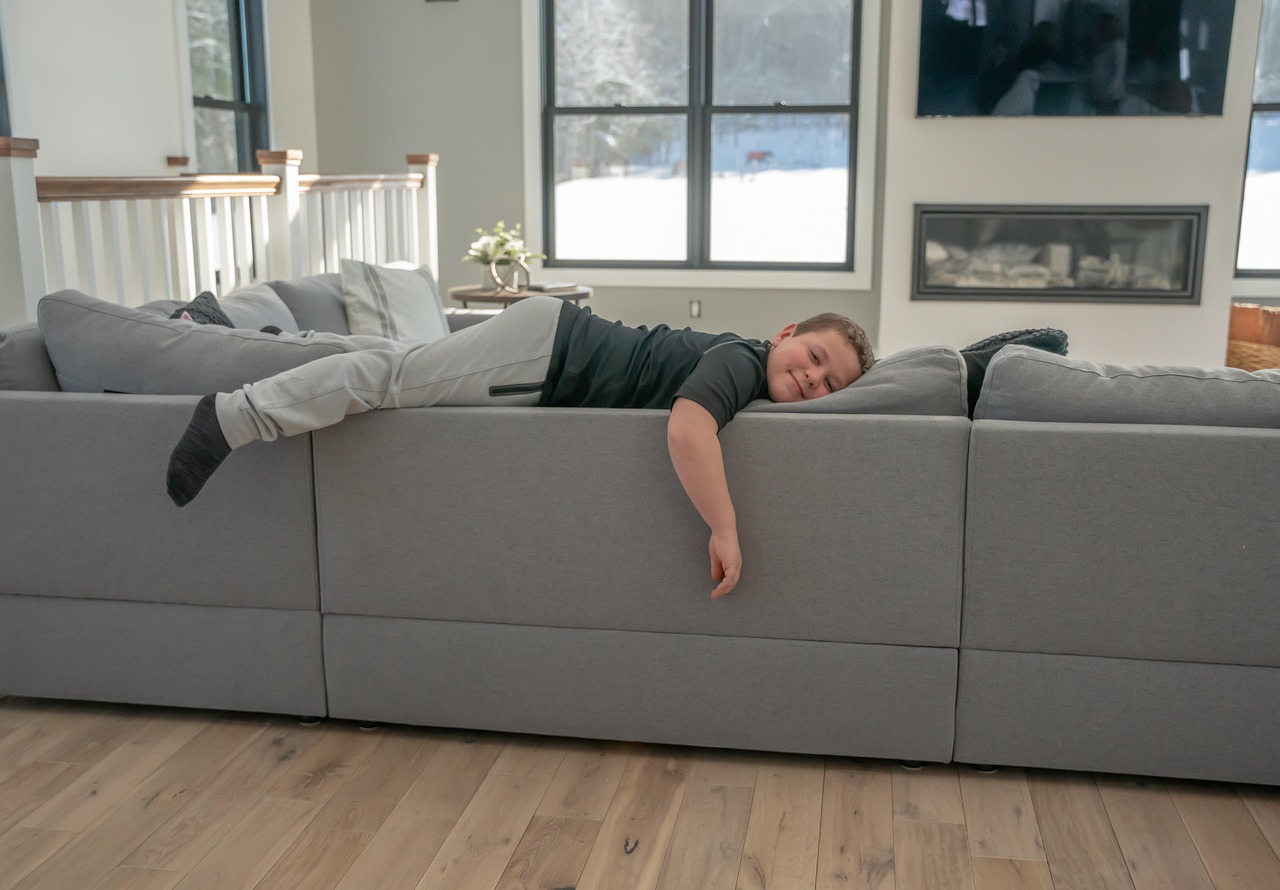
In today's diverse family structures, an adu-for-multi-generational-living is increasingly becoming a vital solution. As our population ages and families expand, the need for affordable, flexible living arrangements is more critical than ever. This expert guide navigates the complexities of ADUs, offering insights into how these adaptable spaces can seamlessly accommodate multi-generational households.
The challenge lies in finding a design that caters to the unique needs of each generation-from aging relatives requiring assistance to younger family members seeking independence. By understanding local regulations, engaging the right professionals (architects, interior designers, property managers), and considering community resources, families can achieve the full potential of ADUs for harmonious multi-generational living.
- Assessing Family Needs: Tailoring Your ADU for Multi-Gen Living
- Space Planning: Designing for Diverse Generations
- Legal Considerations: Understanding Building Codes and Zoning
- Budgeting for Your ADU: Cost-Effective Multi-Gen Solution
- Location Matters: Finding the Ideal Spot for Family Close
- Choosing the Right Construction Approach: From Modular to Custom
- Incorporating Universal Design: Ensuring Accessibility for All
- Maintenance and Longevity: Caring for Your Multi-Gen ADU
Assessing Family Needs: Tailoring Your ADU for Multi-Gen Living
When considering an ADU for multi-generational living, understanding your family's unique needs is crucial. An ADU designed for this purpose should serve as a flexible, comfortable space that accommodates different age groups and stages of life. It's not just about expanding your home; it's about fostering connections and creating a space where family members can thrive together.
Start by evaluating your family dynamics. Do you have aging parents who need assistance but want to maintain their independence? Or perhaps you're looking to create a space for grown children returning home to finish their education or save for a down payment on their first home? The ADU should be tailored to these specific needs. Consider incorporating a private suite for an aging parent with accessible features, while also providing shared living areas for younger family members.
Same-day ADU estimates can be a valuable tool during this assessment phase. Many reputable contractors can provide quick, accurate estimates based on your requirements. This gives you a realistic idea of what to expect in terms of both cost and timeline. Remember, construction quality and longevity are key considerations.
Once the design is finalized, focus on long-term caregiving and maintenance. Regular cleaning, painting, and minor repairs are essential to keep the ADU in excellent condition. Think about accessibility features that can adapt to changing needs, such as grab bars and non-slip flooring. These details, while important for safety, can also save you from costly renovations in the future. By considering both current and potential future needs, you can ensure that your ADU for multi-generational living is a valuable asset for years to come.
Space Planning: Designing for Diverse Generations

When planning space for a multi-generational adu-for-multi-generational-living, the key is to create environments that cater to the diverse needs and preferences of each age group. This involves thoughtful consideration of both practical and emotional aspects. A younger generation may prioritize open-concept living spaces that foster collaboration and shared experiences, while an older generation might prefer more private, quiet areas for relaxation and reflection. Tailored adu designs for multi-gen families must balance these varied desires while optimizing space.
Considering the range of consumer preferences for multi-gen adus, it's crucial to integrate flexible design elements. This could include the option for separate or connectable rooms, adjustable shelving, and adaptable flooring solutions. According to the National Association of Home Builders, modern multi-generational housing designs that incorporate these features have shown significant popularity in recent adu reviews and ratings. By offering multiple options for personalization, you cater to the evolving needs of each generation over time, ensuring the adu remains a functional and comfortable space for all.
The US Department of Housing and Urban Development (HUD) emphasizes the importance of intergenerational connections in affordable multi-generational adu spaces. Incorporating shared spaces like a family room or dining area can foster meaningful interactions between generations, promoting a sense of community. Property management companies and interior designers working on these projects should consider the unique dynamics of multi-gen families, designing spaces that encourage interaction yet also respect individual privacy. A dedicated space for younger children to play could be situated near a quiet area for older adults to read or meditate, allowing for both peaceful moments and opportunities for familial bonding.
Remember, the goal is to create a space that feels both functional and inviting for every member of the family, regardless of age. By understanding and incorporating these diverse needs, you'll design an adu that truly lives up to its potential as a hub for multi-generational living.
Legal Considerations: Understanding Building Codes and Zoning
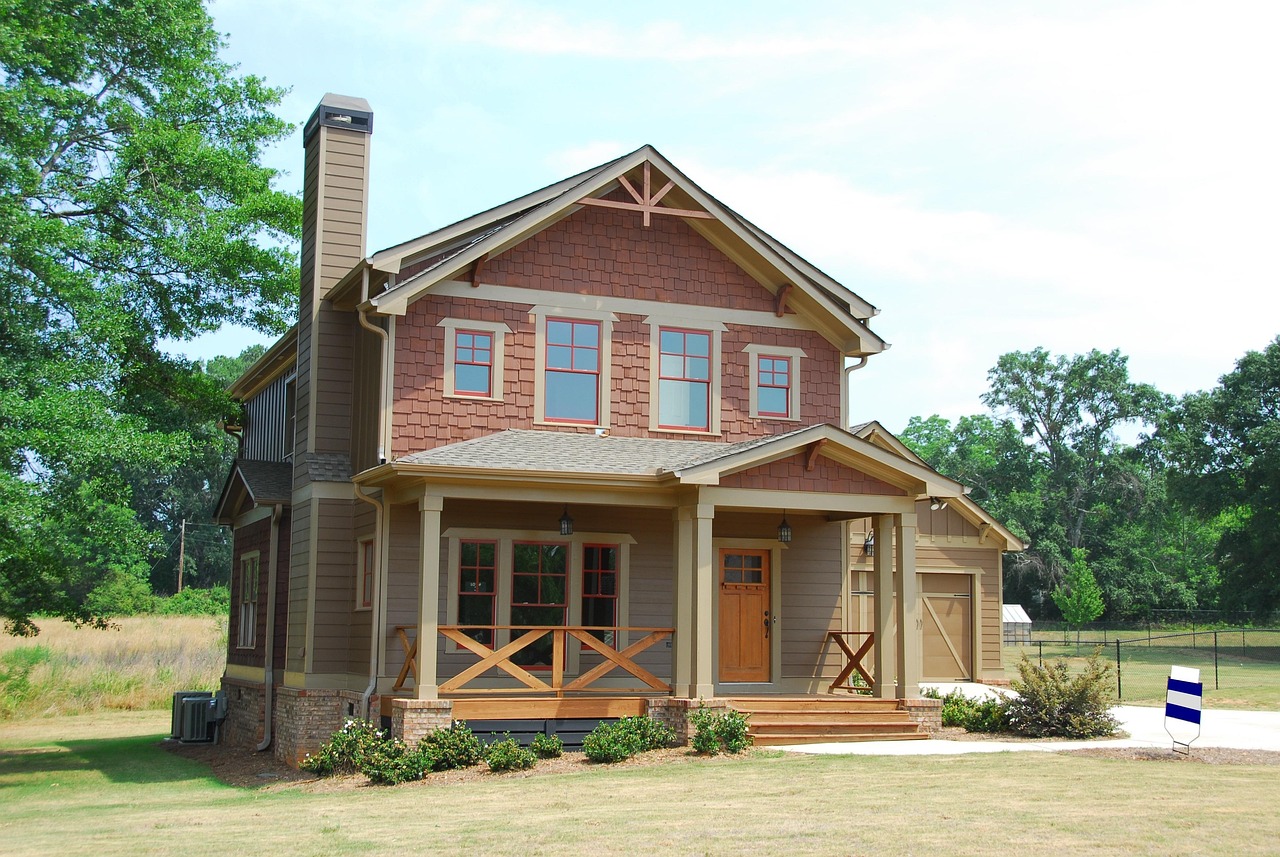
Choosing the right Affordable Multi-Generational ADU (ADU for multi-generational living) involves navigating a complex web of legal considerations, including understanding local building codes and zoning regulations. This is crucial, as these factors can significantly impact the design, placement, and functionality of the ADU. Every jurisdiction has its own set of rules and restrictions, so it's essential to engage with top-rated multi-gen ADU services that have a proven track record of success in your area.
The first step is to contact your local Building Department to understand the specific codes and permits required. This process will likely involve obtaining a zoning permit, which dictates how the ADU can be used, its size, and its placement on the property. Some areas may have restrictions on the number of rooms or the maximum height of an ADU. The National Association of Home Builders (NAHB) and the US Department of Housing and Urban Development (HUD) offer valuable resources for understanding these regulations. Engaging with a service that has experience navigating these complexities can save you valuable time and money.
Community engagement is another vital aspect, especially when considering the impact of an ADU on your neighborhood. Local churches, community centers, and neighborhood associations often have specific requirements and may have input on the design and construction. Aging caregivers and other family members may have unique needs and preferences that should be considered in the ADU's design. Consumer preferences for multi-gen ADUs run towards functional spaces that can adapt to changing needs, such as flexible living areas, easily convertible bedrooms, and modern amenities. By addressing these legal, community, and client-specific considerations, you'll ensure that the ADU you choose is not only compliant but also meets the diverse needs of your multi-generational family.
Budgeting for Your ADU: Cost-Effective Multi-Gen Solution
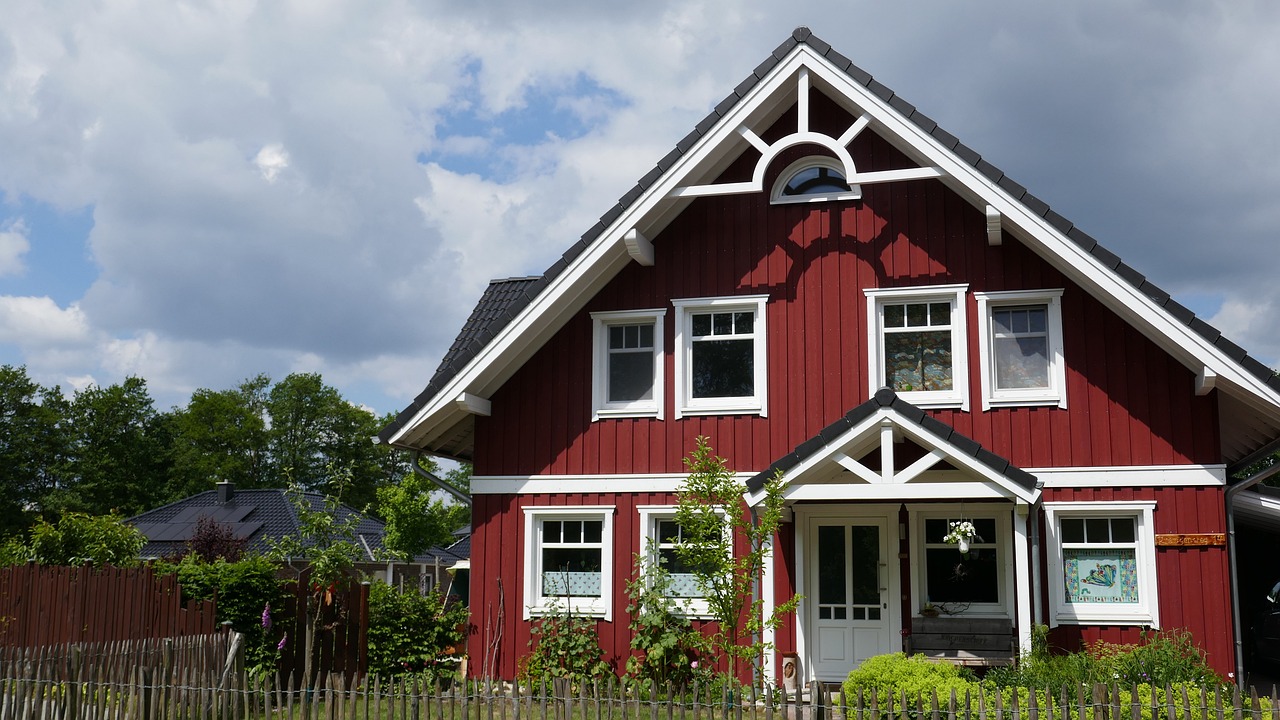
When budgeting for an ADU-for-multi-generational-living solution, families must consider more than just construction costs. The financial planning process involves weighing various adu financing options for families, understanding how these structures can facilitate aging in place, and selecting top-rated multi-gen adu services that align with your unique needs. A comprehensive analysis should include both direct expenses and long-term caregiving implications.
Direct costs, such as construction, permit fees, and professional services, are essential to calculate upfront. However, these figures can vary widely based on location, size, and complexity. Engaging with experienced architectural designers and interior designers can significantly impact the final price, as can selecting high-quality materials and finishes to accommodate diverse family members' needs.
Indirect costs, often overlooked, include operational expenses and potential modifications for future caregiving. This might include installing grab bars, widening doorways, or adding a lift for wheelchair accessibility. These adjustments can enhance accessibility and safety but should be factored into your budget. Consider the ongoing property taxes, insurance, and utility costs associated with the ADU. State Housing Authorities and local building departments often offer resources and assistance programs, like the Community Development Block Grant, to offset these expenses.
Understanding the long-term benefits of an ADU for multi-generational living justifies the upfront investment. By strategically planning and selecting a top-rated multi-gen adu service, families can create a functional, comfortable space that supports aging in place, reduces the need for future relocation, and strengthens family bonds. A well-designed ADU can provide a dedicated area for an aging relative, allowing them to maintain independence while remaining close to the family. Engaging with a reputable property management company can also ensure ongoing maintenance and care, providing peace of mind for multi-generational families.
Location Matters: Finding the Ideal Spot for Family Close
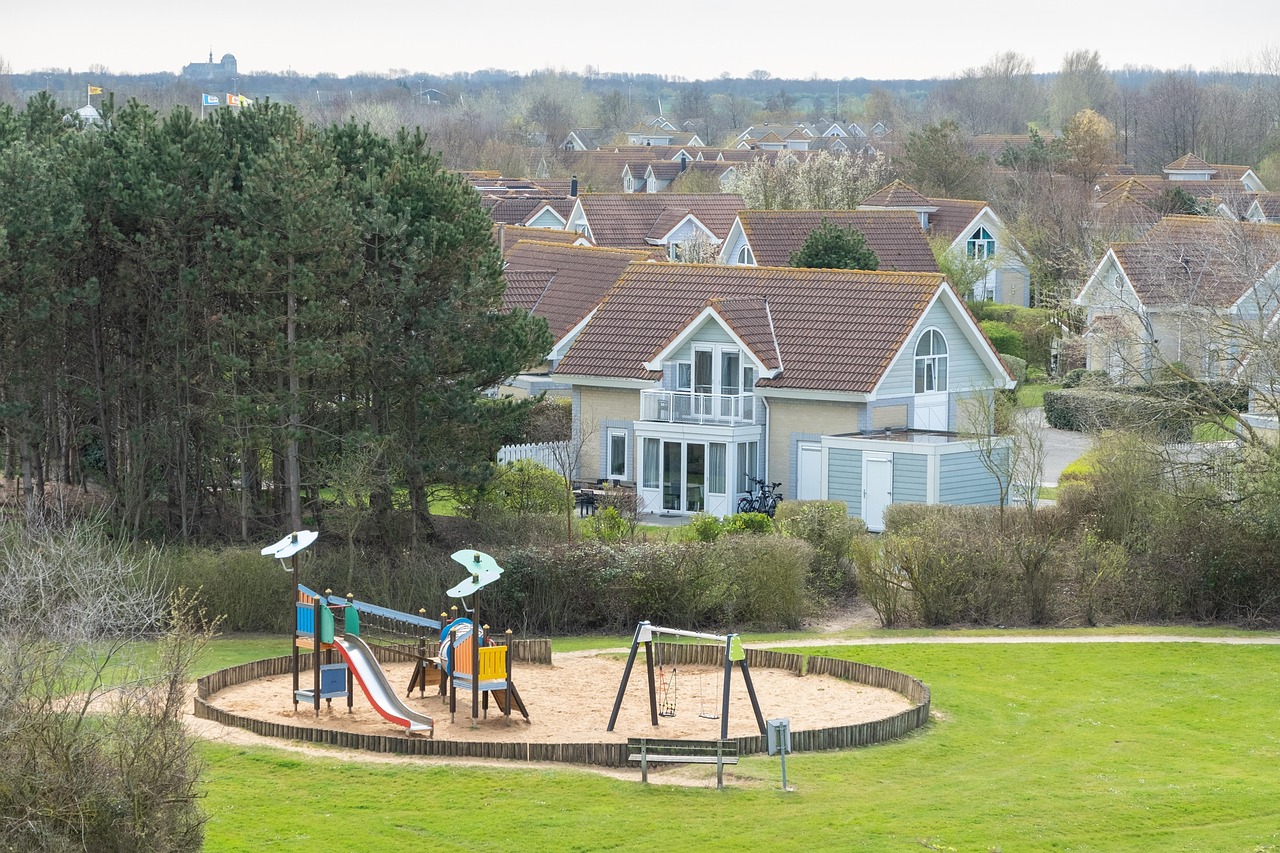
When considering an ADU for multi-generational living, location truly is everything. The ideal spot for your family's needs will blend several key factors: accessibility, proximity to key amenities, and a space that fosters intergenerational connections. Think beyond the typical suburban house and explore urban or even rural options that might better suit your family's unique dynamics. A well-designed ADU in a vibrant neighborhood could offer easy access to public transportation, schools, and community centers, allowing aging relatives to maintain independence while staying close to younger family members.
Engaging with local ADU specialists near me is a crucial step in finding the perfect spot. These experts can provide valuable insights into zoning regulations, building codes, and neighborhood dynamics specific to the affordable multi-generational adu you're considering. They can also connect you with contractors experienced in tailored ADU designs for multi-gen families, ensuring your expansion meets both structural integrity and the evolving needs of your family. Online platforms and local associations can facilitate the search for reputable professionals, where you can view ADU reviews and ratings to gauge their service quality.
Beyond practical considerations, think about the ADU's layout and common areas. Kitchens and dining spaces that encourage shared meals can foster stronger bonds between generations. Large windows in living areas can facilitate natural light and conversation. Consider outdoor spaces that cater to different age groups-a patio for quiet relaxation or a vibrant garden for intergenerational play. By carefully considering these factors, you'll create an ADU that not only accommodates your multi-gen family's current needs but also adapts to their evolving lives.
Choosing the Right Construction Approach: From Modular to Custom
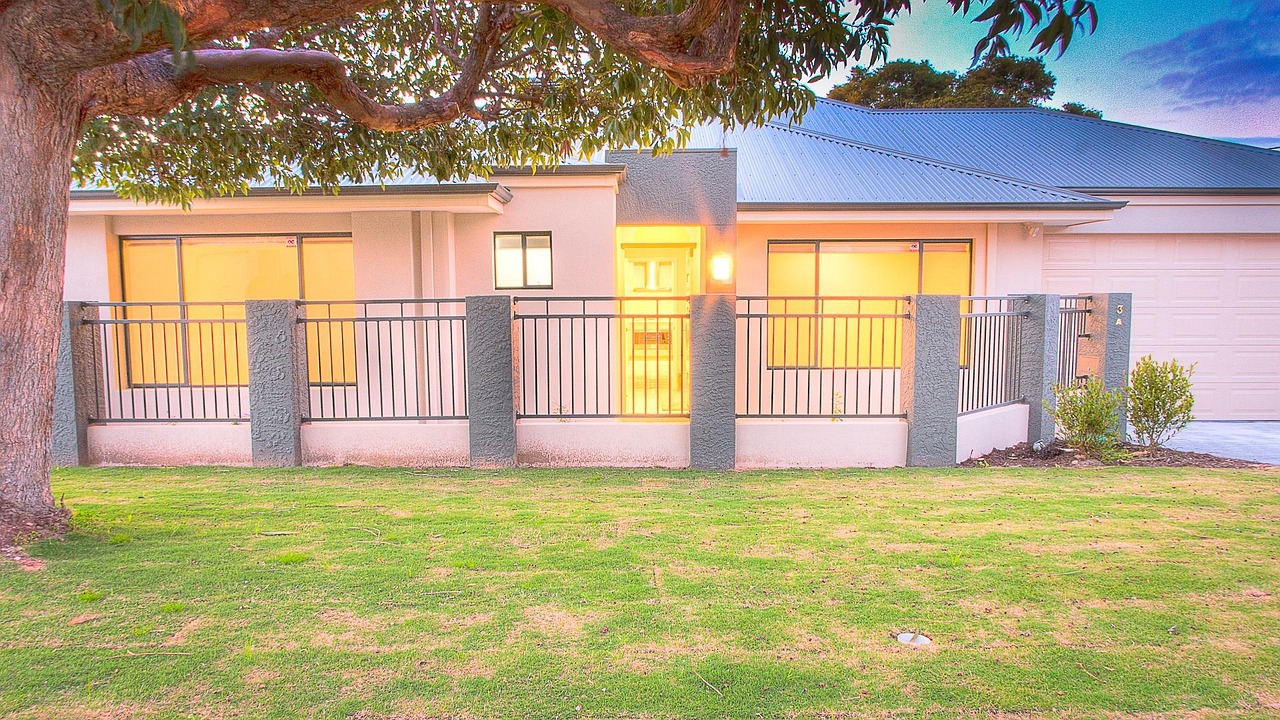
When considering an ADU for multi-generational living, the construction approach you choose can significantly impact the functionality, cost, and overall success of the project. The decision between a modular and custom design should be based on your family's unique needs, budget, and timeline. Modular ADUs offer a swift and cost-effective solution, ideal for those seeking a quick emergency shelter expansion or a relatively affordable multi-generational living arrangement. These pre-fabricated units can be assembled on-site, reducing construction time and labor costs. Some manufacturers offer turn-key packages that include all necessary permits and inspections, streamlining the process even further.
Custom ADU designs, on the other hand, provide unparalleled flexibility and a unique aesthetic tailored to your family's preferences and the existing home. This approach is ideal when your multi-gen family has specific requirements or desires a niche design that aligns with their lifestyle and interests. A custom build allows for creative solutions like dedicated workspaces, flexible living spaces, or specialized rooms to accommodate different generations' needs. However, this method usually involves longer lead times and may be more expensive due to the craftsmanship and design complexity.
The US Department of Housing and Urban Development (HUD) notes that the average cost of an ADU ranges from $50,000 to $150,000, with custom designs typically at the higher end. State Housing Authorities and local Building Departments can provide valuable insights into permitting processes and cost estimates for various construction approaches. Engaging with experienced architects, interior designers, and property management companies can help guide you through the design process, ensuring your ADU for multi-generational living is both functional and an investment for the future.
Consider the long-term impact of your choice. An affordable multi-generational ADU can be a strategic asset, fostering intergenerational connections and providing a sustainable solution for growing families. Whether opting for a modular or custom design, ensuring your ADU complements the existing home and neighborhood is crucial. Community centers, local churches, and neighborhood associations can offer insights into the most compatible designs for your area, promoting a harmonious living environment for all generations.
Incorporating Universal Design: Ensuring Accessibility for All

When considering an ADU for multi-generational living, incorporating universal design principles is essential to ensure accessibility for all family members, regardless of age or ability. A professional ADU installation should always adhere to these guidelines, creating a functional and inclusive space. Universal design focuses on eliminating barriers and providing options that cater to a wide range of users, from those with mobility impairments to individuals with age-related changes in their physical abilities.
Navigating building codes for ADU projects can be a complex task, but it's crucial to get it right. Local building departments often have specific regulations regarding ADU construction, and adhering to these codes ensures a safe and legally compliant space. Adding ramps or lifts for wheelchair accessibility, wider doorways, and lower counters in kitchens can accommodate a variety of physical needs. Overcoming communication barriers is another important aspect, especially when multiple generations live together. Open and honest communication with your contractor or designer about everyone's needs and preferences can result in a more cohesive and functional ADU.
Consider the diverse needs of your family when designing or selecting an ADU. Incorporating these universal design elements not only enhances accessibility but also creates a space that is truly multi-generational. A fully accessible bathroom with a roll-under sink and grab bars can accommodate aging family members while still suiting a young child with a wheelchair. By prioritizing these design principles, you can create a shared living space that caters to current and future needs, ensuring that your ADU for multi-generational living remains a valuable asset for years to come. Professional ADU installation, coupled with a thorough understanding of local building codes and open communication, will help realize this vision.
Maintenance and Longevity: Caring for Your Multi-Gen ADU
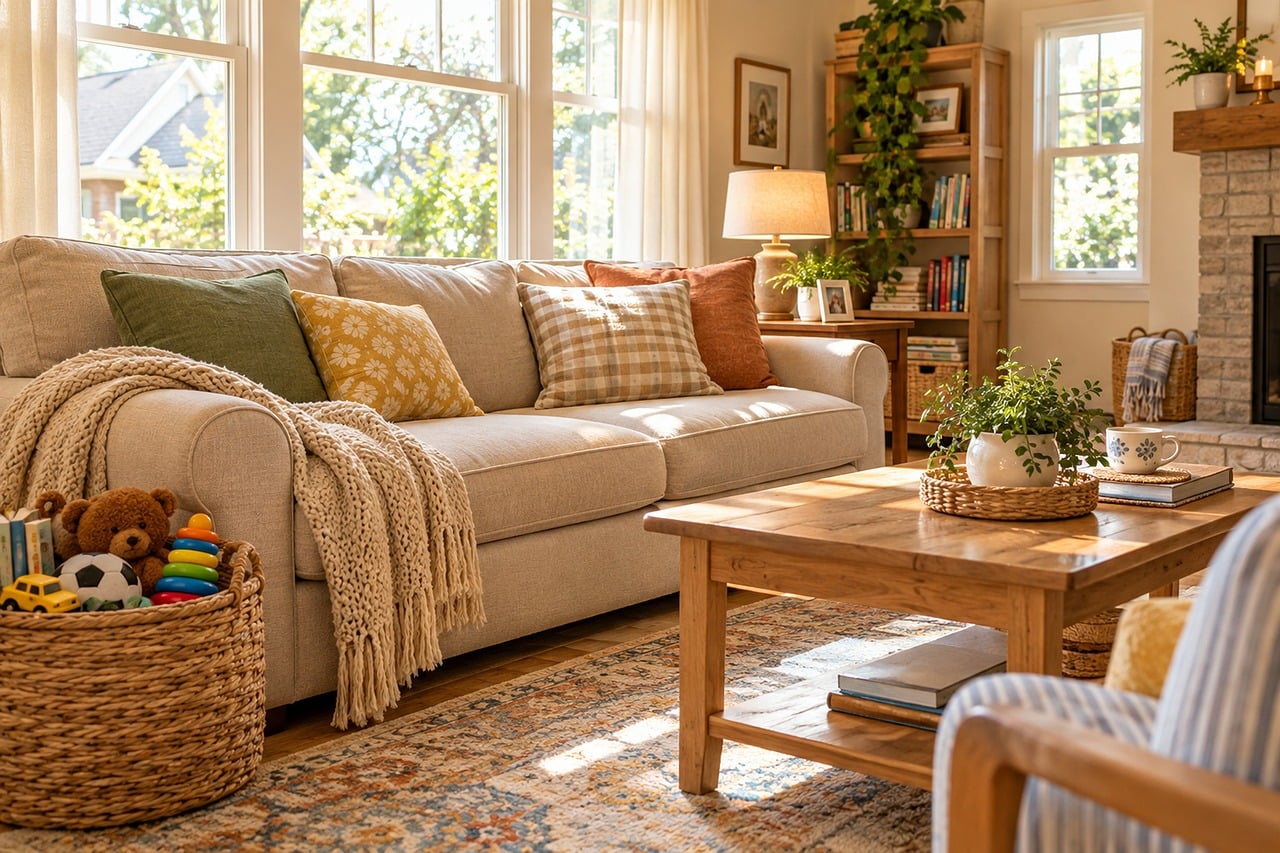
Maintenance and Longevity: Nurturing Your ADU for Multi-Generational Living
As you consider an ADU for multi-generational living, understanding the long-term care and maintenance of this space is crucial. Unlike a traditional renovation, an ADU for multi-gen families requires thoughtful planning and execution to ensure it remains functional, comfortable, and safe for years to come. A professional ADU installation is a key first step, ensuring the structure meets all building codes and safety standards. This involves careful consideration of materials, structural integrity, and efficient systems for heating, cooling, and plumbing. Choosing durable yet low-maintenance finishes can reduce future repair costs.
Regular maintenance is essential to preserve the ADU's condition. A well-maintained space can extend its lifespan and maintain its value. This includes routine inspections to identify any signs of wear and tear, such as leaky faucets, broken windows, or structural damage. Prompt repair of these issues prevents minor problems from escalating. Maintaining a clean and well-organized space can help extend the life of your ADU's finishes and appliances.
When considering the long-term financial aspect, ADU financing options for families play a significant role. The US Department of Housing and Urban Development (HUD) and state housing authorities offer various grants and loans designed to support affordable housing projects, including ADUs. Exploring these financing options can help mitigate the initial costs of construction and maintenance. The Community Development Block Grant (CDBG) program provides funds for housing projects that benefit low- and moderate-income families. Engaging with local financial advisors and exploring these state and federal resources can help your multi-gen ADU project thrive financially.
Understanding the evolving needs of your multi-generational family is vital. As family dynamics change, so might the use of the ADU. Flexibility in design is key; consider niche ADU designs tailored to specific family needs, whether it's an expanded master suite for aging-in-place or a dedicated space for a growing teenager. By anticipating future requirements, you can ensure your ADU remains a valuable asset for generations to come.
As you've navigated this practical guide on choosing the right ADU for multi-generational living, you now possess a wealth of knowledge. Key takeaways include understanding your family's unique needs, tailoring space to accommodate diverse generations, navigating legal and zoning regulations, and strategically budgeting for an affordable multi-generational ADU. The article has highlighted the importance of location, construction methods, incorporating universal design principles, and ensuring longevity through proper maintenance.
Moving forward, prioritize open communication with local building departments, consult with architectural and interior designers, and engage property management companies to ensure a seamless and successful implementation. By following these practical steps, you'll create a functional, accessible, and welcoming space that fosters intergenerational connections while meeting the evolving needs of your multi-generational family.
An ADU for multi-generational living should be flexible, comfortable, and tailored to diverse family needs. Start with evaluating family dynamics and considering construction quality and longevity. Design for accessibility, intergenerational connections, and future needs. Choose between modular and custom designs, understanding the pros and cons. Incorporate universal design principles for inclusivity. Prioritize long-term care and maintenance for a lasting asset. Explore financing options and anticipate changing family requirements.