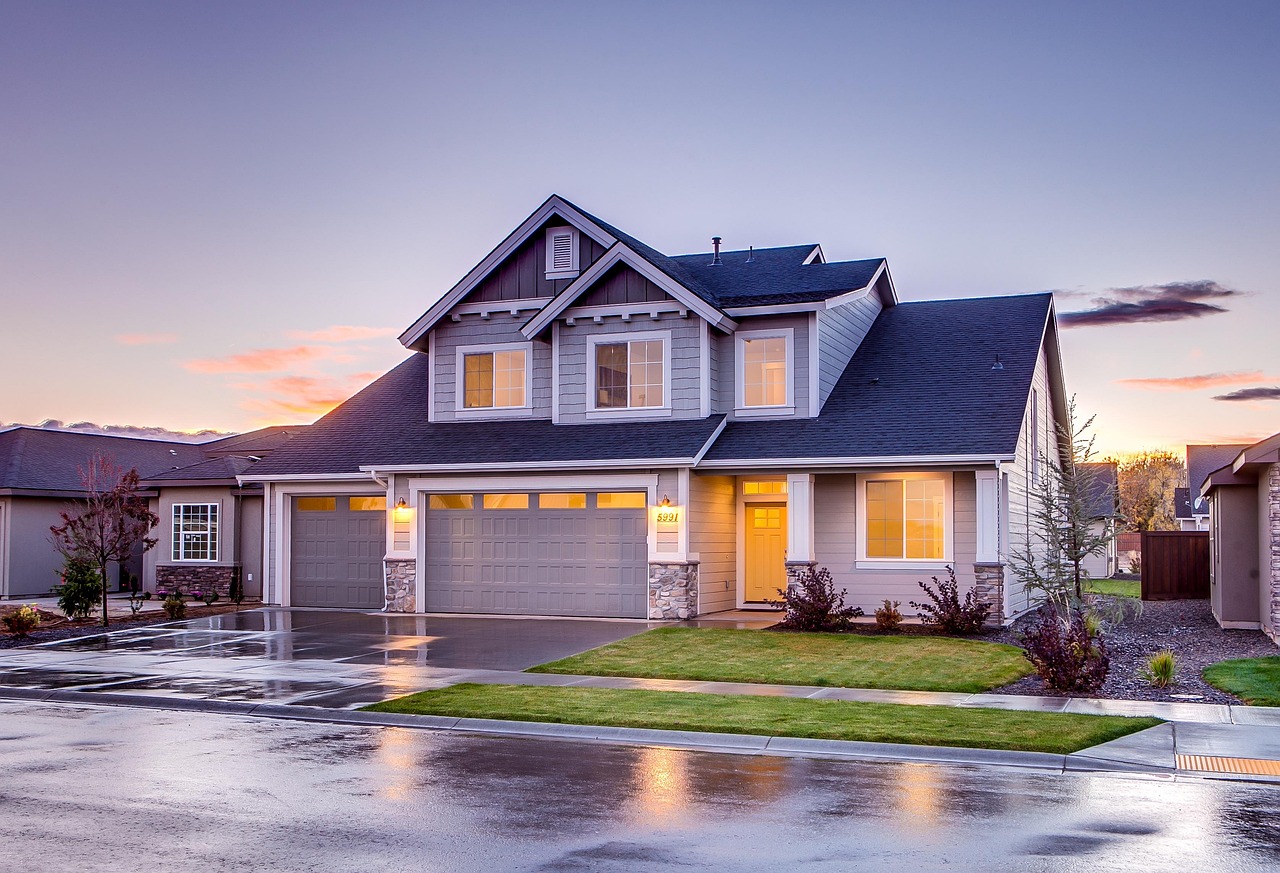
In today's evolving family structures, the need for affordable multi-generational adu solutions has become increasingly critical. As families grow and change, so do their housing requirements. An ADU, or Accessory Dwelling Unit, offers a practical and cost-effective way to accommodate multi-generational living, providing additional space for aging relatives, young adults returning home, or even as a rental income source.
The challenge lies in selecting the most suitable ADU type for these diverse needs. While studios offer flexibility, one-bedroom units provide a more private and self-contained living environment. This article examines the key differences between these two ADU configurations, considering space allocation, functionality, and their impact on family dynamics, to guide homeowners in making an informed choice for an adu-for-multi-generational-living solution that enhances their family's quality of life.
- Understanding Multi-Generational Living: The Need for ADUs
- Defining ADUs: Key Features for Multi-Family Spaces
- Studio vs. One-Bedroom: Space Planning for Diverse Needs
- Family Dynamics: When One-Bedroom Makes Sense
- Cost Considerations: Building and Maintenance Comparisons
- Design Flexibility: Customizing Studios for Growing Families
- Community and Privacy: Balancing Needs in Multi-Gen ADUs
- Future-Proofing: Long-Term Living with ADUs for Generations
Understanding Multi-Generational Living: The Need for ADUs
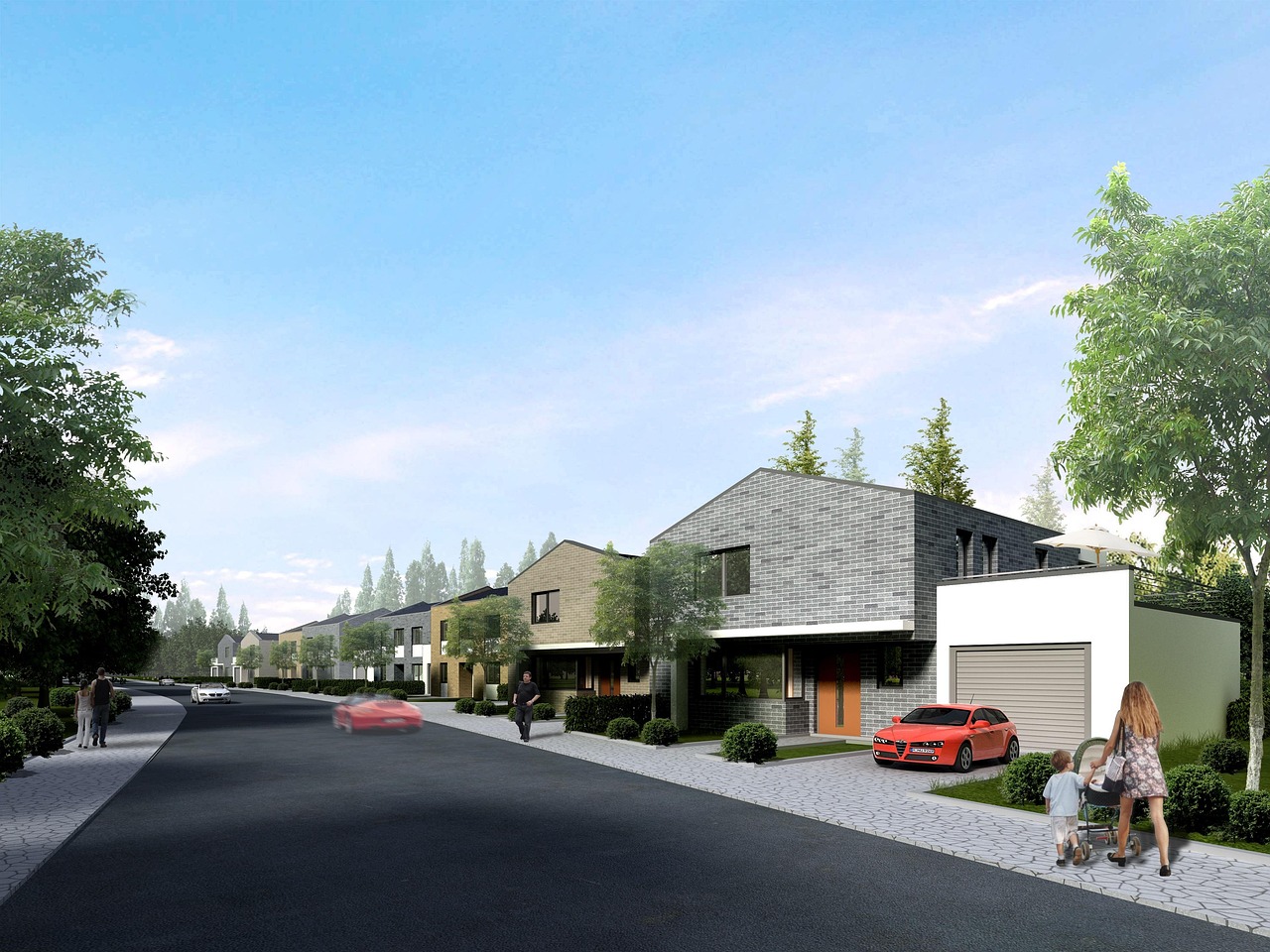
In today's evolving family structures, the need for affordable multi-generational ADUs (additions to existing homes) has become increasingly critical. These custom-built or converted spaces cater to the growing desire for intergenerational living, offering solutions for aging in place, multi-generational households, and the complex caregiving landscape. The US Department of Housing and Urban Development (HUD) and organizations like the National Association of Home Builders (NAHB) recognize the value of ADUs for multi-generational living, highlighting their potential to enhance family connections and support diverse housing needs.
Multi-generational living presents unique challenges, from accommodating varying levels of independence and mobility to ensuring each family member has privacy and space. An ADU for multi-generational living can serve as a dedicated space for aging relatives, providing a sense of independence and community while allowing younger generations to maintain their own living areas. A studio with a private entrance could offer a quiet retreat for a grandparent, while a one-bedroom ADU with a kitchen and living area caters to the needs of working adults or teenagers. This flexible housing model allows families to stay connected while respecting individual privacy, a key consideration in today's fast-paced world.
When considering an ADU for multi-generational living, it's essential to involve professionals who understand both the design and legal aspects. Architectural designers and interior designers play a pivotal role in creating functional, aesthetically pleasing spaces tailored to each family's unique dynamics. Property management companies and local building departments also offer valuable insights, ensuring compliance with local codes and regulations. For families seeking same-day ADU estimates and the best local ADU builders, involving these experts early in the process can streamline decision-making and construction, enabling families to enjoy their new living arrangements more quickly.
Community support is another crucial aspect of multi-generational living. Local churches, community centers, and neighborhood associations can foster a sense of belonging and provide access to resources and services. Legal aid societies and financial advisors can offer guidance on managing the financial and legal complexities that often accompany multi-generational households. By integrating these elements, families can create ADU living arrangements that not only meet immediate needs but also anticipate future changes, ensuring a supportive and vibrant environment for all generations.
Defining ADUs: Key Features for Multi-Family Spaces
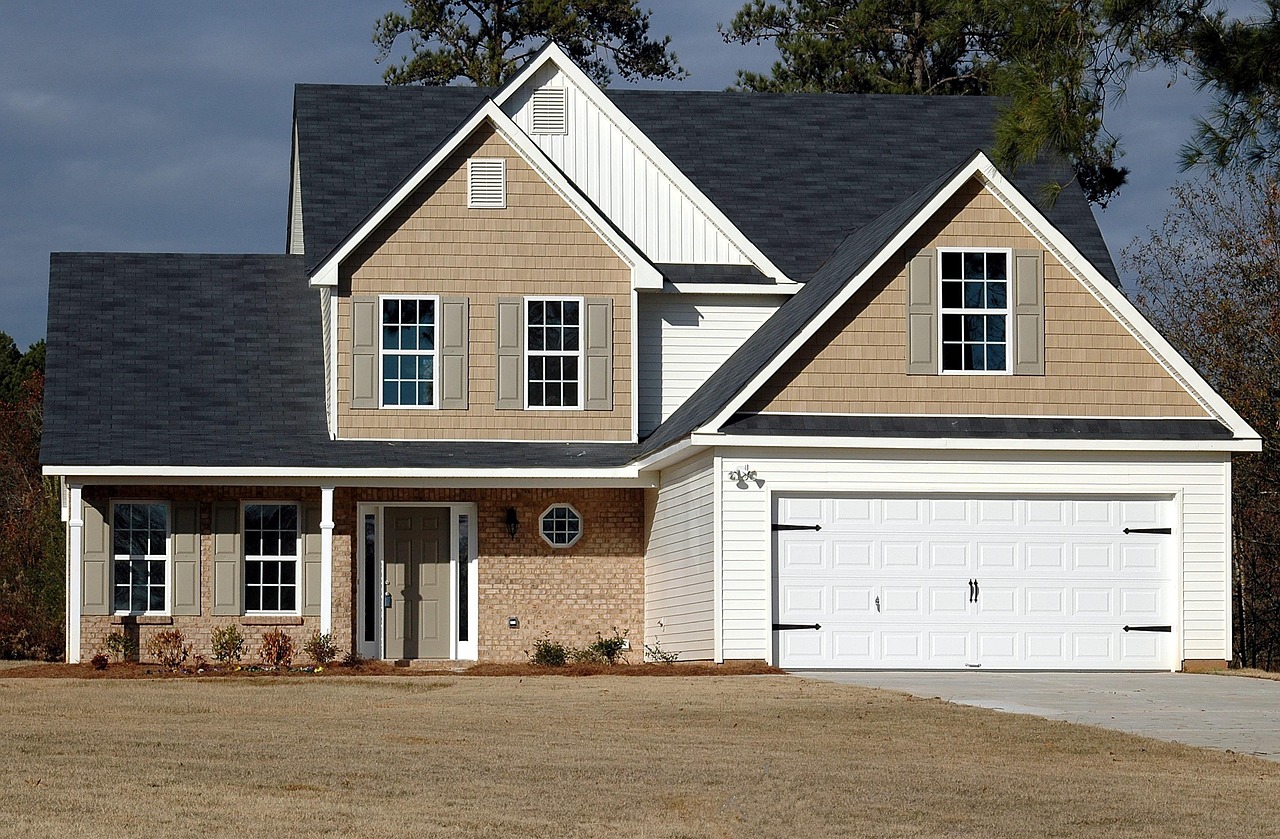
When considering an ADU for multi-generational living, the design choices between a studio and one-bedroom layout are crucial. Both offer unique benefits, but understanding their fit for multi-family spaces is key. A studio ADU, for instance, excels as a versatile, open-concept space suitable for couples or single individuals. Its flexibility allows for a home office, guest room, or even a creative studio within the same area. However, for larger families or those seeking more private spaces, a one-bedroom ADU provides a clearer separation between living, dining, and sleeping areas. This layout accommodates multi-generational needs, ensuring each family member has their own private sanctuary while still fostering shared living.
Effective ADU design for multi-gen families requires careful consideration of circulation and privacy. Overcoming communication barriers in shared ADUs is essential, prompting designers to incorporate dedicated common areas alongside separate bedrooms. Navigating building codes for ADU projects is another critical aspect. Local regulations vary, impacting everything from permitted uses to structural requirements. To ensure a successful project, consult with architects and builders familiar with these codes. Tailored ADU designs for multi-gen families should consider age-specific needs, from accessible features for seniors to study noiseless spaces for teens. A multi-level ADU could offer a private bedroom and bathroom on the ground floor, with a shared living area and kitchen on the upper level, catering to younger adults or grandparents.
To layout, selecting the right materials and finishes is vital. Durable, low-maintenance options are recommended, as these spaces often serve diverse age groups and may experience higher traffic. The US Department of Housing and Urban Development (HUD) offers valuable insights into designing for multi-generational living, emphasizing the importance of accessibility, flexibility, and inclusivity. Collaborating with a team that understands these principles, including architects, interior designers, and property management companies, ensures the ADU complements the existing home seamlessly. A well-designed ADU for multi-generational living enriches family dynamics, fostering connections while respecting individual privacy and autonomy.
Studio vs. One-Bedroom: Space Planning for Diverse Needs
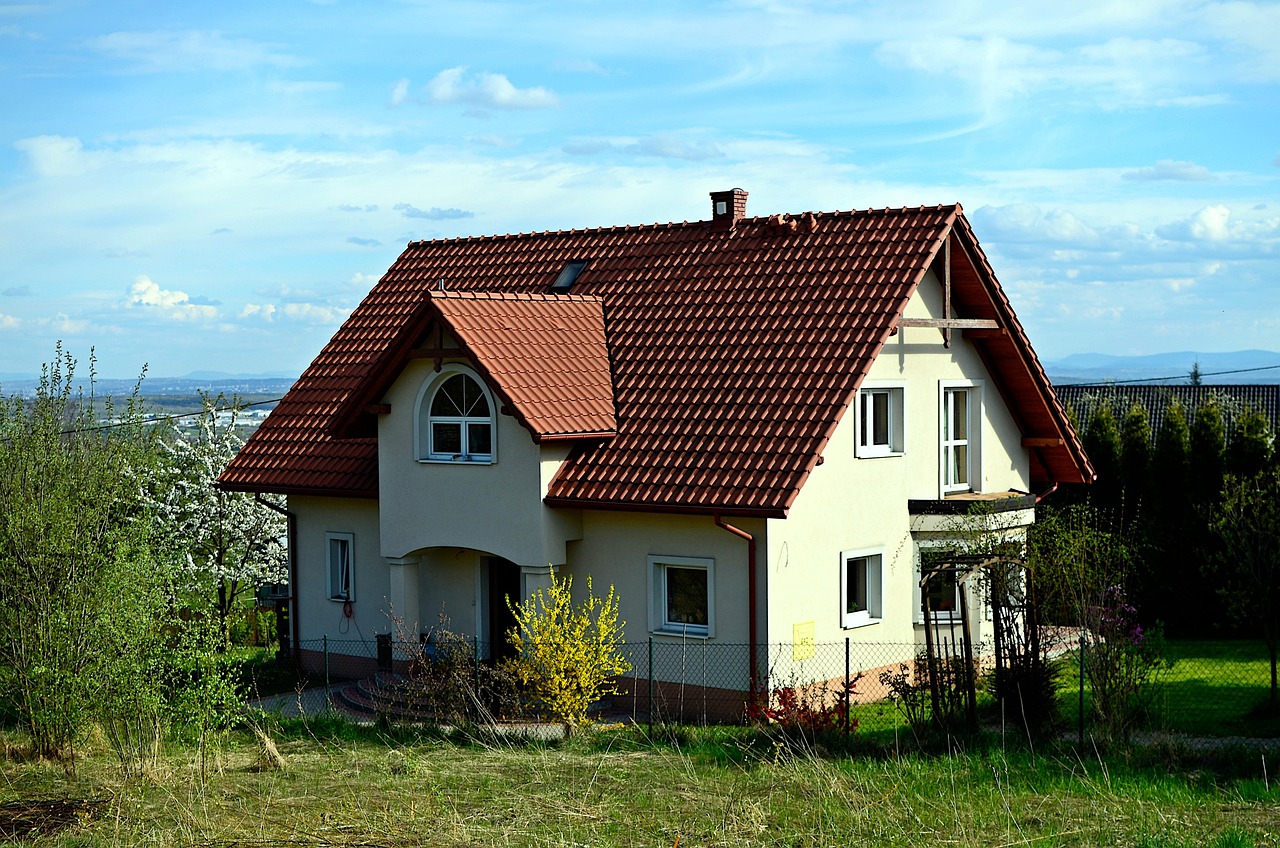
When considering an ADU for multi-generational living, the choice between a studio and one-bedroom layout is crucial, as it directly impacts the comfort and functionality for diverse family needs. Both options have their merits, but understanding how each accommodates varying lifestyles and ages is essential for optimal space planning. A studio, for instance, can be ideal for younger generations or those who prefer open-concept living, offering a flexible space that can double as a workspace or entertainment area. However, it may lack privacy for older adults or couples who desire separate sleeping quarters.
In contrast, a one-bedroom ADU provides a more private sanctuary for individuals or couples while still allowing for shared spaces. This layout accommodates multi-generational families by offering dedicated rooms for sleeping, dining, and even home offices. A grandparent might appreciate their own quiet retreat, while younger relatives have ample room to grow and entertain. Careful design can incorporate accessible features, such as grab bars and roll-under sinks, catering to the needs of aging family members.
To facilitate successful ADU for multi-generational living, consider the evolving needs of your family. Same-day ADU estimates from local specialists near you (local adu specialists near me) can provide a reality check on space requirements and potential layout options. Remember, ADU maintenance tips for long-term multi-gen living include ensuring proper ventilation, utilizing natural light, and selecting materials that are low-maintenance and adaptable to changing needs. A modular design that allows for future reconfiguration can accommodate a growing family or changing living arrangements. By thoughtfully addressing space planning, privacy, and accessibility, you can create an ADU that truly serves as a harmonious hub for multi-generational connections.
Family Dynamics: When One-Bedroom Makes Sense
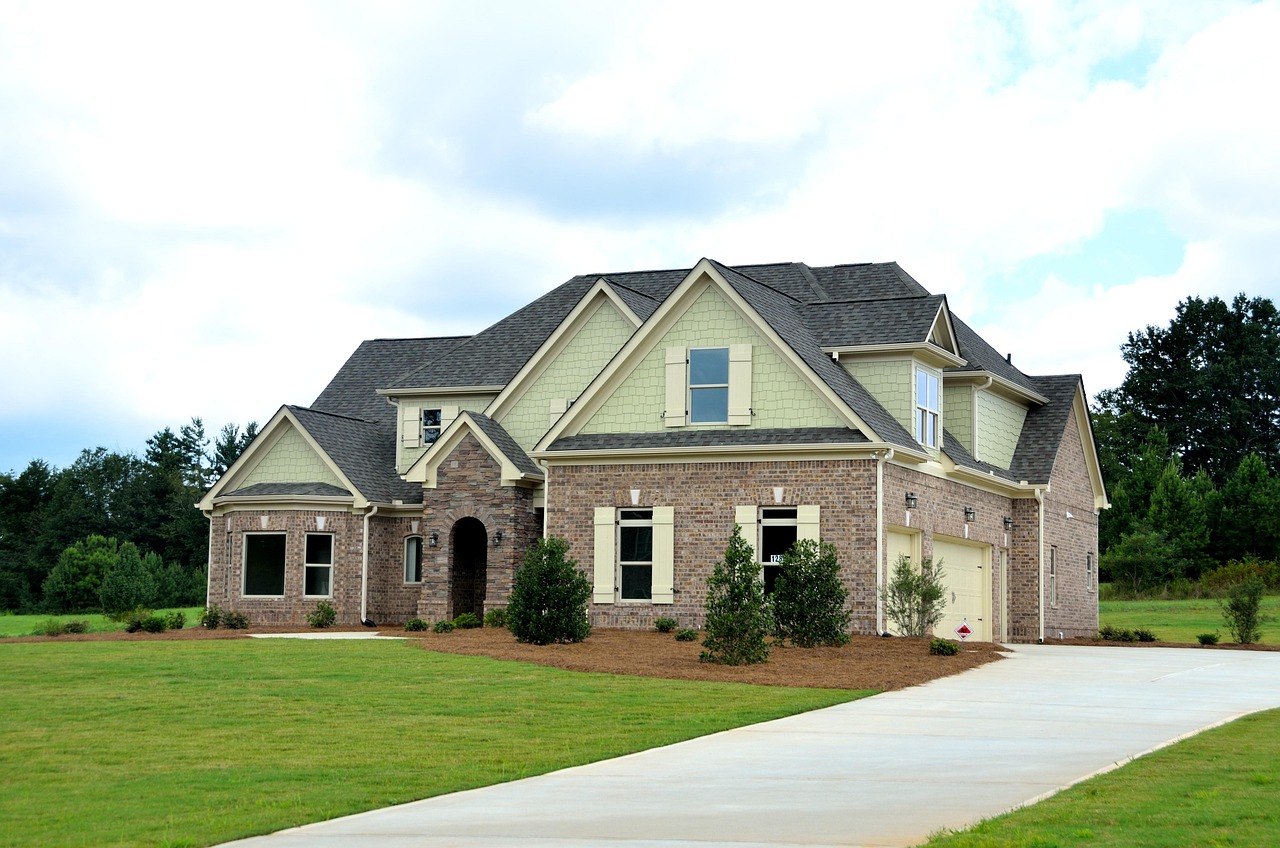
When considering an ADU for multi-generational living, the choice between a studio and one-bedroom layout often depends on the unique family dynamics at play. While studios offer flexibility and shared space, one-bedroom options provide more privacy and independence, making them a preferred choice for many multi-gen families. This decision is guided by the specific needs and preferences of the individuals involved, ensuring that the ADU supports harmonious living while catering to personal autonomy.
One-bedroom ADUs are particularly appealing to multi-generational families due to their ability to accommodate diverse ages and lifestyles. A grandparent may enjoy the privacy of their own bedroom while still being close to their children and grandchildren. This setup facilitates intergenerational bonding while respecting personal boundaries. As family members come and go-with children returning home after college or aging parents moving in-the one-bedroom layout allows for flexibility in terms of space utilization.
Consumer preferences play a significant role in the popularity of one-bedroom ADUs for multi-gen living. Recent surveys and market trends reveal a growing demand for readily available, private living spaces that cater to the needs of aging Americans. According to the US Department of Housing and Urban Development (HUD), the demand for accessible housing solutions, including ADUs, is expected to rise as the baby boomer population ages. By offering dedicated bedroom spaces, one-bedroom ADUs align with these consumer preferences, ensuring long-term satisfaction for multi-generational households.
To ensure the longevity of these spaces, proper ADU maintenance tips are essential. Regular upkeep, including routine inspections and timely repairs, can extend the life of the structure and maintain its functionality. Ensuring proper ventilation in the bedroom area helps regulate temperature and humidity, creating a comfortable living environment for all residents. Easy accessibility and safety features, such as grab bars in the bathroom, contribute to the overall livability and safety of the ADU for years to come.
Cost Considerations: Building and Maintenance Comparisons
When considering an ADU for multi-generational living, the cost of construction and ongoing maintenance is a crucial factor. While a studio ADU may offer a smaller, more cost-effective space for a single occupant, a one-bedroom option is better suited for multi-family needs. The latter typically involves more square footage, a separate bedroom, and often, an additional bathroom-all of which scale up the construction costs. A professional ADU installation for a one-bedroom unit might range from $100,000 to $200,000, depending on location, materials, and complexity.
Building costs aren't the only consideration. Maintenance expenses can vary significantly between these two unit types. Studios, with their smaller size, may require less frequent, less intensive upkeep. However, shared spaces can lead to a higher collective maintenance burden for multi-generational families. Conversely, a one-bedroom ADU, with its private living area, shifts more responsibility to the individual occupants. To mitigate costs, families can explore ADU financing options, such as loans or leases, designed to make this type of housing more accessible and affordable.
Long-term sustainability is another aspect to consider. Well-constructed ADUs, whether studio or one-bedroom, can provide long-lasting value. However, the initial investment, along with ongoing maintenance, should align with the family's budget and long-term plans. The US Department of Housing and Urban Development (HUD) and local Building Departments offer guidelines and resources for families contemplating an ADU as a solution for cost-effective multi-gen housing. Consulting with architectural designers, interior designers, and home stagers can also help families envision the most practical and appealing layout for their needs and budget.
Design Flexibility: Customizing Studios for Growing Families

When considering an ADU for multi-generational living, the design flexibility of studios offers unique advantages for growing families. Unlike one-bedroom options, studios allow for more creative and adaptable floor plans. This is particularly valuable for multi-generational households, where various age groups and needs coexist.
A studio can be easily customized to accommodate a teenager's growing space or a grandparent's private suite. Walls can be strategically moved or reconfigured to create separate areas for sleeping, studying, or entertaining. This adaptability is especially cost-effective, as it avoids the need for major structural changes. Many trusted ADU experts and local builders specialize in studio designs, recognizing their potential for flexible, high-value multi-gen housing. They understand that these spaces can be tailored to meet the evolving needs of diverse family members, making them a popular choice for savvy property owners.
The key to maximizing studio potential lies in thoughtful planning and collaboration with professionals. Engaging with a team of architects and designers who specialize in ADUs ensures that the final layout aligns with your family's specific requirements. Incorporating smart storage solutions, multifunctional furniture, and well-placed partitions can further enhance the studio's practicality and appeal. By prioritizing these design elements, your studio ADU can seamlessly grow and change with the dynamics of your multi-generational family.
Community and Privacy: Balancing Needs in Multi-Gen ADUs
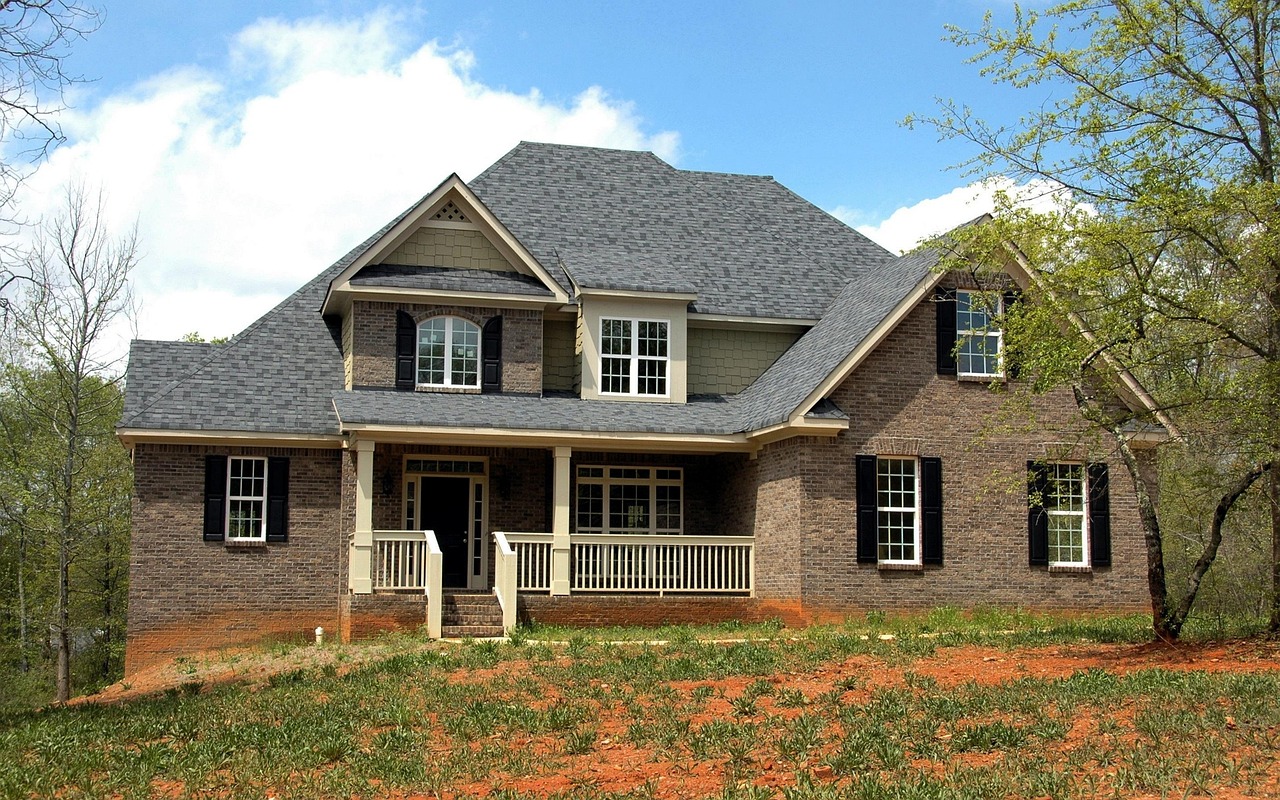
In the context of affordable multi-generational ADUs, balancing community and privacy needs is a critical aspect of successful design. As families seek solutions for emergency shelter expansion and multi-generational living arrangements, understanding the dynamics of these spaces is key. Both studio and one-bedroom ADU options present unique challenges and opportunities for fostering a sense of community while ensuring individual privacy.
A studio ADU can offer an intimate living space with shared common areas, encouraging intergenerational interaction. This setup lends itself well to fostering a sense of community among residents, with opportunities for shared meals and activities. However, without separate bedrooms, maintaining privacy can be a challenge, especially for older adults or teenagers requiring more solitude. A practical solution involves incorporating flexible design elements, such as moveable partitions, to create a private space within the studio.
In contrast, a one-bedroom ADU provides a more private living environment but may lack the communal spaces that encourage multi-generational interaction. To balance this, incorporating a well-designed living area that flows into a shared outdoor space can create a sense of community while still allowing for individual privacy. This hybrid approach leverages the best of both worlds, catering to the diverse needs of multi-generational families.
When selecting ADU services, families should look for top-rated multi-gen ADU contractors who understand these dynamics and can offer same-day adu estimates. These professionals can guide clients through the process, ensuring the final design not only meets practical needs but also creates a harmonious living environment for all generations. By carefully considering community and privacy, families can transform their ADU into a vibrant, interconnected living space that caters to the unique requirements of multi-generational living.
Future-Proofing: Long-Term Living with ADUs for Generations

When planning an ADU for multi-generational living, future-proofing is crucial. This means designing a space that not only accommodates multiple generations today but also adapts to changing needs for decades to come. One key aspect to consider is the evolution of technology, which can significantly impact how we live and interact within our homes. Smart home systems and universal design features can make an ADU more accessible and efficient for aging relatives while providing future-ready connectivity for younger generations.
Navigating building codes for ADU projects is essential for ensuring your design meets safety and sustainability standards. Local regulations can vary widely, so it's crucial to consult with local ADU specialists near me who are familiar with these codes. They can guide you on permitted square footage, set-back requirements, and structural considerations, helping to avoid costly permits and renovations down the line. The US Department of Housing and Urban Development (HUD) and state housing authorities offer valuable resources for understanding and navigating these regulations.
Sustainable ADU construction is another vital component of future-proofing. Using energy-efficient materials and systems not only reduces operational costs but also minimizes the environmental impact of your expansion. The National Association of Home Builders (NAHB) promotes innovative building practices that can enhance the long-term value of your property. Incorporating features like solar panels, high-efficiency appliances, and proper insulation can make your ADU more appealing to future buyers and help reduce utility bills for residents.
Designing flexible spaces is key. A studio or one-bedroom ADU can be adapted to serve various purposes over time. A studio could easily become a home office or a multi-purpose room for socializing and entertainment. A one-bedroom unit might be suitable for a young couple in their 20s and then transition to a children's bedroom as the family grows. By thoughtfully incorporating these adaptable features, you create a space that can evolve with the needs of each generation, ensuring your ADU for multi-generational living remains relevant and valuable for decades to come.
Frequently Asked Questions About Comparing ADU Types: Studio vs. One-Bedroom for Multi-Generational Families
What is the primary difference between a studio and a one-bedroom ADU for multi-generational families?
For multi-generational families, the primary distinction lies in space allocation. A studio ADU, as the name suggests, offers an open-concept layout with no separate rooms, typically serving as a flexible living space. In contrast, a one-bedroom ADU provides a more conventional setup with a dedicated bedroom, offering both privacy and a separate area for quieter activities. This difference is crucial for families where different age groups may have varying needs for privacy.
Which type is better suited for larger families?
The one-bedroom ADU is generally a safer bet for larger families due to its additional space. The separate bedroom allows for more privacy for teens or older relatives, while the open area can accommodate younger children playing or family gatherings. A studio might work for larger families if they're willing to adapt and use creative space-saving solutions, but it could feel cramped for those who require more personal space.
How do these options impact the overall cost of construction?
The cost of construction for each type varies based on local market conditions and building codes. Generally, a one-bedroom ADU may require more materials and labor due to the added bedroom and bathroom, potentially making it more expensive upfront. Studios can be cost-effective, especially if the open-concept design reduces the need for interior walls and doors. It's essential to consult with local contractors for accurate cost estimates tailored to your region.
Are there any design considerations when choosing between these types?
Absolutely. The choice between a studio and a one-bedroom ADU influences the overall design. Studios often promote an open, social atmosphere, ideal for families who enjoy shared spaces. One-bedroom ADUs cater to those seeking more independence, offering dedicated areas for different family members' activities. Consider your family's lifestyle and preferences when making this design decision.
Which type offers more potential for future resale value?
Real estate trends vary by location, but generally, the one-bedroom ADU may hold a slight edge in terms of resale value. Its versatility as a primary residence or rental property, thanks to the separate bedroom, makes it appealing to a broader range of buyers. A studio could still be valuable, especially in areas where smaller, open-concept spaces are in high demand.
As we've explored the various aspects of ADUs for multi-generational living, several key insights emerge. For families seeking to harmoniously blend generations under one roof, the right ADU type is crucial. Studios offer flexibility for growing families, with the potential to adapt to changing needs through thoughtful design. One-bedroom units, on the other hand, prioritize privacy and independence, making them suitable for aging relatives or multi-family situations. Cost considerations, including building and maintenance, play a significant role in the decision-process, with one-bedroom ADUs often providing a more cost-effective long-term solution.
Community and privacy balance is a delicate act in multi-generational ADUs, requiring thoughtful design and planning. By understanding the unique dynamics of each family, designers and builders can create spaces that foster connection yet respect personal boundaries. Looking ahead, ADUs for multi-generational living are poised to become a cornerstone of affordable housing, offering a future-proof solution for diverse family structures.
Moving forward, consider these practical steps: engage with local building departments and state housing authorities to navigate legal and financial aspects; consult with architectural and interior designers to optimize space; and involve property management companies and community centers for ongoing support. By embracing these strategies, families can create lasting, comfortable living arrangements for every generation.
An ADU for multi-generational living bridges the gap between intergenerational connections and individual privacy, catering to diverse family needs. The design choice between studios and one-bedroom units depends on space requirements and desired privacy levels. Cost considerations, including construction and maintenance, are crucial. Studios offer flexible, adaptable layouts, while one-bedroom units provide dedicated private spaces. Balancing community and privacy, future-proofing with technology and sustainable building practices, and involving professionals ensure successful multi-gen ADU design.