
The demand for affordable housing that accommodates multiple generations is rising, driven by factors like aging populations and changing family structures. This presents a challenge: how to expand homes without incurring the high costs and disruptions of traditional construction. The solution lies in adu-for-multi-generational-living, a practical and cost-effective approach that adds valuable living space to existing structures. By leveraging expert knowledge from the ADU Research Institute, the National Association of Home Builders, and the US Department of Housing and Urban Development, this article examines the benefits, legal considerations, design, and community impacts of this innovative housing solution for the affordable multi-generational adu.
- Understanding Multi-Gen Living: Benefits and Challenges
- The Rise of ADUs: A Solution for Space Constraints
- Planning Your ADU: Zoning, Permits, and Design Considerations
- Creating a Functional and Welcoming Multi-Gen Space
- Cost Analysis: Building an Affordable ADU for Multi-Gen Living
- Construction Process: From Blueprint to Move-In Ready
- Integrating Generations: Fostering Connection and Independence
- Long-Term Sustainability: Maintaining Your ADU for Multi-Gen Families
Understanding Multi-Gen Living: Benefits and Challenges
Understanding Multi-Generational Living: Benefits and Challenges
In today's evolving family dynamics, the concept of multi-generational living has gained significant traction as a practical solution for many households. This approach involves incorporating additional living spaces within a single home to accommodate multiple generations, often including grandparents, parents, and young adults. The adu-for-multi-generational-living movement is not just a trend but a thoughtful response to the changing needs of families and the practical considerations of urban living. One of the key advantages is the creation of a supportive environment where generations can connect, share experiences, and provide mutual care, especially relevant in an era of increasing social isolation.
However, implementing an adu for multi-generational living comes with its challenges. Space optimization is a primary concern, as homes must cater to the diverse needs of different age groups. A family with teenagers and elderly relatives may require separate areas for privacy while still fostering interaction. Emergency shelter expansion is another critical aspect; the design should ensure that each generation has access to safe, private spaces during unforeseen events. Cost-effective multi-gen housing is a significant factor, as families seek affordable solutions without compromising on comfort and functionality. Incorporating an adu can be a cost-saving strategy, offering a more economical alternative to moving or adding on to a property.
To make this concept a reality, careful planning and consideration of local regulations are essential. The US Department of Housing and Urban Development (HUD) and state housing authorities play a vital role in providing resources and guidelines for affordable housing initiatives, including adu projects. Legal and financial advisors can offer valuable insights into zoning laws, building permits, and funding options. Property owners in urban areas with strict zoning regulations might explore Creative Construction Techniques to maximize space and stay within budget. Engaging professional designers, architects, and property managers can ensure the project aligns with the unique needs and preferences of each generation.
The Rise of ADUs: A Solution for Space Constraints

The demand for affordable housing solutions has led to a significant rise in the popularity of ADUs (Accessory Dwelling Units) as a means to expand living spaces, especially in the context of multi-generational families. This trend is not only a response to space constraints but also a strategic way to accommodate aging relatives or young adults returning home. ADUs offer a flexible and cost-effective alternative to building an entire new structure, making them ideal for the diverse needs of modern families.
The concept of adu-for-multi-generational-living has gained traction, as evidenced by the growing interest from homeowners and the support from organizations like the National Association of Home Builders and the US Department of Housing and Urban Development. These tailored adu designs for multi-gen families cater to the specific needs of each generation, providing privacy and independence while fostering a sense of community. A well-designed ADU can offer a private suite for elderly parents while allowing young adults to have their own space within the same residence. This setup promotes intergenerational connections and can be a more affordable option compared to alternative caregiving arrangements.
As families consider adu-for-multi-generational-living, it's crucial to focus on long-term sustainability. Proper adu maintenance tips for these multi-use spaces ensure that the investment remains valuable over time. Regular upkeep includes structural inspections, as well as ensuring the efficiency of systems shared between the main house and the ADU. Families should explore various financing options, such as home equity loans or lines of credit, which can make this expansion more accessible, especially for families with moderate to lower incomes. Engaging with local property management companies and architects specializing in ADUs can provide valuable insights into the best practices for both design and funding.
Planning Your ADU: Zoning, Permits, and Design Considerations

When planning an adu-for-multi-generational-living project, understanding zoning regulations and obtaining the necessary permits is crucial. Every community has specific rules dictating where and how these additional dwellings can be constructed. Check with your local Building Department to learn about zoning restrictions and permitted uses. This early step ensures your project aligns with local laws, saving time and potential costs down the line.
Designing a functional and appealing multi-gen space requires thoughtful consideration. Top-rated adu services often prioritize open floor plans, adaptable spaces, and private areas to accommodate diverse living arrangements. Incorporating cost-saving adu building tips, such as using efficient appliances and energy-smart design elements, can also reduce construction costs. Strategic placement of windows to maximize natural light can minimize electricity usage.
Obtaining same-day adu estimates from reputable contractors is a smart way to gauge project costs. This allows you to compare prices and services, ensuring you find the best fit for your budget. Remember, transparent communication with contractors is key. Discuss your design preferences, expected timeline, and any specific requirements, such as accessibility features for aging family members. This collaborative approach helps in creating a multi-gen adu that meets everyone's needs.
By combining thorough planning, strategic design, and informed decision-making, you can transform your property into a vibrant space that caters to multiple generations. The US Department of Housing and Urban Development (HUD) and organizations like the National Association of Home Builders (NAHB) offer valuable resources and guidelines for successful adu-for-multi-generational-living projects. Leveraging these resources ensures your venture is not only cost-effective but also enhances the overall quality and functionality of your home.
Creating a Functional and Welcoming Multi-Gen Space
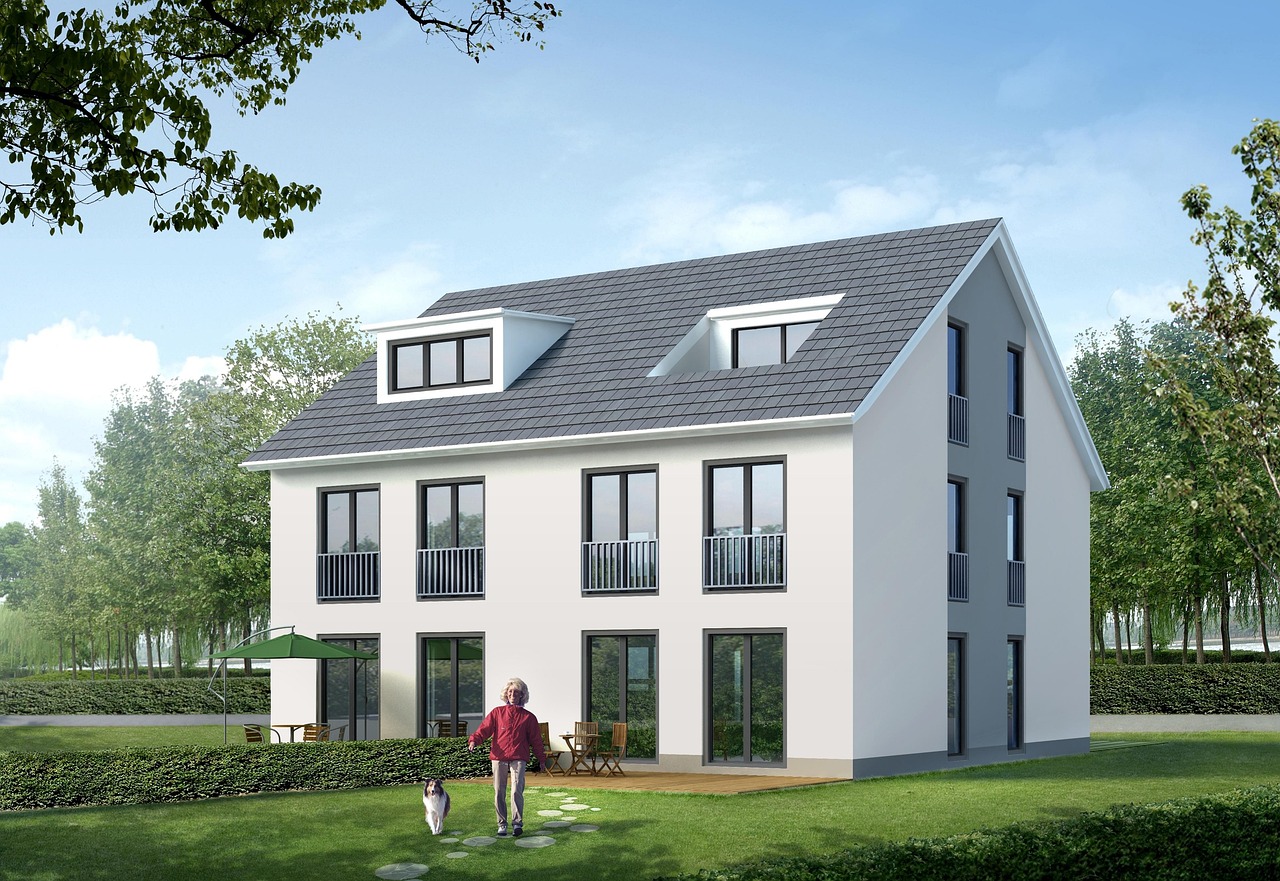
Creating a functional and welcoming multi-gen space within your home is a key advantage of adu-for-multi-generational-living. This approach not only maximizes living areas but also fosters intergenerational connections. To achieve this, designers often tailor adu designs for multi-gen families, ensuring each generation has its own dedicated yet seamlessly integrated space. A larger adu could accommodate a multi-purpose room that serves as a play area for grandkids during the day and a quiet study for grandparents in the evening.
Consumer preferences for multi-gen adus are shifting towards sustainable construction practices. Eco-conscious families are increasingly demanding energy-efficient features and materials that minimize environmental impact. Incorporating sustainable adu construction methods, such as using locally sourced materials, high-efficiency insulation, and renewable energy sources, not only aligns with these preferences but also contributes to long-term savings on utility bills. The US Department of Housing and Urban Development (HUD) and state housing authorities offer incentives for green building practices, further underscoring the benefits of sustainable adu designs.
Incorporating tailored adu designs and sustainable construction practices requires collaboration between architectural designers, interior designers, and home stagers. These professionals work closely with clients to understand their unique needs and preferences, ensuring the final space is both functional and inviting. They might suggest incorporating natural lighting, open floor plans, and versatile furniture to create a dynamic environment that caters to various age groups. Property management companies can also play a role by offering advice on renting out the adu to family members or trusted tenants, providing a steady income stream while maintaining a cohesive and welcoming multi-gen living space.
Community centers, local churches, and neighborhood associations can further enhance the impact of adu-for-multi-generational-living by offering programs and services that support intergenerational connections. Aging caregivers, for instance, can benefit from nearby resources that provide respite care or social activities, allowing them to maintain an active and engaged lifestyle while knowing their loved ones are nearby. By seamlessly integrating these elements, families can create a harmonious and fulfilling multi-gen living environment that caters to the needs and preferences of every generation.
Cost Analysis: Building an Affordable ADU for Multi-Gen Living
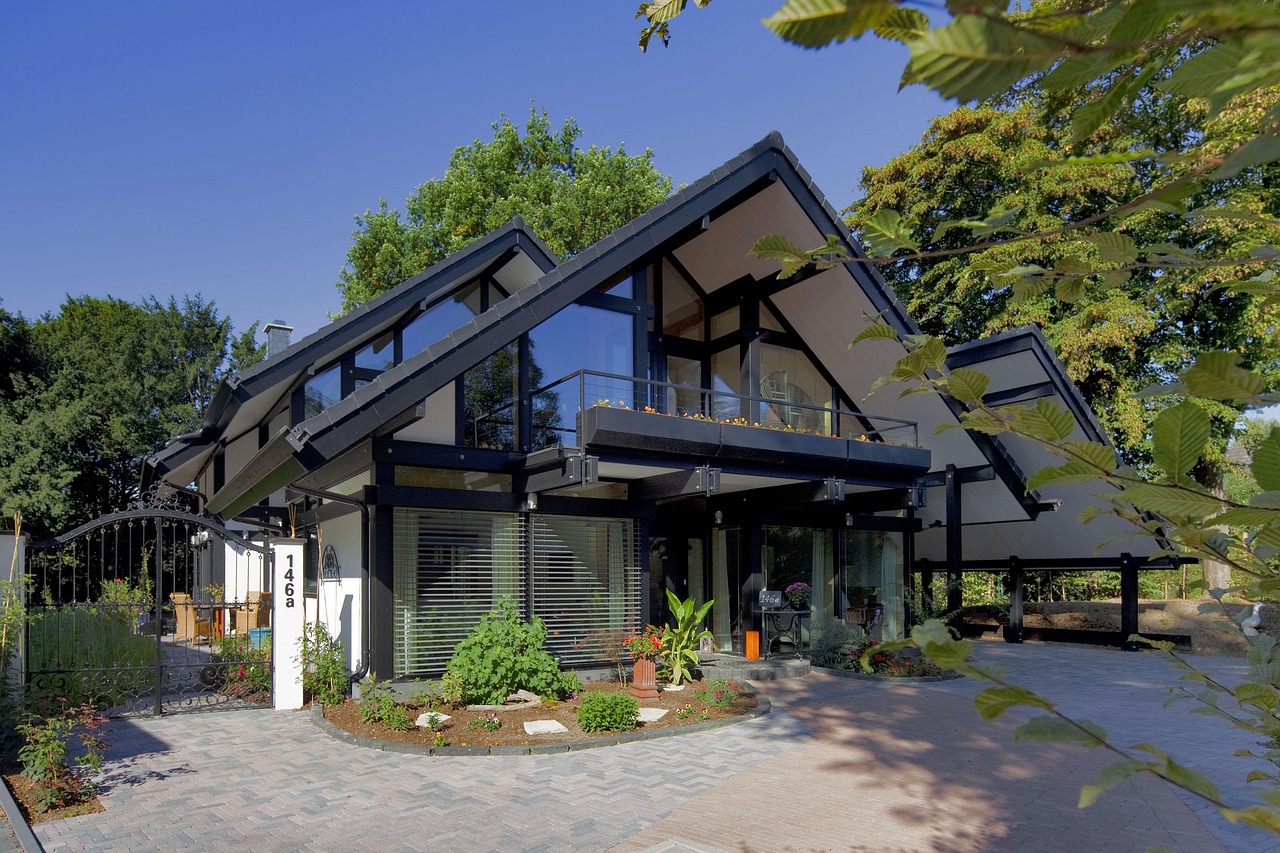
Expanding your home to accommodate multiple generations can be a complex task, but an affordable ADU-for-multi-generational-living offers a practical and cost-effective solution. While the initial investment might seem significant, careful planning and consideration can make this project accessible and valuable to many families. The cost analysis of building an ADU for multi-gen living involves understanding not just the financial outlay but also the return on investment, both in terms of family dynamics and real estate value.
Navigating building codes for ADU projects is a crucial step. Local building departments regulate these additions, and compliance is essential to avoid costly delays. The National Association of Home Builders (NAHB) provides extensive resources to help homeowners understand these codes, ensuring your ADU project adheres to all necessary safety and accessibility standards. Consider the Community Development Block Grant (CDBG) programs that offer financial assistance for housing projects, potentially reducing the upfront cost of your ADU.
Community engagement through ADUs matters in their success and acceptance. Engaging with your neighborhood can foster support for your project, leading to better access to resources and even potential cost savings. Top-rated multi-gen ADU services understand this dynamic and offer comprehensive packages that include community outreach and coordination. By involving your community, you can achieve valuable insights and partnerships, making your ADU expansion not just a practical addition to your home but also a beneficial contribution to your neighborhood.
The design phase is another critical aspect of the cost analysis. Engaging the services of qualified architectural designers and interior designers can ensure your ADU is both functional and aesthetically pleasing. Property management companies can provide expert advice on rental potential, ensuring your investment generates a good return if you plan to rent out the additional space. A well-planned ADU-for-multi-generational-living can create a harmonious living environment, strengthen family bonds, and offer substantial financial advantages.
Construction Process: From Blueprint to Move-In Ready
The construction process for an adu-for-multi-generational-living project is a meticulous dance involving multiple stakeholders and precise execution. It starts with detailed planning and ends with a fully functional, move-in ready space. The journey begins when you engage top-rated multi-gen adu services, experts who can guide you through the complex process. These professionals interpret your vision, translate it into detailed blueprints, and ensure compliance with local building codes and regulations.
Once approved, professional adu installation kicks into gear. This phase involves skilled contractors who transform raw materials into a structured, safe, and comfortable living space. From foundation laying to framing, electrical, and plumbing work, every step is crucial. Experienced builders may incorporate smart home technology, energy-efficient appliances, and accessible design elements to cater to the diverse needs of a multi-generational household. The result is a tailored, modern living area that accommodates both young adults starting their careers and aging family members.
Throughout the construction process, clear communication between the homeowner, architects, builders, and other specialists is paramount. Regular site visits and progress updates ensure everyone is aligned on the project's timeline and quality standards. Upon completion, a thorough inspection verifies that the adu meets safety regulations and your expectations. This meticulous process culminates in a successful project handover, with the adu ready for its intended occupants to call home. Engaging the best local adu builders who specialize in multi-generational living ensures a seamless experience from blueprint to move-in ready.
Integrating Generations: Fostering Connection and Independence

Integrating multiple generations under one roof can be a delicate balance, but adu-for-multi-generational-living offers a practical solution that fosters connection while respecting independence. These additional living spaces, often attached to or converted from existing structures, provide a unique opportunity for families to stay connected while allowing each generation to maintain their own space and routines. Grandparents can live independently while being close to their adult children and grandchildren, enabling meaningful interactions and intergenerational bonding.
Community engagement is a vital aspect of adu-for-multi-generational-living. These spaces can serve as hubs for social activities, meals, and shared hobbies, strengthening the fabric of the neighborhood. Local churches, community centers, and neighborhood associations can collaborate to organize events, ensuring that all generations feel welcomed and included. adu financing options for families are increasingly accessible, making it more feasible for multi-generational households to come together. The US Department of Housing and Urban Development, in conjunction with local governments, offers grants and loans designed to support affordable housing solutions like ADUs, helping to bridge the financial gap.
Emergency shelter expansion is another critical benefit. As families face unforeseen circumstances, having an ADU can provide immediate, temporary shelter, especially in areas where affordable housing is scarce. This can be crucial for aging caregivers who might need a safe place to retreat during crises, ensuring they are not isolated or stranded. A property management company specializing in ADUs can work with local authorities to quickly set up temporary housing during emergencies, demonstrating the flexibility and adaptability of these living spaces.
Designing an ADU to suit multiple generations requires thoughtful consideration. Architectural and interior designers can create open, inviting spaces that accommodate different ages and abilities. Incorporating universal design principles, such as ramp access and grab bars, ensures safety and ease of movement for everyone. Home stagers can also play a vital role in creating a welcoming environment that reflects the unique personalities and needs of each generation, fostering a sense of belonging and independence.
Long-Term Sustainability: Maintaining Your ADU for Multi-Gen Families

As multi-generational families become increasingly common, the need for practical, sustainable housing solutions is evident. Addressing housing affordability with ADUs for multi-generational living offers a promising path forward. This approach, often referred to as an affordable multi-generational ADU, not only provides additional living space but also facilitates aging in place, allowing families to stay together as needs change.
Long-term sustainability, however, requires thoughtful maintenance strategies. Unlike traditional homes, ADUs for multi-gen living often have unique design considerations, from compact spaces to shared amenities. To ensure these spaces remain functional and enjoyable for all ages, regular upkeep is crucial. This includes both routine maintenance tasks and addressing potential age-related issues. Ensuring adequate lighting and non-slip surfaces can make the space safer for elderly residents while keeping it appealing for younger family members.
Regular inspections by qualified professionals are essential for identifying potential problems early. This includes assessing structural integrity, electrical systems, and plumbing, especially as the home ages. Many local building departments offer resources and guidelines for ADU maintenance, making it easier to stay on top of repairs. Property management companies specializing in ADUs can also provide valuable services, coordinating with contractors and ensuring all work complies with local codes.
The National Association of Home Builders and the US Department of Housing and Urban Development (HUD) offer ADU research and guidelines, emphasizing the importance of quality construction and ongoing maintenance. HUD, in collaboration with state housing authorities and local community centers, promotes ADUs as a solution for aging in place, aligning with the growing trend of intergenerational living. By following these expert recommendations and adapting them to individual needs, families can enjoy the benefits of an ADU for multi-generational living well into the future.
Frequently Asked Questions About Adu for Multi-Gen Living: The Ultimate Solution for Expanding Your Home
What is an Accessory Dwelling Unit (ADU)?
An ADU, also known as an accessory building or granny flat, is a separate, self-contained dwelling added to a primary residence. It can be a great solution for multi-generational living, providing extra living space for aging relatives, young adults returning home, or even as a rental unit to generate income. ADUs come in various sizes and styles, from small studios to larger, multi-bedroom units.
Why consider an ADU for multi-generational living?
An ADU offers a practical and flexible way to accommodate multiple generations under one roof. It promotes family bonding, allows for shared responsibilities, and provides a cost-effective alternative to building a separate home. For aging relatives, an ADU ensures they can remain in their familiar surroundings while having access to dedicated space and potentially having their care needs met by family members.
What are the legal requirements for installing an ADU?
Local zoning laws dictate the legality of ADUs. Check with your city or county planning department to understand the specific regulations, including building codes, set-back requirements, and permitted uses. Permits are typically required for construction, ensuring compliance with safety and accessibility standards.
How much does it cost to build an ADU?
The cost of constructing an ADU varies based on size, materials, location, and local labor rates. On average, ADUs can range from $50,000 to $200,000 or more, with some high-end units costing significantly more. It's essential to consult with contractors for accurate pricing tailored to your specific needs and design.
Can an ADU increase the value of my home?
Absolutely. ADUs are considered valuable additions to homes, potentially increasing property value by 30% to 50% or more. They provide extra living space, which is always in demand, and can also serve as a significant selling point for prospective buyers.
What are the potential downsides of installing an ADU?
While ADUs offer numerous benefits, there are considerations. Increased traffic and noise from occupants, potential privacy concerns, and the need for additional property maintenance are factors to weigh. Careful planning and open communication between family members is crucial.
As we've explored the multifaceted world of ADUs for multi-generational living, it's clear that this solution offers a compelling mix of benefits and practicality. From the design and financial aspects to the community impact, ADUs provide a flexible, affordable, and sustainable option for expanding families. By understanding the zoning and legal landscape, carefully planning space and function, and integrating design elements that foster connection and independence, families can create a welcoming multi-generational environment. The construction process, while requiring careful coordination, can be successfully navigated, resulting in a move-in ready space that can endure and adapt over time.
Moving forward, the adoption of adu-for-multi-generational-living is poised to grow, driven by factors like aging populations, changing family structures, and the desire for intergenerational connections. By embracing this model, communities can enhance their inclusivity, strengthen social bonds, and meet the evolving housing needs of diverse families. For those considering an ADU, the insights gained here provide a solid foundation for navigating the process and reaping the long-term rewards of this valuable investment.
ADU-FOR-MULTI-GENERATIONAL-LIVING: A PRACTICAL, SUSTAINABLE SOLUTION
Growing families are embracing multi-generational living, driven by changing dynamics and practical housing needs. ADUs (Accessory Dwelling Units) offer a flexible, cost-effective solution, especially for urban homes. This trend is supported by organizations like HUD and the National Association of Home Builders (NAHB), who provide resources and guidelines.
Key Benefits:
- Community and Connection: ADUs can foster intergenerational connections, strengthen community, and serve as hubs for social activities.
- Affordability and Aging in Place: They provide affordable housing, allowing families to stay together as needs change, particularly for aging relatives.
- Space Optimization: ADUs cater to diverse age groups, offering privacy while fostering interaction.
Implementation Challenges:
- Space and Privacy: Balancing needs of multiple generations requires careful design.
- Cost: While cost-effective, initial costs and financing options must be considered.
- Regulatory Compliance: Local building codes and zoning regulations must be navigated.
Practical Steps:
1. Planning and Design: Engage professional designers, architects, and property managers for tailored multi-gen spaces.
2. Community Engagement: Involve the neighborhood for support, insights, and potential partnerships.
3. Sustainable Maintenance: Regular inspections and upkeep ensure long-term quality, safety, and functionality.
4. Financing Options: Explore home equity loans, lines of credit, and CDBG programs for financial assistance.
ADUs for multi-generational living offer a promising path, combining family connections with practical housing solutions.