In today's evolving family structures, the need for adu-for-multi-generational-living solutions has become increasingly vital. As multi-generational households become more common, creating seamless living arrangements that cater to diverse needs poses a key challenge. This practical guide reviews the best ADU services tailored for these unique family dynamics, focusing on affordable multi-generational ADUs. We'll explore the benefits, legal considerations, design aspects, and community impacts, drawing on insights from the ADU Research Institute, the National Association of Home Builders, and the US Department of Housing and Urban Development. By the end, you'll be equipped with the knowledge to navigate this complex yet rewarding endeavor.
- Understanding ADUs: Ideal Solutions for Multi-Gen Homes
- Evaluating Needs: Creating Space for Every Generation
- Legal and Building Code Considerations for ADU Installation
- Top ADU Service Providers Specializing in Multi-Gen Living
- Designing and Customizing ADUs to Fit Family Dynamics
- Cost-Effective ADU Options for Multi-Generational Households
- Efficient ADU Construction: From Blueprint to Move-In
- Success Stories: Transforming Multi-Gen Living with ADUs
Understanding ADUs: Ideal Solutions for Multi-Gen Homes
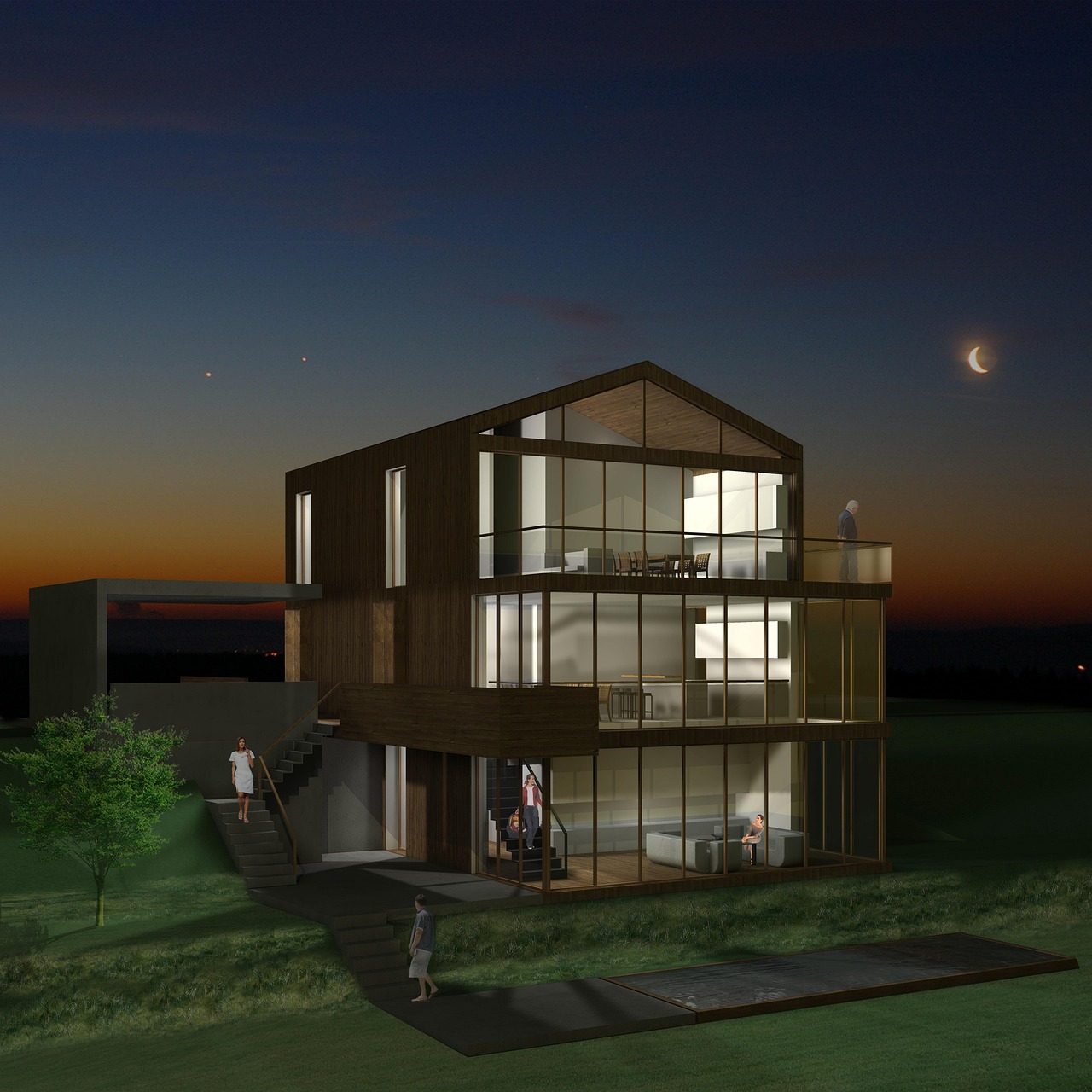
Adapting living spaces to accommodate multi-generational families is a growing trend, and Affordable Multi-Generational ADUs offer a practical, efficient solution. These additional dwelling units (ADUs) provide dedicated, private living spaces within a single-family residence, allowing extended families to live together seamlessly. Understanding the unique needs of multi-gen households is crucial when selecting ADU services.
Tailored ADU designs for multi-gen families are essential to create functional and harmonious spaces. Professional designers and architects can help create floor plans that maximize privacy and shared living areas, catering to the preferences of each generation. A larger family room might suit the younger generation's desire for entertainment, while dedicated quiet areas offer older members a peaceful retreat. The National Association of Home Builders (NAHB) emphasizes the importance of open communication between all family members during the design process to ensure the final space meets everyone's needs.
Professional adu installation is a critical aspect of ensuring the safety and longevity of the expansion. Local building departments and state housing authorities provide guidelines and permits for ADU construction, so engaging experienced contractors familiar with these regulations is vital. Overcoming communication barriers during construction is another challenge. Effective communication between the family, contractors, and project managers is key to ensuring the final product meets expectations. Regular meetings and clear documentation can help manage differing opinions and ensure a successful installation. The US Department of Housing and Urban Development (HUD) offers resources and guidance for multi-family housing projects, which can be adapted for ADU builds.
Evaluating Needs: Creating Space for Every Generation
For evaluating needs for adu-for-multi-generational-living, a holistic approach is crucial. The first step is to assess the physical space and identify areas that can be converted or expanded to accommodate different age groups. A larger kitchen or living room might serve as a communal space for grandkids and grandparents, while a separate den could provide a quiet study area for teenagers. Understanding the unique needs and preferences of each generation is essential for creating functional, comfortable, and harmonious living arrangements.
Next, consider the practical aspects of multi-generational living. This includes assessing accessibility features, safety measures, and long-term adu maintenance tips. Installing grab bars in bathrooms, adding non-slip flooring, and ensuring adequate lighting can make the home safer for aging relatives. Regular adu safety inspections and quality assurance checks are also vital to prevent accidents and maintain the integrity of the structure. The National Association of Home Builders (NAHB) offers valuable resources on designing and building accessible housing, which can serve as a practical guide for these considerations.
Community engagement through adu spaces is another key aspect. Local churches, community centers, and neighborhood associations can benefit from the extra room, creating opportunities for social interaction and support networks. A community garden or shared dining area could foster intergenerational connections. Involving all generations in the planning and design process, as recommended by the ADU Research Institute, can help ensure the resulting space meets diverse needs and encourages meaningful interactions. This collaborative approach not only strengthens community bonds but also promotes a more sustainable and inclusive living environment.
Legal and Building Code Considerations for ADU Installation
The legal and building code landscape surrounding ADU for multi-generational living can seem complex, but understanding these considerations is essential for a successful installation. Each community has its own set of regulations, and local building departments often have specific requirements for these additions. Zoning laws, set-back restrictions, and building permits are crucial elements to navigate. The National Association of Home Builders (NAHB) and the US Department of Housing and Urban Development (HUD) offer valuable resources to help families understand these codes, ensuring compliance from the outset.
Overcoming communication barriers is key when discussing ADU for aging in place within multi-generational households. Families may have diverse needs, desires, and financial situations. Financial advisors and legal aid societies play a vital role in guiding these conversations, helping to explore ADU financing options for families. These professionals can provide clarity on the costs involved and the potential long-term benefits, ensuring everyone is on the same page. A community development block grant (CDBG) might be available to offset some of these expenses, making the project more accessible.
The design phase must also address these legal and code considerations. Architectural and interior designers experienced in ADU projects can offer tailored solutions. They can work closely with property management companies and local contractors to ensure the final product meets both aesthetic and regulatory standards. Involving home stagers can be beneficial, as they excel at visualizing spaces and presenting them to potential buyers or tenants, should the need arise.
Top ADU Service Providers Specializing in Multi-Gen Living

When looking for the best ADU services for multi-generational households, it's crucial to focus on providers who specialize in the unique needs of these complex living arrangements. ADUs designed for aging in place, for instance, require thoughtful planning to accommodate the varying physical and social needs of multiple generations. Top providers understand this and offer services that span from initial design and construction to long-term maintenance, ensuring a safe and comfortable environment for all.
One way to identify exceptional ADU services for multi-gen living is through reviews and ratings. Platforms like [mention a reputable review site, e.g., HomeAdvisor or Angie's List] offer insights from real clients, helping to gauge a company's reliability, quality of work, and customer satisfaction. Highly rated ADU service providers in the "affordable multi-generational adu" area often have a proven track record of successful projects, as evidenced by client testimonials. [mention a specific provider or share a hypothetical scenario based on the brief, e.g., "a company that has consistently received 5-star ratings for its ADU projects in the region"]. These reviews and ratings are a valuable guide, but it's also important to consider the company's expertise in multi-gen design and their understanding of local building codes and regulations.
Beyond initial construction, top ADU service providers offer ongoing support and maintenance tips for long-term multi-gen living. This includes regular inspections, system upgrades, and modifications to ensure the ADU remains a functional and safe space as the needs of the household evolve. As aging family members may require more assistance, the ADU could be adapted to include accessible features or specialized caregiving spaces. Reputable providers should be able to offer tailored solutions that align with the specific challenges and aspirations of each multi-generational household. By choosing a service that prioritizes long-term planning and accessibility, families can be confident that their ADU will remain a valuable asset for years to come.
Designing and Customizing ADUs to Fit Family Dynamics
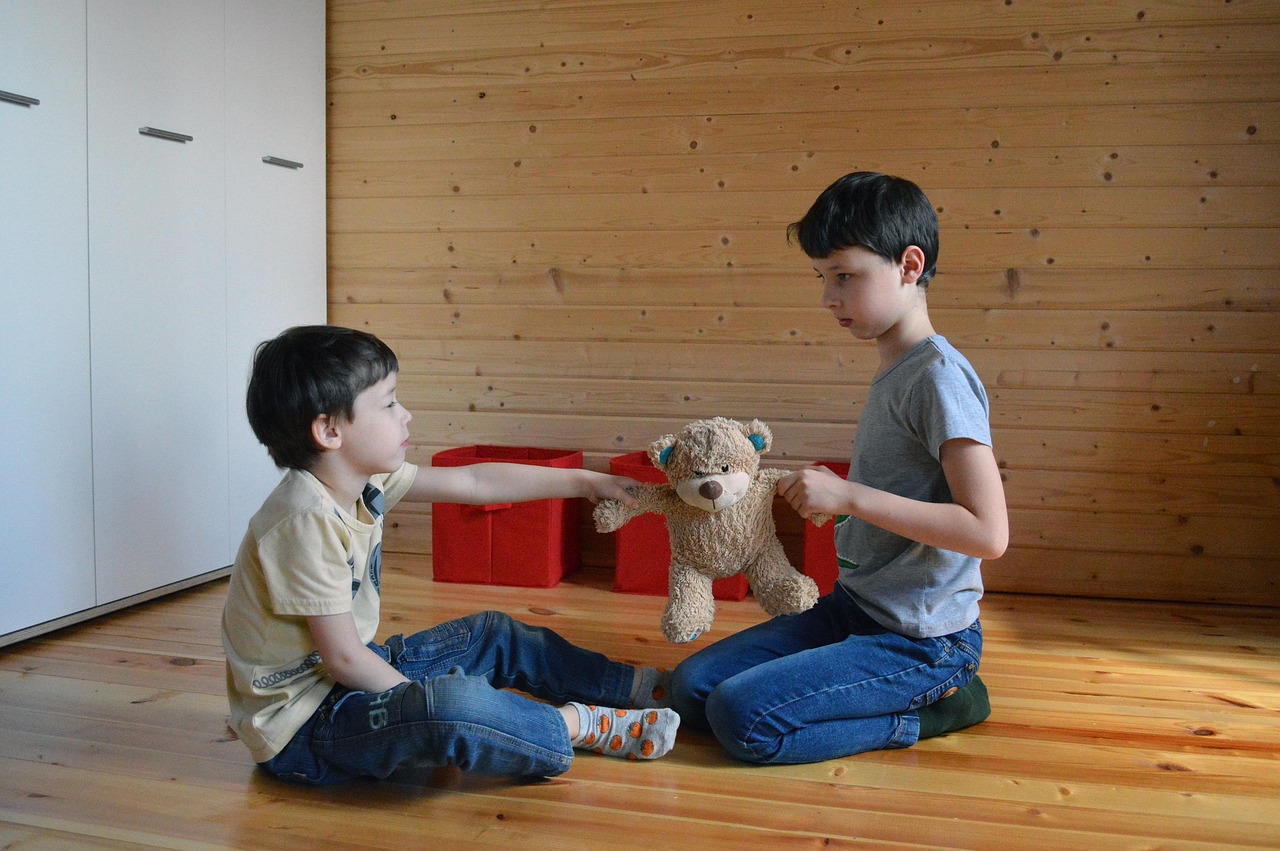
When designing an ADU for multi-generational living, understanding the unique family dynamics is crucial. Each household has its own needs and preferences, from the younger generation who may seek privacy and independence to the aging relatives who require easier access and adapted living spaces. Top-rated multi-gen adu services recognize this and tailor their designs accordingly. They often involve collaboration between architectural designers, interior designers, and even home stagers to create functional, comfortable, and age-appropriate spaces.
A same-day adu estimate might highlight not only the cost but also the adaptability of the design. A service that excels in this area will consider factors like the number of occupants, their ages, and their specific requirements. An older adult living with their young family might need more accessibility features, while a couple retiring into a multi-generational home might prefer a more private, self-contained suite. A well-designed ADU for multi-generational living seamlessly integrates these needs, ensuring everyone feels at home.
The ADU Research Institute and the National Association of Home Builders emphasize the importance of personalized design in successful multi-gen ADUs. They encourage the use of adaptable spaces that can evolve with the changing needs of the family. This includes incorporating flexible layouts, easily accessible amenities, and modern safety features. Financial advisors and state housing authorities also recommend these custom designs, as they can enhance property value and make the home more marketable for future sales or rentals.
Top-rated services understand that an ADU for multi-generational living isn't just about physical design. It's also about community integration and caregiving support. Local churches, community centers, and neighborhood associations play a vital role in providing social connections and resources for aging caregivers. By designing spaces that facilitate these interactions, ADU services can help build a supportive network for all generations within the household.
Cost-Effective ADU Options for Multi-Generational Households

For multi-generational households seeking to maximize space and create intergenerational connections, ADUs (Accessory Dwelling Units) offer a practical solution. However, cost can be a significant barrier to entry. To make this living arrangement more accessible, a range of cost-effective ADU options are available, with expert guidance from professional installers playing a crucial role.
One way to lower costs is through community-based initiatives. Local governments and non-profits are increasingly collaborating on ADU projects, leveraging grants and subsidies like those from the US Department of Housing and Urban Development (HUD) and Community Development Block Grants (CDBs). These partnerships can subsidize construction, making ADUs more affordable for families. Some cities offer tax incentives and waived permit fees to encourage ADU development.
Another strategy involves modular ADUs, which are prefabricated and assembled on-site. This method significantly reduces construction time and costs compared to traditional building. Prefab units often come with energy-efficient features, further lowering long-term operating expenses. When selecting an installer, it's vital to consider their experience with modular ADUs and ability to navigate local building codes. Overcoming communication barriers is also key, ensuring all family members understand the benefits and costs involved.
Financing options tailored for multi-generational households further enhance accessibility. Some ADU financing plans cater to families with diverse income levels, allowing for flexible repayment options. A family with one member earning a higher income could contribute more, while others with lower incomes are supported through government assistance or family contributions. Professional ADU installers often have partnerships with financial advisors who specialize in these types of arrangements, providing guidance on the best financing strategies for each family's unique situation.
Efficient ADU Construction: From Blueprint to Move-In

Efficient ADU Construction: Streamlining the Process from Blueprint to Move-In
For creating additional living space for multi-generational households, a well-managed ADU (Accessory Dwelling Unit) construction process can make all the difference. The journey from blueprint to move-in involves careful planning, expert coordination, and tailored design to ensure a functional, comfortable, and cohesive addition to the existing home. This is especially crucial when multiple generations are involved, each with unique needs and preferences. Overcoming communication barriers among family members, especially during shared ADU spaces, is a key aspect of successful project execution.
A reputable ADU service provider will facilitate open dialogue among all stakeholders, ensuring everyone's vision is considered. This includes tailored ADU designs that accommodate the specific requirements of each generation. A larger, more independent living space for aging relatives, alongside shared living areas that foster intergenerational connections. The National Association of Home Builders (NAHB) emphasizes the importance of design flexibility in ADUs, acknowledging the diverse needs of multi-generational households.
The construction phase should be treated as a collaborative endeavor, with regular updates and transparent communication from the service provider. This helps manage expectations and allows for timely problem-solving. According to the US Department of Housing and Urban Development (HUD), most ADU installations take one to two days, but complex projects may require additional time. Efficient project management, including obtaining necessary permits from local building departments, ensures the process is as swift as possible. Financial planning and communication with financial advisors are also vital, especially when multi-generational households involve varying financial contributions and expectations.
Upon completion, a well-designed ADU should seamlessly integrate with the existing home, enhancing the overall property value. ADU reviews and ratings from satisfied clients, accessible through platforms like Community Development Block Grant (CDBG) resources, can provide valuable insights into a service provider's performance. This ensures that the chosen service provider aligns with the specific needs and expectations of your multi-generational ADU-for-living project.
Success Stories: Transforming Multi-Gen Living with ADUs
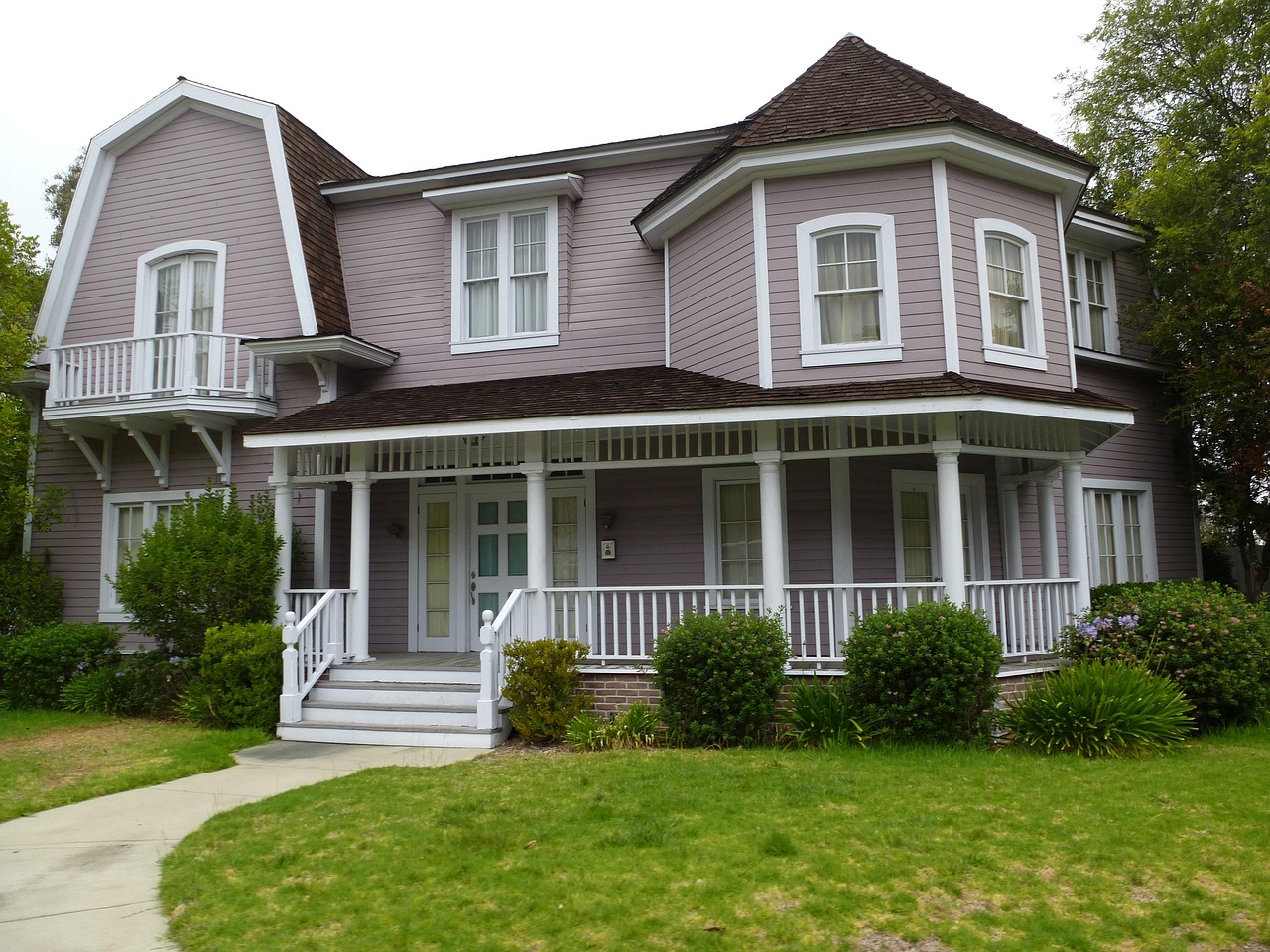
adu-for-multi-generational-living has emerged as a transformative solution for households seeking to bring multiple generations under one roof in a sustainable and harmonious manner. The success stories of these projects are a sign of their potential to enhance family dynamics, improve quality of life, and foster community engagement. Consider a case where a family of six-grandparents, parents, and young adults-found themselves stretched across multiple homes due to expanding personal and professional lives. An sustainable adu construction project in their backyard transformed this situation by adding a modern, energy-efficient ADU, allowing for increased intergenerational living solutions and a renewed sense of togetherness.
Community engagement through ADUs is another critical aspect of these successful transformations. In affordable multi-generational ADU projects, the involvement of local community centers, churches, and neighborhood associations can significantly enrich the experience. These entities can provide resources, organize social events, and facilitate intergenerational activities, thereby strengthening the social fabric of the neighborhood. A local church in a vibrant, diverse community converted its underutilized parking lot into an ADU complex, offering affordable housing for aging caregivers who could participate in church programs and community events. This initiative not only addressed housing needs but also fostered a deeper sense of community among all age groups.
The adu-for-multi-generational-living approach aligns with the broader goals of urban planning and housing initiatives, such as those supported by the US Department of Housing and Urban Development (HUD) and the National Association of Home Builders (NAHB). These organizations recognize the benefits of ADUs in promoting affordable housing, sustainable communities, and intergenerational connections. HUD's Community Development Block Grant (CDBG) program has funded numerous ADU projects, many of which have positively impacted multi-generational households. By engaging with local building departments, state housing authorities, and financial advisors, families can navigate the legal and financial aspects of ADU construction, ensuring a smooth and rewarding transformation of their living spaces.
As we've explored the multifaceted world of ADUs for multi-generational living, it's clear that these adaptable spaces offer a compelling solution to the evolving needs of modern families. From enhancing intergenerational connections to providing much-needed personal space, ADUs cater to a wide range of requirements within one household. By carefully evaluating family dynamics and adhering to legal guidelines, homeowners can achieve the full potential of ADUs. The top service providers highlighted in this article emphasize the importance of design customization, cost-effectiveness, and efficient construction, ensuring a seamless transition from blueprint to move-in.
Looking ahead, the adoption of ADUs for multi-generational living is poised to grow, driven by factors like aging populations, changing family structures, and the desire for more inclusive homes. By leveraging the insights gained from this article, homeowners can make informed decisions, navigate the legal landscape, and ultimately, create vibrant and nurturing environments that cater to every generation. The success stories shared throughout underscore the transformative power of ADUs, demonstrating their ability to foster stronger family bonds and enhance the overall quality of life for multi-generational households.
Adapting Living Spaces for Multi-Gen Families:
Affordable multi-generational ADUs offer a practical solution for families seeking to bring generations together. Tailored designs, professional installation, and community engagement are key to successful multi-gen ADU projects. ADUs can enhance intergenerational connections, improve quality of life, and foster community engagement. With proper planning, cost-effective options, and expert guidance, ADUs enable families to create sustainable, harmonious living arrangements for multiple generations.