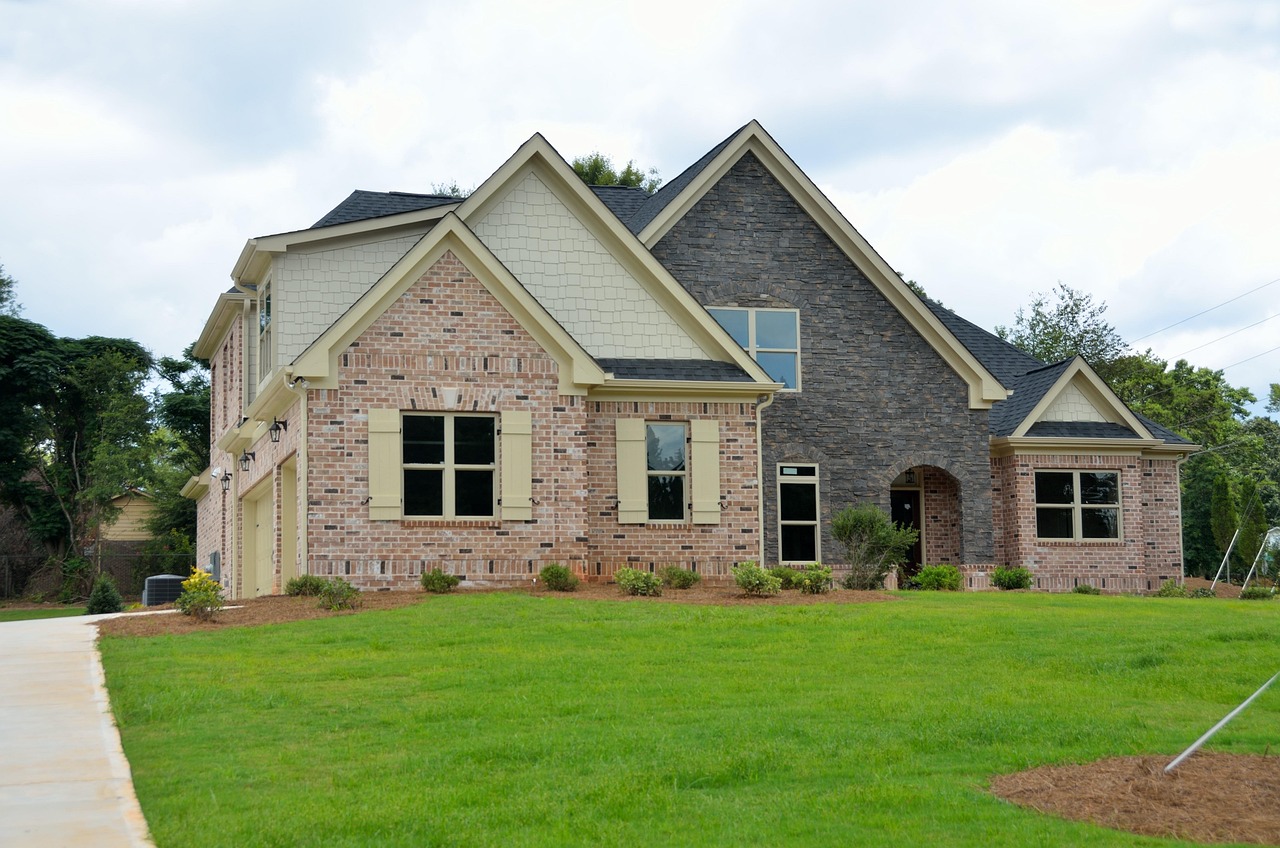
In today's diverse family structures, the need for affordable multi-generational adu solutions has surged, offering a practical way to accommodate aging relatives, extend family living arrangements, or create intergenerational spaces. However, with rapid urban growth and limited housing resources, understanding ADU construction can be daunting. This article provides expert advice on selecting the ideal ADU for your multi-generational family's unique needs, considering both practical and emotional aspects. We'll explore the benefits of ADU-for-multi-generational-living, navigate legal and financial considerations, and guide you through the design and community integration processes to ensure a successful and fulfilling solution for your family.
- Understanding Multi-Gen Family Dynamics for ADU Placement
- Assessing Space Needs: A Multi-Generational Approach
- Legal and Building Code Considerations for ADUs
- Design Choices: Creating Harmonious Multi-Gen Living
- Location, Location, Location: Neighborhoods for Multi-Gen ADUs
- Budgeting for ADU Construction: A Multi-Gen Perspective
- Sustainability in Multi-Gen ADU Design and Operation
- Post-Construction: Nurturing Multi-Gen Connections in ADUs
Understanding Multi-Gen Family Dynamics for ADU Placement
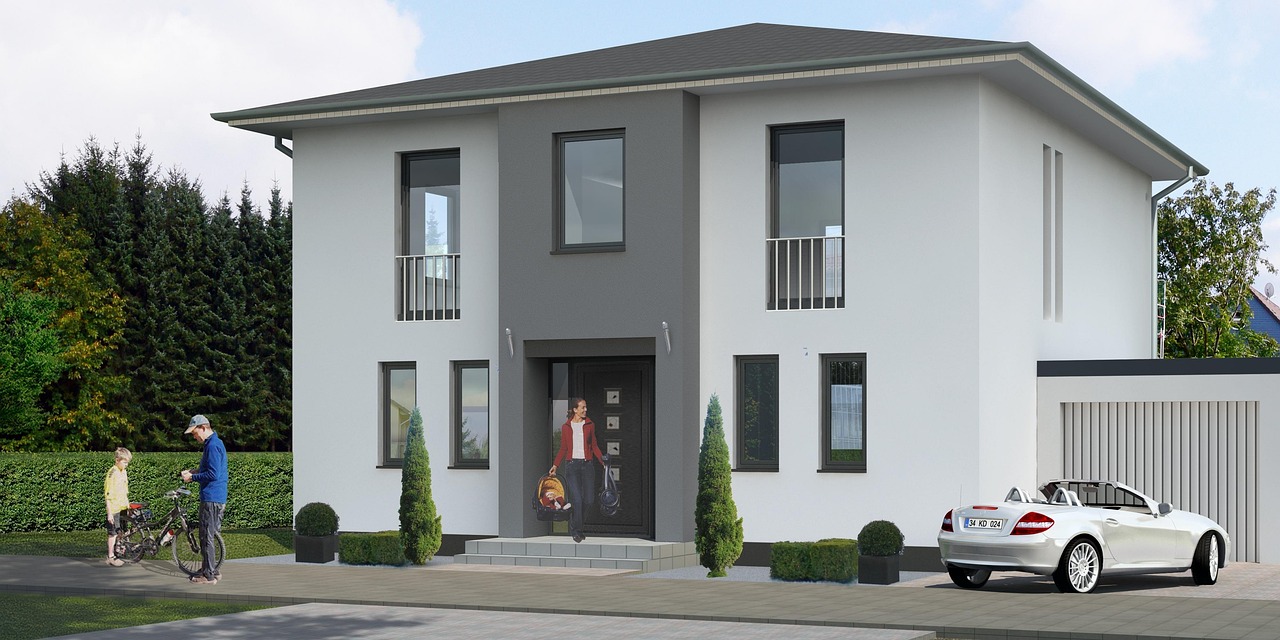
Choosing the right affordable multi-generational ADU (adu-for-multi-generational-living) involves a deep understanding of the unique dynamics within multi-gen families. Family structures have evolved, with grandparents, parents, and grown children often living together or in close proximity. An ADU can provide a solution for this diverse population by offering dedicated space for each generation's needs, from private suites for grandparents to shared living areas for younger family members.
Navigating building codes for ADU projects is crucial for successful placement. Local building departments have specific regulations regarding ADU construction, including zoning, set-back requirements, and accessibility standards. Consulting with local ADU specialists near me is a strategic move. These experts are intimately familiar with the nuances of building codes and can guide you through the permitting process. They can advise on the best layout for maximizing space and privacy, ensuring the ADU complies with all local regulations.
Consumer preferences for multi-gen ADUs vary, reflecting the diverse needs of each generation. Some families prioritize private suites with separate entrances for grandparents, ensuring their independence. Others may opt for more open floor plans that encourage interaction and shared spaces. Incorporating these preferences into the design requires close collaboration between homeowners, architects, and interior designers. A well-designed ADU can enhance family relationships, provide practical support for aging relatives, and offer a sense of community for all generations.
Understanding the specific needs and dynamics of your multi-gen family is key to making informed decisions. By considering factors like privacy, accessibility, and shared living spaces, you can choose an ADU that not only meets current needs but also adapts to evolving family structures. Working with local specialists and staying informed about building codes will ensure your adu-for-multi-generational-living is a successful and harmonious addition to your home.
Assessing Space Needs: A Multi-Generational Approach

When considering an ADU for multi-generational living, assessing space needs requires a nuanced understanding of the diverse requirements of different family members. Unlike traditional home designs, these spaces must accommodate multiple age groups, from seniors to young adults, each with unique lifestyles and needs. Start by evaluating current living arrangements and envisioning future scenarios. A multi-generational family may need separate spaces for teenagers studying at home, a dedicated area for an aging relative with limited mobility, or a shared common area that facilitates intergenerational bonding.
Engaging with a team of professionals, including licensed ADU contractors near me and design experts, is crucial. These experts can provide valuable insights into efficient space utilization and innovative design solutions. They can also guide you through the latest ADU financing options for families, helping to make the project more accessible. The US Department of Housing and Urban Development (HUD) and state housing authorities often offer programs to support affordable multi-generational housing, so exploring these resources is essential. Consider the potential for future expansion, such as adding a first-floor apartment as the family grows, to ensure the design stands the test of time.
Community centers, local churches, and neighborhood associations can play a vital role in facilitating intergenerational living solutions. They provide shared spaces and opportunities for social engagement, enhancing the overall well-being of multi-generational families. By assessing the family's needs holistically and leveraging the expertise of professionals, you can create a well-designed ADU that fosters a vibrant and supportive environment for all generations.
Legal and Building Code Considerations for ADUs

Choosing the right ADU-for-multi-generational-living involves navigating complex legal and building code considerations. Local building departments and state housing authorities enforce regulations that can vary widely across regions, affecting everything from zoning laws to building standards. Some areas may require permits for ADUs, while others might have specific design guidelines or restrictions on where an ADU can be located on a property. It's crucial to consult with your local authority early in the process to ensure your plans align with the law.
Addressing housing affordability with ADUs is a primary motivation for many families, especially those looking for aging-in-place solutions. However, this can introduce additional legal complexities, such as property tax exemptions and financial aid programs. The U.S. Department of Housing and Urban Development (HUD) offers guidance and resources for accessible housing, including ADUs, which can be invaluable for navigating these financial aspects. Property management companies and interior designers specializing in intergenerational living solutions can help you understand and leverage these benefits, ensuring your ADU meets both your family's needs and local regulations.
Legal Aid Societies and financial advisors are also essential partners in this process. They can provide insights into the potential legal and financial implications of an ADU, helping to mitigate risks and ensure compliance. A legal advisor might help you understand the implications of an ADU on your property's value, insurance, and potential inheritance plans. By involving these experts early and often, you can make informed decisions that support a successful ADU-for-multi-generational-living project. This proactive approach not only addresses housing affordability but also fosters a safe and inclusive environment for all family members, regardless of age or ability.
Design Choices: Creating Harmonious Multi-Gen Living
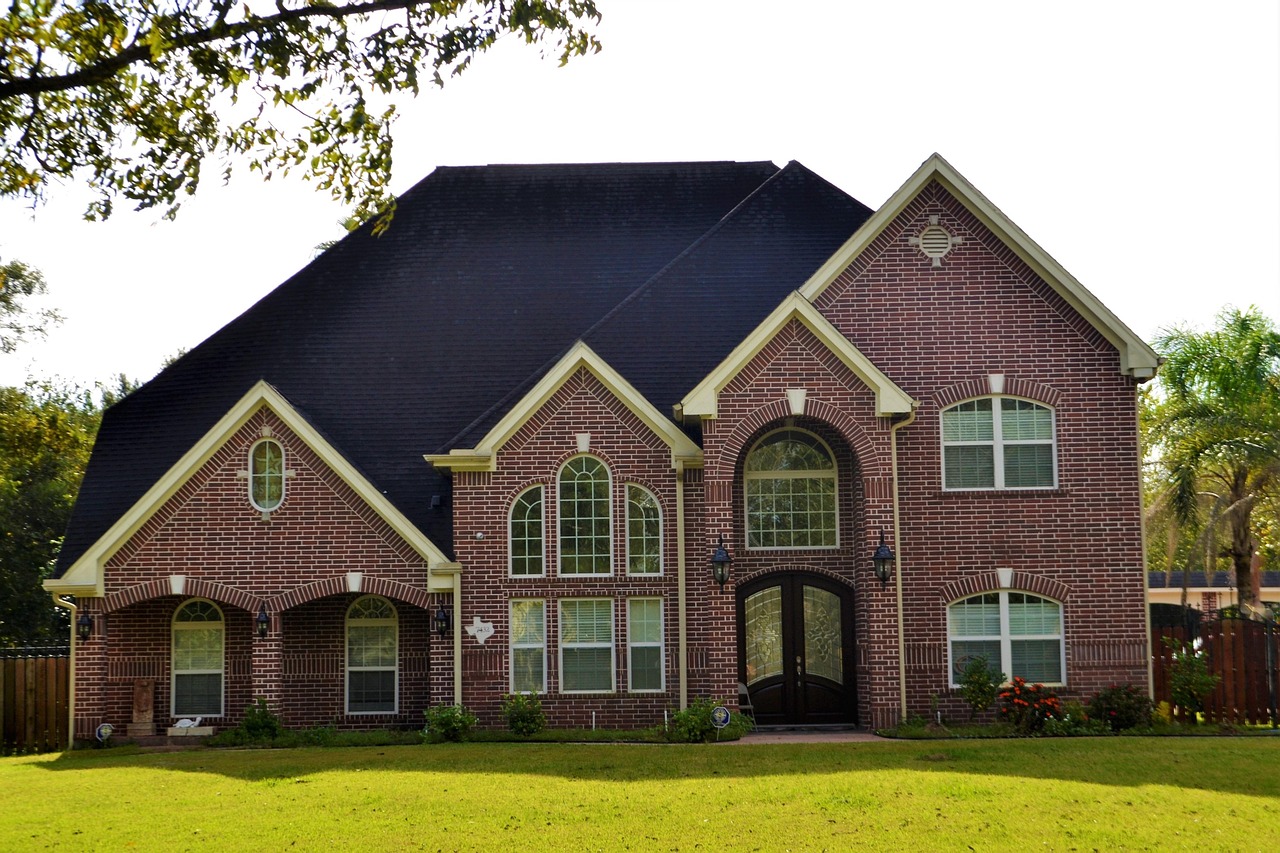
When designing an affordable multi-generational adu, creating harmonious living spaces that cater to diverse needs requires thoughtful consideration. The goal is to foster community engagement through adus while ensuring each generation has its own private sanctuary. Local adu specialists near me often emphasize the importance of flexible floor plans that can adapt to changing family dynamics. Consider a design that incorporates separable or convertible rooms, allowing for quiet personal space while also facilitating communal gatherings.
Incorporating age-appropriate features is another crucial aspect. This might include wheelchair accessibility for aging relatives, sensory considerations for young children, and smart home technology to cater to tech-savvy teenagers. The National Association of Home Builders (NAHB) and US Department of Housing and Urban Development (HUD) offer valuable guidelines on universal design principles, ensuring your adu is not only functional but also inclusive. Reviewing ADU research and utilizing local resources can help you make informed decisions that cater to all family members.
Sustaining a sense of community within the adu is equally vital. Interior designers and home stagers can help create open, inviting spaces that encourage interaction and shared experiences. Think about areas that promote social bonding, such as a shared kitchen or dining space, and incorporate design elements that reflect the diverse personalities within the family. Property management companies specializing in multi-generational homes can offer insights into effective layout and design strategies. The key is to strike a balance between private and shared spaces, fostering an environment that supports strong family connections.
Community centers, local churches, and neighborhood associations can play a significant role in the success of your adu. Engaging with these local entities can help integrate your multi-generational living space into the broader community, fostering a sense of belonging. Checking local ADU reviews and ratings can provide valuable insights into the experiences of other families, helping you anticipate potential challenges and make informed design choices. By carefully considering these factors, you can create a functional, beautiful, and harmonious adu-for-multi-generational-living that meets the unique needs of your family.
Location, Location, Location: Neighborhoods for Multi-Gen ADUs

Choosing the ideal location for an affordable multi-generational adu is a crucial step in ensuring a functional, safe, and comfortable living space for all family members. Neighborhoods play a significant role in the overall experience of living in an ADU, offering a blend of convenience, community, and potential caregiving resources. When selecting a location, consider proximity to essential services, schools, healthcare facilities, and transportation hubs. A neighborhood with a well-established community center or local church can provide a valuable hub for social interaction and support networks for aging caregivers.
Safety and quality assurance are paramount when installing an ADU. The US Department of Housing and Urban Development (HUD) emphasizes the importance of adhering to local building codes and standards to ensure structural integrity and resident safety. Engaging with licensed ADU contractors near you who possess expertise in multi-generational living designs is essential. These professionals can guide you through the process, ensuring compliance with local regulations and industry best practices. Reputable contractors should be able to demonstrate their experience in ADU construction, including safety features such as smoke and carbon monoxide detectors, fire escapes, and well-lit outdoor spaces.
The local building department is a key resource for understanding zoning regulations, building permits, and specific requirements for ADU installations. They can provide insights into the feasibility of your project and offer guidance on obtaining necessary permits. State housing authorities often offer resources and support for affordable housing initiatives, which can be invaluable when planning an ADU for multi-generational families. Engaging with trusted ADU experts in your area can facilitate this process, ensuring that your project aligns with both local and state guidelines.
The neighborhood you choose for your ADU should foster a sense of community, support, and accessibility. By considering proximity to essential services, engaging with licensed contractors, and staying informed about local regulations, you can create a safe, high-quality ADU that meets the unique needs of your multi-generational family.
Budgeting for ADU Construction: A Multi-Gen Perspective
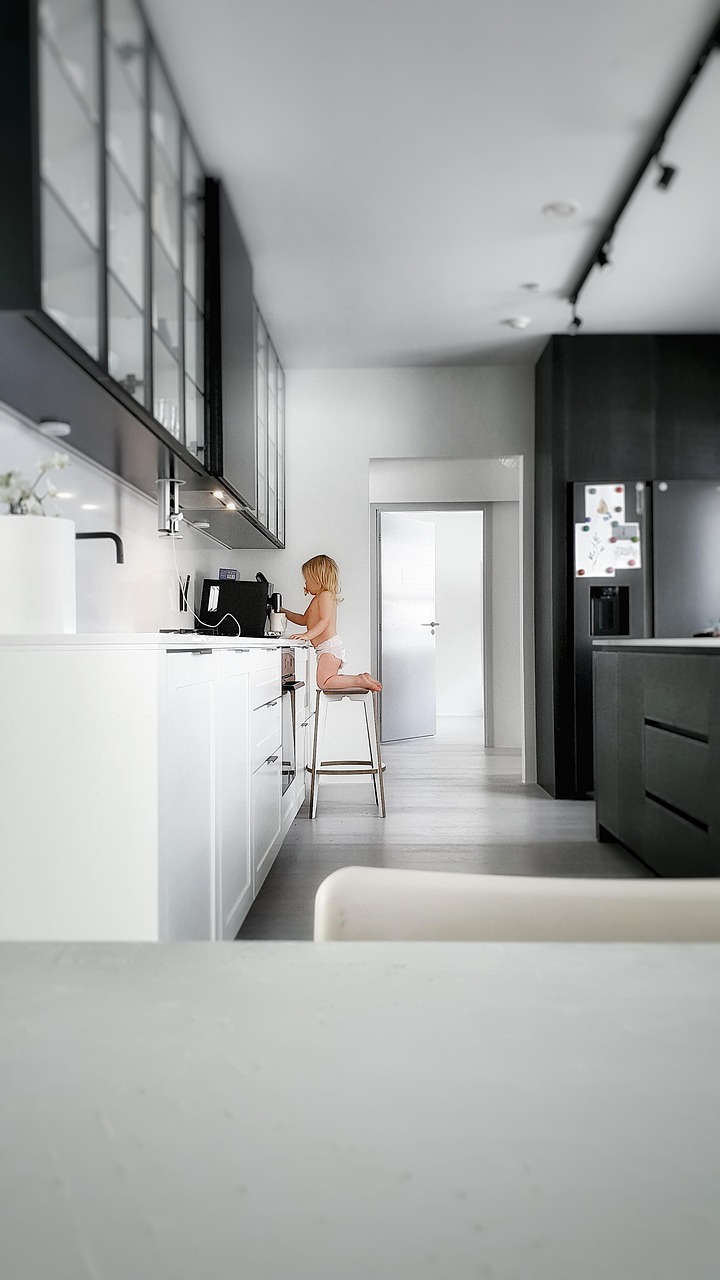
Choosing the right adu-for-multi-generational-living is a significant decision, and budgeting is a crucial aspect that requires careful consideration. When designing and constructing adu as cost-effective multi-gen housing, families must balance the need for additional space with their financial resources. Trusted adu experts recommend a comprehensive approach that includes not just the construction cost but also long-term sustainability and the specific caregiving needs of a multi-generational household.
A smaller, well-designed adu can provide a private suite for aging relatives while still allowing for flexibility as the family's needs change. This might include considerations like incorporating a small kitchenette and private bathroom, enabling the space to double as a home office or guest room as needed. However, it's essential to avoid overspending. To stay within budget, families should work closely with contractors and designers to prioritize features and select cost-saving materials and designs.
The US Department of Housing and Urban Development (HUD) emphasizes the importance of community and caregiving in multi-generational housing, suggesting that adu can be a valuable solution for aging in place and supporting family members. However, this focus on community and caregiving must be balanced with financial reality. Engaging with local building departments and state housing authorities can help families navigate permits, zoning regulations, and potential incentives, ensuring their adu project aligns with both their needs and budget constraints. Financial advisors can also play a crucial role, offering guidance on financing options, tax benefits, and long-term cost projections for the adu.
Sustainability in Multi-Gen ADU Design and Operation
When designing and operating an affordable multi-generational adu, sustainability should be a core consideration. The US Department of Housing and Urban Development (HUD) emphasizes the importance of green building practices for both cost savings and environmental impact reduction. Local adu specialists near me can help integrate sustainable features that not only benefit the environment but also enhance the comfort and health of residents.
One key aspect is energy efficiency. Utilizing energy-efficient appliances, lighting, and insulation can significantly lower utility bills, making the adu more affordable for multi-generational families. The National Association of Home Builders (NAHB) offers guidelines and certifications for energy-efficient construction, ensuring that the adu meets or exceeds industry standards. Incorporating natural lighting and ventilation strategies can reduce the reliance on artificial lighting and cooling systems, further contributing to sustainability.
Community engagement through adus can also foster a greener environment. By designing the adu to be a community hub, residents can encourage shared resources and reduce waste. A shared garden or compost system can engage the entire family, teaching sustainable practices and promoting a healthier lifestyle.
As caregiving solutions, sustainable ADUs can play a vital role in supporting aging caregivers and their families. By ensuring that the adu is easily accessible, wheelchair-friendly, and equipped with efficient, low-maintenance systems, it can cater to the needs of all generations while minimizing environmental impact. Engaging with local adu specialists and community resources can provide tailored guidance and support, ensuring that your multi-generational adu is not only affordable but also sustainable and caring.
Post-Construction: Nurturing Multi-Gen Connections in ADUs
After the construction process is complete, the real work of nurturing connections within your affordable multi-generational ADU begins. This phase is crucial for ensuring the ADU not only provides a functional space but also fosters meaningful interactions between generations. Safety and quality assurance become paramount, as these factors directly impact the comfort and longevity of resident relationships.
Local ADU specialists near me can play a vital role in facilitating intergenerational connections by designing spaces that promote shared activities and conversations. An open-concept living area with a shared kitchen can encourage meals together, while a dedicated game room or media space can offer opportunities for intergenerational play and storytelling. It's essential to consult with experts who understand the unique needs of multi-generational households and can incorporate these elements seamlessly into the design.
Quality assurance involves regular inspections and maintenance to ensure the ADU remains safe and habitable. Regular safety checks, such as testing smoke detectors, ensuring clear escape routes, and checking for fall hazards, are crucial, especially as family members of different ages may have varying mobility and needs. The US Department of Housing and Urban Development (HUD) offers resources and guidelines for creating safe and accessible living spaces, which local specialists can help implement.
Community engagement can strengthen multi-generational connections. Local churches, community centers, and neighborhood associations can become hubs for gatherings, workshops, or even shared meals, fostering a sense of belonging and interdependence among residents. Involving all generations in community decision-making processes, such as planning neighborhood events, can also enhance these connections and create a more cohesive living environment.
Frequently Asked Questions About Expert Advice: Choosing the Right ADU for Your Multi-Gen Family's Needs
What is an affordable multi-generational ADU, and why is it important for my family? An affordable multi-generational ADU (Accessory Dwelling Unit) is a secondary housing unit within a primary residence, designed to accommodate multiple generations living together. It's crucial for families seeking to live closer to relatives, share costs, and create a supportive environment across generations. This setup can foster stronger family bonds, promote intergenerational learning, and provide practical assistance for aging relatives.
How do I know if an ADU is the right choice for my family? Consider your family's unique needs and living situation. An ADU is ideal if you have aging relatives who need assistance but wish to maintain their independence, or if you want to live near your children and grandkids. It's also a great option for families facing housing affordability issues, as it allows sharing expenses. Assess your space, budget, and desired level of proximity among family members.
What are the essential factors to consider when choosing an ADU design? Key considerations include the size and layout suitable for your family's needs, privacy and space for each generation, accessibility for older adults, and integration with the primary home. Think about the number of bedrooms, common areas, and storage. Ensure the design accommodates different ages and abilities, with features like grab bars, wide doorways, and easy-to-navigate floors.
Can an ADU be customized to fit my family's unique needs and preferences? Absolutely. Many ADU designs are highly customizable, allowing you to tailor the space to your family's specific requirements. You can choose the number of bedrooms, bathroom configurations, and even incorporate specialized features like home offices, exercise rooms, or recreational areas. Discuss your family's needs with a professional to design an ADU that feels like a natural extension of your home.
How long does it typically take to install an ADU, and what's involved in the process? Most ADU installations take one to two days, depending on the complexity of the design and local building regulations. The process involves site preparation, foundation work, construction, and final inspections. It's crucial to hire a licensed contractor with ADU experience to ensure a smooth and compliant installation. Permits, building codes, and utility connections are critical aspects of the process.
Are there any financial considerations when installing an ADU? Yes, costs vary based on the size, design, and local regulations. It's important to budget for permits, construction, and potential utility upgrades. Some regions offer incentives or grants for ADU installations, which can offset the expenses. Consider the long-term benefits, such as increased property value and potential rental income, to balance the initial investment.
Choosing the right adu-for-multi-generational-living involves understanding complex family dynamics, assessing diverse space needs, navigating legal and building code requirements, and making thoughtful design and location choices. This comprehensive approach ensures that the ADU enhances intergenerational connections while providing practical, sustainable, and affordable housing solutions. By considering each family member's unique requirements and incorporating principles of harmonious design and suitable locations, you can create a space that fosters lasting bonds and supports the evolving needs of multi-generational households. The next step is to involve professionals from architectural designers to property management companies to translate these insights into a reality that enriches your family's life together.
Choosing the Right ADU for Multi-Gen Families:
An ADU for multi-generational living requires understanding diverse family needs, navigating building codes with local specialists, and prioritizing privacy, accessibility, and shared spaces in design. It involves budgeting wisely, leveraging community resources, and integrating sustainable features for cost-effectiveness and environmental impact reduction. Quality assurance and community engagement are crucial for fostering intergenerational connections and creating a nurturing, cohesive living environment.