
In today's evolving family structures, the need for affordable multi-generational adu (accessory dwelling units) has become increasingly vital. These living spaces allow families to live together, fostering intergenerational connections while providing independent living for aging relatives or young adults. However, the financial challenges of constructing and maintaining these units can be daunting. This article guides you through the process of funding your adu-for-multi-generational-living project, offering practical insights into various financing options tailored to the unique needs of multi-generational families. We'll explore legal considerations, design strategies, and community benefits, ensuring a comprehensive understanding of how to make this living solution a reality.
- Understanding ADU for Multi-Generational Living
- Benefits and Costs: A Multi-Family Perspective
- Budgeting for Your ADU Project
- Traditional Loans: Mortgages and More
- Alternative Financing: Options Beyond Banks
- Tax Incentives for ADU Construction
- Grant and Subsidy Opportunities for ADUs
- Building Equity: Long-Term Financial Strategy
Understanding ADU for Multi-Generational Living
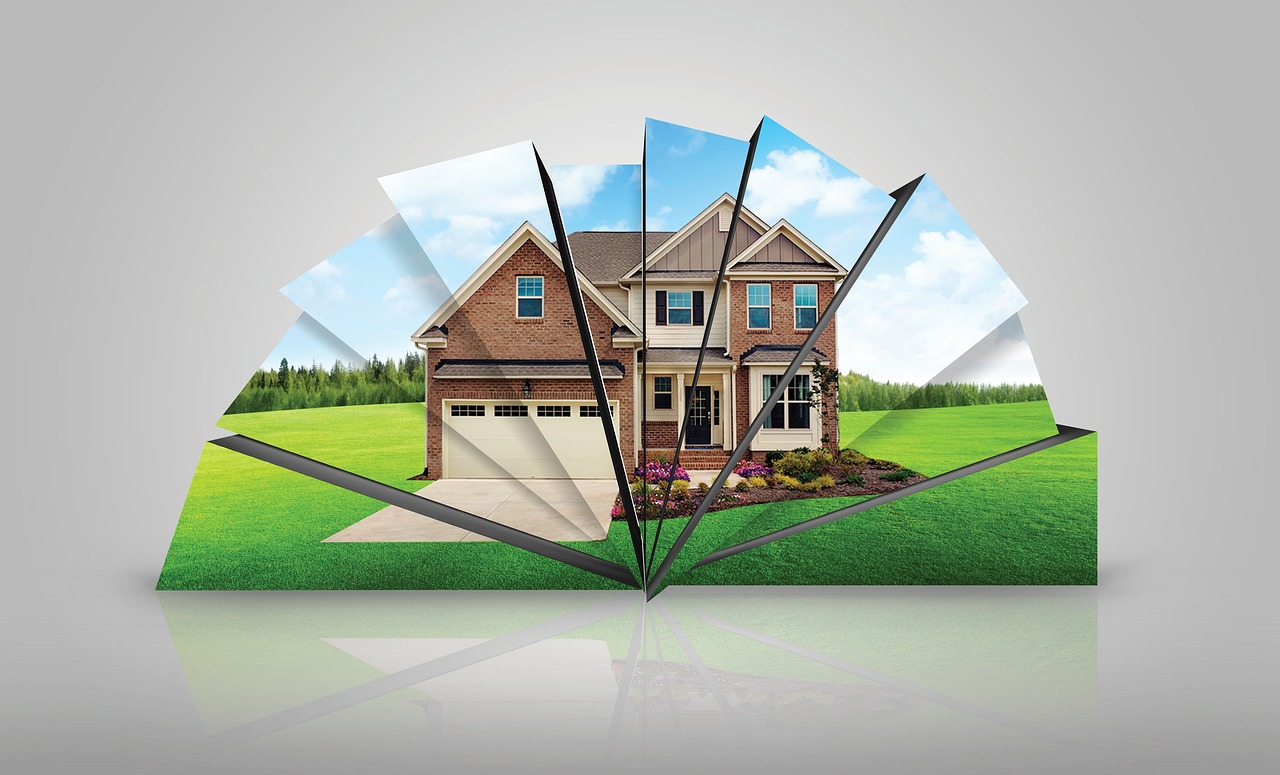
In today's evolving family structures, the concept of an ADU (Accessory Dwelling Unit) for multi-generational living has gained significant traction, offering a practical solution to accommodate diverse family needs. An ADU-for-multi-generational-living project goes beyond standard home renovations; it involves thoughtful design and planning to create a functional and comfortable space for multiple generations, often spanning across different age groups. This specialized approach requires a nuanced understanding of the unique challenges and benefits that come with bringing families together under one roof.
When considering the financing options for such a project, it's crucial to recognize the diverse needs of multi-generational families. Younger generations might prioritize energy-efficient features and modern amenities, while older family members may have specific accessibility and safety requirements. Licensed ADU contractors near me can play a pivotal role in this process, offering expertise in niche ADU designs tailored to these diverse preferences. These contractors, familiar with local building codes and regulations, can guide families through the design and construction phases, ensuring compliance and creating a seamless transition.
Community engagement is another vital aspect of successful ADU-for-multi-generational-living projects. Local community centers, churches, and neighborhood associations can serve as valuable resources, providing support and fostering a sense of belonging. Integrating ADUs into the community fabric can enhance social interactions and create intergenerational learning opportunities. Older family members might mentor younger ones in traditional skills, while shared community events can strengthen the sense of neighborhood cohesion. By involving the community from the outset, families can build a supportive network that enriches the living experience for all generations.
The financial aspects of these projects deserve careful consideration. State Housing Authorities and local programs like the Community Development Block Grant (CDBG) offer resources for affordable ADU development, making these projects more accessible to multi-generational families. Financial advisors specializing in real estate can provide guidance on financing options, including traditional loans, government-backed programs, or even innovative crowdfunding models. By exploring these diverse financing avenues, families can turn their vision of multi-generational living into a reality, creating lasting legacies and strengthening family bonds.
Benefits and Costs: A Multi-Family Perspective
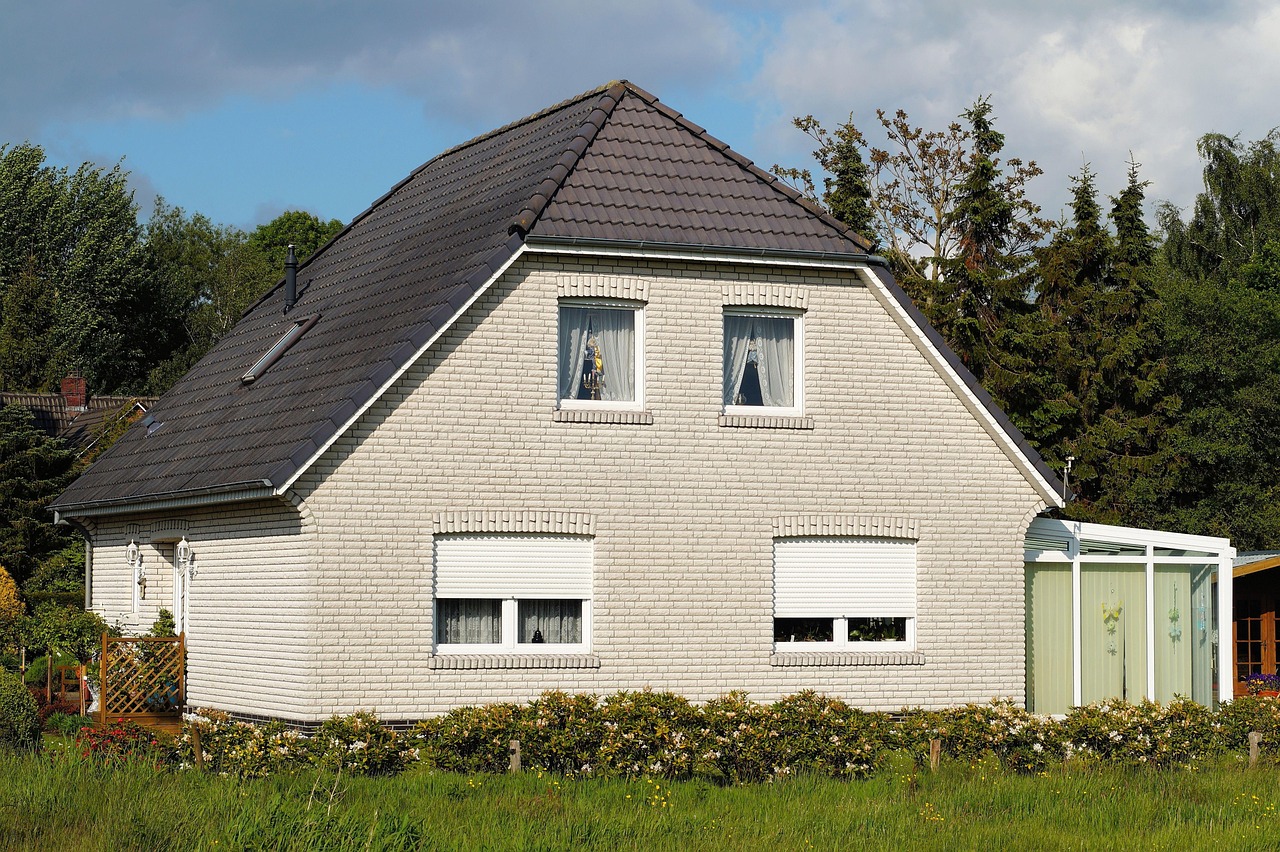
When considering an ADU for multi-generational living, understanding the benefits and costs is crucial. This type of project offers not only practical solutions for accommodating extended family members but also significant financial advantages. According to the National Association of Home Builders (NAHB) and US Department of Housing and Urban Development (HUD), intergenerational living arrangements are gaining popularity, driven by changing family dynamics and a desire for closer connections.
One of the key benefits is cost-saving. By converting an existing space into an ADU, families can avoid the high construction costs associated with new builds. This is especially valuable in areas where land and labor are expensive. A 2022 ADU Research Institute study found that retrofitting an existing garage or basement can be 30-50% cheaper than constructing a new addition. Property taxes and insurance may be lower for ADUs, as they are often considered part of the main residence.
Top-rated multi-gen ADU services can help navigate the legal and financial complexities. Local Building Departments and State Housing Authorities have specific codes and regulations for ADUs, which can differ widely by region. Financial Advisors can guide families through the best financing options, from traditional mortgages to government-backed loans like the Community Development Block Grant (CDBG). CDBG programs offer low-interest loans and grants to support affordable housing projects, making ADUs more accessible for low- to moderate-income families.
However, costs can also increase if the ADU requires significant structural changes or additions to meet modern safety and accessibility standards. It's essential to factor in potential expenses for electrical, plumbing, and HVAC systems. Location plays a significant role; in some areas, zoning laws might restrict the conversion of certain properties into ADUs. Therefore, consulting with Architectural Designers, Interior Designers, and Home Stagers early in the process can help create a functional and aesthetically pleasing space that maximizes the value of the project while adhering to local regulations.
Budgeting for Your ADU Project

Budgeting for Your Affordable Multi-Generational ADU
A well-planned budget is the foundation of a successful ADU project for multi-generational living. This type of project, designed to accommodate extended family, has unique financial considerations. Beyond the initial construction costs, budgeting for ongoing adu maintenance tips for long-term multi-gen living, such as regular inspections, repairs, and updates, is crucial. Consider the additional wear and tear on shared spaces like kitchens and bathrooms from multiple families. Top-rated multi-gen ADU services often factor these long-term expenses into their planning process.
The US Department of Housing and Urban Development (HUD) suggests that typical ADU construction costs range from $35,000 to $70,000, depending on location, size, and complexity. Keep in mind, these are estimates, and actual costs can vary significantly. Involving a qualified financial advisor is essential to create a budget that aligns with your specific needs and the needs of your multi-generational household. They can help explore various financing options, including traditional mortgages, home equity loans, or even government programs like the Community Development Block Grant (CDBG), designed to support affordable housing initiatives.
When budgeting, don't forget to factor in potential future modifications to accommodate changing family dynamics. From adding accessibility features for aging relatives to retrofitting for accessibility, these upgrades are important considerations for long-term ADU safety and quality assurance. The National Association of Home Builders (NAHB) emphasizes the importance of future-proofing your investment by incorporating adaptable design elements that can accommodate various life stages. Engaging with architects and designers experienced in ADUs for multi-generational living can provide valuable insights into cost-effective and practical design choices.
Traditional Loans: Mortgages and More

When considering how to fund your affordable multi-generational ADU project, traditional loans, like mortgages, offer a well-established path for many homeowners. These financing options are particularly relevant for intergenerational living solutions, as they can accommodate diverse family needs and budgets.
Mortgages, for instance, provide a substantial pool of capital for ADU construction, with options tailored to various credit profiles. Local banks and credit unions, often the first stop for borrowers, offer fixed-rate and adjustable-rate mortgages. These loans can cover both the ADU construction and any necessary renovations to the existing home, making them a comprehensive solution for aging in place while enhancing intergenerational living. A family might choose to convert a basement into a self-contained ADU, complete with a private entrance and kitchen, to accommodate an aging relative. A traditional mortgage could fund this project, ensuring the family's financial stability and comfort throughout the process.
Engaging with local ADU specialists near you can be invaluable when navigating these traditional loan options. These experts often have in-depth knowledge of the local market, including the potential for down payment assistance through programs like the U.S. Department of Housing and Urban Development's Community Development Block Grant (CDBG) or state-specific initiatives. Such assistance can significantly reduce the financial burden, making ADUs more accessible for multi-generational families. Understanding the available loan types and exploring these assistance programs alongside your ADU project will help ensure a successful and sustainable multi-generational living environment.
Alternative Financing: Options Beyond Banks

When exploring how to fund your ADU project for multi-generational living, going beyond traditional bank loans can open up a world of tailored financing options. Local adu specialists near me often recommend exploring alternative funding sources, especially for unique ADU designs that cater to the specific needs of multi-gen families. These alternatives can provide more flexible terms and better alignment with your project's goals.
Community-based financing is one such option gaining traction. Some organizations, like the US Department of Housing and Urban Development (HUD), offer grants and loans specifically designed to encourage affordable housing solutions, including ADUs. The Community Development Block Grant (CDBG) program can be a powerful tool for multi-gen ADU projects, providing funds for construction, renovation, and even property acquisition. Non-profit organizations and community development financial institutions (CDFIs) often partner with local governments to offer low-interest loans or microloans for ADU development, making them accessible to a broader range of families.
Another avenue to explore is crowdfunding. This method has seen significant growth with platforms dedicated to real estate projects. By sharing your ADU vision and budget through crowdfunding sites, you can tap into a community of individuals eager to invest in affordable, innovative housing solutions. Reviews and ratings of these platforms can help you choose the most reputable and successful ones. The ADU Research Institute has highlighted numerous successful crowdfunding campaigns for tailored ADU designs for multi-gen families, demonstrating the viability of this approach.
Lastly, consider reaching out to family and friends, or even local churches and community centers, for financial support. Many multi-gen families already share resources and space, so presenting your ADU project as a communal initiative can foster support and potentially secure the funding you need. Local adu specialists can provide guidance on navigating these alternative financing options, ensuring your multi-gen ADU project becomes a reality.
Tax Incentives for ADU Construction
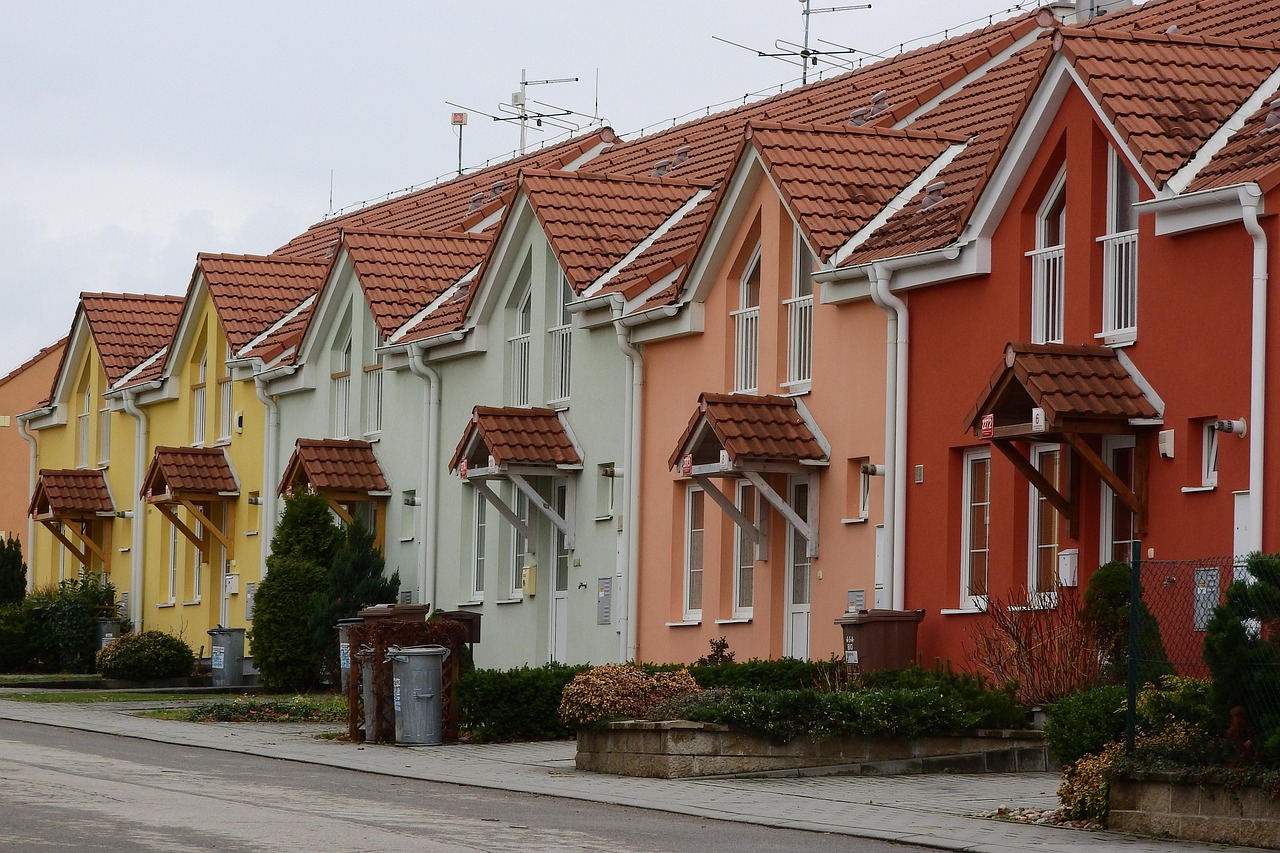
For funding an ADU project for multi-generational living, tax incentives can significantly reduce the financial burden. These incentives, designed to encourage home improvement and community development, offer a powerful tool for families looking to create more affordable housing options within their communities.
The US Department of Housing and Urban Development (HUD) and many state housing authorities provide tax credits and deductions for individuals and businesses investing in residential properties. For ADU projects, these can include tax credits for energy-efficient improvements, and, in some cases, tax exemptions on property taxes for rental units. When working with the best local ADU builders, it's crucial to understand these tax benefits and how they apply to your specific project.
Community engagement through ADU projects can achieve additional financial support. Local governments often offer grants, loans, and other assistance to encourage the development of affordable housing. Community Development Block Grants (CDBs) are a common source of funding for ADU projects, particularly those that prioritize community needs. Engaging with your local building departments and neighborhood associations can provide insights into these opportunities and help navigate the sometimes complex process of navigating building codes for ADU projects.
A practical example can illustrate the value of these incentives. Suppose a multi-generational family decides to convert a garage into an ADU to house their aging parents. Through careful planning and consultation with professionals, they can leverage tax credits for energy-efficient insulation and lighting, as well as potential property tax exemptions on the rental income generated by the ADU. This strategic approach not only reduces upfront costs but can also create a sustainable, long-term financial plan for the family's housing needs.
Grant and Subsidy Opportunities for ADUs

Funding an ADU project for multi-generational living can be a complex task, but understanding the available grants and subsidies can significantly ease the financial burden. These opportunities are crucial, especially for families looking to create affordable emergency shelter spaces or expand existing living arrangements. Many local and national organizations recognize the value of ADUs in supporting diverse family structures and offering solutions to housing challenges.
One prominent source for guidance is the US Department of Housing and Urban Development (HUD), which offers a range of programs catering to affordable housing. The Community Development Block Grant (CDBG) program provides funding for various community development activities, including ADU construction. These grants are administered at the local level by governments and non-profit organizations, ensuring funds reach the communities that need them most. Local Building Departments and State Housing Authorities play a vital role in facilitating these processes, offering technical assistance and ensuring ADU safety and quality assurance.
Another avenue to explore is the growing number of private and public partnerships focused on ADUs. The National Association of Home Builders (NAHB) has been instrumental in advocating for ADU-friendly policies and promoting the benefits of multi-generational living. Some organizations offer specific grants for ADU conversions, especially in areas where housing affordability is a pressing issue. Local ADU specialists near me might be aware of fund opportunities tied to sustainable living or urban renewal projects. These initiatives not only provide financial support but also contribute to the overall safety and quality of ADUs, addressing key concerns about construction standards and local zoning regulations.
When applying for grants and subsidies, it's essential to research and align your project with the specific criteria set by each program. This process may involve detailed applications, site visits, and eligibility verifications. Engaging with local ADU specialists, architects, and interior designers can provide invaluable guidance tailored to your specific needs. They can help understand funding opportunities, ensuring your adu-for-multi-generational-living project has the best chance of securing the financial support it requires.
Building Equity: Long-Term Financial Strategy

When planning for an adu-for-multi-generational-living project, building equity should be a central component of your long-term financial strategy. This approach allows you to not only cover immediate construction costs but also create a valuable asset that can support your family's needs for years to come.
One powerful way to achieve this is by leveraging the potential of an affordable multi-generational adu as an emergency shelter expansion. As the US Department of Housing and Urban Development (HUD) and the National Association of Home Builders (NAHB) recognize, these additional living spaces can provide crucial safety nets during unforeseen events, such as natural disasters or economic downturns. By strategically financing the construction of an adu, you can build equity that acts as a buffer against future financial shocks. A well-timed home renovation loan or a line of credit tied to the increased property value post-construction can provide the necessary capital without undue strain on your budget.
As families age, the need for senior-friendly, accessible housing becomes increasingly vital. Adus for aging in place, designed with input from architectural and interior designers who specialize in these needs, can be a significant long-term investment. The Community Development Block Grant (CDBG) program, administered by state and local housing authorities, offers grant opportunities to support affordable housing projects, including adus for multi-generational families. This public-private partnership can help offset the construction costs and make your adu project more financially feasible.
By combining these financing options and strategies, you can ensure that your adu-for-multi-generational-living project not only provides immediate housing solutions but also contributes to the long-term financial stability of your family. This proactive approach, grounded in careful planning and expert guidance, can transform your adu into an asset that supports your family through life's various stages, from raising children to caring for aging parents.
Frequently Asked Questions About How to Fund Your ADU Project: Financing Options for Multi-Generational Families
What is an affordable multi-generational ADU? An affordable multi-generational Accessory Dwelling Unit (ADU) is a separate, standalone residence added to a property, designed to accommodate multiple generations of a family under one roof. It offers a cost-effective solution for families seeking to live together, often including elders, young adults, and children. The goal is to provide private living spaces for each generation while fostering a sense of community.
How do I start planning for an ADU project? Begin by evaluating your family's needs and financial situation. Research local building codes and zoning regulations to ensure your ADU project is compliant. Consult with architects, builders, and financial advisors to explore design options and financing possibilities. Create a detailed budget, considering construction costs, permits, and potential utilities. Remember, planning is crucial to a successful ADU project.
What are the common financing options for ADU projects? Financing options include traditional mortgages, home equity loans, personal loans, and government-backed loans like the U.S. Department of Agriculture's (USDA) Rural Development Loan Program. Some banks and credit unions offer specialized ADU financing packages. You can also explore crowdfunding platforms or seek out grants and tax incentives designed to support multi-generational housing.
Can I use my home equity as collateral for an ADU loan? Yes, home equity loans are a popular choice for ADU financing. You can borrow against the equity built up in your primary residence, which typically requires a lower interest rate and flexible repayment terms. However, be mindful that if you're unable to repay the loan, the lender could foreclose on your primary home. It's essential to assess your risk tolerance and consult with a financial advisor.
Are there tax benefits to building an ADU for multi-generational families? Yes, certain tax benefits are available, especially when an ADU is used as a primary residence by a relative. The American Taxpayer Relief Act of 2012 allows for the exclusion of gain on the sale of an ADU, providing significant savings. Some states offer tax credits or deductions for energy-efficient features incorporated into the ADU. Check with your local tax authority for specific details.
How long does it typically take to secure financing for an ADU project? The financing process can vary, but most applicants receive a decision within a few weeks. The time frame depends on the lender, your financial situation, and the complexity of your project. Some lenders may require additional documentation, impacting the turnaround time. It's advisable to start the financing process early in your ADU project's planning stage.
Can I customize my ADU loan to fit my family's unique needs? Most loan programs offer flexibility in terms of repayment terms and interest rates. Some lenders might allow for custom loan structures, especially when there are multiple borrowers with varying credit profiles. It's crucial to shop around and compare loan offers to find the best fit for your multi-generational family.
Funding an affordable multi-generational ADU project requires strategic financial planning and leveraging various financing options. By understanding the benefits and costs, creating a detailed budget, and exploring both traditional and alternative financing methods, families can make informed decisions tailored to their needs. The article highlights the potential for significant savings through tax incentives, grants, and subsidies, as well as the long-term equity building benefits of ADU investment. Key takeaways include the importance of engaging with local building departments, state housing authorities, and financial advisors to navigate legal and financial complexities. Leveraging the expertise of architectural designers, interior designers, and property management companies can enhance the project's success and ensure a space that meets the unique needs of multi-generational living. Moving forward, families can take practical steps by researching available grants, consulting with financial experts, and exploring innovative financing models to turn their ADU dreams into reality.
An ADU for multi-generational living goes beyond standard renovations, requiring thoughtful design and planning to accommodate diverse family needs. Financing options include government-backed programs, community engagement, crowdfunding, and family support. Tax incentives, grants, and subsidies significantly reduce financial burdens, especially for affordable emergency shelters and sustainable living. Building equity through ADUs provides long-term financial stability, supporting families through life stages from raising children to aging in place.