In today's evolving family structures, the need for affordable multi-generational adu (accessory dwelling units) has become increasingly vital. As families grow, move, or age, the demand for flexible, integrated living spaces is rising. However, funding these projects can be a significant hurdle, especially for multi-generational families with diverse financial needs and goals. This article provides a practical guide to navigating the financial landscape of adu-for-multi-generational-living projects, offering insights into various financing options tailored to these unique situations. We'll explore legal considerations, design considerations, and community impacts, empowering families to make informed decisions and successfully fund their adu project.
- Understanding ADU for Multi-Generational Living
- Assessing Family Financial Needs and Goals
- Exploring Traditional Mortgage Options for ADUs
- Tax Benefits and Incentives for ADU Projects
- Government Grants and Subsidies for Affordable ADUs
- Crowdfunding and Community Lending for ADU Funding
- Leveraging Home Equity for Multi-Gen ADU Projects
- Building a Sustainable ADU Funding Plan for the Future
Understanding ADU for Multi-Generational Living
Understanding ADU for multi-generational living is a key step in successfully funding your project. These adaptable dwellings offer a unique solution for families seeking to live together, blending generations under one roof. The National Association of Home Builders (NAHB) and the US Department of Housing and Urban Development (HUD) recognize the growing importance of multi-gen living, with the ADU Research Institute highlighting its potential to address housing challenges, especially for aging caregivers.
This type of housing arrangement is not just a trend; it's a long-term commitment that requires thoughtful planning and financial management. Unlike traditional emergency shelter expansion, ADU for multi-gen living involves a more intricate process, requiring a deep understanding of local building codes and permit requirements. Engaging top-rated multi-gen ADU services can significantly simplify this journey. These professionals, often including architectural designers and interior designers, can guide families through the design process, ensuring the space meets the diverse needs of each generation.
When considering financing options, it's crucial to explore a range of possibilities. State Housing Authorities and local Community Development Block Grants (CDBs) offer resources for affordable ADU projects. Financial advisors specializing in real estate can provide valuable insights into tax incentives and loans tailored to multi-generational homes. Some banks have specific programs catering to multi-family dwellings, allowing for more flexible borrowing options. Understanding these financial tools is essential for families aiming to create a lasting, affordable living space for multiple generations.
Engaging with your community can achieve additional support. Local churches, community centers, and neighborhood associations may offer resources or even provide community-based financing models. These collaborative efforts can make ADU for multi-generational living more accessible, ensuring that families can thrive together in a safe and affordable environment.
Assessing Family Financial Needs and Goals

When considering an ADU for multi-generational living, assessing your family's financial needs and goals is a critical step. This process involves understanding not just the immediate costs of construction and renovation, but also long-term financial stability and the potential for future expenses. Think beyond the obvious-the cost of materials and labor-and consider the broader economic picture. An emergency shelter expansion might be a priority for some families, requiring dedicated funds.
Start by evaluating your current financial situation. Do you have savings that can be allocated for the project? Are there assets that can be leveraged, like a home equity line of credit or a second mortgage? The US Department of Housing and Urban Development (HUD) offers resources to help families understand their housing options and financial obligations. Consulting with a financial advisor can provide insights into managing debt and maximizing savings, ensuring the project aligns with your family's financial goals.
Next, consider the unique aspects of cost-effective multi-gen housing. Niche ADU designs tailored to your family's specific needs can enhance the space's functionality and value. Think about shared living areas, private bedrooms for each generation, and adaptable spaces that can accommodate changing family dynamics. These thoughtful designs not only create a comfortable environment but also can contribute to the long-term sustainability of the project. The National Association of Home Builders (NAHB) provides guidelines and examples of successful ADU projects, offering inspiration and practical advice for families embarking on a multi-gen housing expansion.
Lastly, don't underestimate the impact of community and local support. Local building departments and state housing authorities often have programs to assist with financing and construction. Community development grants, such as those offered through the Community Development Block Grant (CDBG) program, can provide essential funding for projects that benefit the community, including ADU for multi-generational living. Engaging with these resources can help offset the financial burden and make your ADU project more accessible.
Exploring Traditional Mortgage Options for ADUs
When considering an ADU for multi-generational living, understanding your financing options is crucial. Traditional mortgages, tailored to meet the unique needs of these households, can be a viable path to making your vision a reality. Unlike single-family mortgage options, these financing mechanisms are designed to accommodate shared spaces and diverse needs within one property.
Lenders are increasingly recognizing the significance of ADUs for multi-generational families, leading to a wider array of loan programs. These mortgages can fund the construction, renovation, or purchase of an ADU, ensuring the project aligns with your budget and timeline. The process involves careful communication with lenders about the specific details of your multi-generational living setup. Overcoming communication barriers here is key; clearly articulate the intended use of the ADU, the number of occupants, and any unique requirements. Same-day ADU estimates from lenders can provide immediate insights into project costs, helping you gauge affordability.
When selecting a traditional mortgage for your ADU project, consider the diverse range of designs tailored to multi-generational living. Niche ADU designs, optimized for space-saving and intergenerational connection, can be incorporated into your financing plans. These plans can accommodate the varied needs of different age groups, from private suites for older adults to shared living spaces for younger family members. By aligning your financing with your ADU design vision, you create a cohesive and functional living environment that enriches the lives of all family members.
Tax Benefits and Incentives for ADU Projects

When funding your ADU-for-multi-generational-living project, exploring tax benefits and incentives can significantly reduce costs and make your investment more feasible. The U.S. Department of Housing and Urban Development (HUD) and state and local governments offer a variety of programs designed to encourage the development of affordable housing, including ADUs. Some communities provide tax credits or grants for projects that meet specific criteria, such as being located in areas with a high need for affordable housing.
One of the most valuable tax incentives is the tax exemption on property taxes for ADU projects. Local governments may offer exemptions for a set period, typically ranging from 2 to 10 years, depending on the jurisdiction. Some states offer tax deductions for interest paid on loans used to finance ADU construction, providing an immediate cost-saving adu building tip. These incentives can vary widely, so it's crucial to consult with a Financial Advisor or the Local Building Department to understand what's available in your area.
Beyond direct financial assistance, choosing top-rated multi-gen adu services can help you navigate the regulatory landscape and ensure your project complies with local codes. Many of these services offer expertise in identifying and maximizing tax benefits, guiding you through the process to make sure you don't miss out on any readily available adu options. The ADU Research Institute provides resources and insights into the latest tax incentives, making it a valuable resource for families considering an ADU-for-multi-generational-living project. By leveraging these incentives, you can make your ADU project a more affordable and rewarding endeavor.
Government Grants and Subsidies for Affordable ADUs
For funding your adu-for-multi-generational-living project, exploring government grants and subsidies can significantly reduce the financial burden. These programs are designed to promote affordable housing and community engagement through adu construction, making them particularly valuable for families looking to add a sustainable and cost-effective living space for aging relatives or growing families.
The U.S. Department of Housing and Urban Development (HUD), in collaboration with local and state authorities, offers a range of grant opportunities tailored to affordable ADU projects. The Community Development Block Grant (CDBG) program provides funds for activities that support housing, community development, and economic opportunities. Many states and cities have their own programs that complement federal initiatives, further enhancing the availability of financial assistance. Engaging with local and state housing authorities is crucial to identifying the most relevant grants and understanding application processes.
Professional installation is a key factor in ensuring the safety and longevity of your ADU. While the initial cost may seem higher, the long-term benefits of quality construction are evident in reduced maintenance and potential property value increase. Sustainable ADU practices, such as energy-efficient design and the use of eco-friendly materials, not only benefit the environment but can also qualify your project for additional grants and rebates. Some utilities offer incentives for homes incorporating renewable energy sources or energy-saving features, further offsetting the initial investment.
Crowdfunding and Community Lending for ADU Funding
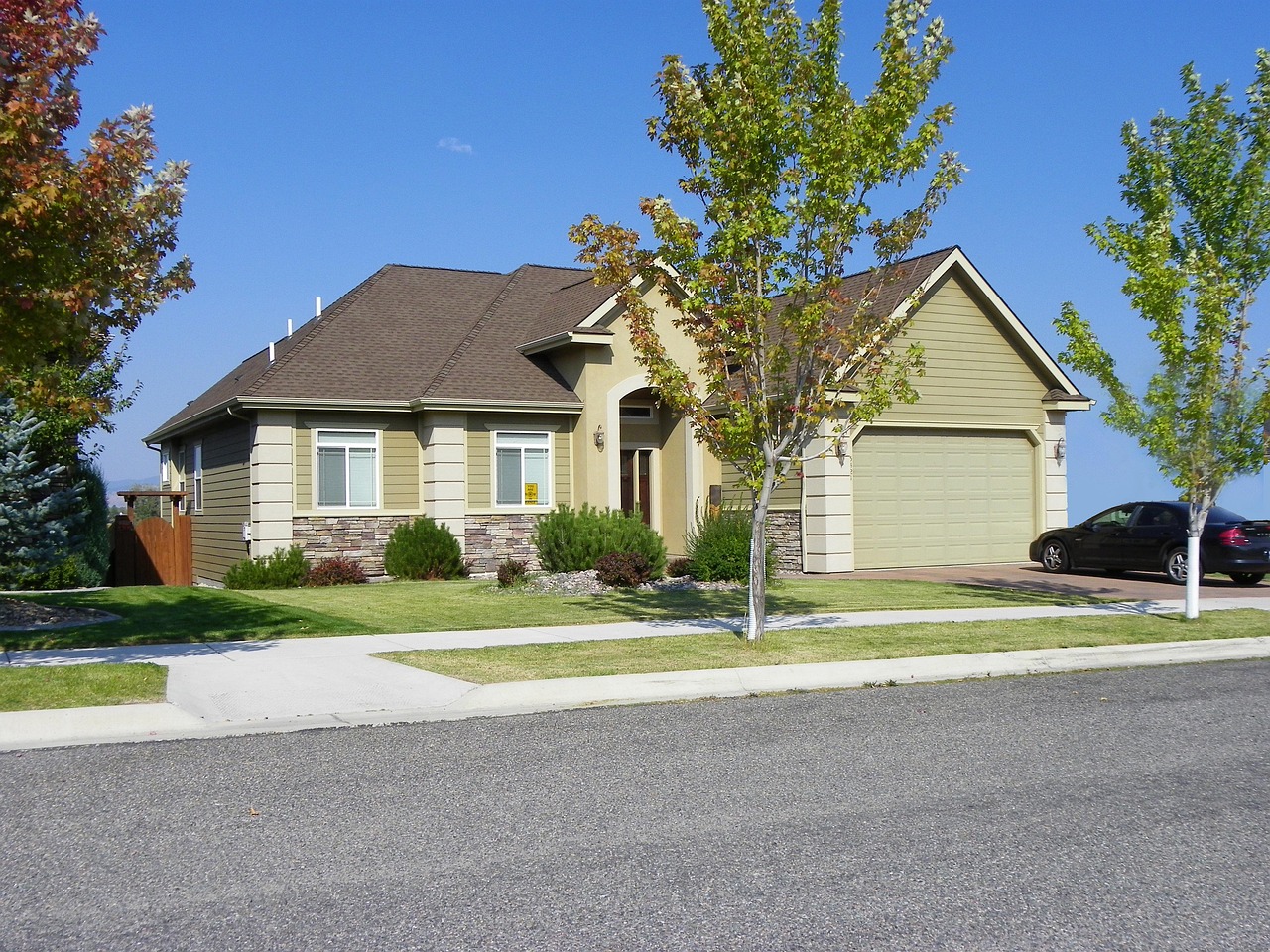
For families looking to create affordable housing for multi-generational living, traditional financing options may not always fit the bill. This is where innovative funding methods like crowdfunding and community lending step in, offering a more inclusive and community-driven approach to ADU-for-multi-generational-living projects. These strategies not only provide financial support but also foster a sense of community engagement through adus, enhancing the overall value and benefits of these caregiving solutions.
Crowdfunding platforms have emerged as powerful tools for funding various ventures, including ADUs. By sharing their project ideas and needs on these platforms, families can tap into a vast pool of potential donors and investors. Platforms like GoFundMe or Kickstarter allow for customizable funding campaigns, where individuals can contribute any amount they choose, often with a sense of pride and connection to the project's success. A family in need of an ADU to accommodate an aging relative might launch a campaign that highlights the project's benefits, such as enhanced family bonding and improved caregiving accessibility. This narrative approach can be highly effective, as it resonates with potential donors who may not be familiar with ADUs as caregiving solutions.
Community lending, on the other hand, involves borrowing funds from a group of people within the community, often with favorable terms compared to traditional loans. Local credit unions or community-focused lenders often facilitate these loans, encouraging community engagement and economic growth. A unique aspect of community lending is the potential for shared ownership or equity in the ADU, where the lender may become a partial owner of the property. This model not only provides funding but also fosters a sense of collective responsibility and investment in the project's success. A local church might lead a community lending initiative for an ADU that will house one of their members, ensuring both financial and social support for the project.
When considering these funding options, it's crucial to evaluate the specific needs and goals of the ADU-for-multi-generational-living project. Crowdfunding is ideal for projects with compelling narratives and a broad appeal, while community lending works best for initiatives with strong community ties. It's essential to research and choose reputable platforms or lenders to ensure a transparent and positive experience. By exploring these alternative financing methods, families can navigate the funding landscape with more flexibility and community support, ultimately making their ADU dreams a reality.
Leveraging Home Equity for Multi-Gen ADU Projects

When funding your ADU for multi-generational living project, leveraging home equity is a powerful strategy that can provide the necessary capital without breaking the bank. This method allows homeowners to tap into the value they've built up in their property, offering a more accessible and often lower-cost alternative to traditional loans. The process involves assessing your home's current market value and the potential equity available for extraction. This equity can then be used as collateral for a loan specifically tailored to your multi-gen ADU design needs.
Tailored ADU designs for multi-generational families are a key consideration here. These projects often require unique spaces that cater to diverse ages and needs, from private suites for aging relatives to shared living areas for adult children. By securing a loan based on your home's equity, you can afford these specialized designs, ensuring your ADU becomes a functional and harmonious addition to your family home. A family might use a portion of their home equity to fund an ADU with a multi-purpose room, allowing grandparents to live independently while still being part of the family unit.
Community engagement through ADUs is another advantage of this financing approach. By strategically using home equity, families can create an ADU that not only supports their multi-generational living goals but also contributes to the local community. An ADU could house a community support program for aging adults, fostering intergenerational connections. With careful planning and the right financing, these projects can thrive. However, it's crucial to consider the long-term implications, including maintenance and caregiving needs. ADU maintenance tips for long-term multi-gen living, such as energy-efficient design and durable materials, should be incorporated into the initial planning to ensure the space remains functional and affordable over time.
Local building departments and financial advisors play a vital role in this process. They can guide you through the steps of assessing home equity, choosing the right loan terms, and ensuring compliance with local regulations. Engaging with these professionals early on can help you navigate the complexities of financing your ADU project, ultimately leading to a successful and fulfilling multi-generational living space.
Building a Sustainable ADU Funding Plan for the Future

Funding a multi-generational living ADU (Accessory Dwelling Unit) project requires a thoughtful, long-term strategy to ensure sustainability and prepare for unexpected expenses, especially when considering its role as a potential emergency shelter expansion. While readily available ADU options like construction loans or personal lines of credit can be suitable for short-term needs, a comprehensive funding plan should account for the unique challenges of this type of project.
A key aspect is understanding the long-term value and potential return on investment. The US Department of Housing and Urban Development (HUD) and the National Association of Home Builders (NAHB) recognize the benefits of ADUs for aging in place and multi-generational living. By strategically incorporating ADU into a property's overall design and layout, families can create a functional, safe, and cost-effective solution. A well-planned ADU can serve as a future rental income source, offsetting mortgage costs or even generating a profit upon sale.
Quality assurance and safety are paramount, especially as the ADU may need to accommodate aging family members or those with special needs. Engaging reputable contractors, architectural designers, and interior designers who are experienced in ADU construction ensures compliance with local building codes and accessibility standards. Financial advisors can provide valuable guidance on tax benefits and long-term cost savings, helping families make informed decisions. State Housing Authorities and Local Building Departments offer resources and incentives, such as Community Development Block Grant (CDBG) funds, to encourage the development of safe, affordable housing options, including ADUs. Regularly reviewing and updating the funding plan as the project progresses is essential to adapt to changing needs and market conditions, ensuring a sustainable ADU-for-multi-generational-living solution.
Frequently Asked Questions About How to Fund Your ADU Project: Financing Options for Multi-Generational Families
What is an ADU, and why is it beneficial for multi-generational families?
An Accessory Dwelling Unit (ADU) is a secondary residential space, often a separate apartment or studio, located on a property. It's a popular option for multi-generational families as it allows for increased living space, generates rental income, and provides a more independent living environment for aging relatives or young adults returning home. This setup promotes intergenerational connections while offering financial benefits and flexibility.
How does financing an ADU project work, and what are the options available?
Financing an ADU project can be approached in several ways. Traditional mortgages are an option, allowing you to borrow against the equity in your primary residence. Home equity loans or lines of credit are also viable, providing funds based on the available equity. There are specialized programs like the U.S. Department of Agriculture (USDA) loan programs, designed to encourage rural development, which can be advantageous for multi-generational families looking to build in specific areas.
Are there any tax benefits associated with financing an ADU?
Absolutely. The IRS offers several tax advantages for ADUs. Rental income from an ADU is typically taxable, but there are deductions available for mortgage interest, property taxes, and certain expenses. If the ADU is used as a primary residence by a family member, some of the costs may be tax-deductible. Consulting a tax professional is advisable to understand the specific benefits for your situation.
What role does credit history play in securing financing for an ADU?
Credit history is a significant factor in securing financing. Lenders will assess your creditworthiness based on your credit score and history. A strong credit profile increases your chances of obtaining a mortgage or loan with favorable terms. However, even with less-than-perfect credit, options are available. Alternative financing sources, such as personal loans or loans from family/friends, can be considered, but they may come with higher interest rates.
Can multi-generational families pool resources to finance an ADU?
Pooling resources is a common and effective strategy for multi-generational families. Combining savings, investments, or even inheriting funds can significantly contribute to the project's financing. This collaborative approach ensures that the financial burden is shared, making it more manageable for each family member. It's essential to have clear agreements and plans in place to avoid misunderstandings.
What are some maintenance and operational costs to consider for an ADU?
While an ADU can provide cost savings in the long run, there are ongoing expenses to account for. These include property taxes, insurance, utility bills, and maintenance costs, which can vary based on the size, age, and location of the ADU. It's crucial to factor these into your financial planning to ensure the project remains sustainable and profitable. Regular maintenance and efficient use of resources can help keep costs low.
As families evolve and multi-generational living becomes more prevalent, funding an ADU for multi-generational living is a strategic move to accommodate diverse needs. This article has navigated various financing avenues, highlighting the importance of tailored planning. By understanding family financial goals, exploring traditional mortgages, and taking advantage of tax benefits and government incentives, families can create sustainable ADU funding plans. Innovative options like crowdfunding and leveraging home equity demonstrate the diverse range of possibilities.
The key takeaway is that informed financial decisions are crucial. By assessing family needs, exploring various funding sources, and leveraging existing assets, multi-generational households can successfully fund their ADU projects. This comprehensive approach ensures not only the realization of living spaces tailored to diverse generations but also long-term financial stability.
Next steps for readers include:
- Consulting with financial advisors to assess specific needs and goals.
- Researching local government grants and community development programs.
- Engaging with professionals like architectural designers and property managers to conceptualize the ADU.
- Staying informed about tax laws and incentives to maximize savings.
ADUs for multi-generational living offer a flexible and rewarding solution, and with the right funding strategy, families can turn this vision into reality.
Successfully funding an ADU for multi-generational living requires a multi-faceted approach. This includes understanding local building codes, engaging professionals for design and construction, exploring diverse financial tools, and leveraging community support. By assessing financial needs, considering long-term sustainability, and embracing innovative funding methods like crowdfunding and home equity loans, families can create safe, affordable, and functional ADUs tailored to their multi-gen living goals. Engaging with local and state housing authorities, reviewing funding plans regularly, and prioritizing quality construction are essential for a successful project that benefits both family and community.