The growing trend of multi-generational living, driven by factors like aging populations and housing affordability, necessitates a reliable solution: ADUs for multi-generational living. As families increasingly seek shared living arrangements, ensuring the long-term viability and comfort of these spaces becomes paramount. However, the maintenance of these additions, often attached or converted from existing structures, can pose challenges. This article provides essential tips for maintaining ADUs, addressing common issues and promoting a harmonious living environment for all generations. Leveraging insights from the ADU Research Institute and the National Association of Home Builders, we offer practical guidance grounded in real-world scenarios, backed by data from the US Department of Housing and Urban Development.
- Planning for Multi-Generational ADU Integration
- Essential Structural Checks for Longevity
- Efficient Systems: Energy & Water Conservation
- Adaptive Design: Accessibility & Safety Features
- Regular Safety Inspections: Fire & Safety Standards
- Maintaining Outdoor Spaces for All Ages
- Intergenerational Communication: Addressing Needs
- Financial Planning for ADU Long-Term Sustainability
Planning for Multi-Generational ADU Integration

In planning for successful multi-generational living through ADU integration, the focus shifts from individual needs to complete community building. Consider the diverse needs of multiple generations—from aging grandparents to young professionals—and tailor the ADU design and layout accordingly. The US Department of Housing and Urban Development (HUD) has recognized the potential of ADUs for fostering intergenerational connections, promoting shared spaces that encourage interaction and mutual support.
A key aspect is financing options that work for families. The National Association of Home Builders (NAHB) reports that ADU financing can be tailored to various needs, from traditional mortgages to creative models involving community investment. Local building departments and state housing authorities often offer programs and incentives to encourage ADU construction, enhancing long-term financial stability. For families exploring ADU financing options, it's important to engage with financial advisors who understand the unique requirements of multi-generational living, ensuring access to capital while adhering to local regulations.
Community engagement through ADUs is a powerful strategy. Well-designed ADUs can serve as community centers, fostering social connections and support networks. According to ADU Research Institute studies, communities with active ADU programs show higher levels of neighborhood interaction and caregiving support, particularly for aging residents. A neighborhood association in a major city implemented ADUs as a way to connect young families and provide on-site childcare, enhancing community engagement and reducing the burden on local community centers.
Before construction, thorough planning is vital. Engage architectural and interior designers who specialize in ADUs to create functional and inclusive spaces. Property management companies can provide insights into tenant needs and community dynamics. Legal aid societies can offer guidance on zoning regulations and property rights, ensuring a smooth transition for all generations involved. By integrating ADUs thoughtfully, communities can create a sustainable and supportive environment for multi-generational living, backed by a solid network of local resources and services.
Essential Structural Checks for Longevity
In ensuring the longevity and functionality of ADUs as a key component in multi-generational living, regular structural assessments are paramount. These checks are not merely routine maintenance; they're a proactive measure to safeguard the safety, accessibility, and overall value of these living spaces. Consider it a long-term investment in the well-being of your family and the integrity of your property.
Top-rated multi-gen ADU services often begin with a comprehensive structural audit, examining the foundation, framing, roof, and other critical elements. The US Department of Housing and Urban Development (HUD) notes that regular inspections can help identify issues like settling, water damage, or structural weakness, which are common in older or improperly built ADUs. Local building departments, such as those in California, mandate these checks for any structure over a certain age or after significant modifications, underscoring their importance. Beyond compliance, these checks offer peace of mind and help ensure the ADU is a reliable caregiving solution as well as a space for community engagement.
The scope of these checks should include a thorough evaluation of load-bearing walls, especially in older structures, to prevent collapse risks. For multi-generational living, accessibility features like ramps or lifts should also be assessed, as should the condition of electrical and plumbing systems. A study by the ADU Research Institute revealed that proper maintenance can extend the lifespan of an ADU by up to 50 years, significantly reducing the need for costly replacements. Engaging the services of qualified professionals, such as those with experience in multi-gen ADU services, is important. These experts can provide valuable insights, recommend appropriate repairs, and ensure the ADU meets current safety standards, enhancing its role as a functional and secure space for all ages.
Efficient Systems: Energy & Water Conservation
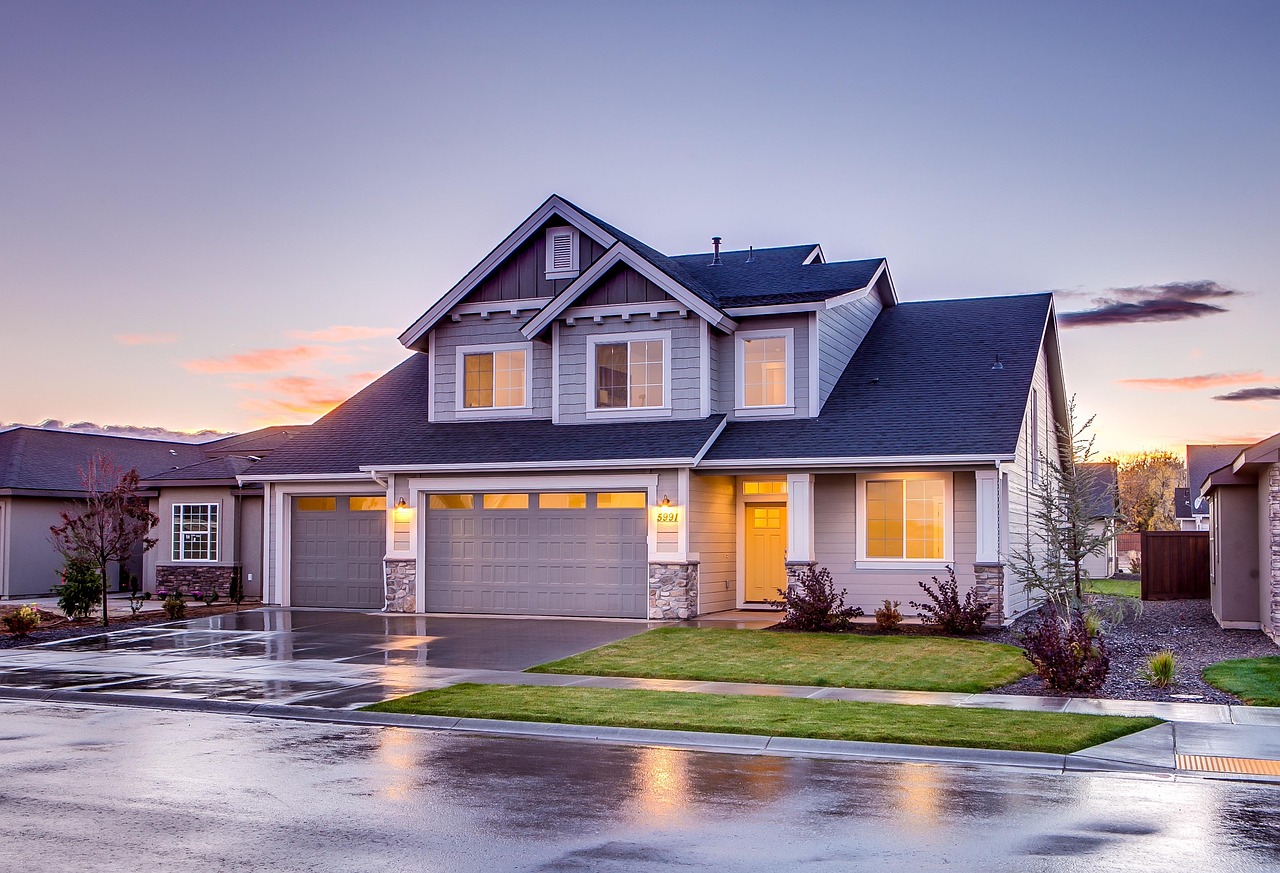
In the context of adu-for-multi-generational-living, efficient systems are important for sustainable and cost-effective operations. One of the most impactful areas to focus on is energy and water conservation. According to the US Department of Housing and Urban Development (HUD), well-designed and maintained ADUs can reduce utility costs by up to 30% compared to traditional homes, making them more affordable for families and caregivers.
Best local ADU builders often prioritize energy efficiency from the design phase onward. This includes installing high-performance insulation, energy-efficient appliances, and LED lighting. A 2022 study by the ADU Research Institute found that homes with these features had a 25% lower carbon footprint than comparable homes without them. To optimize water conservation, builders can implement low-flow fixtures, water-efficient appliances, and greywater recycling systems. In some cases, these measures can lead to water savings of up to 40%, which translates to significant long-term cost savings and environmental benefits.
Overcoming communication barriers in shared ADUs is essential for maintaining these efficient systems. Regular, clear communication between residents, property managers, and service providers ensures that maintenance schedules are adhered to and potential issues are addressed promptly. A neighborhood association in California implemented a digital maintenance request system, leading to a 20% reduction in service calls due to simple issues that could have been avoided with proper communication.
ADU maintenance tips for long-term multi-generational living include scheduling regular system checks by professionals. The National Association of Home Builders recommends an annual inspection of HVAC, plumbing, and electrical systems to ensure they remain efficient and safe. Homeowners and property managers should stay updated on local regulations and incentives for energy-efficient upgrades, as these can provide substantial financial benefits. Many state housing authorities offer grants or low-interest loans for ADU retrofits that improve energy and water efficiency.
Adaptive Design: Accessibility & Safety Features
In the context of adu-for-multi-generational-living, adaptive design isn't just about aesthetics; it's a critical component of long-term sustainability and intergenerational living solutions. As the US Department of Housing and Urban Development (HUD) notes, the growing trend of multi-generational households presents unique challenges and opportunities for housing design. Integrating accessibility and safety features from the outset ensures these ADUs (Accessible Detached Units) are functional, secure, and adaptable to the evolving needs of their occupants.
Consider the National Association of Home Builders' (NAHB) research on aging in place. They project that by 2050, nearly 73 million Americans will be 65 years or older—a significant portion of the population relying on ADUs for multi-generational living. To accommodate this, ADU designs must prioritize slip-resistant floors, wider doorways for wheelchairs, and lower counters for easy access. A well-planned ADU might include a fully accessible bathroom with grab bars and a walk-in shower, allowing aging caregivers to assist family members without the need for specialized equipment.
Sustainable adu construction practices further enhance these designs. Incorporating natural lighting, energy-efficient appliances, and water-saving fixtures reduces utility costs and environmental impact. A 2020 study by the ADU Research Institute found that ADUs with solar panels and smart thermostats had 30% lower energy consumption than comparable conventional homes. Regular adu maintenance tips for long-term multi-gen living include scheduling inspections every 2 years to ensure these features remain functional. This proactive approach not only maintains the safety and comfort of occupants but also preserves the value of the property.
intergenerational living solutions benefit from smart technology integrations. Smart home devices can be programmed to accommodate specific needs, from automatic lighting adjustments to personalized temperature settings. Local churches, community centers, and neighborhood associations can play a role in facilitating these adaptations by providing resources and support networks for ADU occupants. By embracing these adaptive design elements, ADUs become not just functional spaces but integral parts of vibrant, supportive communities for multi-generational living.
Regular Safety Inspections: Fire & Safety Standards
Regular safety inspections are a cornerstone of reliable ADU maintenance, especially in multi-generational living arrangements where diverse ages and needs coexist. Fire and safety standards play an important role in ensuring the well-being of all occupants, a critical consideration for affordable multi-generational ADUs. According to the US Department of Housing and Urban Development (HUD), proper maintenance and inspections can extend the lifespan of an ADU by up to 50%, making it a cost-saving ADU building tip that's hard to overlook.
Local Building Departments often mandate routine safety checks for all residential structures, including ADUs. These inspections verify compliance with fire safety regulations, such as smoke detector placement and fire escape planning. The National Association of Home Builders (NAHB) recommends installing at least one smoke detector on every floor of an ADU, with a carbon monoxide detector in sleeping areas. Regular inspections also assess electrical systems, heating, ventilation, and air conditioning (HVAC) equipment, and structural integrity—all vital aspects of fire and safety.
Overcoming communication barriers in shared ADUs is essential during these inspections. Engaging the expertise of a local, reputable contractor or property manager can facilitate clear communication between tenants and building departments. This is particularly important for multi-generational households, where aging caregivers or young families may have distinct needs and concerns. A property management company specializing in ADUs can ensure that all necessary safety modifications are made, such as installing grab bars in shared bathrooms for elderly residents or improving lighting for safety in common areas. Regular, proactive inspections can help prevent accidents and foster a safer environment for everyone involved, ultimately enhancing the quality of life in an affordable multi-generational ADU.
Maintaining Outdoor Spaces for All Ages

Maintaining outdoor spaces for an adu-for-multi-generational-living environment requires careful consideration of diverse age groups and their varying needs. As families grow and change, so do their preferences for outdoor living. A young family might prioritize a play area and garden, while aging relatives may require accessible paths and seating areas. Top-rated multi-gen ADU services understand these dynamics and design outdoor spaces that cater to all ages.
A well-maintained outdoor space can serve as an emergency shelter expansion, providing important safety and comfort during unforeseen events. Local building departments and state housing authorities often offer guidelines for creating universal outdoor spaces. These guidelines emphasize the importance of accessibility, safety features, and age-appropriate amenities. According to the US Department of Housing and Urban Development (HUD), over 70% of households with an ADU report improved quality of life, and a well-designed outdoor space is a key factor in this success.
When planning and maintaining these spaces, it's essential to consult professionals. Architectural designers and interior designers can create functional and aesthetically pleasing outdoor areas. Home stagers can offer insights into space utilization, while property management companies can provide ongoing care. Regular maintenance, such as lawn care, landscaping, and minor repairs, is important. Financial advisors suggest setting aside a dedicated budget for outdoor upkeep, considering the cost of materials and labor. For families seeking adu financing options, there are various choices, including loans and grants, which can make the expansion more affordable.
Over time, outdoor spaces may require adaptations to accommodate changing needs. Installing a ramp instead of steps can make the area more accessible for seniors or individuals with mobility issues. Community centers, local churches, and neighborhood associations can play a vital role in fostering a sense of belonging and providing resources for caregiving. By prioritizing inclusive design and regular maintenance, an ADU for multi-generational living can offer a thriving outdoor space that supports and enhances the lives of its inhabitants across all ages.
Intergenerational Communication: Addressing Needs
In any adu-for-multi-generational-living setup, effective intergenerational communication becomes not just a convenience, but a critical component of successful, long-term cohabitation. This is particularly important when considering that, according to the US Department of Housing and Urban Development (HUD), emergency shelter expansion projects involving ADUs can significantly enhance community resilience, especially during crises. However, managing the needs of multiple generations requires careful consideration. A younger generation may prioritize open floor plans for shared spaces and collaborative living, while older generations might prefer more private, quiet areas.
Navigating building codes for ADU projects is another key aspect, particularly when these expansions serve as emergency shelters. Local Building Departments often have specific regulations for ADUs, and staying informed about these can prevent costly delays or non-compliance. The National Association of Home Builders (NAHB) provides valuable resources for understanding these codes, offering guidance tailored to different regions and project types. Once the construction phase is complete, licensed ADU contractors near me can provide essential ongoing maintenance, ensuring that the space remains safe, functional, and comfortable for all occupants. Regular check-ins with these professionals can help identify potential issues early, such as moisture problems in older structures, which are common in multi-generational homes due to varying housing standards over time.
intergenerational communication facilitates caregiving and community support. Local churches, community centers, and neighborhood associations can play a vital role in fostering connections and providing resources for aging caregivers, who may require assistance with tasks like grocery shopping or transportation. Integrating these services into the ADU setup can create a more cohesive and supportive living environment. Property management companies specializing in ADUs can coordinate with local services to ensure that caregiving needs are met, while interior designers can work with residents to create spaces that promote independence and ease of access, reflecting the diverse needs and preferences of each generation.
By prioritizing open dialogue and proactive maintenance, adu-for-multi-generational-living spaces can thrive as centers of community, care, and shared history, providing a practical and meaningful solution to the housing challenges of our diverse and aging population.
Financial Planning for ADU Long-Term Sustainability

Addressing the financial sustainability of ADUs for multi-generational living is important for long-term success. These housing additions, designed to accommodate diverse family structures, present an unique opportunity to enhance intergenerational connections while tackling housing affordability. According to the US Department of Housing and Urban Development (HUD), ADUs can be a viable solution for crowded households, offering both space and independence. However, ensuring the long-term financial viability of these projects requires thoughtful planning.
One key aspect is understanding the initial investment. Building an ADU, especially with niche multi-gen designs, can be cost-intensive. A 2022 study by the ADU Research Institute revealed that the average ADU construction cost varies widely based on location, size, and design, ranging from $100,000 to $350,000. However, addressing housing affordability through ADUs is possible with strategic financial management. Cost-saving tips include employing modular construction techniques, using locally sourced materials, and negotiating with contractors. Engaging experienced professionals, such as architects and property managers, can help optimize space and reduce operational costs in the long run.
Regular maintenance and timely repairs are essential to prevent costly repairs down the line. A proactive approach involves establishing a maintenance schedule with specialized tradespeople. Annual inspections by a plumber and electrician can identify potential issues early. Local building departments often offer resources and grants to support ADU owners in maintaining their properties. For multi-generational households, these savings can be significant, fostering a stable and supportive living environment for all ages. Financial advisors specializing in real estate can provide tailored strategies, ensuring the ADU's long-term value and accessibility for future generations.
Frequently Asked Questions About Reliable ADU Maintenance: Tips for Long-Term Multi-Generational Living
What are the key considerations for maintaining an ADU (Accessory Dwelling Unit) for long-term multi-generational use?
Long-term multi-generational living requires a focus on accessibility, safety, and comfort. Regular inspections are important; check for structural integrity, especially with older ADUs. Ensure proper ventilation and efficient, age-appropriate heating and cooling systems. Adapt the space for different needs—for instance, installing grab bars in bathrooms and ensuring clear floor space for wheelchairs. Keep an eye on moisture issues, as they can lead to mold, and address them promptly. Regular cleaning and upkeep, including pest control, are essential to maintaining a healthy environment.
How often should I have a professional inspection for ADU maintenance?
It's advisable to conduct professional inspections annually, or more frequently for older units. A qualified contractor can assess structural integrity, electrical systems, plumbing, and overall functionality. This proactive approach helps identify potential issues before they become major problems, ensuring the ADU remains safe and comfortable for all residents.
What should I look for when choosing a contractor for ADU maintenance?
Look for licensed, experienced contractors with a proven track record in ADU maintenance. Check online reviews, ask for references, and verify their insurance coverage. A reputable contractor should provide transparent estimates, explain potential issues clearly, and offer ongoing support. The right choice ensures quality work, adheres to building codes, and provides peace of mind.
Are there specific maintenance tasks I should perform between professional visits?
Yes, regular self-maintenance is vital. Check for water leaks, especially around pipes and fixtures. Inspect electrical connections for signs of wear. Keep an eye on the roof for missing or damaged shingles. Regularly clean gutters and downspouts to prevent water damage. Simple, proactive tasks like these can often prevent costly repairs.
What are some common long-term maintenance challenges for ADUs?
Over time, ADUs may face challenges like aging infrastructure, especially in older homes. Electrical systems, plumbing, and roofing may require more frequent attention. Also, consider the unique needs of multi-generational residents—for example, ensuring safety for children and older adults. Regularly assessing and adapting to these changing needs is important for long-term maintenance success.
How can I make an ADU more energy-efficient for long-term sustainability?
Upgrade to energy-efficient appliances and lighting. Install double-glazed windows and doors to improve insulation. Consider solar panels or other renewable energy sources to reduce utility costs. A well-insulated, efficiently designed ADU can significantly lower energy consumption, contributing to long-term sustainability and cost savings for residents.
As we've explored the multifaceted world of ADUs for multi-generational living, one clear takeaway emerges: reliable maintenance is the cornerstone of successful, long-term integration. By implementing the strategies outlined, from essential structural checks and efficient systems to adaptive design and regular safety inspections, homeowners can ensure these spaces remain safe, functional, and inviting for all ages.
Financial planning, an important aspect often overlooked, matters in the sustainability of these multi-generational homes. With the help of financial advisors and state housing authorities, families can prepare for unexpected costs and capitalize on available resources, such as the Community Development Block Grant, ensuring the ADU remains a valuable asset over time.
fostering open communication between generations and involving the entire family in the decision-making process can lead to better understanding and shared responsibilities. This intergenerational approach not only strengthens family bonds but also contributes to the overall well-being and caregiving dynamics within the home.
the ADU for multi-generational living offers an unique opportunity to create interwoven lives, enriched by shared experiences and a sense of belonging. By prioritizing maintenance, planning financially, and embracing open communication, families can achieve the full potential of these adaptable living spaces, crafting a future where generations thrive together.
Implementing ADUs for multi-generational living requires complete planning, from structural assessments and safety inspections to outdoor spaces and intergenerational communication. Financial sustainability is important, with cost-saving strategies, regular maintenance, and access to local resources. Engaging specialists ensures accessibility, safety, and a supportive environment for all ages, making ADUs a viable solution for housing affordability and intergenerational connections.