
As the demand for affordable housing continues to grow, the adu-for-multi-generational-living has emerged as a viable solution, offering a way to accommodate diverse family members and support long-term, intergenerational living. However, ensuring the reliability and longevity of these additional units presents a challenge. This article provides essential insights and practical tips for maintaining ADUs in the context of multi-generational living, focusing on long-term sustainability and the unique needs of diverse households. By exploring legal considerations, design strategies, community integration, and efficient service management, we equip readers with the knowledge to maintain safe, comfortable, and functional ADUs for years to come.
- Understanding ADU Integration for Multi-Gen Homes
- Essential Maintenance Checks for Longevity
- Safety First: Fire, Electrical, and Access Considerations
- Waterproofing and Moisture Control Strategies
- Insulation for Energy Efficiency and Comfort
- Regular Roof, Plumbing, and Exterior Maintenance
- Interior Upkeep: Paint, Floors, and Fixtures
- Adaptive Design for Changing Family Needs
Understanding ADU Integration for Multi-Gen Homes
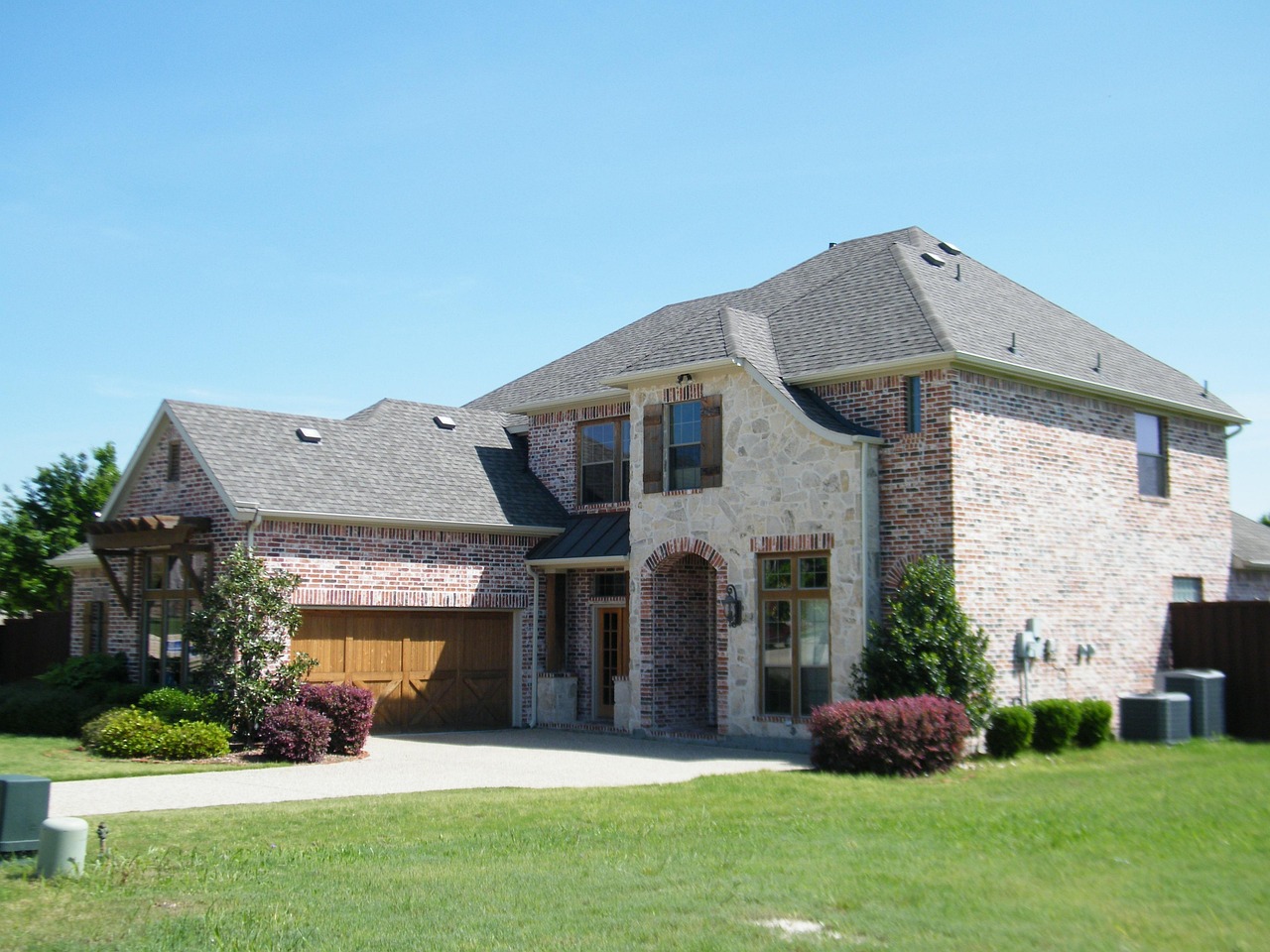
In an era of multi-generational households, the affordable multi-generational adu (accessory dwelling unit) has emerged as a key solution for families seeking cost-effective multi-gen housing. Integrating an ADU seamlessly into a multi-generational living space requires careful planning and consideration, as it must serve the needs of diverse family members while enhancing the overall home value. The National Association of Home Builders (NAHB) emphasizes that successful ADU design fosters intergenerational connections while maintaining privacy and functionality for each generation.
One of the first steps in achieving this balance is understanding the diverse needs of the family. Younger adults returning home to live with parents might require space for personal study or work, while aging relatives could need accessible features and assistance with daily tasks. Architectural designers play a crucial role here, creating layouts that cater to these varied needs. The US Department of Housing and Urban Development (HUD) highlights the importance of universal design principles, ensuring the ADU is functional for all ages and abilities. This includes features like wide doorways, slip-resistant floors, and clear, open spaces that facilitate mobility and caregiving.
Cost-effective multi-gen housing through ADU integration can also be achieved by leveraging local resources. Many communities offer same-day adu estimates, allowing families to gauge potential expenses quickly. Financial advisors recommend that property owners consider the long-term benefits of ADU investment, such as increased property value and reduced caregiving costs. Local building departments can provide guidance on permits and codes, ensuring the ADU meets safety standards. State housing authorities and legal aid societies offer resources to help families navigate the legal and financial aspects of ADU construction, making it a viable option for affordable multi-generational living.
Essential Maintenance Checks for Longevity

Creating a reliable, long-term adu-for-multi-generational-living environment requires a proactive maintenance strategy. Essential maintenance checks are not just about fixing issues as they arise; they're about ensuring the structural integrity and comfort of the space for years to come. Regular inspections and routine tasks are key, especially in an affordable multi-generational adu where different generations may have distinct needs and preferences.
Focus on key areas like the roof, plumbing, and electrical systems. A leaky roof can cause significant damage and create an unhealthy living environment. Regular roof inspections, especially after severe weather, can help catch these issues early. For plumbing, consider setting up a schedule for checking for leaks and ensuring water pressure is within safe limits. Older plumbing may require more frequent attention. Similarly, electrical systems should be inspected for signs of wear and tear, with particular focus on outdated or damaged wiring, as these can pose fire hazards.
Financial planning is another crucial aspect of long-term maintenance. ADU financing options for families, whether through loans, grants, or tax credits, can play a significant role in affording necessary repairs and upgrades. Staying informed about local and federal adu reviews and ratings can help guide decisions on which financing options to pursue. The US Department of Housing and Urban Development (HUD) and the National Association of Home Builders (NAHB) offer valuable resources on adu-for-multi-generational-living projects, including insights into successful financing strategies.
Lastly, don't underestimate the power of regular, professional inspections. Engaging the services of qualified architectural designers, interior designers, and home stagers can provide expert assessments of your adu's condition and offer tailored recommendations. Property management companies can also be invaluable, handling routine maintenance tasks and ensuring your adu remains a safe, comfortable, and valuable asset for multi-generational living.
Safety First: Fire, Electrical, and Access Considerations
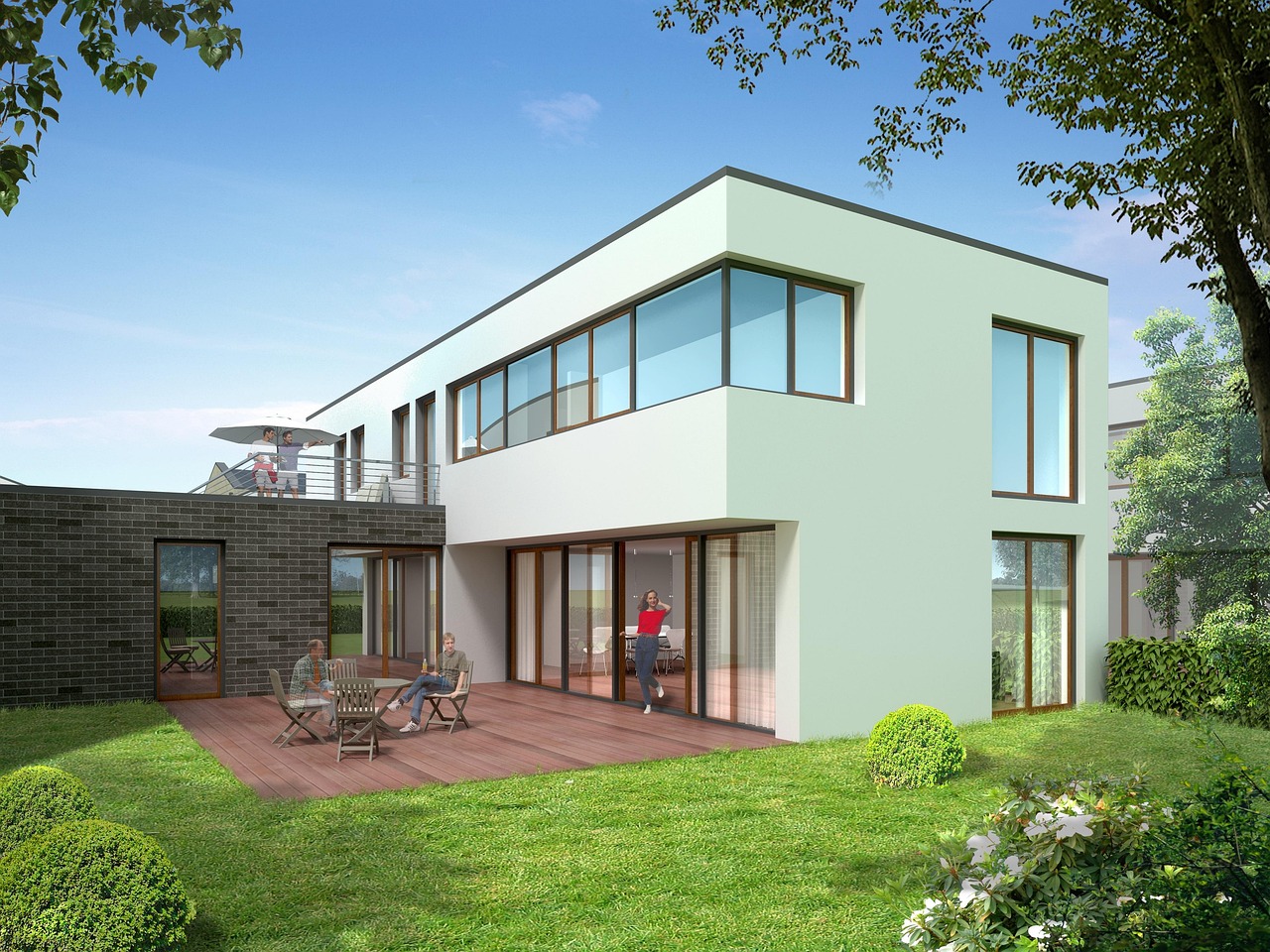
Safety considerations are paramount when maintaining an ADU for multi-generational living. Fire, electrical, and accessibility are critical aspects that demand meticulous attention. Start by ensuring the property meets all local fire safety codes, including smoke detectors and fire sprinklers. Regularly test these systems and replace batteries to guarantee their reliability. For electrical systems, consider the increased demand placed on the network by multiple generations. Schedule routine inspections to check for overloads, outdated wiring, and potential hazards. Upgrading to modern, efficient electrical panels can enhance safety and reduce long-term maintenance costs.
Accessibility matters in making the ADU suitable for all family members, regardless of age or ability. Install clear, wide pathways to navigate easily between rooms. Ensure doors and doorways are wide enough for wheelchairs and mobility aids. Incorporate non-slip flooring in high-traffic areas and bathrooms to prevent falls. These modifications not only contribute to safety but also enhance the overall livability of the space.
For top-rated multi-gen adu services, same-day estimates, and adu financing options for families, proper planning is key. Consult with experienced professionals who understand the unique needs of multi-generational households. They can provide expert advice on cost-effective financing plans, allowing families to secure the necessary funds without straining their budget. Some adu financing options cater to families with one to three times the average income, making it possible to transform a spare room into a valuable asset. Same-day estimates can give families a clear picture of costs and help them make informed decisions about their ADU's maintenance and upgrades.
Waterproofing and Moisture Control Strategies
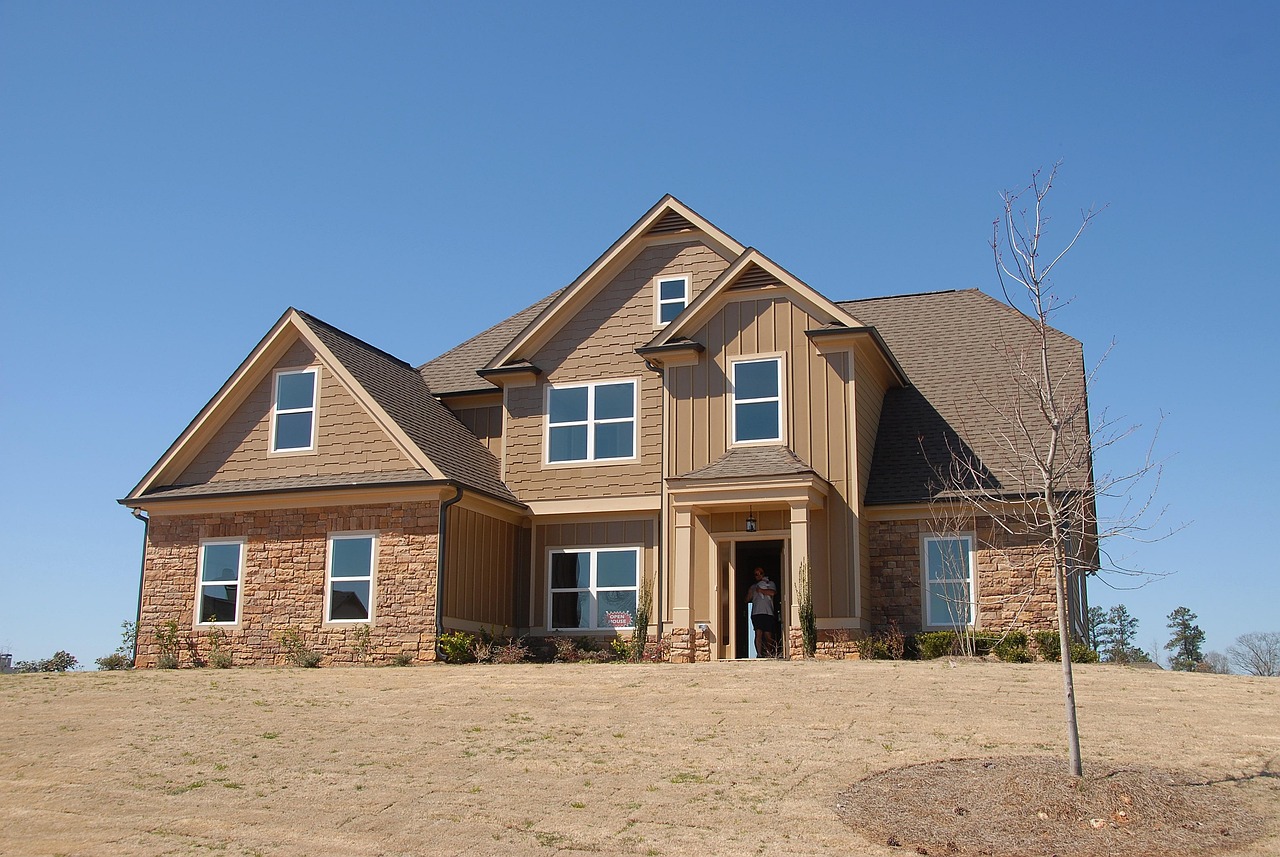
Waterproofing and effective moisture control are paramount for the longevity of any affordable multi-generational adu. These strategies are especially critical in spaces designed to accommodate diverse needs, including aging in place and caregiving. Over time, water intrusion can cause significant damage, leading to costly repairs and even structural instability. Therefore, proactive measures are essential for reliable adu-for-multi-generational-living.
Licensed ADU contractors near me are essential for ensuring proper waterproofing. They employ specialized techniques and materials to create a robust barrier against moisture. This includes installing waterproof membranes, flashing, and proper sealing around windows and doors. A licensed contractor may recommend a system that includes a drip edge, flashing, and a waterproof underlayment to protect against roof leaks, a common source of water intrusion. They can help design and install effective drainage systems around the adu to divert water away from the structure.
Beyond waterproofing, efficient ventilation and dehumidification are key to managing moisture levels. High humidity can lead to mold and mildew growth, which not only damages materials but also poses health risks, particularly for older adults and those with respiratory conditions. Consider incorporating energy-efficient dehumidifiers and ventilators to maintain optimal humidity levels. Regular maintenance, including cleaning air filters and checking for leaks, ensures these systems remain effective over time.
Regular inspections by a qualified professional are also crucial. A licensed contractor can perform annual or semi-annual checks to identify potential moisture issues early on. They can inspect for signs of water damage, check for proper drainage, and ensure that all waterproofing measures remain intact. By addressing problems promptly, you can prevent small issues from escalating into costly repairs, ensuring a safe and comfortable living environment for generations to come in your affordable multi-generational adu.
Insulation for Energy Efficiency and Comfort

In an affordable multi-generational adu, insulation is a crucial element for creating both energy efficiency and comfort. Tailored adu designs for multi-gen families must prioritize insulation to maintain a balanced indoor temperature year-round. Local adu specialists near me often emphasize the importance of a quality insulation job, as it can significantly reduce heating and cooling costs, which are essential considerations for long-term sustainability.
The right insulation strategy involves a combination of materials and techniques. Using a mix of fiberglass batts and foam insulation in walls and ceilings can provide excellent thermal resistance. This dual-layer approach not only boosts energy efficiency but also helps to minimize sound transmission between units, creating a quieter living environment. In some cases, specialized insulation like cellulose or spray foam may be recommended, depending on the adu's design and climate.
Regular maintenance of insulation is also key. Over time, insulation can become compressed or damaged, reducing its effectiveness. Homeowners or property managers should schedule periodic checks, especially in areas prone to moisture or pest issues. Replacing or restoring insulation as needed ensures that the adu maintains its energy efficiency and comfort levels, contributing to a healthier and more sustainable living space for multi-generational families. This proactive approach aligns with recommendations from organizations like the US Department of Housing and Urban Development, which stresses the importance of proper insulation in modern housing.
Regular Roof, Plumbing, and Exterior Maintenance
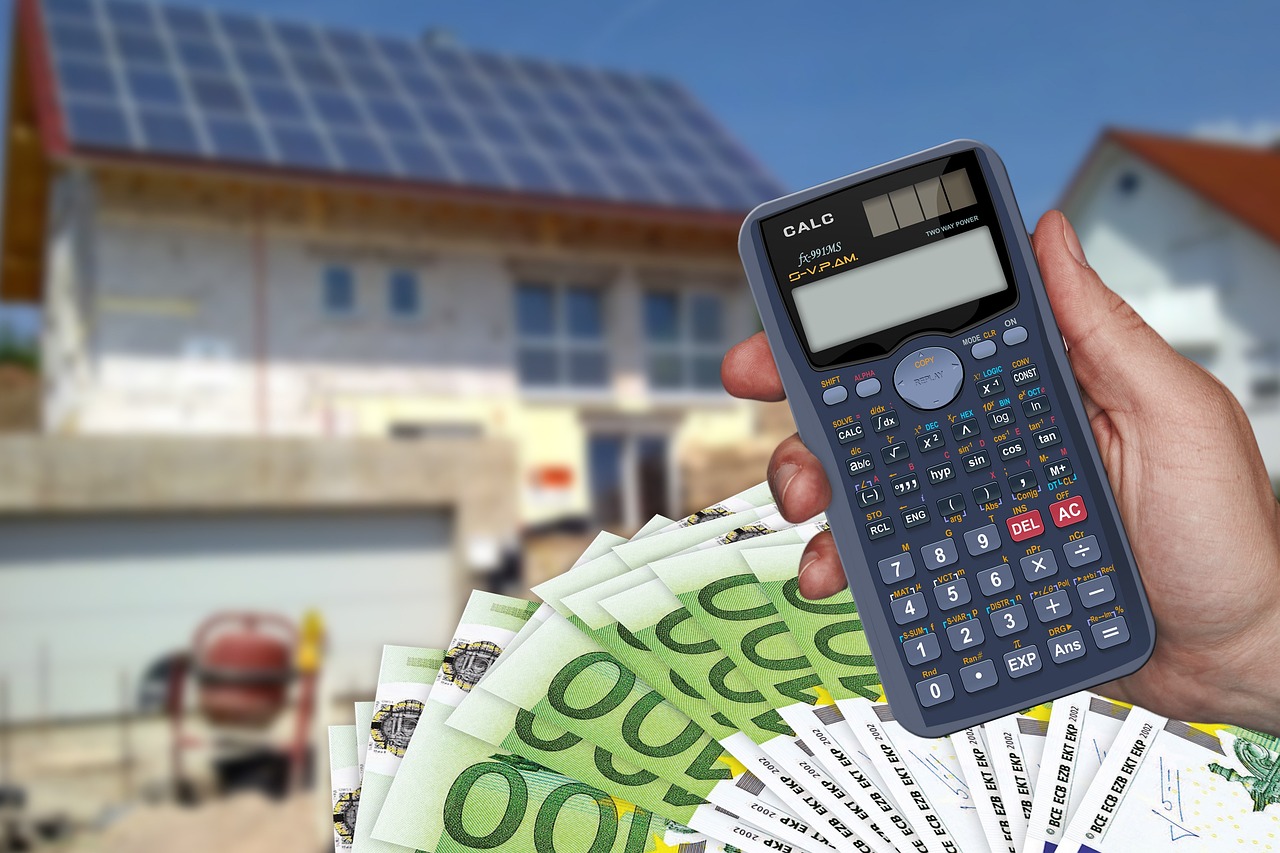
Regular maintenance of your affordable multi-generational ADU's roof, plumbing, and exterior is crucial for ensuring a safe, comfortable living environment for all generations. These systems, often the backbone of your home, require periodic attention to prevent costly repairs and disruptions. A well-maintained roof can extend its lifespan by years, protecting against leaks and ensuring your family stays dry. Regular inspections by local specialists near me can identify issues early, such as missing shingles or weak spots, allowing for timely repairs.
For plumbing, a proactive approach is key. Check for leaks regularly, as these can lead to water damage and mold growth, which are significant health risks, especially for older adults. Consider scheduling routine maintenance with a trusted plumber to ensure your pipes are in good condition. This includes checking for low water pressure, which could indicate a problem with the main water line or a leak somewhere in the system. By addressing these issues promptly, you can avoid emergency situations that might disrupt the harmony of multi-generational living.
The exterior of your ADU also demands regular attention. This includes painting, repairing or replacing siding, and ensuring the windows and doors are sealed properly. These measures not only maintain the aesthetic appeal of your home but also play a vital role in energy efficiency. A well-maintained exterior can help regulate indoor temperatures, reducing the load on heating and cooling systems, which is particularly important as family members of different ages have varying comfort preferences. Think of it as an investment in the long-term comfort and sustainability of your ADU for multi-generational living, even during extreme weather conditions.
In the event of an emergency, such as a major leak or roof damage, having a reliable network of local specialists on hand is invaluable. Consider the possibility of expanding your current shelter capacity 1-3 times through strategic ADU design and construction, ensuring there's enough space for unexpected situations. Tailored ADU designs for multi-gen families can include flexible spaces that accommodate different needs, from emergency shelter expansion to dedicated caregiving areas, promoting independence and community within your home.
Interior Upkeep: Paint, Floors, and Fixtures
Maintaining an affordable multi-generational ADU (adunit) requires a thoughtful approach to interior upkeep, focusing on key elements like paint, floors, and fixtures. Over time, these areas can show signs of wear and tear, especially in a multi-generational living space where diverse needs and lifestyles converge. To ensure longevity and maximize comfort for all residents, regular maintenance is crucial.
For paint, a fresh coat can dramatically transform the space while also protecting walls from moisture and stains. The US Department of Housing and Urban Development (HUD) recommends using low-VOC (volatile organic compound) paints to promote healthier indoor air quality, particularly important in a home housing multiple generations. For floors, durability and comfort are key. Hardwood floors, properly maintained, can last for generations, but they require regular polishing and refinishing. For more budget-conscious options, vinyl or laminate flooring offers a cost-effective solution that's easy to maintain and resists scratches and stains.
Fixtures, from kitchen appliances to bathroom hardware, are another critical aspect of ADU maintenance. Regular cleaning and lubrication can extend the life of these items, preventing costly replacements. A simple routine of wiping down kitchen counters and cleaning out drains can prevent clogs and ensure appliances function optimally. In the bathroom, replacing worn-out fixtures like faucets and showerheads can not only improve aesthetics but also conserve water, a benefit for all generations.
Regular inspections by professionals, such as those from local property management companies or experienced contractors, can identify potential issues early on. The National Association of Home Builders (NAHB) emphasizes the importance of preventative maintenance, noting that most installations take one to two days for professional contractors. This proactive approach ensures that minor problems don't escalate, saving money and time in the long run. By prioritizing these interior upkeep tasks, the ADU for multi-generational living can remain a safe, comfortable, and efficient space for all its inhabitants.
Adaptive Design for Changing Family Needs
As families evolve, so too do their housing needs. Adaptive design within an ADU for multi-generational living allows for a space that grows and changes with its inhabitants, ensuring comfort and accessibility across the lifespan. This means incorporating features that cater to the unique needs of both younger generations and aging family members. Consider adjustable lighting and outlet heights to accommodate growing children and seniors with mobility issues. Incorporating smart home technology allows for centralized control of lighting, temperature, and security systems, catering to a wide range of abilities and preferences.
Intergenerational living solutions often hinge on creating shared spaces that encourage connection and community engagement. Kitchens, dining areas, and living rooms designed for flexible use allow for both intimate gatherings and large family events. The ADU's layout should facilitate easy movement between private spaces and communal areas, fostering a sense of belonging. Think about incorporating dedicated spaces for hobbies, arts, or even a multi-purpose room that can double as a play area for kids or a quiet retreat for adults.
Community engagement through ADUs matters in building strong, supportive networks. Encouraging shared meals, social activities, or even co-operative gardening can foster intergenerational connections. Design elements like shared outdoor spaces, community gardens, or a common lounge area can facilitate these interactions. Financial advisors and local housing authorities often emphasize the social and emotional benefits of ADUs for aging in place, strengthening family bonds and enhancing overall well-being.
Successful ADU design for multi-generational living requires a thoughtful balance between individuality and shared spaces. By considering the evolving needs of all family members, you can create a functional, comfortable, and inviting environment that supports intergenerational connections for years to come.
As we've explored the multifaceted world of ADUs for multi-generational living, it's become clear that a holistic approach to maintenance is key to ensuring these spaces thrive over time. From the safety-first considerations of fire and electrical systems to the practical applications of waterproofing and insulation, every aspect contributes to the longevity and comfort of these homes. Regular, proactive maintenance checks, coupled with adaptive design that anticipates changing family needs, are essential for creating a space that grows with its inhabitants.
By following these guidelines, homeowners and property managers can ensure their ADUs for multi-generational living remain not only functional but also a source of pride and comfort for years to come. This approach, backed by research from the ADU Research Institute and supported by initiatives like the National Association of Home Builders and the US Department of Housing and Urban Development, offers a blueprint for successful, long-term integration of ADUs into diverse communities.
Next steps include engaging with local building departments and financial advisors to navigate legal and economic aspects, consulting with architectural and interior designers for tailored solutions, and fostering partnerships with property management companies and community centers to enhance the overall living experience. Reliable ADU maintenance is a sign of the power of thoughtful design, proactive care, and the enduring value of multi-generational living.
Creating a reliable, long-term adu-for-multi-generational-living environment involves proactive maintenance, focusing on key systems like the roof, plumbing, and exterior. Regular inspections, financial planning, and professional maintenance from architects and designers are crucial. The right insulation strategy, including dual-layer approaches and periodic checks, ensures energy efficiency. For interior upkeep, fresh paint, durable floors, and well-maintained fixtures extend the ADU's lifespan. Adaptive design within the ADU caters to changing family needs, fostering intergenerational connections through shared spaces and community engagement.