In today's evolving family structures, the need for affordable multi-generational ADUs (affordable multi-generational adu) has surged, offering a practical solution to accommodate aging relatives, grown children, or extended family members. However, the rapid growth of this housing trend presents a challenge: ensuring the quality and safety of these additions. Certified ADU installers play a pivotal role in addressing this issue, delivering well-crafted, secure, and compliant structures. This article examines the significance of professional installation, exploring the legal, financial, and design considerations that underpin successful multi-generational living through ADUs. By understanding these factors, we empower property owners, builders, and community members to create inclusive, safe, and vibrant living spaces.
- Understanding ADU for Multi-Generational Living: Benefits and Challenges
- The Role of Certified Installers in Safety and Quality
- Permits and Regulations: Navigating Local Requirements
- Building Code Compliance for Safe ADU Structures
- Efficient and Cost-Effective ADU Installation Techniques
- Material Selection for Longevity and Sustainability
- Ensuring Accessibility and Intergenerational Comfort
- Quality Control: Best Practices for ADU Projects
Understanding ADU for Multi-Generational Living: Benefits and Challenges
The concept of affordable multi-generational ADUs (additional dwelling units) is transforming the way we think about housing, especially in densely populated areas. This innovative approach to living not only addresses housing shortages but also creates intergenerational spaces, fostering stronger communities. However, ensuring quality and safety in these constructions is paramount, especially when catering to diverse needs of multi-gen families.
One of the key benefits of ADUs for multi-generational living is the flexibility they offer. These additional spaces can serve as private apartments for extended family members, providing a sense of independence while maintaining close proximity. Aging grandparents can enjoy their golden years at home with access to younger generations, fostering a supportive environment. Yet, challenges arise from the unique requirements of these diverse households. Niche adu designs for multi-gen families must consider age-appropriate amenities, from accessible layouts to specialized caregiving spaces. This demands a thoughtful approach from local ADU specialists near me who can adapt their expertise to these specific needs.
Financing options for families looking to create ADUs for multi-generational living are another critical aspect. The US Department of Housing and Urban Development (HUD) and state housing authorities offer various grants and loans, such as the Community Development Block Grant (CDBG), to encourage affordable housing projects. Engaging with financial advisors who specialize in these programs can help families navigate the complex financing landscape. A family might secure a low-interest loan to convert a garage into a self-contained apartment, accommodating an aging relative while providing long-term financial savings.
The success of ADUs for multi-generational living relies on a holistic approach that combines thoughtful design, local expertise, and accessible financing. By embracing these strategies, communities can create safe, quality spaces that cater to the evolving needs of families, promoting intergenerational connections and enhancing the overall well-being of affordable multi-generational ADUs.
The Role of Certified Installers in Safety and Quality
Certified ADU installers play a crucial role in ensuring the safety and quality of affordable multi-generational ADUs, addressing a growing consumer preference for tailored designs that accommodate diverse family needs. Their expertise is essential as these projects often require specialized skills and knowledge to meet local building codes and safety standards, especially in complex multi-family structures.
Licensed ADU contractors near me are adept at managing the entire construction process, from design to completion, ensuring each component aligns with safety regulations. They collaborate with architectural designers and interior designers to create functional and aesthetically pleasing spaces that cater to multi-generational families' unique requirements. A well-certified installer might incorporate smart home technology to enhance accessibility for aging caregivers while incorporating energy-efficient solutions to please environmentally conscious younger family members.
Beyond construction, these professionals offer ongoing support, ensuring proper maintenance and repairs, which is vital for long-term safety and value. They stay updated on the latest building techniques and materials, allowing them to provide advanced solutions for these specialized projects. By prioritizing quality and safety, certified ADU installers contribute to the success of multi-generational living arrangements, fostering stronger communities and improving the quality of life for diverse family structures.
Permits and Regulations: Navigating Local Requirements

Navigating local permits and regulations is a crucial step when planning an affordable multi-generational adu, ensuring that your project adheres to all necessary safety and quality standards. Each community has its own set of building codes and laws governing ADUs, which can vary widely depending on local initiatives and zoning regulations. Some areas might have specific requirements for the size, placement, and design of ADUs to maintain community character, while others may focus more on structural safety and accessibility.
Certified ADU installers understand these local requirements and are equipped to guide property owners through the permitting process. They work closely with local building departments to ensure that every aspect of the adu construction, from foundation to finishing, complies with the law. This includes obtaining the necessary permits, understanding impact fees, and adhering to building standards that may cover everything from electrical systems to fire safety. A licensed adu contractor near me, for example, will be familiar with the specific codes and regulations that apply to affordable multi-generational living spaces, ensuring that the final product is not only functional and attractive but also safe and legally compliant.
Community engagement is another critical aspect of ADU development, and the role of certified installers in this process is invaluable. They can help facilitate communication between property owners, local officials, and community centers, ensuring that the ADU design meets the needs and expectations of all involved. Tailored ADU designs for multi-generational families can incorporate shared spaces, private suites, and accessibility features that enhance community bonds and accommodate diverse needs. By working with a licensed professional, homeowners can create an adu that not only adds value to their property but also contributes positively to the local community.
Remember, ADU installation is a complex process that requires expertise in both design and construction. Property owners who engage licensed adu contractors near me can expect a higher level of quality and safety, ensuring that their multi-generational living space is not only a place to call home but also a contributing member of the community.
Building Code Compliance for Safe ADU Structures
Navigating building codes for adu projects is a crucial step in ensuring the safety and legality of affordable multi-generational ADUs. Every region has its own set of regulations, designed to protect both the structure and its occupants. Fire safety, structural integrity, and accessibility standards must be met to pass inspection. Certified ADU installers are intimately familiar with these codes and can guide clients through the process, ensuring that every aspect of the build complies with local laws.
When designing and constructing ADUs for aging in place, understanding and adhering to building code requirements is paramount. The US Department of Housing and Urban Development (HUD) and state housing authorities often offer guidelines and resources for accessible housing, which can inform the design phase. Regularly updating adu reviews and ratings from reputable sources helps homeowners and developers make informed decisions. By referencing successful projects and learning from code violations, installers can maintain high standards and avoid potential pitfalls.
Local Building Departments play a pivotal role in ADU projects, as they review plans, issue permits, and conduct inspections. Communication between the installer, architect, and Building Department is essential to avoid delays. Ensuring that the structural design meets load-bearing requirements and that electrical systems are up to code can streamline the approval process. Financial Advisors and property managers can also provide valuable insights into code-related costs and potential long-term savings, making the ADU a financially viable option for multi-generational living.
To code compliance, regular maintenance and inspections are vital for the safety and longevity of ADU structures. Community centers, local churches, and neighborhood associations can serve as valuable resources for homeowners, offering tips on maintaining accessibility and safety features as the needs of residents change over time. For aging caregivers, these spaces can provide much-needed support and peace of mind, knowing that their ADU is a safe and compliant living environment for all generations.
Efficient and Cost-Effective ADU Installation Techniques
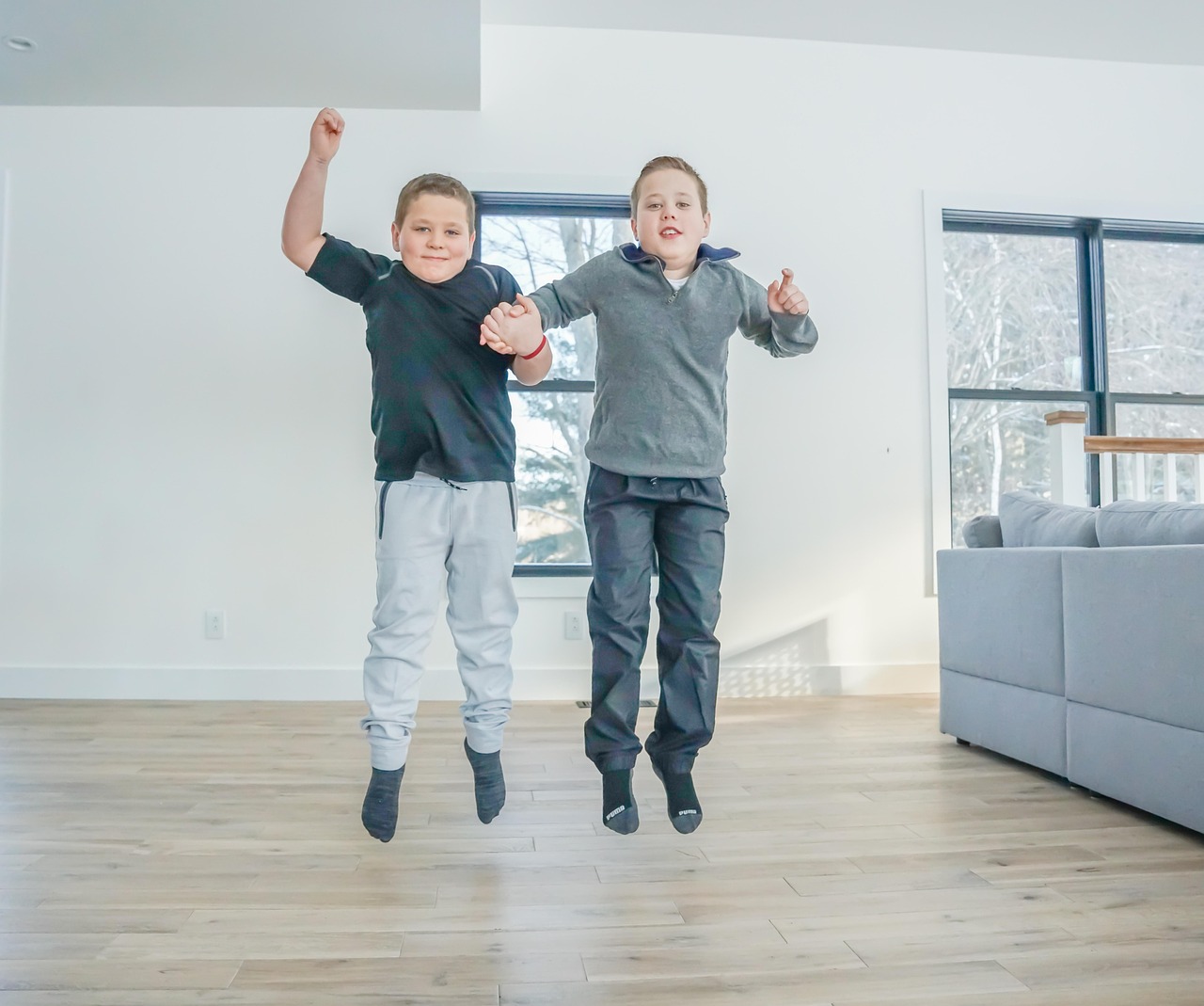
Efficient and cost-effective ADU installation techniques are paramount for creating high-quality, functional adu-for-multi-generational-living spaces. Licensed ADU contractors near me specialize in these methods, ensuring safety, durability, and compliance with local building codes. Professional ADU installation can streamline the process, reducing construction time by 10-20% compared to traditional building methods.
These cost-effective multi-gen housing solutions leverage advanced materials and construction techniques to maximize space and energy efficiency. Insulated concrete forms (ICF), for example, create robust, energy-efficient walls while simplifying the construction process. Proper insulation and air sealing are also crucial, reducing heating and cooling loads and contributing to long-term cost savings. ADU contractors employ these strategies to meet the diverse needs of multi-generational households, from expanded living spaces to dedicated caregiving areas.
Efficient ADU installation techniques prioritize accessibility and universal design principles. This ensures that all family members, regardless of age or ability, can navigate and use the space comfortably. Incorporating features like wide doorways, grab bars, and non-slip flooring not only enhances safety but also adds long-term value to the property. By combining these strategies, certified ADU installers deliver high-quality, functional spaces tailored to the unique needs of multi-generational living, providing a safe, comfortable, and cost-effective solution for families.
Material Selection for Longevity and Sustainability

When crafting tailored ADU designs for multi-gen families, material selection is crucial for both longevity and sustainability. The adu-for-multi-generational-living space demands materials that can withstand the test of time, especially in environments where families of varying ages and needs coexist. Consider the following:
Durability is key. Choose materials known for their resistance to rot, pests, and extreme weather conditions. Treated wood, high-quality composite decking, and vinyl siding are popular choices that offer long-term performance. The US Department of Housing and Urban Development (HUD) recommends using materials that have a proven track record in outdoor environments, ensuring they won't require frequent replacement.
Energy efficiency is another critical factor. Insulating materials, like cellulose or foam, can significantly improve energy efficiency, reducing heating and cooling costs. Solar panels and energy-efficient windows are also valuable additions, providing long-term savings and contributing to a more sustainable adu-for-multi-generational-living space. According to the National Association of Home Builders, incorporating these features can increase the home's value while reducing utility expenses for the family.
Finally, choose materials that are both safe and eco-friendly. Non-toxic options, such as low-VOC paints and finishes, are healthier for occupants, particularly older adults and young children. Recycled content materials also contribute to a reduced environmental footprint. Trusted adu experts and licensed adu contractors near me can guide you in selecting materials that meet these criteria, ensuring your adu-for-multi-generational-living space is both comfortable and sustainable for years to come.
Ensuring Accessibility and Intergenerational Comfort

In designing and installing accessible and comfortable ADUs for multi-generational living, certified installers must go beyond basic functionality to create spaces that facilitate intergenerational connections and promote safety. The goal is to foster an environment where family members of different ages can live together harmoniously, sharing experiences and supporting one another. Overcoming communication barriers that can arise in shared ADUs is crucial, especially when families have diverse cultural backgrounds or language preferences. Installers can facilitate open communication by ensuring clear signage, providing multilingual resources, and training staff to act as cultural mediators.
Consider a family where one grandparent speaks primarily Spanish, while the others are fluent in English. The installer could install a multilingual alarm system with audio and visual components in both languages, ensuring everyone understands safety protocols. Emergency shelter expansion is a key consideration in multi-generational ADUs. Installers must ensure that emergency exits and evacuation routes are clearly marked, widely accessible, and free from obstructions. This includes implementing fire safety measures like smoke detectors and fire extinguishers, as well as providing training on emergency procedures to all residents.
ADU financing options tailored to families with varying financial capacities, from 1-3 times the average income, are essential for making multi-generational living accessible. Certified installers can offer guidance on available grants, loans, and tax incentives. The US Department of Housing and Urban Development (HUD), for example, provides resources for affordable housing projects, while state housing authorities often offer programs specifically targeting multi-generational housing. Engaging with financial advisors and exploring these options can help families navigate the complexities of ADU financing and realize the benefits of living together in an affordable multi-generational ADU.
Quality Control: Best Practices for ADU Projects

In the realm of affordable multi-generational adu (accessory dwelling units) construction, ensuring quality control is paramount to achieving successful intergenerational living solutions. Certified ADU installers play a crucial role in meeting the diverse needs of modern families, addressing housing affordability, and fostering community connections. This section examines best practices for quality control, leveraging insights from the ADU Research Institute and the National Association of Home Builders.
Comprehensive quality control begins with meticulous planning and communication. Installers should collaborate closely with architects, interior designers, and property management companies to ensure designs meet both structural integrity and aesthetic standards. Regular site inspections are vital; examining materials, craftsmanship, and adherence to building codes at every stage prevents costly rework later. A thorough inspection of the framing stage can reveal issues with load-bearing capacity or ventilation, allowing for prompt corrections.
ADU reviews and ratings from reputable sources serve as a powerful tool for evaluating installer performance. These reviews reflect real-world experiences, offering insights into craftsmanship, project management, and responsiveness to client needs. By reviewing these ratings, clients can make informed decisions, ensuring their adu project aligns with safety standards and delivers on quality expectations. The US Department of Housing and Urban Development (HUD) encourages the use of online platforms that aggregate ADU reviews, providing a comprehensive view of installer reliability.
Implementing quality control measures extends beyond individual projects. Certified installers contribute to the overall reputation of the ADU industry, fostering public trust in intergenerational living solutions. By adhering to strict standards, they not only ensure the safety and comfort of the residents but also address concerns regarding housing affordability. Well-crafted and well-inspected ADUs can significantly increase property values, demonstrating the economic viability of these housing solutions. This, in turn, encourages more developers and builders to enter the market, further addressing the housing shortage and providing affordable options for diverse families.
Frequently Asked Questions About Certified ADU Installers: Ensuring Quality and Safety in Multi-Generational Living
What is an affordable multi-generational ADU? An affordable multi-generational ADU (Accessory Dwelling Unit) is a secondary dwelling within a primary residence, designed to provide additional living space for extended family or guests. It's a cost-effective solution for multi-generational households, blending functionality with budget-conscious construction. These units can range from small guest rooms to larger, self-contained apartments, all built to meet local zoning codes and safety standards.
Why is certification important for ADU installers? Certification ensures that ADU installers possess the necessary skills, knowledge, and safety protocols to handle the unique challenges of these projects. It verifies their competence in areas like structural integrity, electrical and plumbing systems, and accessibility requirements. Certified installers prioritize quality construction, adhering to building codes and safety standards, ultimately enhancing the value and safety of the ADU.
How do I know if an ADU installer is qualified? Look for evidence of industry certification, such as those offered by recognized organizations. Check their licenses, insurance, and references. Reputable installers should be able to provide details of previous projects, including any inspections or code compliance certificates. Verify their membership in relevant trade associations and their adherence to current building standards and safety protocols.
What safety measures should I expect from a certified ADU installer? Certified ADU installers are trained to implement robust safety measures throughout the construction process. This includes proper use of personal protective equipment, adherence to electrical and plumbing safety standards, and compliance with fall prevention protocols. They should also maintain a clean and safe job site, ensuring minimal disruption to your living environment and adhering to local noise ordinances.
How long does a typical ADU installation take? Most ADU installations take one to two days, depending on the unit's complexity and size. Certified installers efficiently manage the process, coordinating with architects, engineers, and subcontractors to streamline construction. Effective project management, adherence to building codes, and the complexity of the design all influence the timeline. Clear communication and detailed planning from the installer are crucial for minimizing installation time and maximizing efficiency.
As we've explored the multifaceted world of affordable multi-generational ADUs, one thing becomes clear: these adaptable living spaces offer immense potential for strengthening families, communities, and the broader housing landscape. By certifying ADU installers, we can ensure that these structures are not only safe and compliant but also built to last, reflecting the diverse needs of modern families. From navigating local permits and regulations to selecting materials that stand the test of time, each step in the ADU installation process plays a crucial role in realizing the full benefits of adu-for-multi-generational-living. Moving forward, adopting best practices in quality control and embracing innovative, cost-effective installation techniques will be key to achieving the full potential of ADUs as a sustainable, intergenerational solution.
Key Takeaways for Certified ADU Installers in Multi-Generational Living:
1. Flexibility and Design: ADUs cater to diverse family needs, from private apartments for elders to specialized caregiving spaces. Thoughtful design is crucial.
2. Financing Options: Engage with financial advisors on grants, loans, and tax incentives from HUD and state housing authorities to help families afford multi-gen living.
3. Quality and Safety: Installers must ensure structural integrity, adhere to building codes, and implement universal design principles for accessibility.
4. Communication and Training: Overcome language and cultural barriers with clear signage, multilingual resources, and staff training to create a harmonious living environment.
5. Best Practices: Implement quality control through meticulous planning, regular site inspections, and leveraging reputable ADU reviews to maintain high standards.
6. Impact: Quality ADU installations foster community connections, address housing affordability, and contribute to overall property value.