As the demand for affordable housing continues to soar, the adu-for-multi-generational-living concept has emerged as a viable solution, offering flexible and cost-effective housing for families across generations. This innovative approach allows multi-generational families to live together, fostering stronger community bonds and addressing the growing need for accessible housing. However, financing these projects can be a significant hurdle. This article examines the various financing options available for building and expanding affordable multi-generational ADUs, providing a practical guide for families looking to invest in this transformative housing solution. We explore legal considerations, design strategies, and community impacts, empowering readers to make informed decisions about their ADU project.
- Assess Your Multi-Generational Living Needs
- Understand the Benefits of ADUs for Families
- Explore Cost Estimates for Building an ADU
- Lend Examination to Traditional Mortgage Options
- Discover Government Incentives for ADU Projects
- Investigate Alternative Lending and Crowdfunding
- Consider Joint Ownership and Co-Signing Arrangements
- Plan for Long-Term Financial Sustainability
Assess Your Multi-Generational Living Needs
When considering an ADU for multi-generational living, a thorough assessment of your family's unique needs is crucial. This goes beyond simple housing requirements; it involves understanding the complex dynamics of living together across generations. What works for one family might not suit another. Some multi-gen households prioritize shared spaces for fostering intergenerational bonding, while others seek privacy for extended family members with distinct lifestyles.
The first step is to have open, honest conversations with every family member involved. Overcoming communication barriers is essential. Different generations may have varying expectations regarding living arrangements, privacy, and shared responsibilities. An ADU that works for an empty-nester couple might not accommodate the needs of their adult children with young children. By engaging in thoughtful discussions, you can uncover essential considerations like:
- Privacy and Personal Space: How much individual space does each generation require?
- Shared Spaces and Amenities: What common areas are important for building intergenerational connections?
- Caregiving and Support: Are there specific needs related to aging family members or children with disabilities?
Consider the ADU not just as an addition to your property but as a flexible space that can evolve with your family's changing dynamics. Cost-effective multi-gen housing solutions often involve creative design and adaptable layouts. A flexible living room could double as a playroom or home office, while a convertible bedroom could accommodate a teen's growing needs or a grandparent's visiting stay.
Thinking ahead to potential emergencies is vital. Expanding your ADU for multi-generational purposes can also serve as a strategic emergency shelter. This is especially relevant in areas prone to natural disasters or other unforeseen events. By designing or retrofitting your ADU to accommodate more residents, you increase your family's resilience. This emergency shelter expansion can provide a safe haven for all, ensuring everyone's well-being during challenging times. Remember, a well-assessed ADU for multi-generational living is the cornerstone of a successful and harmonious multi-gen household.
Understand the Benefits of ADUs for Families
In the context of multi-generational living, Accessible Detached Units (ADUs) offer a practical solution for families seeking to expand their housing options. The benefits of ADUs for multi-generational families are multifaceted, addressing both financial and emotional needs. ADUs can provide dedicated space for aging relatives, enabling them to remain independent while staying close to their family. This setup can alleviate the financial burden of long-term care facilities, allowing families to allocate resources more efficiently.
ADUs also cater to the evolving needs of modern families. With creative niche adu designs, multi-generational households can be tailored to specific requirements, from shared living spaces to private suites. Professional adu installation ensures these additions are structurally sound and conform to local building codes, enhancing the overall value of the property.
The process of funding an ADU project is crucial for families to realize these benefits. One effective strategy is leveraging same-day adu estimates, which provide quick and accurate cost assessments. This approach allows families to make informed decisions, especially when considering government assistance programs like the Community Development Block Grant (CDBG), designed to support affordable housing initiatives. For multi-generational families, financial advisors can offer tailored advice, exploring options like home equity loans, personal loans, or even creative financing plans to accommodate diverse financial situations.
ADUs can stimulate local economies, as demonstrated by the US Department of Housing and Urban Development (HUD) studies. By investing in ADU construction, families contribute to the growth of local businesses, from architectural designers to property management companies. This economic ripple effect can make ADU projects even more viable, ensuring that multi-generational living remains a sustainable and beneficial option for families across the nation.
Explore Cost Estimates for Building an ADU

Funding an ADU for multi-generational living involves considering not just cost but also safety, quality, and long-term sustainability. The price tag on these projects can vary widely based on factors like location, size, and complexity. According to the National Association of Home Builders, the average cost of a new single-family home in the U.S. Was around $425,000 in 2022, while smaller, more modest ADU builds can range from $50,000 to $150,000. For multi-generational living, where space might be at a premium and specific needs of aging family members factored in, costs can escalate. A recent Community Development Block Grant (CDBG) project in our target "affordable multi-generational adu" area, for instance, saw ADU construction costs averaging around $200,000, reflecting the added complexity of these builds.
Safety and quality assurance are paramount. Proper construction techniques, durable materials, and adherence to local building codes are non-negotiable. The US Department of Housing and Urban Development (HUD) offers guidelines for ADU safety and accessibility, emphasizing the importance of ramps over stairs for mobility and safety, wide doorways, and clear interior layouts. Incorporating these standards not only ensures a safe living environment but can also enhance the property's resale value. Online platforms like the ADU Research Institute provide a wealth of information, including detailed cost breakdowns and reviews and ratings from homeowners who have completed similar projects, offering valuable insights into pricing and potential challenges.
Sustainable construction practices are increasingly important for ADUs, both for environmental and economic reasons. Using energy-efficient appliances, optimizing natural light, and incorporating sustainable materials like recycled wood or energy-saving insulation can significantly reduce utility costs over time. Many ADU homeowners are opting for solar panels, further reducing energy expenses and contributing to a greener future. While upfront costs for these features might be higher, long-term savings can make them a worthwhile investment. Remember, a well-planned, safe, and sustainable ADU not only enriches family living but can also be a valuable asset for future generations.
Lend Examination to Traditional Mortgage Options
When considering how to fund your ADU project for multi-generational living, it's crucial to scrutinize traditional mortgage options. These conventional financing routes, while well-established, might not always be the best fit for the unique needs of expanding emergency shelter or building a cost-saving ADU. Let's explore how these options can be tailored to your family's situation.
Traditional mortgages remain a viable choice, offering fixed-rate loans with long-term repayment periods. This stability can be beneficial for families planning for the long term. A 30-year fixed-rate mortgage provides a consistent monthly payment, allowing for better budgeting and financial predictability. The US Department of Housing and Urban Development (HUD) and local Community Development Block Grants (CDBGs) often support such projects, especially when they align with community development goals. However, traditional mortgages may not offer the flexibility required for smaller, more affordable ADU projects or when families are seeking to minimize upfront costs.
For multi-generational families considering ADU financing, exploring a combination of loan types can be a strategic move. One approach is to utilize a balance between fixed-rate and adjustable-rate mortgages (ARMs). ARMs can be suitable for shorter-term ADU projects, offering lower initial rates, which can be beneficial for families wanting to save on interest. This strategy, combined with cost-saving adu building tips, can make the project more accessible. A family might secure a 5/1 ARM for the initial construction, taking advantage of the lower rate, and then switch to a fixed-rate mortgage as their financial situation stabilizes. This approach allows for adaptability and cost management throughout the ADU expansion process.
Working closely with a financial advisor who understands the unique dynamics of multi-generational ADU projects can be invaluable. They can guide you through the process, ensuring you explore all available options. Remember, each family's financial situation is distinct, and a tailored approach is often the best strategy for successfully funding your ADU project while accommodating the evolving needs of multi-generational living.
Discover Government Incentives for ADU Projects
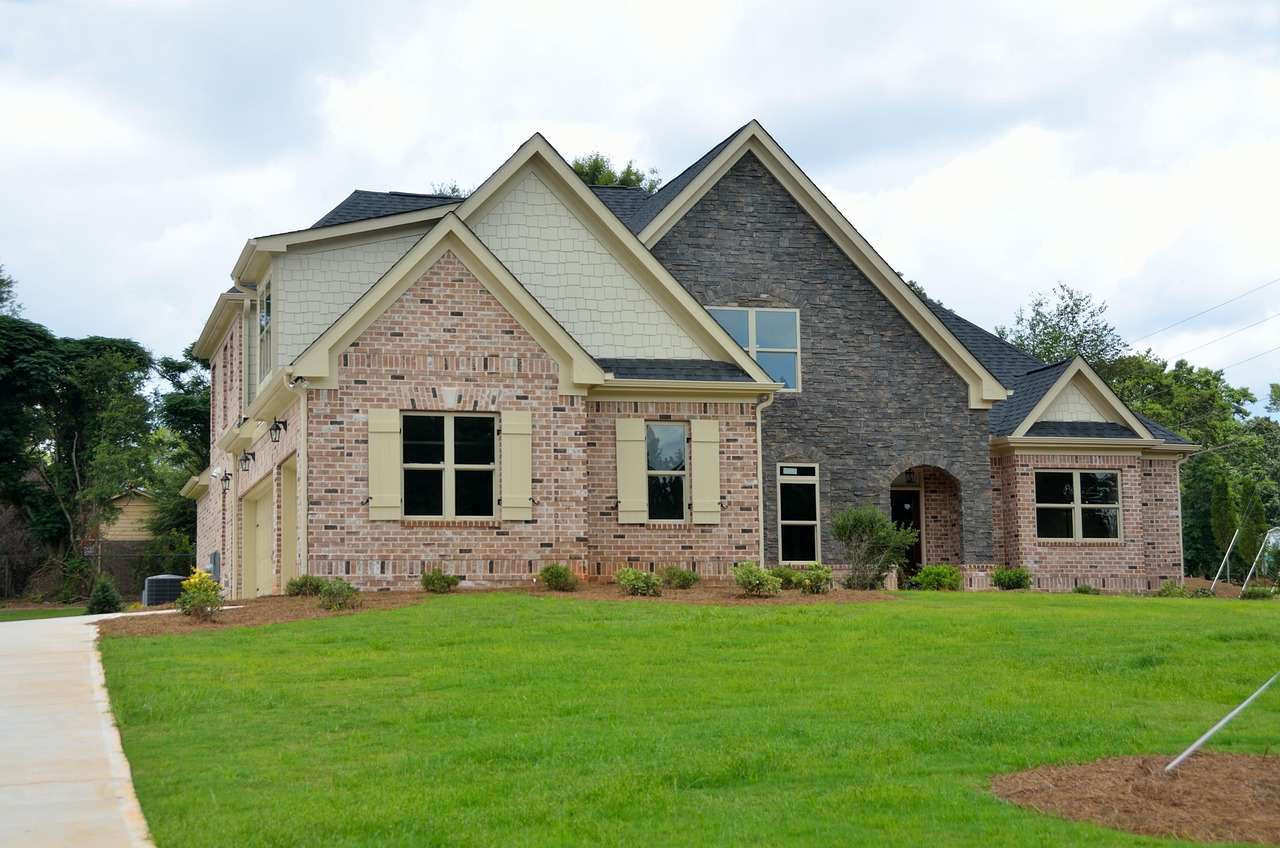
The expansion of emergency shelter spaces has become a critical aspect of addressing housing affordability, especially for multi-generational families. Affordable Multi-Generational ADU (Accessory Dwelling Unit) projects offer a promising solution to this challenge. Many local governments and state housing authorities are recognizing the potential of ADUs to create flexible, cost-effective housing options, particularly when catering to diverse family structures.
One of the significant advantages of ADUs for multi-generational living is the availability of government incentives. These incentives, often in the form of grants and tax credits, can significantly offset the costs associated with building or converting an ADU. The US Department of Housing and Urban Development (HUD) and the National Association of Home Builders (NAHB) have programs that support affordable housing projects, including ADUs. The Community Development Block Grant (CDBG) program, for example, provides funding for a wide range of community development activities, including the construction or renovation of affordable housing.
When planning your ADU project, exploring these government incentives is a strategic move. Top-rated multi-gen ADU services often guide families through the complex application processes for these grants. They help navigate the legal and financial aspects, ensuring compliance with local building codes and zoning regulations. By leveraging these incentives, families can create not only a functional emergency shelter expansion but also a sustainable and affordable housing solution for multi-generational living, contributing to stronger, more resilient communities.
Investigate Alternative Lending and Crowdfunding
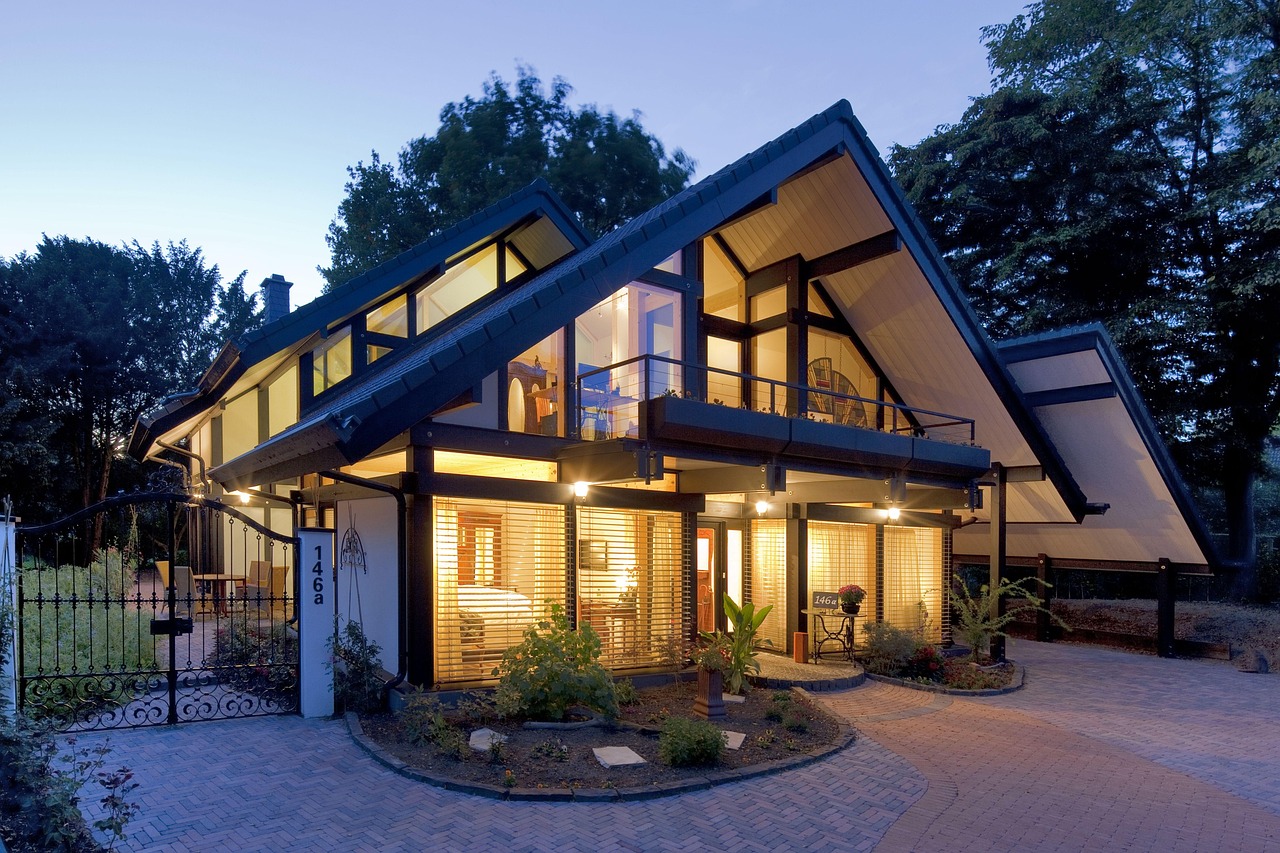
When exploring funding options for an ADU designed for multi-generational living, it's crucial to consider alternative financing methods that go beyond traditional loans. These options can provide flexibility, especially for larger, more complex projects. Alternative lending and crowdfunding are two strategies worth investigating for their potential to make your affordable multi-generational ADU a reality.
Alternative lenders, often including online platforms, offer non-traditional loan products tailored to specific needs, like construction projects. They may consider factors beyond credit scores, making them an option for families who might struggle with conventional bank loans. These lenders can provide rapid funding, sometimes within days, ideal for urgent construction needs. Platforms specializing in real estate projects can connect you with investors who are specifically looking to fund ADUs.
Crowdfunding, while more publicly focused, can also be a powerful tool for multi-generational ADU projects. Platforms like Kickstarter or Indiegogo allow you to present your vision to a broad audience and raise funds based on community support. This method is particularly effective when your project has a strong social impact, like improving intergenerational connections or enhancing community engagement through ADUs. Tailored adu designs for multi-gen families, addressing specific needs and wants, can be highlighted to attract like-minded backers. Remember, successful crowdfunding requires a compelling narrative, clear goals, and regular updates to keep donors engaged.
Before proceeding, it's crucial to assess your project's long-term sustainability, including ongoing adu maintenance tips for multi-gen living. Crowdfunding, for instance, might be less suitable if your project requires ongoing financial support for maintenance and management. In such cases, alternative lending could provide a more sustainable solution, offering lines of credit or other products to cover ongoing expenses. Engaging with community organizations, local churches, or neighborhood associations can also help identify potential funding sources and foster support for your project.
Consider Joint Ownership and Co-Signing Arrangements
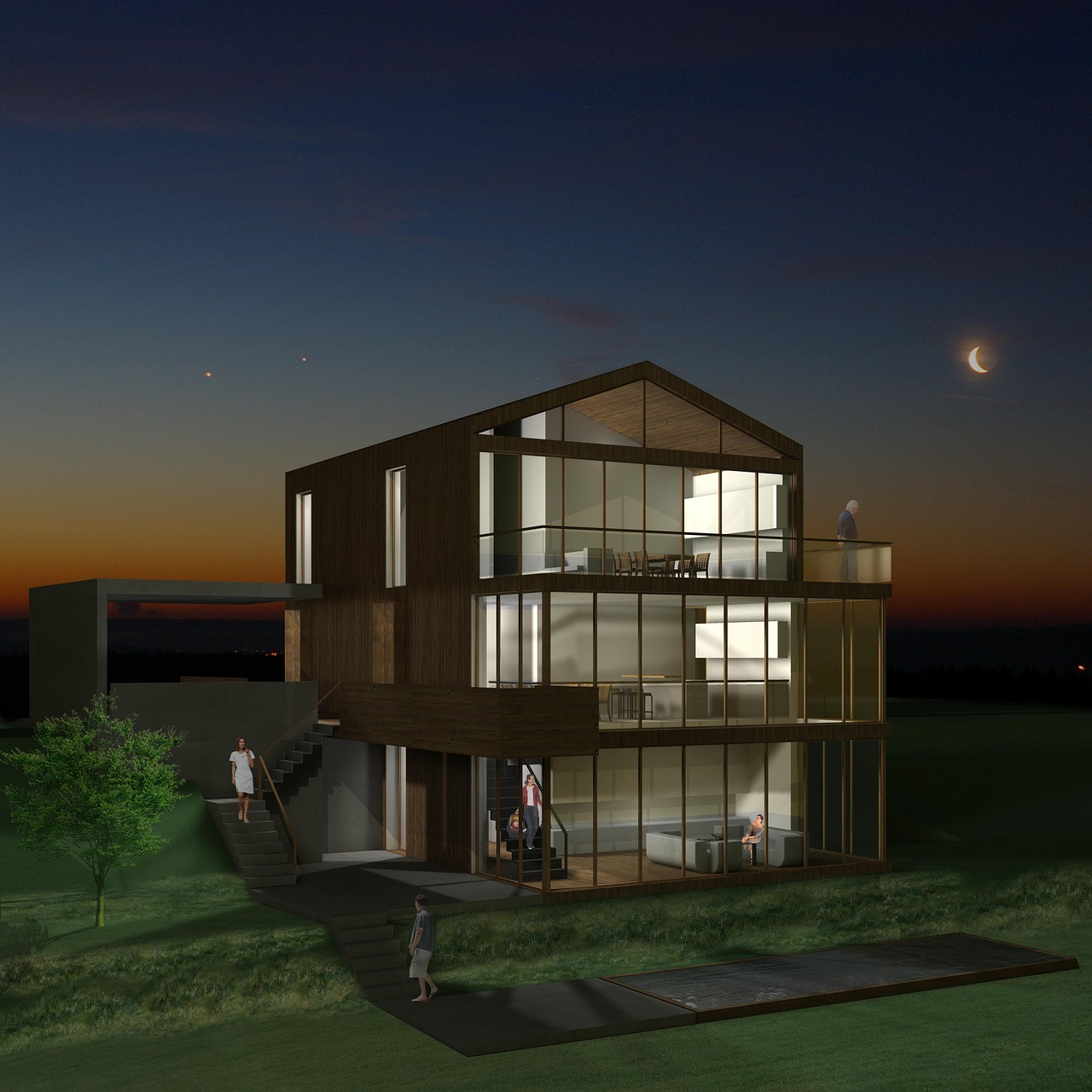
When funding an ADU for multi-generational living, consider joint ownership and co-signing arrangements as viable options that can help make your project more affordable. This collaborative approach involves multiple family members sharing financial responsibility, which can be particularly beneficial for larger ADU installations or when aging-in-place needs are involved. A grandparent might co-sign with their child for a mortgage, enabling both to enjoy the benefits of an ADU while spreading out the financial burden.
Professional ADU installation experts, along with financial advisors, can guide families through the intricacies of joint ownership. They can help structure arrangements that ensure fairness and protect everyone's interests. State Housing Authorities and Local Building Departments often have resources and guidelines for multi-party mortgages, which can be invaluable. These entities may offer specialized programs or advice on how to navigate the legal and financial aspects of ADUs for intergenerational living solutions.
By tapping into the collective resources of family members, families can achieve more financing options. This collaborative approach not only eases the financial strain but also fosters a stronger sense of community within the ADU. It's a practical solution for those seeking ADUs for aging in place, ensuring that the housing needs of all generations are met while maintaining control and financial stability.
Plan for Long-Term Financial Sustainability
When considering an ADU for multi-generational living, it's crucial to look beyond the initial construction costs and plan for the long-term financial sustainability of your project. This involves understanding the ongoing expenses associated with owning and maintaining the space, as well as potential revenue streams. An ADU can serve as a valuable caregiving solution, providing a dedicated space for aging relatives or those with disabilities. This shifts the focus from a purely financial investment to a multi-purpose asset that supports family connections and independent living.
The long-term financial picture for an ADU also includes the costs of utilities, property taxes, insurance, and regular maintenance. To mitigate these expenses, consider the type of ADU design you choose. Niche designs optimized for energy efficiency, water conservation, and low-maintenance landscaping can significantly reduce operational costs over time. Working with experienced local ADU builders who understand the unique needs of multi-generational families can ensure your investment is well-managed and constructed to last. The US Department of Housing and Urban Development (HUD) and the National Association of Home Builders (NAHB) offer valuable resources on the cost-effectiveness of ADUs, highlighting their potential to offset mortgage payments and generate rental income.
To ensure financial stability, engage with a financial advisor who specializes in real estate and caregiving. They can help you explore options like home equity loans, reverse mortgages, or rental income from the ADU to supplement retirement savings. The ADU can also serve as a valuable asset for intergenerational wealth transfer, providing a legacy for future family members. Leveraging community resources and support systems, such as local churches and neighborhood associations, can offer additional financial assistance and caregiving support for multi-generational ADU households.
Frequently Asked Questions About How to Fund Your ADU Project: Financing Options for Multi-Generational Families
What is an affordable multi-generational ADU? An affordable multi-generational ADU (Accessory Dwelling Unit) is a secondary housing unit within a larger property, designed to accommodate multiple generations of a family under one roof. It offers a cost-effective solution for families looking to live together, sharing resources and reducing housing costs. These units can range from small studios to larger apartments, catering to diverse family needs.
How do I determine the cost of my ADU project? The cost of an ADU project varies based on factors like size, complexity of construction, location, and local permits. Start by assessing your property's layout and the desired ADU specifications. Consult with local contractors or building professionals to obtain detailed estimates. Remember, many financing options are available, and understanding your budget is crucial for a successful project.
Are there tax benefits associated with ADU construction? Yes, tax incentives can make ADU projects more financially feasible. The Tax Cuts and Jobs Act of 2017 introduced provisions that may allow you to deduct certain expenses related to energy-efficient home improvements, including ADU construction. Check with a tax professional to see if your project qualifies for these deductions.
What financing options are available for ADU projects? Financing choices for ADU projects include traditional bank loans, construction loans, home equity lines of credit, and government-backed loans like FHA 203(k) loans. Some banks and credit unions offer specialized ADU financing programs tailored to multi-generational families. It's advisable to shop around for the best rates and terms that suit your needs.
Can I use my home equity as collateral for ADU financing? Yes, home equity is a viable collateral option for ADU financing. A home equity line of credit (HELOC) or a home equity loan allows you to borrow against the value of your primary residence to fund the ADU project. This option can be advantageous if you have a significant amount of equity in your home and want to avoid taking out a traditional mortgage.
How do I choose a suitable lender for my ADU financing? When selecting a lender, consider factors like interest rates, loan terms, fees, and customer service. Compare offers from multiple lenders to find the best deal. Check reviews and ask for recommendations from friends or local real estate professionals. A reputable lender with experience in ADU financing will ensure a smoother loan process.
Funding an affordable multi-generational ADU (adu-for-multi-generational-living) project requires a strategic approach tailored to the unique needs of multi-family households. By assessing your specific living requirements, understanding the significant benefits of ADUs, and exploring a range of financing options, you can make informed decisions that support sustainable multi-generational living.
From traditional mortgage options backed by government incentives to alternative lending and crowdfunding, each method offers distinct advantages and considerations. Joint ownership and co-signing arrangements can further expand access to capital while ensuring long-term financial stability.
The key takeaways are clear: ADUs are not only a practical solution for multi-generational families but also a strategic investment. By planning ahead and exploring the financing landscape, you can achieve the full potential of an ADU to create a vibrant, supportive living environment for your loved ones.
For multi-generational families, Accessible Detached Units (ADUs) offer flexible, affordable housing solutions. By fostering open conversations and thoughtful design, ADUs can accommodate diverse needs, from privacy to shared spaces. Funding options include government incentives, alternative lending, crowdfunding, joint ownership, and long-term financial planning. ADUs can serve as emergency shelters, enhance family connections, and provide intergenerational caregiving support.