
The housing landscape is evolving to meet the demands of a changing demographic, with multi-generational households becoming increasingly common. This shift presents a unique challenge: how to accommodate diverse generations under one roof while fostering harmony and independence. Enter Affordable Multi-Generational ADUs (Accessory Dwelling Units) as a viable solution. By utilizing unused space or adding new units, ADUs offer a practical way to expand housing capacity, cater to varying needs, and promote intergenerational living.
The concept of ADUs for multi-generational living is gaining traction, supported by organizations like the National Association of Home Builders and backed by research from the ADU Research Institute. Local building departments and state housing authorities are key to facilitating this trend, ensuring safe and compliant constructions. This article explores the multifaceted benefits, design considerations, and community impact of ADUs, providing a practical guide to a promising future for housing.
- Understanding Multi-Gen Households: The Growing Trend
- ADUs: A Viable Solution for Affordable Housing
- Benefits of ADUs for Multi-Generational Living
- Designing ADUs for Optimal Multi-Gen Functionality
- Legal and Zoning Considerations for ADU Installation
- The Cost of Building and Owning ADUs for Multi-Gen Homes
- Case Studies: Successful ADU Implementations for Multi-Gen Families
- The Future of Housing: ADUs as a Sustainable Multi-Gen Model
Understanding Multi-Gen Households: The Growing Trend
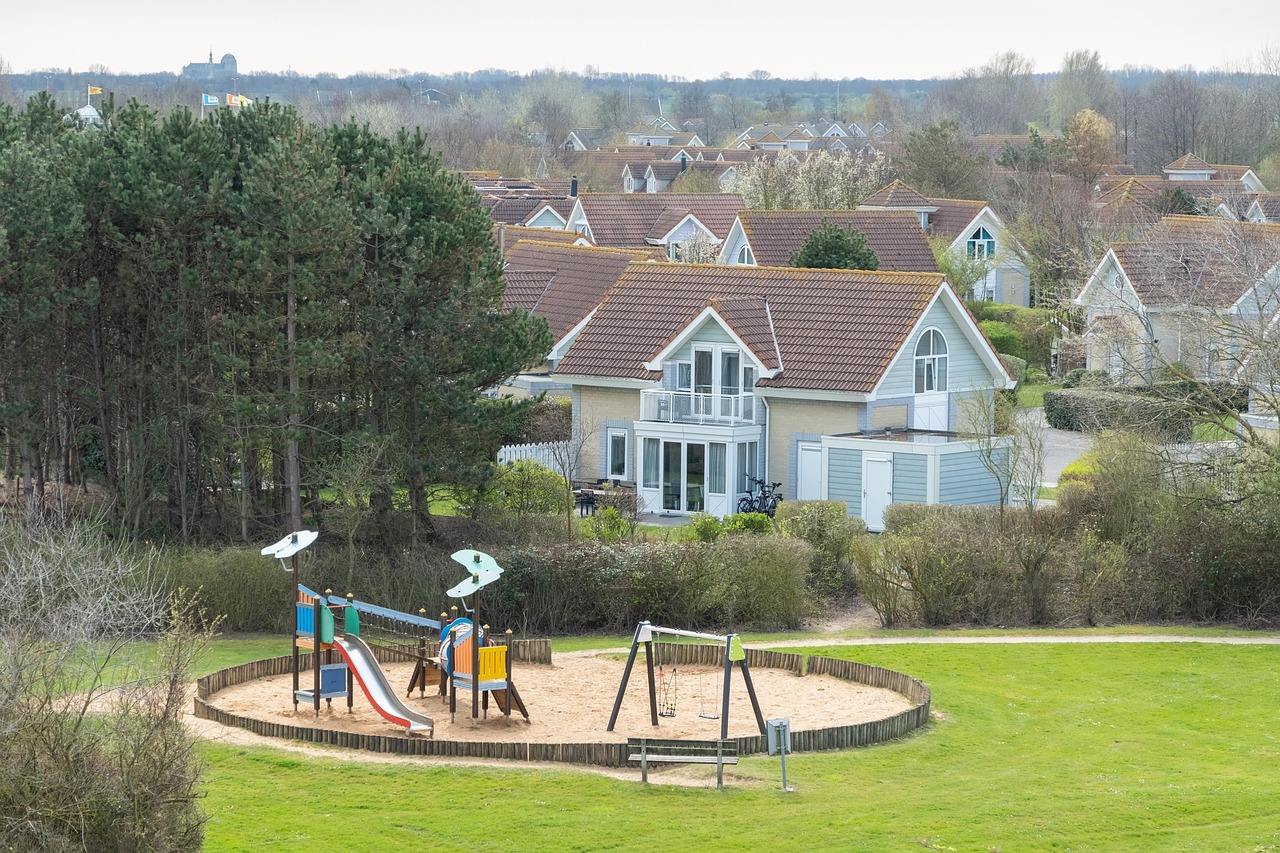
The concept of multi-generational households is gaining traction as a viable solution to modern housing challenges. This trend, characterized by multiple family members, often spanning different age groups and generations, living under one roof or in close proximity, presents unique opportunities and considerations for housing solutions. The need for affordable, flexible, and adaptable housing has led to a growing interest in ADUs (Accessory Dwelling Units) as a key component of the future of housing, especially in the context of multi-generational living.
In many cases, multi-gen households form due to various factors, including economic pressures, aging populations, and changing family dynamics. Younger adults may delay independence to avoid the high costs of traditional homeownership, while aging relatives may require assistance or companionship. This demographic shift presents a significant challenge to the housing market, which has historically focused on nuclear families. The US Department of Housing and Urban Development (HUD) has recognized this trend, highlighting the potential of ADUs as a flexible solution for these diverse household needs.
Local ADU specialists near me are increasingly sought after as communities look to embrace this growing trend. These professionals can guide families through the legal and design complexities of expanding their living spaces. They can assist in navigating local building codes and permitting processes, which can vary widely between jurisdictions. Overcoming communication barriers is also essential when multiple generations are involved. ADU specialists can facilitate open dialogue, ensuring that everyone's needs and preferences are considered, from the practical (like storage solutions) to the emotional (such as maintaining privacy and personal space).
An example of a successful adu-for-multi-generational-living project might involve transforming an attached garage into a self-contained apartment for an aging couple, allowing them to stay in their long-term home while providing space for their adult children and their families. This approach not only expands emergency shelter options within existing homes but also fosters stronger community connections. By leveraging the expertise of local specialists, multi-gen households can find tailored solutions that address their unique needs, ensuring that housing remains a source of stability and support across generations.
ADUs: A Viable Solution for Affordable Housing
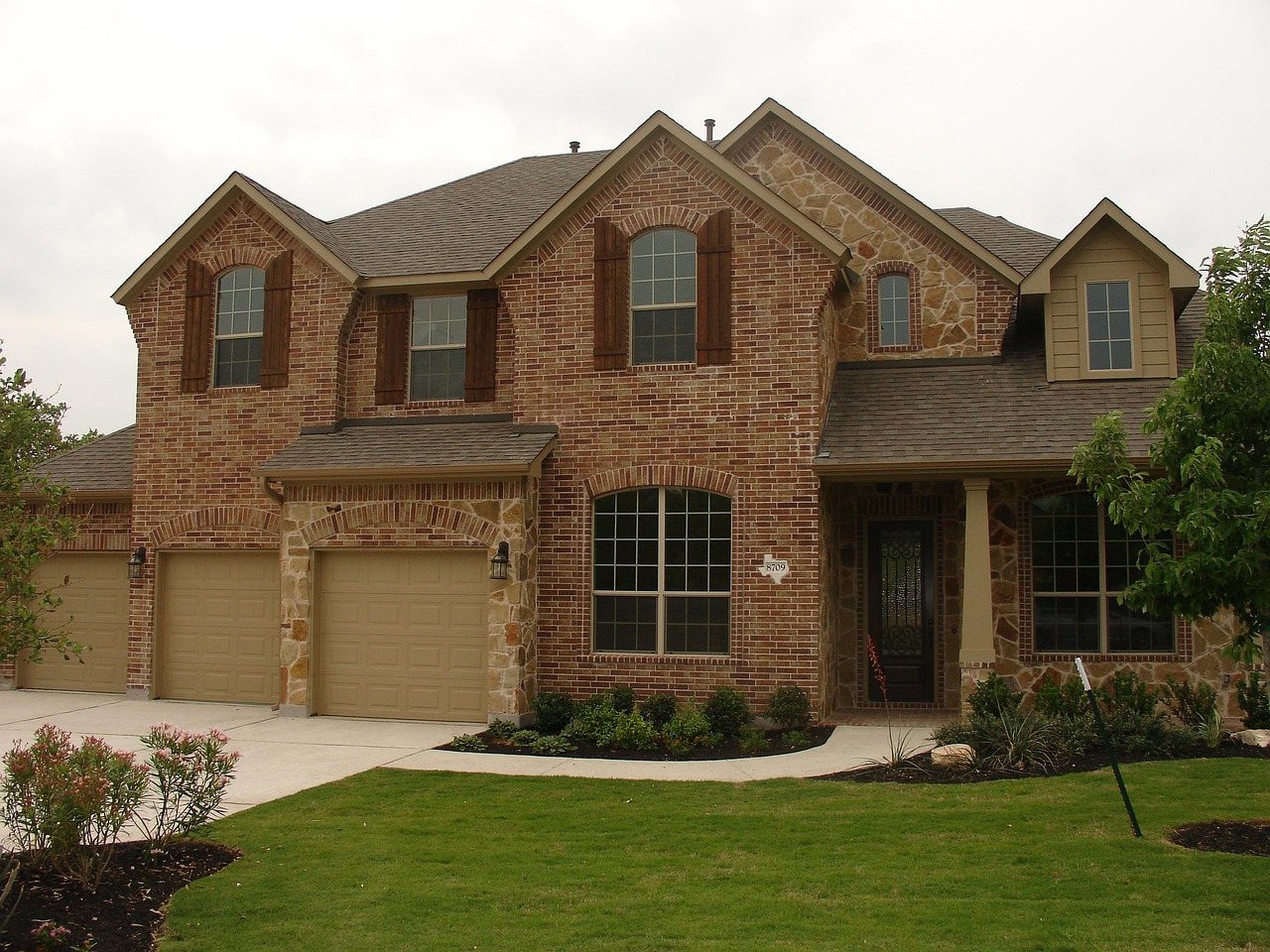
The demand for housing that accommodates multi-generational households is on the rise, driven by factors such as aging populations and changing family dynamics. In response to this trend, Affordable Multi-Generational ADUs (ADUs for multi-generational living) are emerging as a viable solution, offering both economic and practical benefits. These additional dwelling units, often attached to or converted from existing structures, provide an essential option for families seeking more affordable and flexible housing arrangements.
Research from the ADU Research Institute highlights the potential of ADUs in addressing emergency shelter expansion and caregiving needs. By expanding housing options, ADUs can help alleviate strain on traditional shelters, providing a more comfortable and familiar environment for those in need. ADUs serve as excellent caregiving solutions for aging-in-place families, allowing seniors to remain in their homes while receiving the assistance they require. This is particularly relevant as the US Department of Housing and Urban Development (HUD) recognizes the importance of supporting independent living for older adults.
The National Association of Home Builders (NAHB) reports that well-designed ADUs can significantly enhance the livability and accessibility of homes, catering to the unique needs of multi-generational households. Local Building Departments play a crucial role in ensuring these structures meet safety and zoning standards, while Financial Advisors can guide families through the cost-effective options available for funding such projects. Interior Designers and Home Stagers contribute to making these spaces functional and inviting, catering to diverse lifestyles. A property management company specializing in ADUs can provide ongoing support for tenants, ensuring a comfortable and secure living environment.
Community Development Block Grants (CDBGs) offer another avenue for funding ADU projects, fostering community development and affordable housing initiatives. By embracing ADUs, neighborhoods can become more inclusive and resilient, strengthening local communities while addressing critical housing needs. This innovative approach to housing not only supports growing multi-generational families but also contributes to the overall health and vibrancy of affordable housing options.
Benefits of ADUs for Multi-Generational Living

The growing trend of multi-generational households presents unique challenges and opportunities for modern housing. Among the innovative solutions gaining traction, Accessible Detached Units (ADUs) are proving to be a versatile and practical approach to accommodate diverse family needs. ADUs for multi-generational living offer a range of benefits, addressing critical housing affordability concerns while facilitating caregiving and fostering community.
One of the most significant advantages is their ability to create semi-autonomous living spaces within a larger home, providing privacy and independence for older relatives or younger adults. This setup can be particularly beneficial for aging caregivers, allowing them to live in a familiar environment while offloading some responsibilities to a separate unit. ADUs can serve as a valuable source of additional income for homeowners, helping to offset the costs of caregiving and contributing to overall financial stability.
Financing options for ADUs have evolved to cater to diverse family circumstances. Traditional methods, such as home equity loans or personal loans, remain viable. However, government programs like the Community Development Block Grant (CDBG) and state housing authorities are increasingly recognizing the value of ADUs as caregiving solutions, offering grants and low-interest loans to encourage their development. These initiatives not only address housing affordability but also build community resilience. For families with modest means, creative financing plans, tailored to their specific needs, can make ADU ownership more accessible, ensuring that multi-generational living remains a feasible and desirable option.
Designing ADUs for Optimal Multi-Gen Functionality
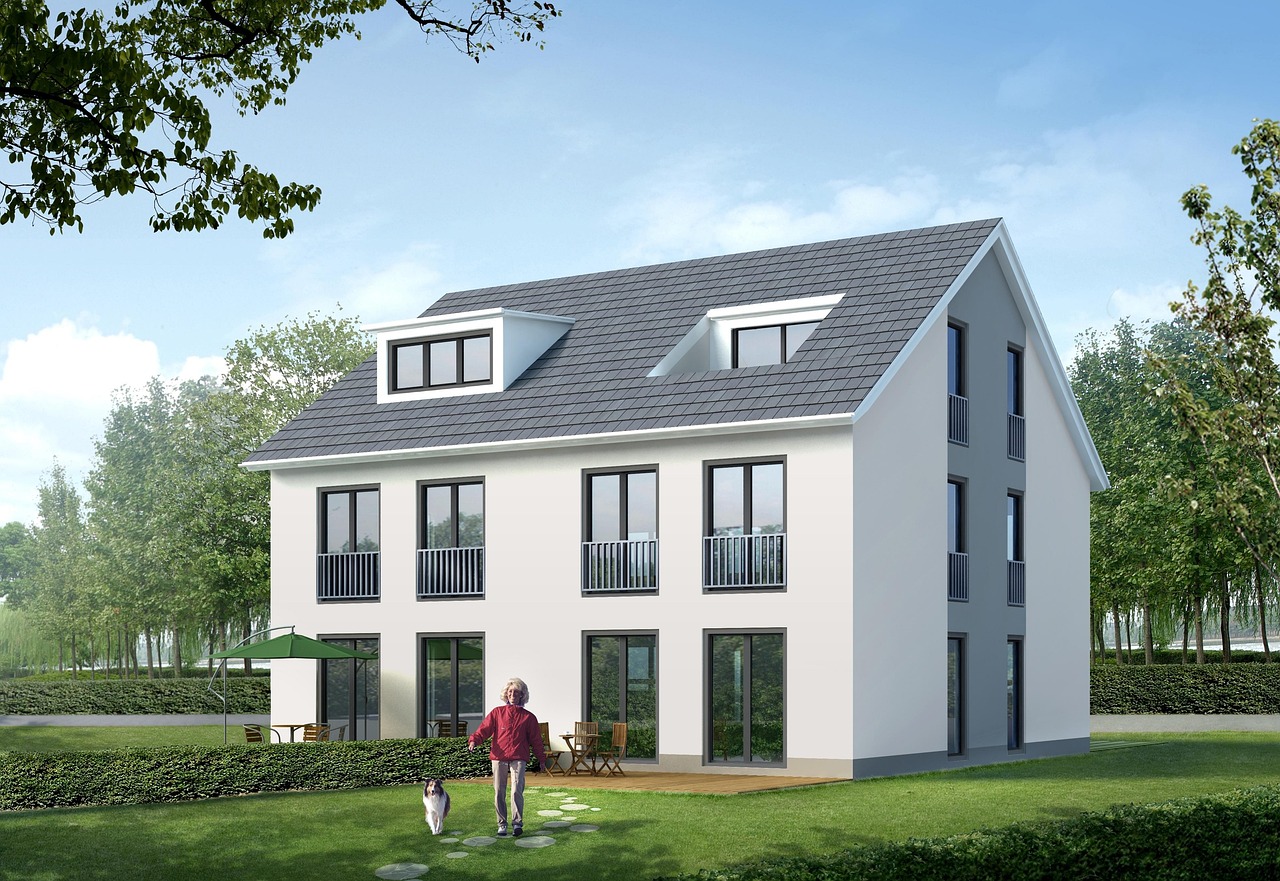
When designing ADUs for multi-generational living, the goal is to create a functional space that caters to the diverse needs of family members across different age groups. This involves both thoughtful spatial planning and careful consideration of local building codes. A larger ADU might accommodate aging relatives with accessible features while still providing private spaces for younger generations. Tailoring the design to these specific needs ensures that the ADU serves as a vibrant hub for multi-generational interaction and independent living.
Navigating building codes for ADU projects is crucial for a successful and compliant build. Local regulations vary significantly, affecting everything from size restrictions to zoning laws. To streamline this process, same-day estimates from experienced contractors can be invaluable. These professionals are well-versed in the nuances of building codes and can provide quick, accurate assessments. By securing these estimates 1-3 times during the design phase, homeowners can avoid costly delays and make informed decisions about the ADU's layout and features.
Interior designers and architectural specialists play a pivotal role in crafting ADUs that maximize multi-generational functionality. They can help integrate shared spaces, such as a multi-purpose room, while ensuring each generation has its own designated areas for privacy. A flexible living area could double as a playroom for children and a quiet study for teenagers, with separate zones for older adults. This versatility not only accommodates current needs but also anticipates changes over time.
Property management companies can also contribute to the success of ADU projects. They can offer insights into rental market trends, helping homeowners understand the potential return on investment. These companies can facilitate the management of the ADU, ensuring smooth operations and maintaining a positive living environment for all residents, regardless of age. By collaborating with these experts, homeowners can create an affordable multi-generational ADU that fosters connection and independence.
Legal and Zoning Considerations for ADU Installation
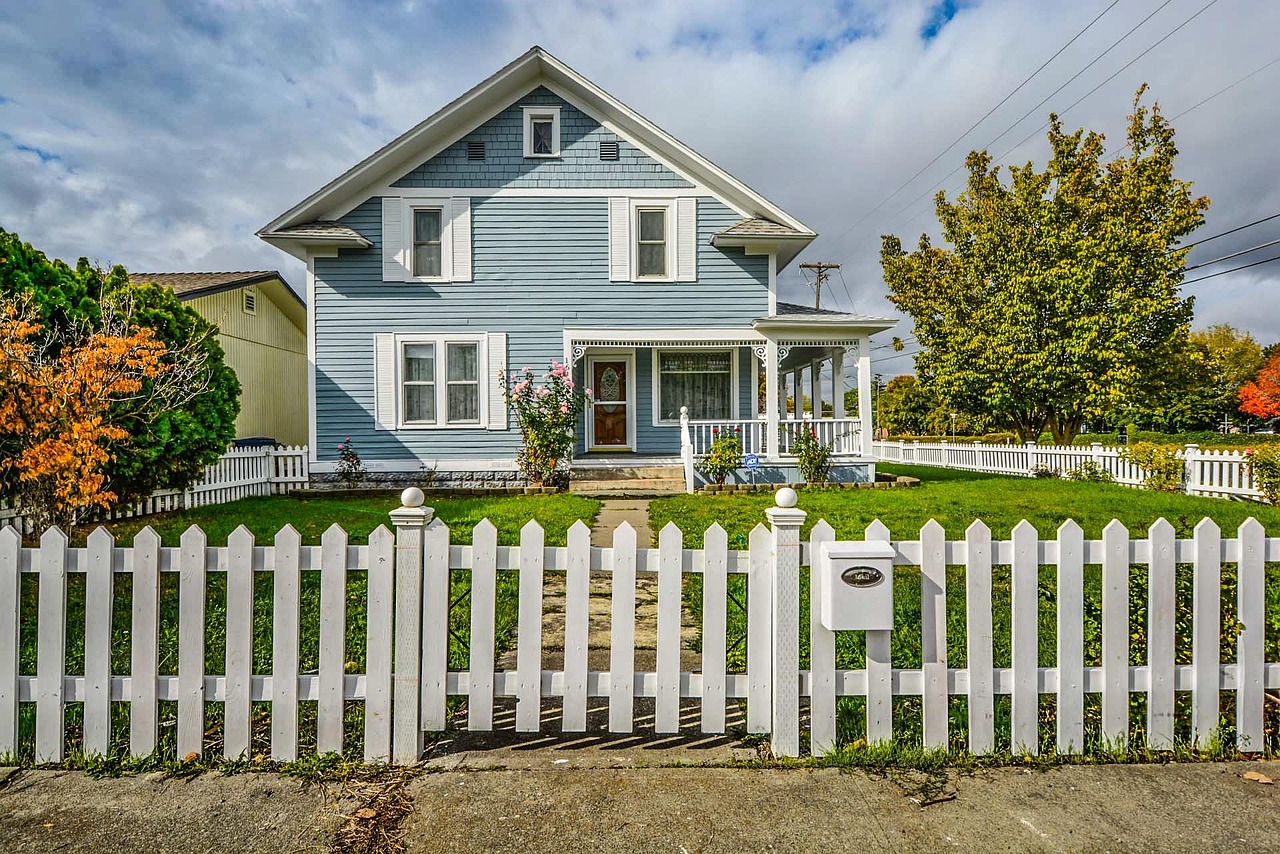
The legal and zoning landscape surrounding Accessory Dwelling Units (ADUs) for multi-generational living varies widely, creating both opportunities and challenges for trusted adu experts. While the US Department of Housing and Urban Development (HUD) and the National Association of Home Builders (NAHB) have promoted ADUs as a viable solution to the growing need for affordable housing, local building departments and state housing authorities hold the power to shape their implementation. This variability can impact the speed and feasibility of professional ADU installation.
In some jurisdictions, ADUs are tightly regulated, with strict building codes and permits required. Certain communities may mandate specific design elements or set limits on the number of ADUs allowed per property. These stringent regulations can extend the timeline for installation and increase costs, especially for custom projects. Conversely, forward-thinking cities are streamlining ADU approval processes, incentivizing developers and homeowners with faster permitting and potential tax benefits. Consumer preferences for multi-gen ADUs, which often prioritize functionality, accessibility, and private living spaces, play a crucial role in shaping zoning decisions.
Navigating these legal and zoning considerations requires expertise. Trusted adu experts stay abreast of local regulations, helping clients understand the process and ensure compliance. They can also offer strategic design advice to maximize space and meet specific needs, like adaptable layouts for aging-in-place or multi-generational households. By staying informed and leveraging their industry connections, these experts can guide homeowners through the complexities, ensuring a successful ADU installation that meets both legal requirements and the evolving demands of multi-generational living.
The Cost of Building and Owning ADUs for Multi-Gen Homes
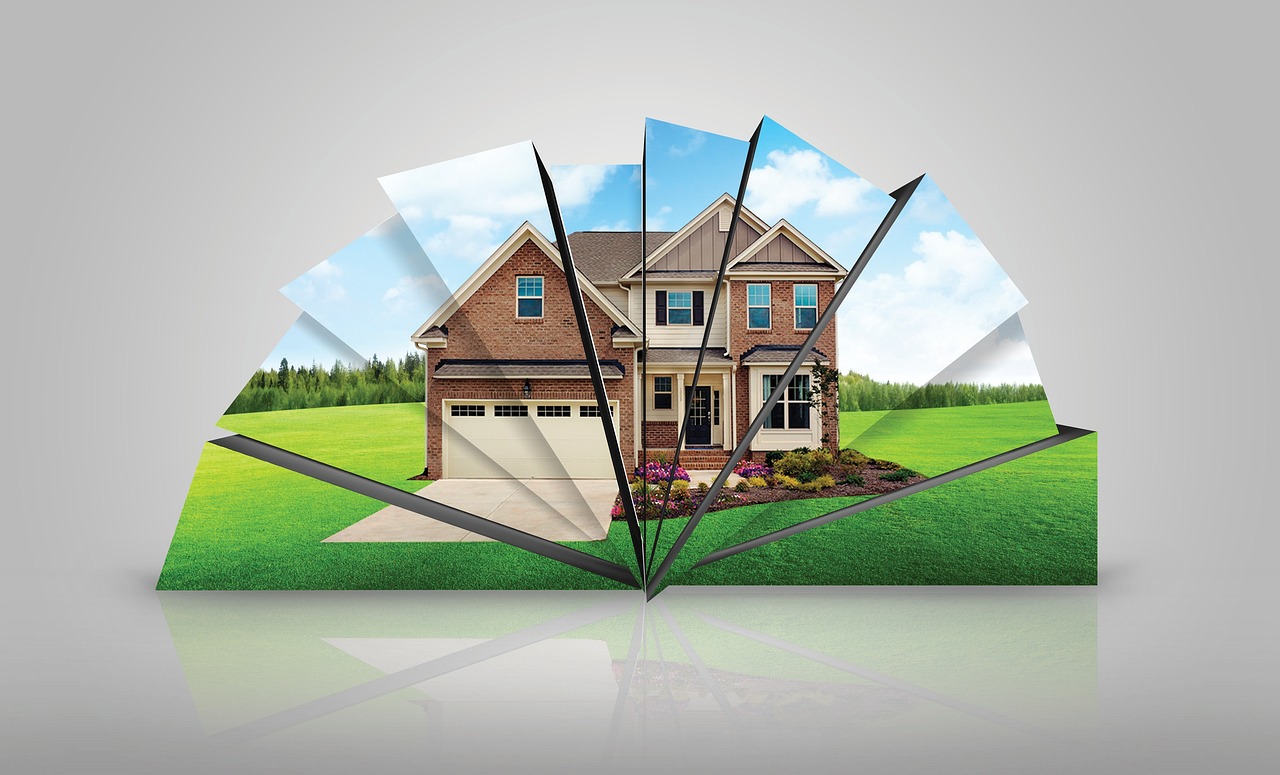
The cost of building and owning affordable multi-generational ADUs (accessory dwelling units) presents a compelling case for their growing popularity as a solution to the challenges of multi-gen households. While initial construction costs can vary widely based on location, size, and complexity, a well-designed ADU offers a cost-effective approach to housing, providing both financial and social benefits. According to the National Association of Home Builders, most installations take one to two days, making them relatively swift additions to existing properties.
Community engagement through ADUs for multi-gen living has proven to be a significant driver of consumer preferences. Local building departments often streamline permitting processes for ADUs, recognizing their value in enhancing neighborhood density and social connections. Financial advisors recommend ADUs as a strategic investment, not only for the potential rental income but also for the long-term equity they bring to the property. The US Department of Housing and Urban Development (HUD) has noted a growing interest in ADUs among aging caregivers, who seek both financial relief and the ability to maintain close relationships with their adult children and grandchildren.
Designing ADUs for multi-generational living requires careful consideration of diverse needs. Architectural and interior designers work with clients to create spaces that foster intergenerational interaction while maintaining privacy and comfort. Property management companies play a crucial role in ensuring the smooth operation of multi-gen ADUs, handling everything from tenant screening to maintenance requests. A successful ADU project in an affordable multi-generational community centered around a community center and local church has fostered a strong sense of belonging among residents of all ages.
The consumer preferences for multi-gen ADUs are clear: they offer a practical, cost-effective solution to the complex issue of housing for growing multi-generational families. By integrating ADUs into community development plans, local governments can address housing shortages and create more inclusive, vibrant neighborhoods. Experts predict that as the trend towards multi-gen households continues, the demand for ADUs will only grow, making them a key component of the future of housing.
Case Studies: Successful ADU Implementations for Multi-Gen Families
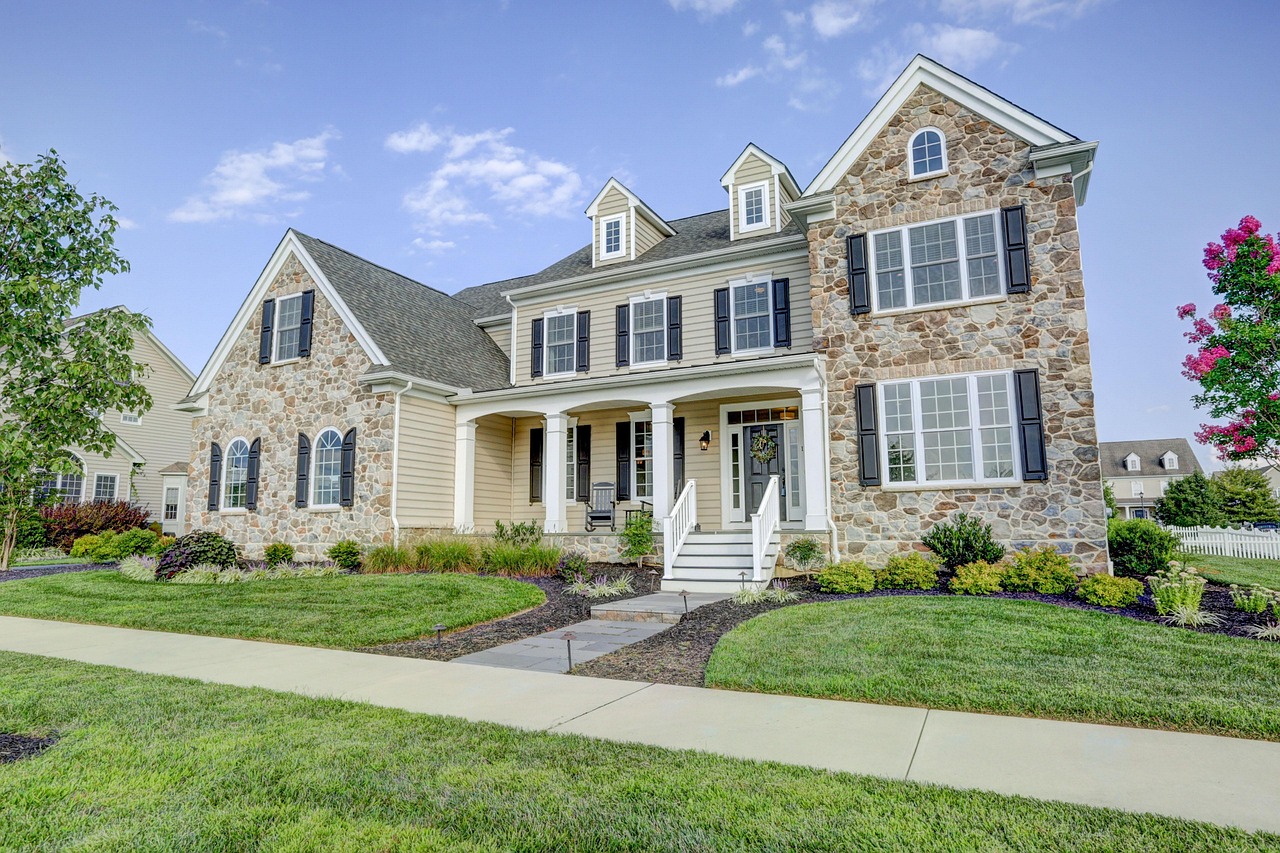
Successful case studies demonstrate the tangible benefits of affordable multi-generational ADUs. Consider the Johnson family, who, with the help of top-rated multi-gen ADU services, transformed their backyard into a self-contained suite for their aging parents. This solution not only provided them with much-needed space but also allowed their parents to age in place, enjoying the company of their grandchildren while maintaining their independence. This kind of implementation is becoming increasingly common, driven by both the desire for family togetherness and the practical needs of multi-generational households.
These projects often face unique challenges, requiring careful planning and expert knowledge. Integrating ADUs into existing homes while maintaining seamless access and functionality for all generations can be complex. Architectural designers and interior designers with experience in multi-gen ADUs can play a crucial role in these situations. They work with clients to create custom designs that meet the specific needs and preferences of each generation, ensuring the space is functional, accessible, and aesthetically pleasing.
The US Department of Housing and Urban Development (HUD) and local Community Development Block Grants (CDBs) have been instrumental in promoting and funding affordable multi-generational ADU projects. These programs recognize the value of ADUs in addressing housing challenges and supporting strong, connected communities. Many state housing authorities and local building departments have adapted their regulations to accommodate the growing popularity of ADUs for multi-generational living, streamlining the permitting process and making these projects more feasible for families.
By leveraging the right resources and expertise, multi-gen ADU implementations can be a win-win for families. They offer a cost-effective solution for housing, strengthen family bonds, and promote aging in place.
The Future of Housing: ADUs as a Sustainable Multi-Gen Model
The future of housing lies in innovative solutions that address the growing need for multi-generational living, and affordable multi-generational ADUs (Accessory Dwelling Units) are emerging as a sustainable and practical answer. As society shifts towards larger, multi-generational households, the traditional single-family home model may no longer meet the needs of modern families. This shift is particularly evident in urban areas where space is limited, and families seek more affordable options. ADUs offer a flexible, efficient, and cost-effective solution, providing dedicated living spaces for each generation within a single property.
Navigating building codes for ADU projects is a crucial aspect of realizing this sustainable multi-gen model. Local building departments often have specific regulations regarding ADU construction, including size, zoning, and accessibility requirements. The US Department of Housing and Urban Development (HUD) provides guidelines and resources to help developers and homeowners understand local codes. The National Association of Home Builders (NAHB) also offers support, offering a practical guide to ADU construction, including design and financial considerations. When designing niche ADU spaces tailored to multi-generational families, architects and interior designers can create functional and appealing environments. These spaces should accommodate varying needs, from private living areas for older adults to shared spaces for intergenerational bonding.
Implementing an affordable multi-generational ADU requires careful financial planning and community engagement. Financial advisors can help families navigate the costs associated with ADU construction and renovation, including permits, labor, and materials. The Community Development Block Grant (CDBG) program, administered by state housing authorities, often provides funding opportunities for affordable housing projects, including ADUs. Engaging with local community centers, churches, and neighborhood associations is also vital, as these entities can offer support and resources, fostering a sense of community within the multi-gen ADU. By combining expert design, financial acumen, and community involvement, ADUs have the potential to revolutionize housing, providing sustainable, affordable, and inclusive living arrangements for growing multi-generational households.
Frequently Asked Questions About The Future of Housing: ADUs as a Solution for Growing Multi-Gen Households
What is an Affordable Multi-Generational Unit (ADU)?
An ADU, or accessory dwelling unit, is a separate, self-contained housing unit attached to a main residence. It can be a fully functional apartment or studio, providing additional living space for extended family members, roommates, or tenants. ADUs are gaining popularity as a solution for multi-generational households due to their affordability, flexibility, and ability to adapt to changing family needs.
Why are ADUs becoming popular for multi-generational households?
The rising cost of housing and the desire for more intergenerational connections are driving the popularity of ADUs. They offer a cost-effective solution for families who want to live together while maintaining privacy. ADUs allow for flexible living arrangements, enabling older adults to remain in their homes while young adults or grandchildren have their own space. This intergenerational model promotes stronger family bonds and can help alleviate the financial burden of housing.
What are the benefits of installing an ADU?
Installing an ADU offers numerous advantages. For homeowners, it can increase property value, provide an additional source of income through renting, and create a supportive living environment for aging relatives. For tenants, it offers affordable housing options and the opportunity to build equity. ADUs also contribute to more sustainable communities by potentially reducing housing costs and encouraging multi-generational living.
How much does an ADU cost to install?
The cost of installing an ADU varies based on factors like location, size, and complexity of construction. Most installations take one to two days, with labor accounting for a significant portion of the expense. Homeowners can expect to pay between $30,000 and $100,000 for a basic ADU, depending on their region and specific needs.
Are there any legal considerations for installing an ADU?
Yes, local zoning laws and building codes play a crucial role in ADU installation. Property owners must ensure their local regulations permit ADUs and comply with any specific requirements regarding size, zoning, and accessibility. Consulting with local authorities and professionals like architects or builders familiar with ADU regulations is essential to avoid legal complications.
Can an ADU be converted into a primary residence?
While some ADUs are designed as temporary or supplemental living spaces, they can be converted to primary residences. However, this process may involve additional permits, building modifications, and potential impacts on property taxes. It's important to consider long-term plans and local regulations when deciding whether to use an ADU as a primary or secondary dwelling.
As we look to the future of housing, especially in the context of growing multi-generational households, affordable multi-generational ADUs (accessory dwelling units) emerge as a compelling solution. This article has explored the many facets of ADUs for multi-gen living, from the increasing trend of multi-generational families under one roof to the practical and financial benefits of ADUs as a viable housing option. We've examined the design considerations, legal aspects, and even seen successful case studies, highlighting the versatility and sustainability of this model.
The key takeaway is that ADUs for multi-generational living offer a practical, affordable, and adaptable housing solution. By tapping into this resource, communities can address the growing demand for housing that accommodates diverse family structures. The potential for ADUs to foster stronger communities and support aging in place is significant.
Next steps for advocates and policymakers include:
- Encouraging local building departments to streamline zoning regulations to facilitate ADU construction.
- Providing financial incentives and grants, such as those from the US Department of Housing and Urban Development and state housing authorities, to make ADUs more accessible.
- Collaborating with architects, interior designers, and property management companies to ensure ADUs are designed with optimal multi-gen functionality.
- Engaging community centers, local churches, and neighborhood associations to foster a supportive environment for multi-generational living.
ADUs represent a promising path forward, offering both a practical and compassionate response to the challenges of growing multi-generational households.
The growing trend of multi-generational households necessitates innovative housing solutions, making affordable ADUs (Accessory Dwelling Units) a viable option. ADUs provide flexible, adaptable, and often cost-effective living spaces for diverse family needs. Local specialists guide families through legal complexities and design considerations, fostering open communication. ADUs enhance community connections, support aging-in-place, and cater to consumer preferences for functional, intergenerational spaces. Well-designed ADUs can address emergency shelter needs and improve neighborhood density. With expert guidance, ADUs offer a key component for the future of housing, addressing the challenges of multi-gen households.