
In today's evolving family structures, the adu-for-multi-generational-living is transforming the way we design and build homes. As families grow, live longer, and seek intergenerational connections, the need for affordable, sustainable spaces that accommodate diverse needs is more pressing than ever. The challenge lies in creating functional, eco-friendly additions that blend seamlessly with existing homes, offering privacy, comfort, and accessibility for all generations. This article explores how sustainable ADUs can be a solution, highlighting innovative designs, legal considerations, and community benefits that make these multi-generational living spaces a reality. By examining the practical aspects of planning, design, and implementation, we offer valuable insights for those seeking to create inclusive, modern homes.
- Eco-Design Principles: Creating Sustainable ADU Spaces
- Site Selection: Choosing the Right Spot for Multi-Gen ADUs
- Energy Efficiency: Key to Green ADU Construction
- Water Conservation: Strategies for Multi-Gen ADU Homes
- Materials Matters: Eco-Friendly Choices for ADU Construction
- Ventilation and Air Quality: Ensuring Health in Multi-Gen ADUs
- Integrating ADUs into Multi-Generational Home Dynamics
Understanding ADUs: The Foundation for Multi-Gen Living

An affordable multi-generational adu (additional dwelling unit) serves as a cornerstone for fostering interconnectedness and enhancing the quality of life for diverse family members across generations. When designed with sustainability in mind, these spaces offer a cost-effective solution for multi-gen living, combining functionality, comfort, and environmental responsibility. At its core, an adu-for-multi-generational-living is a thoughtfully planned and professionally installed extension of a primary residence, tailored to accommodate varying needs.
Professional adu installation goes beyond construction; it involves integrating the structure seamlessly with the existing home while prioritizing accessibility, privacy, and shared spaces. A well-designed adu can include dedicated areas for each generation, from quiet study nooks for grandchildren to cozy living rooms for aging parents. This setup not only respects individual needs but also fosters a sense of community within the multi-gen household. The US Department of Housing and Urban Development (HUD) has recognized the potential of ADUs as caregiving solutions, highlighting their ability to support aging in place and improve intergenerational connections.
The National Association of Home Builders (NAHB) and ADU Research Institute emphasize the growing acceptance of ADUs as a viable housing option. This trend is further supported by the success of Community Development Block Grants (CDBs) in funding sustainable ADU projects. By leveraging these resources, families can create an affordable, eco-friendly space that meets their evolving needs. A neighborhood association might collaborate with local builders and property management companies to develop an ADU that accommodates a growing family, an aging relative, and even generates surplus income through short-term rentals. This holistic approach not only addresses the financial and residential challenges of multi-gen families but also strengthens the social fabric of the community.
Eco-Design Principles: Creating Sustainable ADU Spaces
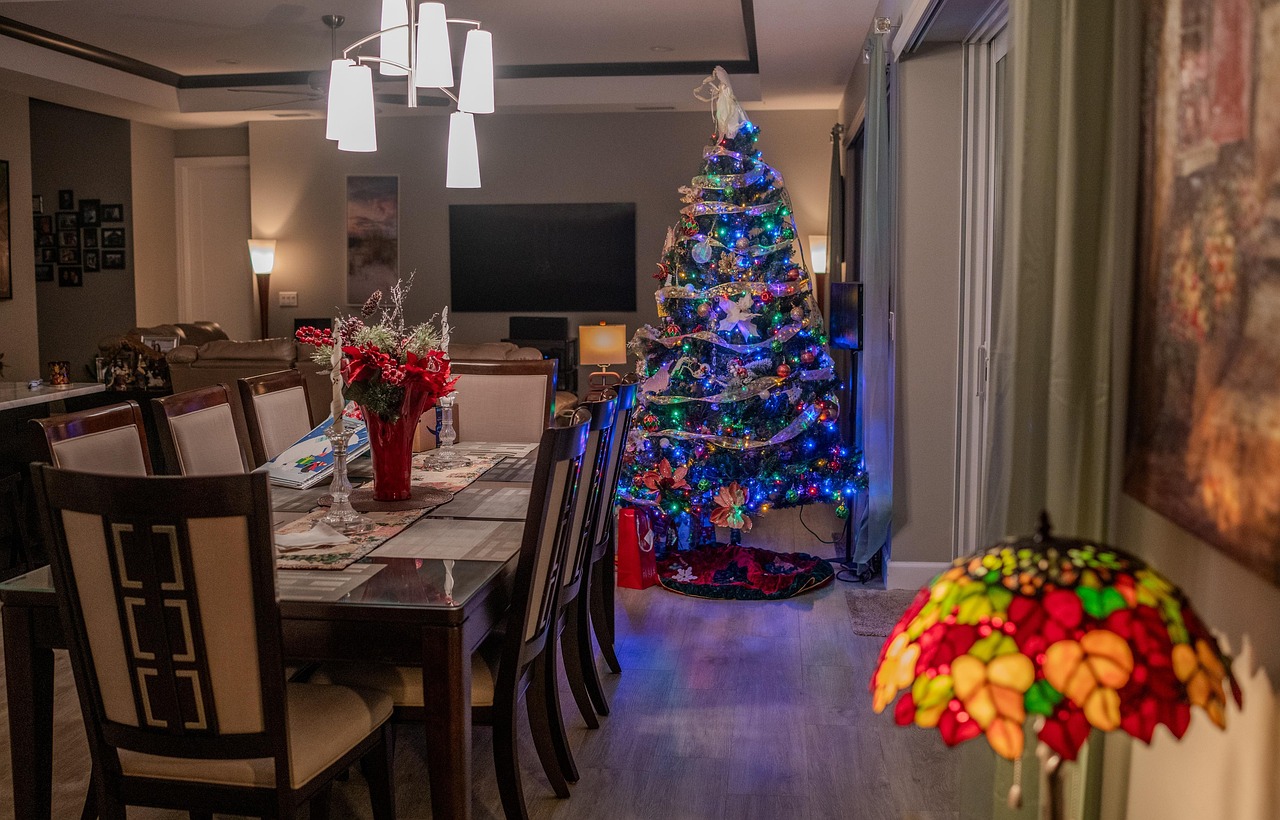
Sustainable ADUs, designed for multi-generational living, integrate eco-friendly principles to create not only cost-effective housing but also spaces that foster community engagement. These principles go beyond energy efficiency to encompass material choices, water conservation, and thoughtful land use, ensuring that the additions enhance the surrounding environment. The use of local, recycled, or low-carbon materials reduces the carbon footprint of construction while supporting local economies.
Professional ADU installation is crucial for achieving optimal sustainability. Expert installers not only ensure that the structure meets local building codes and regulations but also incorporate advanced techniques to maximize energy performance. They may use insulation strategies like air sealing, dual-paned windows, and energy-efficient appliances to minimize the environmental impact. Professional installers can help optimize space, making the ADU functional and comfortable for residents of all ages.
Community engagement through ADUs matters in creating sustainable, multi-generational living spaces. By designing ADUs that serve as community hubs, such as shared gardens or common areas, neighbors can build stronger connections and support each other. This social fabric contributes to overall well-being and can enhance the effectiveness of local resources, from shared tools and equipment to community-based caregiving services. The US Department of Housing and Urban Development, in conjunction with the National Association of Home Builders and local Community Development Block Grant programs, has recognized the potential of ADUs for affordable, sustainable housing, further underscoring their importance in modern communities.
Site Selection: Choosing the Right Spot for Multi-Gen ADUs

Choosing the right location is crucial for the long-term success and sustainability of an affordable multi-generational adu. Site selection for these eco-friendly additions requires careful consideration of several factors, especially when catering to diverse family needs. First, assess the property's zoning regulations and building codes. The Local Building Departments often dictate what can be constructed, where, and how, so ensure the site is suitable for ADUs, and understand any specific requirements for multi-gen units. Certain neighborhoods may have restrictions on the size or number of additions, or specific design guidelines to maintain neighborhood character.
The physical aspects of the site itself are also key. Look for level, well-drained land with easy access to utilities and parking. Adequate space is essential for an ADU designed to accommodate multiple generations, allowing for privacy and comfortable living areas for each family. Proximity to community resources like schools, parks, and community centers can enhance the appeal and functionality of the adu-for-multi-generational-living. Consider the local climate and how it might impact energy efficiency and the overall comfort of the space. In regions with hot summers, a well-shaded site and proper insulation will be vital for long-term comfort and sustainable living.
Think about the future. Can the site accommodate potential expansion or changes in family dynamics? Niche adu designs that prioritize flexibility, such as convertible living areas or multi-purpose rooms, can be valuable investments. Incorporating smart home technology for monitoring and control can also enhance safety and ease of maintenance. ADU maintenance tips for long-term multi-gen living include regular inspections, proper ventilation, and staying up-to-date with local safety codes to ensure the space remains a safe and healthy environment for all occupants. Prioritizing quality construction and materials from the outset can help mitigate future repairs and costs.
Energy Efficiency: Key to Green ADU Construction

To cost-effective multi-gen housing solutions, sustainable ADUs (additions for multi-generational living) stand out as a promising avenue for addressing housing affordability. When designed with energy efficiency in mind, these additions not only reduce operational costs for homeowners but also significantly lower their environmental footprint.
The key to successful green ADU construction lies in the choice of materials and systems that optimize energy performance. The National Association of Home Builders (NAHB) emphasizes the importance of high-performance windows, effective insulation, and efficient HVAC systems. Best local ADU builders often incorporate these principles into their designs, ensuring that each project meets or exceeds current energy codes. A well-insulated roof, walls, and floors, coupled with energy-efficient lighting and appliances, can dramatically reduce energy consumption.
Integrating passive solar design principles can complement active energy-saving systems. Proper orientation, strategic window placement, and the use of thermal mass can help heat or cool the space naturally, reducing the reliance on mechanical systems. This holistic approach to energy efficiency not only lowers utility bills but also contributes to a healthier indoor environment. As the ADU Research Institute points out, these eco-friendly designs can serve as models for future construction, potentially influencing broader housing trends toward sustainability.
When considering the financial aspects, energy-efficient ADUs offer a compelling return on investment. While the initial cost of incorporating these features may be higher, the long-term savings on energy bills can offset these expenses. Financial advisors and community development organizations often highlight the potential for reduced utility costs as a significant benefit, especially for aging caregivers who may see substantial savings over time. The growing demand for sustainable housing options can increase the market value of these properties, making them a smart investment for homeowners interested in both affordability and environmental responsibility.
Water Conservation: Strategies for Multi-Gen ADU Homes
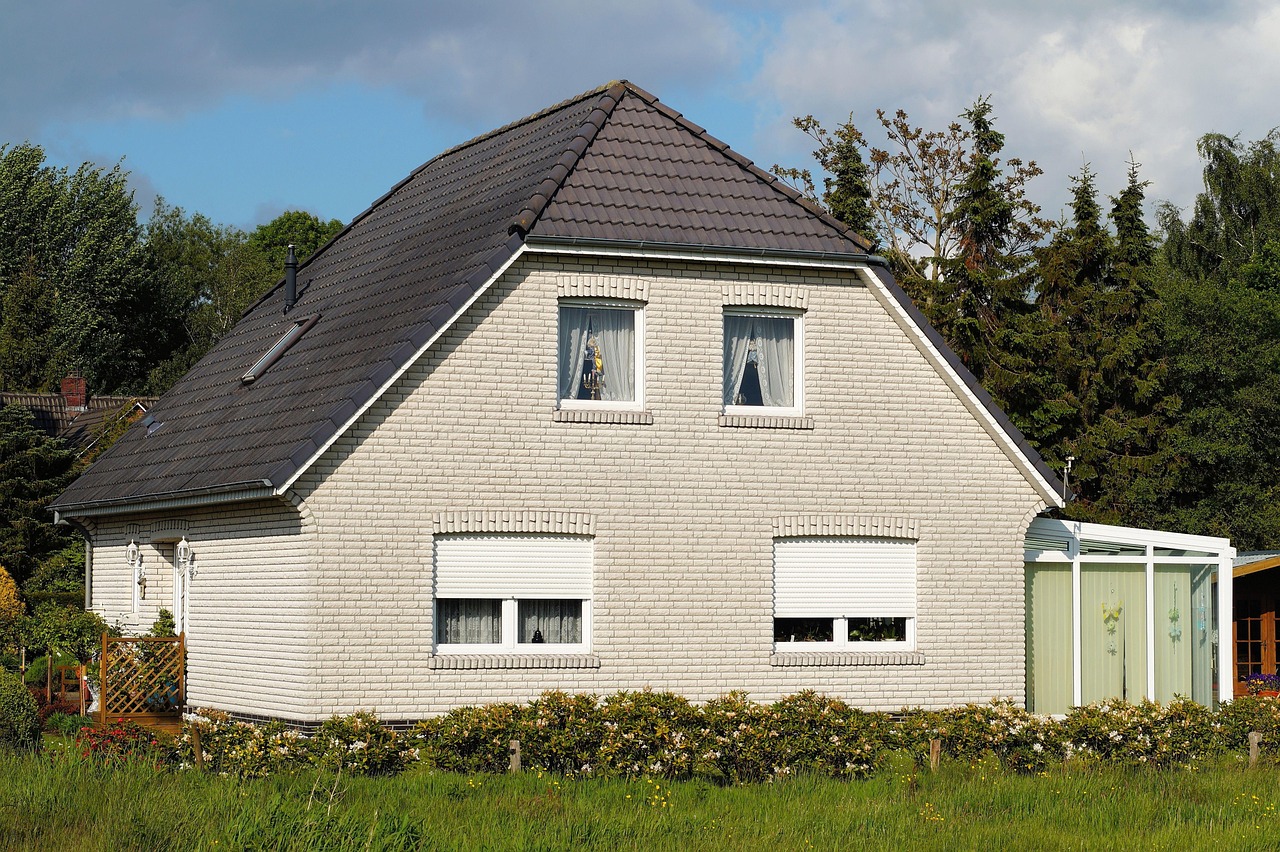
Water conservation is a critical aspect of sustainable living, and when designing an adu-for-multi-generational-living space, it's essential to consider eco-friendly strategies that promote resource efficiency. These homes, often used for aging in place or by multi-generational families, can significantly reduce water consumption through various methods. One effective approach is to install low-flow fixtures, such as aerated faucets and low-flush toilets, which reduce water usage without compromising functionality.
Navigating building codes for adu projects can be a challenge, but incorporating water-saving technologies is often encouraged and supported by local regulations. Many areas offer incentives, like rebates or tax credits, for homeowners who invest in water-efficient appliances and fixtures. Financial advisors and local utility companies can provide guidance on these programs, helping to offset the initial costs of installation. By integrating these cost-saving adu building tips, homeowners can create a comfortable and sustainable living environment while minimizing their environmental impact.
Designing outdoor spaces with drought-resistant plants and efficient irrigation systems further reduces water demand. Rainwater harvesting is another strategy worth considering. Collecting and storing rainwater from roof runoff can be utilized for various purposes, from gardening to toilet flushing, thereby decreasing the strain on municipal water supplies. These water conservation measures not only contribute to the overall sustainability of the adu but also demonstrate a commitment to responsible resource management for current and future generations.
Materials Matters: Eco-Friendly Choices for ADU Construction
To sustainable and eco-friendly living, the design and construction of an adu-for-multi-generational-living plays a pivotal role. When considering materials for these affordable multi-generational ADUs, builders and homeowners must balance aesthetics, durability, and environmental impact. This is especially important given the growing interest in community engagement through ADUs and the need for best local ADU builders who can offer both quality and eco-conscious solutions.
One of the most significant decisions in any ADU project is the choice of building materials. Local adu specialists near me often recommend materials that are locally sourced and have a lower environmental footprint. Utilizing recycled or reclaimed wood can significantly reduce the carbon footprint associated with traditional lumber, while also adding a unique aesthetic appeal. Similarly, incorporating natural insulation options like cellulose or local, sustainable fiberglass can enhance energy efficiency, lowering long-term utility costs.
The US Department of Housing and Urban Development (HUD) and organizations like the National Association of Home Builders (NAHB) have recognized the potential of ADUs in addressing housing and community development needs. They encourage the use of sustainable materials to ensure the long-term health and viability of these spaces. Choosing low-VOC (Volatile Organic Compound) finishes and adhesives can improve indoor air quality, benefiting both the builders and future occupants. This is particularly important in close-quarter living spaces, which is common in multi-generational ADUs.
Engaging with local communities can lead to more sustainable practices and materials choices. Builders can collaborate with local suppliers and artisans, ensuring not only a more eco-friendly supply chain but also supporting local businesses. This community-focused approach can also lead to more efficient waste management and recycling strategies, further reducing the environmental impact of ADU construction. By prioritizing these eco-friendly choices, builders can contribute to a more sustainable future while creating valuable, affordable living spaces for diverse generations.
Ventilation and Air Quality: Ensuring Health in Multi-Gen ADUs
In any adu-for-multi-generational-living space, ensuring proper ventilation and air quality is paramount to maintaining a healthy and comfortable environment for residents of all ages. As these homes often house multiple generations with diverse needs, trusted adu experts emphasize the importance of tailored ventilation solutions. Niche adu designs for multi-gen families must consider factors like humidity control, natural light, and efficient air circulation to prevent the buildup of pollutants and allergens.
Community engagement through adus matters in enhancing overall well-being. Local building departments and state housing authorities often mandate minimum ventilation standards, but trusted experts advocate for going beyond compliance. Incorporating energy-efficient mechanical ventilation systems, such as heat recovery ventilators, can significantly improve air quality by expelling stale air and replacing it with fresh, filtered outdoor air. This is particularly crucial in areas with high pollution levels or during seasons with poor air quality.
Designing adus with cross-ventilation in mind-using windows strategically placed to allow for natural airflow-can provide a cost-effective and eco-friendly alternative. Proper placement of these windows, coupled with careful consideration of insulation and weatherproofing, ensures a comfortable indoor temperature while minimizing energy consumption. By integrating these strategies, adu-for-multi-generational-living spaces can foster healthier environments, promote better sleep, and contribute to the overall well-being of residents, reinforcing the role of trusted adu experts in creating niche designs tailored to the unique needs of multi-gen families.
Integrating ADUs into Multi-Generational Home Dynamics
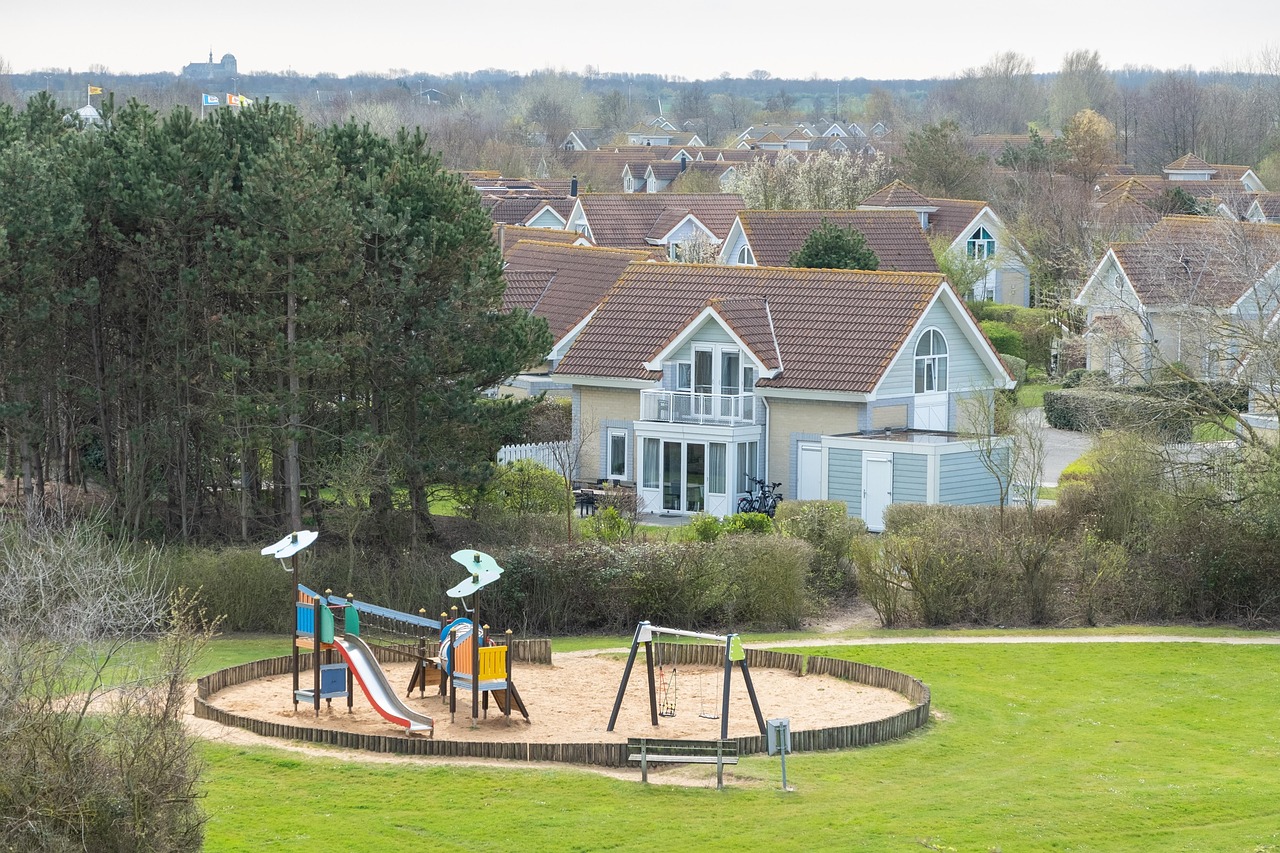
Integrating ADUs (Accessible Dense Unit) into multi-generational homes creates dynamic, sustainable living environments that cater to diverse needs. When thoughtfully designed, these additional living spaces can foster stronger community bonds, promote independent living for older adults, and provide crucial support for working parents and young adults. A well-planned ADU can offer a private suite for aging-in-place relatives, while also accommodating visiting grandkids or young professionals seeking affordable housing.
Successful integration requires a nuanced understanding of each generation's unique requirements. Local ADU specialists near me often tailor designs to maximize intergenerational interaction or ensure privacy as needed. Shared spaces like a community kitchen or dining area can encourage intergenerational meals, while separate entrances and private living areas provide personal space for all ages. When considering adu-for-multi-generational-living, homeowners should consult specialists who can offer same-day estimates, ensuring a swift decision-making process.
Long-term sustainability is a key benefit of ADUs in multi-gen homes. Proper maintenance and design choices, like energy-efficient appliances and lighting, can significantly reduce utility costs. Regular adu maintenance tips for multi-gen living include checking for water leaks, ensuring proper ventilation, and inspecting structural integrity. Homeowners can also minimize long-term costs by selecting durable, low-maintenance materials during construction. Selecting linoleum flooring over carpet reduces the need for frequent replacements, contributing to a more environmentally and financially sustainable home.
Community support is another critical aspect. Local churches, community centers, and neighborhood associations can play a vital role in fostering connections between multi-gen household members. These spaces can host events, support groups, or shared meals, reinforcing social bonds and enhancing overall well-being. By embracing adu-for-multi-generational-living, communities can create more inclusive, interconnected environments that enrich lives at every stage.
Frequently Asked Questions About Sustainable ADUs: Eco-Friendly Designs for Multi-Gen Homes
What are sustainable ADUs? Sustainable ADUs, or affordable multi-generational accessory dwellings, are secondary living spaces designed to be environmentally friendly and resource-efficient. They aim to minimize their ecological footprint while providing additional housing for multi-generational families or as a rental income source.
How do sustainable ADUs benefit multi-generational homes? By incorporating eco-friendly features like energy-efficient appliances, solar panels, and water conservation systems, sustainable ADUs reduce utility costs for the entire household. They also promote intergenerational connections, offer additional privacy, and can be a lucrative source of passive income for the primary homeowners.
What makes an ADU eco-friendly? Eco-friendly ADUs prioritize energy efficiency, water conservation, and the use of sustainable materials. This includes features like low-flow fixtures, energy-efficient lighting, and insulation made from recycled materials. Many also incorporate renewable energy sources, like solar panels, to decrease their carbon footprint.
How long does it typically take to install a sustainable ADU? Most sustainable ADU installations can be completed within one to two days, depending on the complexity of the design and the local building regulations. This swift construction allows families to enjoy their new living space quickly while maintaining a focus on sustainability.
Are there any financial incentives for installing a sustainable ADU? Yes, local and federal governments often offer tax incentives, grants, and rebates to encourage the construction of sustainable housing. These incentives can offset the initial installation costs and make eco-friendly ADUs a more financially viable option for homeowners.
Can sustainable ADUs be customized to fit various architectural styles? Absolutely. Sustainable ADU designs can be tailored to complement a wide range of architectural styles, from traditional to modern. The focus is on creating a functional and aesthetically pleasing space that seamlessly integrates with the main residence, enhancing the overall appeal of the property.
Sustainable ADUs designed for multi-generational living represent a powerful solution for modern families and communities. By integrating eco-friendly design principles, efficient energy systems, and water conservation strategies, these ADUs offer a cost-effective, adaptable, and environmentally responsible option. Key takeaways include the importance of site selection for optimal energy performance, the selection of durable and sustainable materials, and ensuring proper ventilation for occupant health.
The article highlights the growing need for multi-gen housing solutions, as demonstrated by the support from organizations like the US Department of Housing and Urban Development and the National Association of Home Builders. Moving forward, ADUs offer a viable path to address housing affordability, intergenerational connections, and sustainability. Architects, designers, and property managers can capitalize on these principles to create inclusive, vibrant, and resilient communities, fostering stronger relationships between generations.
An adu-for-multi-generational-living is a sustainable, cost-effective solution for multi-gen households, fostering interconnectedness and enhancing quality of life. Professional installation emphasizes accessibility, privacy, and shared spaces, while integrating eco-friendly design and materials strengthens community engagement. These spaces can accommodate aging relatives, support working parents, and generate income through rentals. CDBs, HUD, and the NAHB promote ADUs as caregiving solutions and viable housing, contributing to stronger, more sustainable communities.