In today's evolving family structures, the need for affordable multi-generational adu solutions is more critical than ever. As diverse generations live together, creating functional and comfortable spaces is essential for maintaining harmony and quality of life. However, financing these projects can be a significant obstacle. This article provides a practical guide to navigating the complex financial landscape of adu-for-multi-generational-living, offering practical insights and exploring various financing options tailored to the unique needs of multi-generational families. From understanding legal and financial aspects to leveraging community resources, we'll equip you with the knowledge to make informed decisions and successfully fund your adu project.
- Understanding ADU for Multi-Generational Living: Benefits and Costs
- Assessing Your Family's Financial Needs and Goals
- Exploring Government and Local Program Support for ADUs
- Traditional Mortgage Options for ADU Construction and Conversion
- Alternative Lending: Hard Money and Private Financing for ADUs
- Tax Incentives and Deductions for ADU Projects
- Leveraging Equity: Home Equity Loans for Multi-Gen ADU
- Collaborative Financing: Options for Multi-Family Involvement in ADU Costs
Understanding ADU for Multi-Generational Living: Benefits and Costs
The growing trend of adu-for-multi-generational-living offers a practical solution for families seeking affordable, accessible housing for multiple generations. This innovative approach not only addresses the housing needs of young adults, aging parents, or grandparents but also fosters a sense of community and shared living. By converting unused spaces like garages, attics, or basements into separate, functional units, families can enjoy the benefits of proximity and intergenerational bonding.
The advantages of adu-for-multi-generational-living are significant. According to the National Association of Home Builders, these additions can provide extra living space, promote independence for aging individuals, and even reduce healthcare costs. The US Department of Housing and Urban Development (HUD) reports that multi-generational households can strengthen community ties and offer invaluable support systems for all ages. Younger adults may benefit from mentorship and shared responsibilities, while elders can enjoy companionship and assistance with daily tasks.
However, realizing the dream of an adu for multi-generational living comes with financial considerations. While the long-term benefits can outweigh the initial costs, overcoming potential hurdles is essential. The best local adu builders, for instance, can provide valuable insights into the most cost-effective designs and construction methods. Financial advisors suggest exploring options like Community Development Block Grants (CDBGs) or grants from state housing authorities to offset the expenses. Successful communication is key. Overcoming communication barriers in shared adus requires clear conversations about privacy, shared spaces, and responsibilities, ensuring everyone's needs and preferences are respected. Establishing guidelines for common areas and noise levels can foster a harmonious environment for all occupants.
Adu-for-multi-generational-living presents a unique opportunity to create intergenerational spaces that promote independence, connection, and community. By understanding the benefits, costs, and communication dynamics involved, families can make informed decisions and turn their shared living vision into a reality, aging in place with grace and support.
Assessing Your Family's Financial Needs and Goals

Fundamentally, your family's financial situation and aspirations guide every decision in your ADU project for multi-generational living. Before exploring financing options, understanding your family's unique needs is crucial. Consider these key questions: Can your current housing accommodate growing generations without significant modifications? Is there a desire to live closer to extended family for support and companionship? What are your long-term financial goals, and how can an ADU contribute to them?
A cost-effective multi-gen housing solution, the ADU offers flexibility and intergenerational connection. However, overcoming communication barriers in shared ADUs can be vital. Transparent discussions about budget expectations, privacy needs, and responsibilities for maintenance and utilities are essential. Well-defined agreements ensure everyone's needs are met and potential conflicts are minimized.
Beyond the initial construction costs, remember to factor in long-term ADU maintenance tips for sustainable multi-gen living. Regular upkeep, such as landscaping, exterior repairs, and interior refreshes, will preserve your investment. Involve your family in these tasks, leveraging shared responsibilities to build a stronger sense of community within your ADU space.
Exploring Government and Local Program Support for ADUs

When considering how to fund your affordable multi-generational ADU project, exploring government and local program support is a strategic step that can significantly ease the financial burden. These programs are designed to encourage the development of ADUs for multi-generational living, addressing the growing need for flexible and accessible housing.
The US Department of Housing and Urban Development (HUD), for instance, has recognized the potential of ADUs as a solution for affordable housing and aging in place. They've partnered with local governments and organizations through initiatives like the Community Development Block Grant (CDBG) program to provide funding and technical assistance for ADU projects. These grants can cover a range of expenses, from construction and renovation to permitting and legal fees. Local Building Departments and State Housing Authorities also play a crucial role by offering permits and licenses, ensuring ADU safety and quality assurance, and providing guidance tailored to your region.
Same-day ADU estimates, while not a funding source, are a valuable tool for understanding project costs. Reputable contractors can provide these to give you a clear picture of expenses. Focusing on niche ADU designs for multi-generational families can enhance the project's appeal and potentially achieve tax incentives or grants. The ADU Research Institute, for example, has highlighted innovative designs that cater to the unique needs of multi-gen households. Incorporating these features not only improves the livability of your ADU but may also open doors to financial benefits.
Remember, each community has its own set of resources and programs. Engaging with local officials, architects, and property management companies who specialize in ADUs for multi-generational living can provide personalized insights. They can guide you through the application processes, help navigate legal requirements, and ensure your project aligns with the latest safety standards. This collaborative approach will not only ensure a successful ADU build but also maximize the financial opportunities available to your family.
Traditional Mortgage Options for ADU Construction and Conversion
When considering funding for an affordable multi-generational adu project, understanding traditional mortgage options is crucial. For adu-for-multi-generational-living constructions and conversions, conventional mortgages remain a popular and readily available choice. These loans are backed by the federal government through agencies like Fannie Mae and Freddie Mac, making them accessible to a wide range of borrowers.
A key advantage of conventional mortgages for these projects is their flexibility. Lenders often offer various loan types, including fixed-rate and adjustable-rate mortgages. A fixed-rate mortgage provides a consistent monthly payment over the life of the loan, offering peace of mind for multi-generational families planning long-term. Alternatively, adjustable-rate mortgages (ARMs) can start with lower interest rates, appealing to borrowers expecting interest rate fluctuations or planning to refinance in the future.
The process involves working with a local lender who can guide you through the application and approval stages. Lenders will assess your creditworthiness, income, and the property's value. Tailored adu designs for multi-generational families, focusing on space efficiency and shared living areas, can help maximize the value of the property, making it easier to meet down payment requirements.
The US Department of Housing and Urban Development (HUD) and state housing authorities offer programs that can assist with financing. These programs, such as the Community Development Block Grant (CDBG), provide grants and low-interest loans for affordable housing projects. Engaging with local building departments and financial advisors can help multi-generational families navigate these options and find the most suitable financing approach for their ADU project.
Alternative Lending: Hard Money and Private Financing for ADUs

Alternative financing options, like hard money and private loans, offer an appealing path for families seeking to fund their adu-for-multi-generational-living projects. These non-traditional funding sources can be particularly useful when conventional mortgages or loans from banks may not be feasible. Hard money lenders, often experienced in real estate investments, provide quick access to capital, making them ideal for smaller, more specialized projects like ADUs. The process typically involves a shorter application and approval period, with less stringent credit requirements compared to traditional lenders. This speed can be crucial when a family needs to quickly adapt to changing living situations or market conditions.
However, it's essential to understand the potential drawbacks. Hard money loans often carry higher interest rates and fees than conventional loans. These costs can add up, especially for longer-term financing. A hard money loan might appeal to a family looking to create a sustainable, multi-generational home quickly, but the higher borrowing costs could impact long-term financial stability. Therefore, it's crucial to carefully consider the terms and conditions of any hard money or private loan. Trusted adu experts can help families navigate these options, ensuring they choose the best financing strategy based on their unique needs.
Beyond the immediate funding aspect, adu safety and quality assurance is a critical consideration. As multi-generational living spaces evolve, so do safety standards. Families should ensure that their chosen financing method allows for necessary safety upgrades and maintains industry standards for construction and maintenance. Regular adu maintenance tips for long-term multi-gen living can significantly impact the overall cost-effectiveness of the project. Some lenders offer specialized programs or partnerships with contractors who understand the unique requirements of ADUs, ensuring both quality and affordability.
Tax Incentives and Deductions for ADU Projects
Tax incentives and deductions play a crucial role in making affordable multi-generational ADUs more accessible and financially viable. When undertaking a project to create an ADU as a caregiving solution for multi-generational families, understanding these tax benefits can significantly impact your bottom line.
The U.S. Department of Housing and Urban Development (HUD) and the National Association of Home Builders (NAHB) recognize the importance of ADUs in addressing housing needs, especially for growing multi-generational households. As a result, various tax incentives are available to encourage the development and ownership of these additional living spaces. The Community Development Block Grant (CDBG) program offers grants and loans for projects that promote affordable housing, including ADUs.
One significant tax advantage is the potential for a larger tax deduction when improving or renovating an existing structure to create a new ADU. Upgrades that enhance the accessibility and safety of the space for aging caregivers or disabled family members may qualify for enhanced deductions under the IRS's section 26(c). Local building departments and state housing authorities often have programs and resources tailored to ADU projects, providing further financial support and guidance. Engaging with local ADU specialists near you is a practical step to navigate these incentives. They can offer expert advice on maximizing tax benefits, ensuring compliance with local regulations, and providing tailored maintenance tips for long-term multi-generational living.
Remember, these tax incentives can make a substantial difference in the affordability of ADUs as caregiving solutions. Proper planning and consultation with financial advisors and local experts will help you harness these benefits, making your ADU project more financially feasible and rewarding.
Leveraging Equity: Home Equity Loans for Multi-Gen ADU
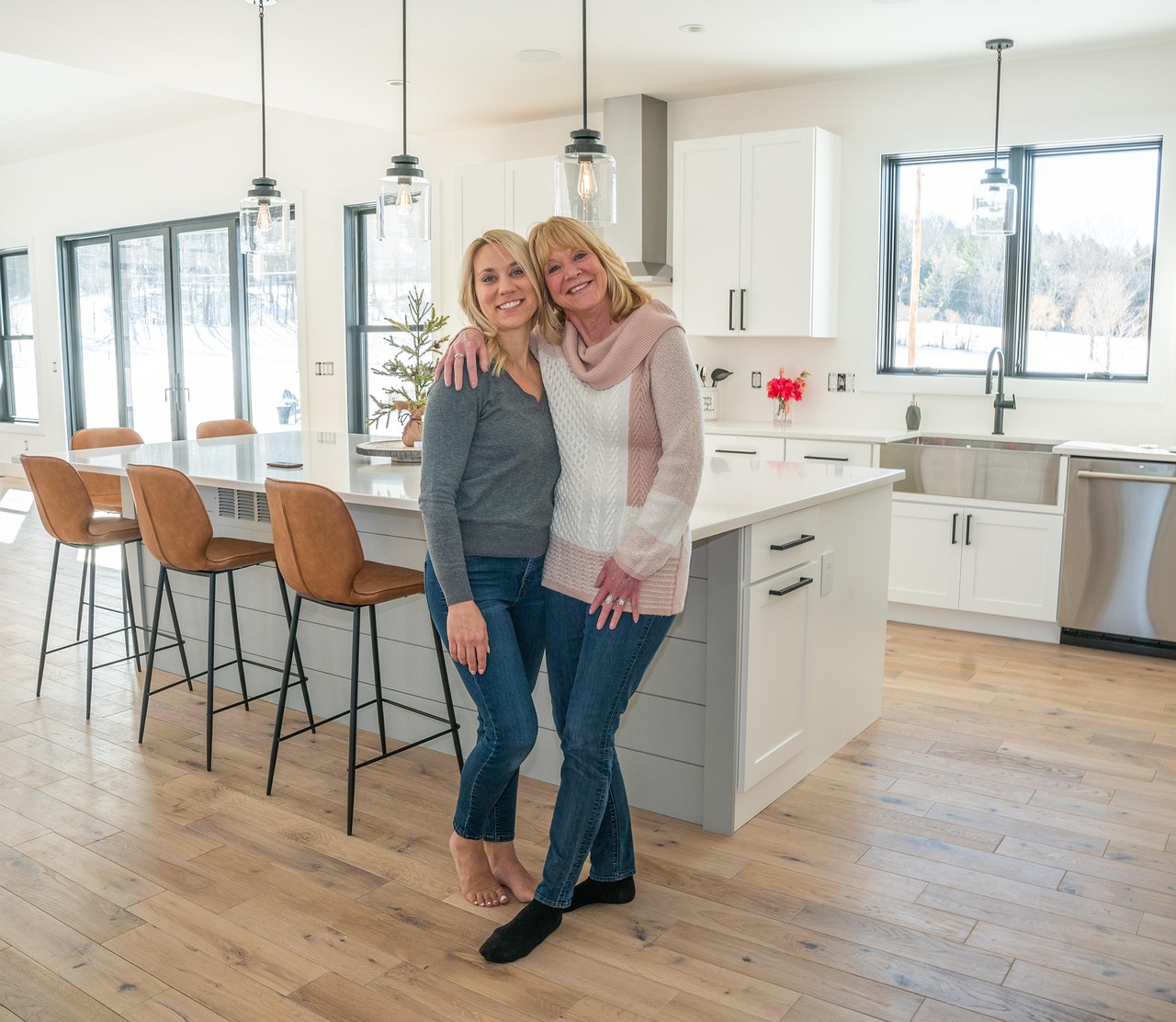
Leveraging home equity is a powerful strategy for families looking to fund an ADU (Accessory Dwelling Unit) tailored to their multi-generational needs. This approach offers a cost-effective solution for intergenerational living, allowing families to create space for aging relatives or growing children without the burden of significant out-of-pocket expenses. By tapping into the equity built up in their primary residence, multi-generational families can transform their current home into an affordable, functional ADU, enhancing their living situation and family dynamics.
Home equity loans, specifically, provide a straightforward and accessible financing option for ADU projects. These loans allow homeowners to borrow against the value of their property, offering a flexible and often lower-interest financing alternative to traditional mortgages. A family with a substantial equity position in their current home might use this equity to fund the construction of a private apartment for a young adult returning to live at home or to renovate an existing space into a comfortable, accessible unit for an aging parent. This strategy can be particularly beneficial for families seeking a more affordable and intimate living arrangement, avoiding the higher costs often associated with standalone housing.
When pursuing this financing route, families should consult with local lenders and financial advisors familiar with ADU projects. They can guide families through the process of assessing their home's equity, understanding loan terms, and exploring potential tax benefits. Engaging with professionals who specialize in ADU financing ensures that families make informed decisions, tailored to their specific situation. Leveraging home equity can be a smart move for families looking to invest in intergenerational living solutions, creating valuable, long-term assets while enhancing family connections.
Collaborative Financing: Options for Multi-Family Involvement in ADU Costs

In the context of affordable multi-generational ADUs, collaborative financing is a crucial strategy to ensure these niche adu designs for multi-gen families remain accessible and sustainable. When multiple family members or neighbors pool their resources, they can collectively support the construction and maintenance of these specialized living spaces, extending the benefits of ADU living to a broader community. This collaborative approach not only eases the financial burden but also fosters a sense of shared responsibility for the property's long-term viability.
Consider a scenario where extended family members collectively own and maintain an ADU within a single-family home. This model encourages intergenerational connections while promoting environmentally conscious sustainable adu construction. By sharing ownership, families can implement energy-efficient measures and employ eco-friendly adu maintenance tips, reducing operational costs over time. This collaborative model is particularly beneficial for complex projects that require specialized design and construction, as it allows for a more diverse skill set to contribute to the process.
Local community centers, churches, and neighborhood associations can also play a pivotal role in facilitating these collaborative financing efforts. They can offer grants, loans, or even community investment programs tailored to ADU projects, encouraging multi-generational families to invest in their local housing market. These initiatives align with the US Department of Housing and Urban Development's goals to promote affordable housing and strengthen community development. Engaging financial advisors who specialize in multi-family real estate can help structure deals that cater to the unique needs of ADU financing, ensuring long-term financial stability for these multi-generational living arrangements.
Frequently Asked Questions About How to Fund Your Affordable Multi-Generational ADU Project
What is an affordable ADU and why is it important for multi-generational families? An affordable Accessory Dwelling Unit (ADU) is a secondary residence on a property, designed to provide additional living space for multi-generational families. It's important because it allows families to live closer together, fostering stronger relationships and potentially saving money on housing costs. The focus on affordability ensures that these units are accessible to a wider range of income levels.
How do I know if an ADU is the right choice for my family? Consider your family's specific needs, financial situation, and long-term goals. An ADU can be ideal if you have aging relatives who need assistance but prefer their independence, or if you want to accommodate young adults returning home after college. It's a cost-effective solution for families looking to live together without compromising on privacy.
What are the financing options available for ADU projects? Financing options include traditional mortgages, home equity loans, personal loans, and specialized ADU financing programs. Some banks and credit unions offer products tailored to ADU construction. You can also explore government-backed loans, like the U.S. Department of Agriculture's Rural Development Loans, which cater to affordable housing projects.
How can I make an ADU project more affordable? Consider a DIY approach, especially for smaller projects. You can also explore tax incentives and grants for affordable housing. Refinancing existing mortgages or home equity lines of credit can also free up funds for ADU construction. Partnering with a contractor who offers bundle packages and discounts can significantly reduce costs.
Who should I involve in the planning and construction process? Engage an experienced contractor familiar with ADU builds. They can provide valuable insights and ensure your project complies with local building codes. A financial advisor can help navigate financing options and tax benefits. An architect or designer specialized in ADUs can create a functional and aesthetically pleasing space that meets your family's unique needs.
What are the potential challenges when funding an ADU project? One challenge is securing financing, especially if your family's credit history is limited. Lenders may require a larger down payment. Permitting and building codes can vary, potentially increasing construction costs. Thorough planning and cost estimation are crucial to mitigate these challenges.
Can I deduct expenses related to an ADU project from my taxes? Yes, certain expenses related to ADU construction and renovation may be tax-deductible. Consult with a tax professional to understand which costs qualify. These deductions can significantly offset the overall project costs, making an ADU a more financially viable option.
Funding an affordable multi-generational ADU project requires a strategic approach tailored to the unique needs of this living arrangement. By understanding the benefits and costs of ADU-for-multi-generational-living, families can make informed decisions. Assessing financial needs and exploring government support, traditional mortgage options, and alternative lending sources like hard money financing are crucial steps. Tax incentives and home equity loans provide further financial leverage, while collaborative financing models encourage multi-family involvement. The article's comprehensive guidance equips families with the tools to navigate the complex financing landscape, ensuring successful multi-generational ADU projects that enhance community life and support aging in place.
for "Funding Your ADU Project: Financing Options for Multi-Generational Families"
Funding an ADU for multi-generational living involves careful consideration of family needs, financial goals, and communication dynamics. Key options include:
- Traditional Mortgages & Loans: Banks offer conventional financing but may not suit niche ADU projects.
- Alternative Lenders (Hard Money, Private Loans): Faster access to capital for smaller projects, but higher interest rates.
- Tax Incentives & Deductions: HUD, NAHB, and local programs offer financial support for affordable ADUs.
- Home Equity Loans: Tapping into property equity for cost-effective ADU funding, ideal for substantial equity.
- Collaborative Financing: Pooling resources among family members or neighbors fosters shared responsibility and sustainability.
Successful ADU projects require clear communication, local expertise, and tailored maintenance plans for long-term viability.