In today's diverse family structures, accommodating multi-generational living has become a key challenge for many. The need for affordable, functional spaces that cater to the unique requirements of each generation is more pressing than ever. This is where an ADU for multi-generational living steps in as a vital solution. An ADU, or Accessory Dwelling Unit, offers an opportunity to expand your home and create a space that bridges generations, promoting shared experiences and supporting independent living.
The decision to invest in an ADU is a significant one. It requires careful consideration of space planning, legal requirements, and financial implications. This article, backed by industry insights from the ADU Research Institute, the National Association of Home Builders, and the US Department of Housing and Urban Development, aims to provide expert advice on navigating this process. We'll explore how to choose the right ADU design, understand legal and financial aspects, and create a space that enriches family dynamics.
- Understanding Multi-Gen Family Dynamics for ADU Placement
- Assessing Space Needs: A Generational Approach
- Site Considerations: Planning for ADU-for-multi-generational-living Integration
- Legal and Zoning Requirements for Your ADU Project
- Budgeting for Construction: Cost-Effective ADU Solutions
- Design Choices: Creating Intergenerational Living Spaces
- Installation Process: Efficient ADU Construction Timeline
- Maintaining Harmony: Tips for Multi-Gen Family Coexistence
Understanding Multi-Gen Family Dynamics for ADU Placement

Choosing the right affordable multi-generational ADU (adu-for-multi-generational-living) involves a deep understanding of the unique dynamics that exist within multi-gen families. Each generation, from grandparents to grandchildren, brings its own set of needs, preferences, and lifestyle considerations. Top-rated multi-gen ADU services recognize these nuances and tailor their designs and placements accordingly. A younger generation may desire a more modern, open-concept space with ample natural light, while an older generation might prioritize safety features and easier access.
ADU safety and quality assurance are paramount when serving multi-gen families. Since these homes often accommodate diverse ages and abilities, robust structural integrity, clear navigation, and accessible design become non-negotiable. The US Department of Housing and Urban Development (HUD) and state housing authorities offer guidelines and resources to ensure ADUs meet safety standards. Engaging with a reputable contractor or design team specializing in multi-gen ADUs can help ensure these critical aspects are addressed.
Financial considerations also play a significant role in ADU placement for multi-gen families. It's crucial to explore various financing options, such as personal loans, home equity lines of credit, or even community-based funding, like those facilitated by Local Building Departments and Community Development Block Grants (CDBs). A financial advisor can help navigate these options, ensuring the family's budget aligns with their ADU goals.
Placement itself is not a one-size-fits-all proposition. The ideal location for an ADU within a property depends on family dynamics. Some families might prefer separate spaces for each generation, offering privacy and independence. Others may opt for a more communal setup, fostering intergenerational connections. Engaging with a property management company or interior designer who specializes in multi-gen ADUs can provide valuable insights and create a plan that suits the family's unique needs and preferences.
Assessing Space Needs: A Generational Approach
When designing an affordable multi-generational adu for your family, understanding each generation's unique space needs is crucial. Unlike a one-size-fits-all approach, a truly functional ADU for multi-generational living must cater to the diverse requirements of multiple age groups. Start by evaluating the requirements of each generation within your family.
Consider the active lifestyles of younger adults, who may prefer open floor plans facilitating social interaction and entertaining guests. In contrast, older adults often appreciate more private spaces, such as a den or a quiet study area, with easy access to main living areas for company. Children, too, need dedicated spaces for play, homework, and even a safe outdoor area, which can be designed into the ADU layout. This generational approach to space planning ensures that the ADU accommodates everyone's needs, fostering harmony and a sense of belonging.
To make the most of readily available ADU options and keep costs down, involve local specialists. These professionals can offer tailored advice based on your area's building codes and local ADU specialists near me, ensuring compliance while minimizing expenses. They can also suggest cost-saving building tips, such as utilizing modular construction or incorporating sustainable materials, which can significantly reduce both time and budget without compromising quality. A well-designed ADU could feature a shared living area for younger generations and separate bedrooms for older relatives, achieving the perfect balance between communal and private spaces.
Site Considerations: Planning for ADU-for-multi-generational-living Integration
When integrating an affordable multi-generational ADU (adition) into your family home, thoughtful site considerations are crucial. The layout and design of the property should facilitate seamless access and interaction between generations, promoting a cohesive and supportive living environment. Engaging with your community through ADU options can further enhance social connections and create a sense of belonging.
Consumer preferences play a significant role in shaping the design and features of these additions. Surveys conducted by the National Association of Home Builders (NAHB) indicate that multi-generational households prioritize flexibility, accessibility, and private spaces within a shared living area. Incorporating these preferences requires careful planning to ensure each generation has dedicated spaces while also fostering opportunities for interaction. Designing separate yet connected areas for younger adults pursuing careers and older adults needing more assistance can meet diverse needs.
Safety and quality assurance are paramount when building or renovating for multi-gen living. The US Department of Housing and Urban Development (HUD) emphasizes the importance of up-to-code construction and accessibility features to prevent accidents and support independence. Local Building Departments and State Housing Authorities can provide guidelines and resources tailored to your region, ensuring your ADU meets safety standards and enhances the overall quality of life for all residents. Regular inspections and maintenance plans, involving both professionals and family members, can help maintain a safe and comfortable environment.
Legal and Zoning Requirements for Your ADU Project
Choosing the right affordable multi-generational ADU involves navigating legal and zoning requirements, which can vary widely between communities. Before breaking ground, it's crucial to understand these regulations, as they dictate the feasibility and design of your project. The US Department of Housing and Urban Development (HUD) and local building departments play a significant role in ensuring compliance. They set standards for construction, safety, and accessibility, particularly important for ADUs serving aging-in-place needs.
In many cases, obtaining a permit for a same-day adu estimate can be a significant step towards project approval. This process involves submitting detailed plans and potentially attending inspections to demonstrate compliance with zoning laws. Some areas mandate set-back requirements, limiting the proximity of the ADU to property lines, while others have specific rules regarding parking and access. Financial advisors and property management companies can offer guidance on estimating construction costs and potential rental income, but the initial design phase should account for these legal constraints.
State Housing Authorities and local Legal Aid Societies are valuable resources for navigating these complexities. They can provide insights into any specific requirements or exemptions for ADUs in your area. Engaging with these entities early in the planning process can save time and money, ensuring your adu-for-multi-generational-living project complies with all necessary regulations. Remember, understanding and adhering to these legal and zoning requirements are essential for a successful and sustainable multi-generational housing solution.
Budgeting for Construction: Cost-Effective ADU Solutions
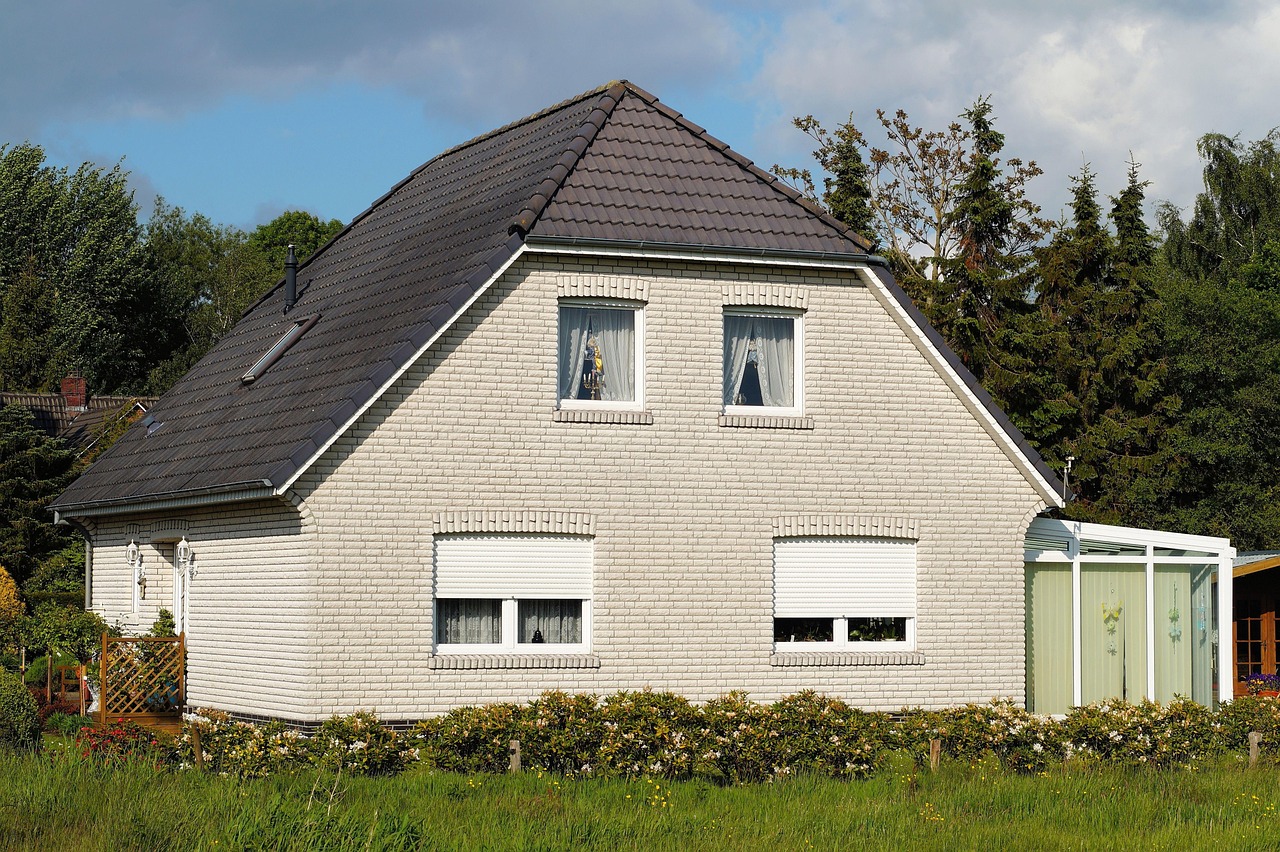
Choosing the right adu-for-multi-generational-living solution involves a strategic approach to budgeting for construction. Cost-effective multi-gen housing is a practical way to accommodate aging family members or young adults returning home, but it requires careful planning. Navigating building codes for adu projects can be a significant hurdle; local regulations vary widely, impacting both design and budget. Permit fees and building standards differ across communities, with some areas offering more generous guidelines for accessible housing, like ADUs.
Before breaking ground, families should assess their needs and preferences. Tailored ADU designs for multi-gen families can range from separate, self-contained units with private entrances to more shared living spaces with private bedrooms and baths. A study by the ADU Research Institute suggests that smaller, efficient designs can offer substantial cost savings without sacrificing functionality or comfort. Engaging with experienced architectural designers and interior designers early in the process can help families create a space that reflects their unique dynamics and budget constraints.
Financial advisors play a crucial role in navigating the financial complexities of adu projects. They can guide families in securing funding through conventional loans, home equity lines, or even community development grants like the Community Development Block Grant (CDBG) program, which supports affordable housing initiatives. Understanding the potential return on investment is essential; well-planned ADU projects can increase property value and generate passive income through rental. By strategically integrating cost-effective designs and exploring various financing options, families can realize their vision of multi-generational living while staying within budget.
Design Choices: Creating Intergenerational Living Spaces
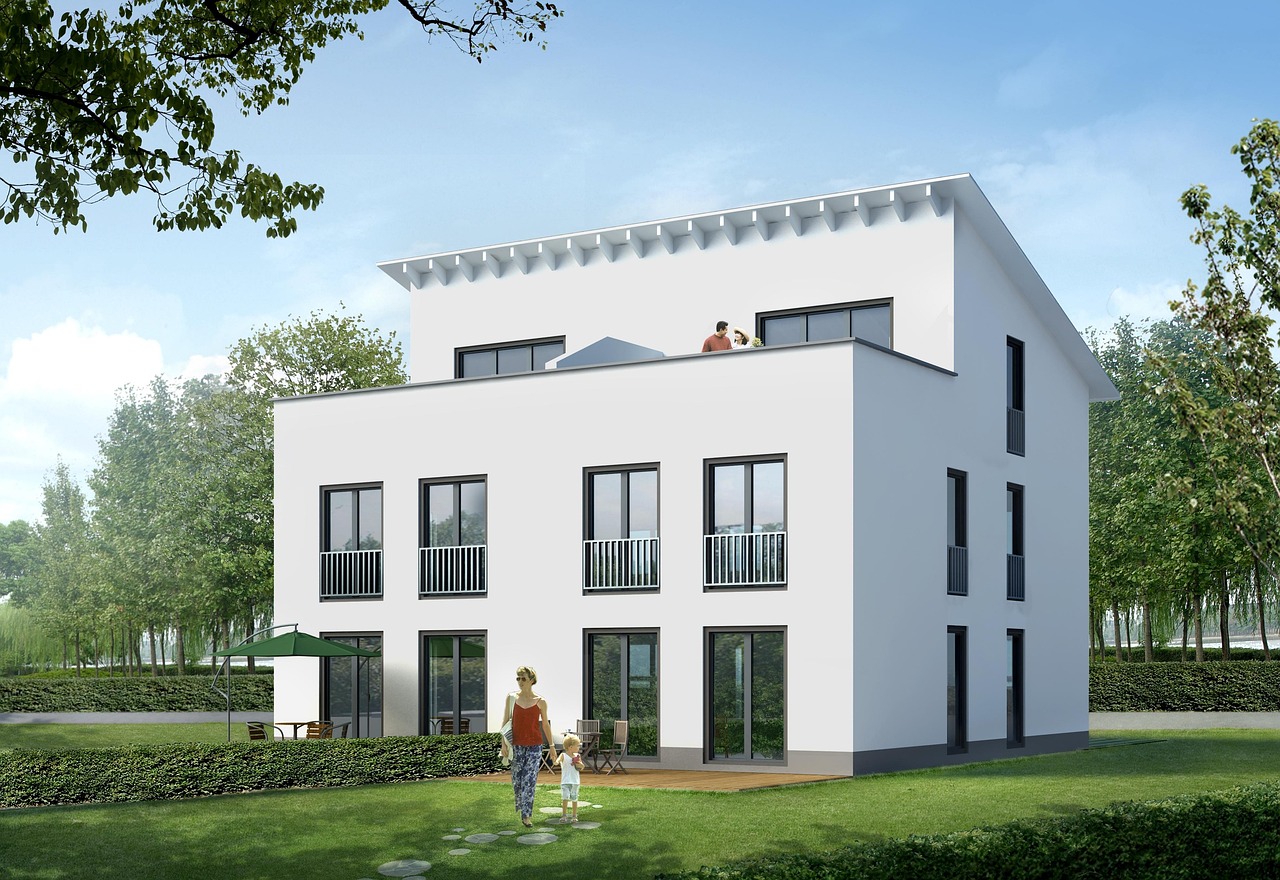
Choosing the right design for an ADU-for-multi-generational-living space is a critical step in creating a functional and harmonious environment for diverse family members. The goal is to foster connections between generations while ensuring each individual has their own private space. Top-rated multi-gen ADU services focus on open floor plans that encourage interaction, yet allow for separate areas to minimize disruptions. A shared living area could double as a gathering spot for family meals, while private bedrooms provide sanctuary for individual routines.
Safety and quality assurance are paramount when designing intergenerational living spaces. This includes implementing ADA-compliant features to accommodate aging family members, as well as robust construction practices to ensure the ADU's longevity. ADU financing options for families, such as loans or lease-to-own programs, can make this expansion more accessible. The National Association of Home Builders and the US Department of Housing and Urban Development (HUD) offer valuable resources on ADU design guidelines and safety standards. Engaging with a reputable contractor who understands ADU safety and quality assurance is essential for a successful project.
The role of interior design and home staging cannot be overstated. Architectural and interior designers can help optimize space, select age-appropriate decor, and create functional areas tailored to each generation's needs. Home staging can further enhance the space's appeal, making it more marketable if you ever decide to rent out the ADU. Property management companies specializing in ADUs can also offer insights into effective rental strategies and tenant screening. Leveraging the community's support through local churches, community centers, or neighborhood associations can foster a strong sense of belonging for all family members living in the ADU.
Legal and financial aspects, like permits and insurance, must be carefully navigated. Consulting with a legal aid society or financial advisor specializing in ADUs can help clarify local regulations and funding options. Local building departments and state housing authorities provide guidelines on permits, while the ADU Research Institute offers insights into the latest trends and best practices. Remember, each family's needs are unique, so a tailored design approach, coupled with expert guidance, will ensure your ADU-for-multi-generational-living space is a successful and fulfilling addition to your home.
Installation Process: Efficient ADU Construction Timeline

The installation process for an affordable multi-generational ADU (niche adu designs for multi-gen families) is a crucial consideration for families seeking to enhance their living arrangements. Efficient ADU construction timelines are achievable through meticulous planning and experienced contractor selection. According to the National Association of Home Builders, most installations can be completed within one to two days, allowing families to enjoy their new space promptly.
Community engagement through ADUs (adu-for-multi-generational-living) can significantly enrich the experience. Local building departments and community centers often offer resources and support for ADU projects, facilitating a smoother construction process. Engaging with these entities early can help navigate permits and inspections, ensuring your project adheres to local regulations. Involving the entire family in the design process fosters a sense of ownership and community, making the ADU a truly shared space.
Cost-saving ADU building tips are valuable for families looking to keep expenses in check. One practical advice is to bundle services; hiring a contractor who can handle multiple aspects of the project, like plumbing and electrical work, can reduce labor costs. Some property management companies specialize in ADU conversions and can offer expert guidance on maximizing space and minimizing expenses. Leveraging community resources, such as local churches or neighborhood associations, may also provide discounts or materials donations, further enhancing the affordability of your ADU.
The US Department of Housing and Urban Development (HUD) and state housing authorities offer financial incentives and grants, like the Community Development Block Grant (CDBG), designed to support affordable housing projects. Familiarizing yourself with these programs can significantly offset the cost of your ADU. Remember, efficient construction timelines and strategic cost-saving measures go hand in hand, ensuring your multi-generational ADU is not only functional but also a sustainable investment for your family's future.
Maintaining Harmony: Tips for Multi-Gen Family Coexistence
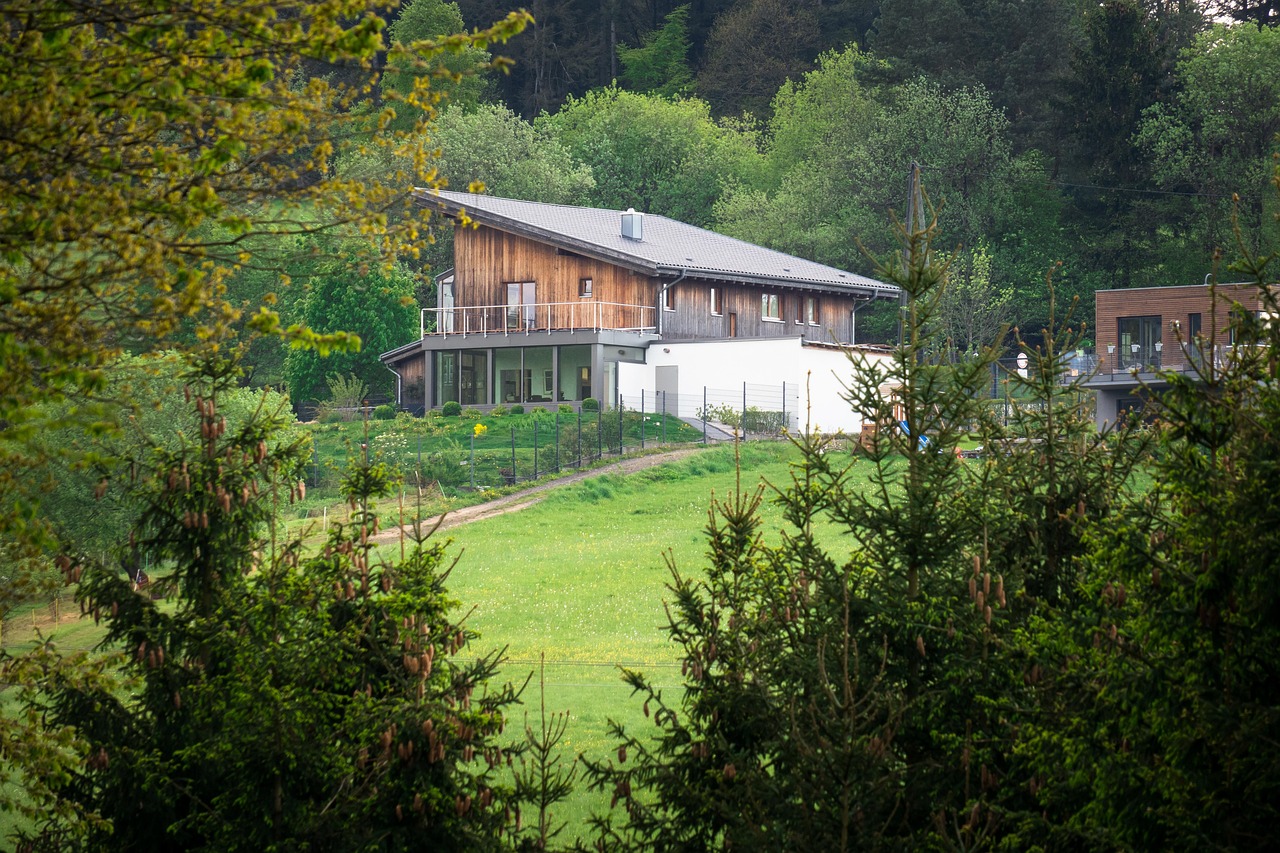
Maintaining harmony within a multi-generational household can be a delicate balance, especially when considering an ADU for affordable multi-generational living. As the National Association of Home Builders notes, these additional living spaces can be a powerful tool for families, offering solutions for aging in place and caregiving. However, seamless integration requires thoughtful planning and design.
One of the most effective strategies is to involve all family members in the process, considering each individual's needs and preferences. A licensed ADU contractor near me can facilitate open conversations about privacy, space utilization, and accessibility. The US Department of Housing and Urban Development emphasizes that adaptable design is key, allowing for changes as family dynamics shift. This might mean installing a fully accessible bathroom for an aging relative or creating a private study for a teenager, ensuring everyone feels heard and respected.
Financial planning is another critical aspect. A licensed adu contractor can assist in navigating Community Development Block Grant programs or other local incentives designed to support multi-generational housing. Engaging with a financial advisor, especially when considering long-term care options, can help families understand the potential costs and benefits of an ADU as a caregiving solution. This proactive approach fosters a sense of unity and ensures that everyone is involved in decisions that will impact their shared living space.
Leveraging the expertise of architectural designers, interior designers, and home stagers can transform an ADU into a harmonious extension of the primary residence. These professionals can offer insights into the latest accessibility standards and design trends, enhancing the comfort and appeal of the space. Integrating smart home technology not only improves accessibility but also adds value to the property, a consideration that benefits all family members.
Frequently Asked Questions About Expert Advice: Choosing the Right ADU for Your Multi-Gen Family's Needs
What is an affordable multi-generational ADU, and why is it important for my family?
An affordable multi-generational ADU (Accessory Dwelling Unit) is a secondary housing unit within or attached to a main residence, designed to accommodate multiple generations of a family. It's important for families because it provides a cost-effective, flexible living solution that promotes intergenerational connections while offering privacy and independence. Whether for aging parents, young adults returning home, or grown children, an ADU can foster a supportive family environment.
How do I determine the best location for an ADU on my property?
Consider factors like sunlight, privacy, proximity to main residence, and access to utilities. Choose a site that's level and allows for easy access. Think about views, noise levels, and potential for future expansion. A good rule of thumb is to keep the ADU at least 15 feet from property lines and 10 feet from the main house for adequate privacy.
What type of ADU should I consider for my multi-generational family?
The best ADU type depends on your family's needs. A detached unit offers maximum privacy but requires more space and maintenance. Attached ADUs, while closer, can provide cost savings and easier upkeep. Consider the age and mobility of family members: for instance, a fully accessible unit might be crucial for elderly parents. Think about shared living spaces, private bedrooms, and common areas to suit everyone's preferences.
How long does it typically take to install an ADU?
Most ADU installations take one to two days, depending on the size, complexity, and local building codes. This includes obtaining permits, setting up utilities, and final inspections. It's crucial to work with a licensed contractor who understands the specific requirements for ADUs in your area.
Are there any financial incentives for installing an ADU for my multi-generational family?
Yes, many areas offer incentives for installing ADUs. These may include property tax reductions, rebates for energy-efficient features, or lower utility costs. Check with your local government and utility providers for specific programs. The increased property value of a multi-generational home can offset installation costs over time.
What about local zoning laws and regulations regarding ADUs?
Local zoning laws and regulations vary widely. Check with your city or county planning department to understand the rules specific to your area. Some communities have strict guidelines regarding ADU placement, size, and design. Ensure your project complies with local codes to avoid future legal issues and fines.
Choosing the right ADU-for-multi-generational-living is a complex but rewarding endeavor. By understanding the unique dynamics of multi-gen families, assessing space needs across generations, and considering legal and site-specific factors, you lay the foundation for a successful project.
The design process offers a chance to create interconnected yet personalized spaces that cater to diverse lifestyles. A thoughtful budget and efficient installation timeline ensure the project stays affordable and on track.
The goal is to foster harmony among family members, promoting intergenerational connections while maintaining individual independence. This holistic approach to ADU placement creates a valuable asset for families navigating the complexities of modern living.
Choosing the right ADU for multi-gen families involves understanding diverse needs, prioritizing safety and quality, exploring financial options, and strategic placement. Design should foster intergenerational connections, with adaptable spaces catering to each generation's preferences. Efficient installation, community engagement, and cost-saving measures ensure a successful and affordable multi-gen ADU. Harmony within the family is maintained through inclusive planning, proactive financial considerations, and professional design guidance.