
In today's diverse family structures, the need for affordable, functional living spaces that cater to multi-generational households is on the rise. An ADU, or accessible dwelling unit, offers a promising solution, providing dedicated space for aging relatives, grown children, or even a home office. However, navigating the options and regulations surrounding ADUs for multi-generational living can be daunting.
This article provides expert advice on choosing the right ADU, examining the benefits, legal considerations, design options, and community impact. We'll explore how to balance privacy, accessibility, and functionality to create a harmonious living environment for every generation, ensuring your family's needs are met in this evolving housing landscape.
- Understanding Multi-Gen Living: Benefits and Challenges
- Assessing Family Needs: A Practical guide
- Types of ADUs: Which Design Fits Your Family?
- Space Planning: Optimizing Your Multi-Gen ADU
- Legal Considerations: Permits and Zoning for ADUs
- Budgeting for Your Dream ADU: Cost Breakdown
- Choosing Contractors: Ensuring Quality Construction
- Creating a Comfortable, Inclusive Living Space for All
Understanding Multi-Gen Living: Benefits and Challenges

Understanding multi-generational living within the context of an affordable multi-generational ADU presents both unique benefits and challenges. This type of living arrangement, where multiple generations share a home, is gaining popularity as families seek to maintain connections while navigating the complexities of aging. The ADU Research Institute has highlighted how tailored ADU designs for multi-gen families can foster intergenerational bonds while providing each relative with their own space and privacy. However, successful multi-gen living requires careful consideration of individual needs and preferences.
One of the primary benefits of an ADU for multi-generational families is its potential to promote independence and aging in place. According to the US Department of Housing and Urban Development, an ADU can be a practical solution for seniors who wish to remain in their homes as they age, often with the support of younger family members. This approach can reduce the need for costly moves or institutional care. A tailored ADU design might include a private suite for an aging grandparent on the main level, with shared living spaces on upper levels for younger generations.
Yet, challenges arise when balancing the needs and desires of multiple generations. The National Association of Home Builders emphasizes the importance of open communication and collaboration among family members to ensure an ADU design that accommodates everyone. This might involve creative space planning, such as multi-functional rooms that can serve as both a workspace and a play area, or flexible design elements that allow for future adjustments as family dynamics change. Local building departments and state housing authorities may have specific regulations and guidelines regarding ADU construction, which families should research thoroughly before starting a project.
To ensure a successful ADU for multi-gen living, families should consider engaging professionals who specialize in this type of design. Architectural and interior designers, as well as home stagers, can help create a space that is both functional and aesthetically pleasing. Property management companies can also be valuable partners, providing ongoing support for maintenance and caregiving needs. Reviewing ADU ratings and feedback from other multi-gen families can offer valuable insights into the best practices and potential drawbacks of specific ADU designs. Remember, the goal is to create a space that facilitates connection, supports independence, and adapts to the evolving needs of your multi-generational family.
Assessing Family Needs: A Practical guide
Choosing the right adu-for-multi-generational-living involves a deep understanding of your family's unique needs. This process goes beyond the physical dimensions of the addition; it encompasses a comprehensive assessment of your family dynamics, lifestyle preferences, and future plans. Top-rated multi-gen adu services begin by listening attentively to your family's aspirations and constraints. Consider the role the adu will play: will it primarily serve as a private suite for aging relatives, a space for young adults returning home, or a flexible area adaptable to evolving family needs?
Local adu specialists near me can help navigate the complex considerations involved. They'll guide you through the design and layout, ensuring the space accommodates your family's specific requirements for accessibility, privacy, and functionality. Safety and quality assurance are paramount. These experts will select materials and construction methods that meet or exceed local building codes, ensuring a secure and durable structure. They can also advise on important features like adequate ventilation, proper lighting, and easy-to-navigate floor plans, all crucial for creating a comfortable and age-friendly environment.
Beyond the technical aspects, these specialists often collaborate with interior designers, property management companies, and even community centers to create a holistic living solution. They understand that an adu is not just an addition to your home; it's an extension of your family's living environment, potentially fostering stronger connections within the multi-generational household. By working with local experts, you can transform your home into a welcoming space that supports the unique dynamics of your multi-gen family.
Types of ADUs: Which Design Fits Your Family?

When selecting an ADU for multi-generational living, understanding the diverse needs of your family is crucial. The "affordable multi-generational adu" you choose should be tailored to create harmonious intergenerational living spaces. Different designs cater to various family structures and preferences, from dedicated in-law suites to multi-purpose spaces that can adapt as family needs change.
Trusted ADU experts recommend evaluating your family's specific requirements. Consider the age and mobility needs of older family members. A fully accessible unit with no-step entry and roll-under counters might be suitable. Conversely, young adults returning home might require more private space and the flexibility to transform the unit for work or study. Open floor plans encourage interaction for larger families, while more intimate designs offer quiet retreats.
The National Association of Home Builders and the US Department of Housing and Urban Development emphasize the importance of incorporating universal design principles, ensuring the ADU is functional for all family members, regardless of age or ability. This might include features like adjustable lighting, grab bars, and wide doorways. An ADU that considers these aspects provides a practical and comfortable solution for intergenerational living, catering to current and future needs.
Remember, the right "adu-for-multi-generational-living" is not a one-size-fits-all solution. By carefully considering your family's unique dynamics and future aspirations, you can create a space that fosters connections, supports independence, and enhances the overall quality of life for all generations.
Space Planning: Optimizing Your Multi-Gen ADU

When planning the space in your affordable multi-generational ADU, the goal is to create a functional, comfortable, and harmonious environment that caters to the diverse needs of your family. Consider these factors: defining dedicated spaces for different generations, ensuring privacy and accessibility, and incorporating flexible design elements.
A multi-gen family may require a mix of private bedrooms, shared living areas, and specialized spaces like a home office or creative studio. The ADU's floor plan should allow for privacy for older members who may prefer solitude, while also fostering interaction between younger generations. Think about traffic flow: do you want open-concept living areas that encourage gathering, or more separated zones for quieter activities? Niche ADU designs for multi-gen families often incorporate adaptable spaces that can be reconfigured as needs change. Local ADU specialists near me can offer valuable expertise in designing these custom solutions.
Professional ADU installation is crucial to ensure safety and longevity. Reputable contractors with experience in ADU construction can provide guidance on structural considerations, mechanical systems, and local building codes. The right installation process will lay the foundation for a well-functioning ADU that serves as a valuable asset for your family over time. Don't underestimate the power of thoughtful space planning; it's a key factor in creating a truly livable and fulfilling ADU for multi-generational living.
Legal Considerations: Permits and Zoning for ADUs
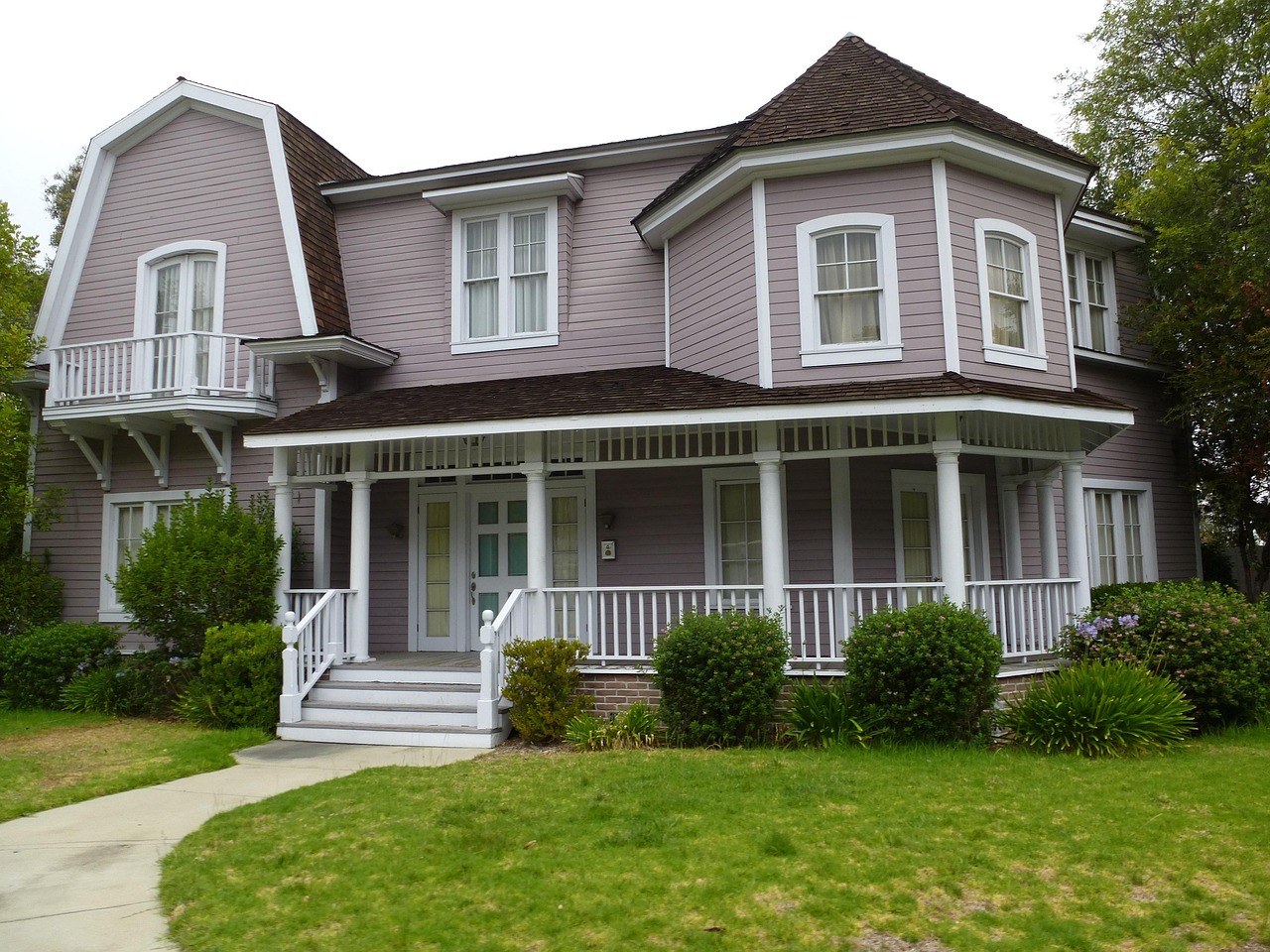
When considering an affordable multi-generational adu, navigating the legal landscape of permits and zoning is crucial. The process can vary significantly depending on your location, so consulting local adu specialists near me is a smart first step. Understanding these regulations is essential to ensure your project complies with the law and avoids costly delays or legal issues.
The US Department of Housing and Urban Development (HUD) and state housing authorities often provide guidelines and resources to help homeowners navigate these complexities. Many areas have implemented policies to address housing affordability with ADUs, offering streamlined permitting processes and incentives. Local building departments are the primary regulatory bodies for ADU construction. They issue permits, enforce building codes, and ensure the safety and structural integrity of the property. It's vital to check with your local department to understand their specific requirements, including zoning regulations, building codes, and set-back rules.
Zoning laws, in particular, can significantly impact your ADU plans. These laws dictate the permitted uses of a property and can restrict the number of dwellings allowed on a lot. Some areas may have specific zoning categories for ADUs, such as "accessory dwelling units" or "backyard homes." Understanding these regulations is key to ensuring your project is legally sound. According to the National Association of Home Builders, many communities are adopting more flexible zoning ordinances to accommodate the growing demand for multi-generational housing options.
To local regulations, property owners should be aware of potential state-specific requirements. Some states have unique rules regarding ADUs, including permit types, construction standards, and occupancy restrictions. ADU reviews and ratings from organizations like the ADU Research Institute can provide valuable insights into best practices and help ensure your project meets or exceeds industry standards. Remember, seeking professional advice from local experts can be invaluable in navigating the legal considerations of an ADU for multi-generational living.
Budgeting for Your Dream ADU: Cost Breakdown
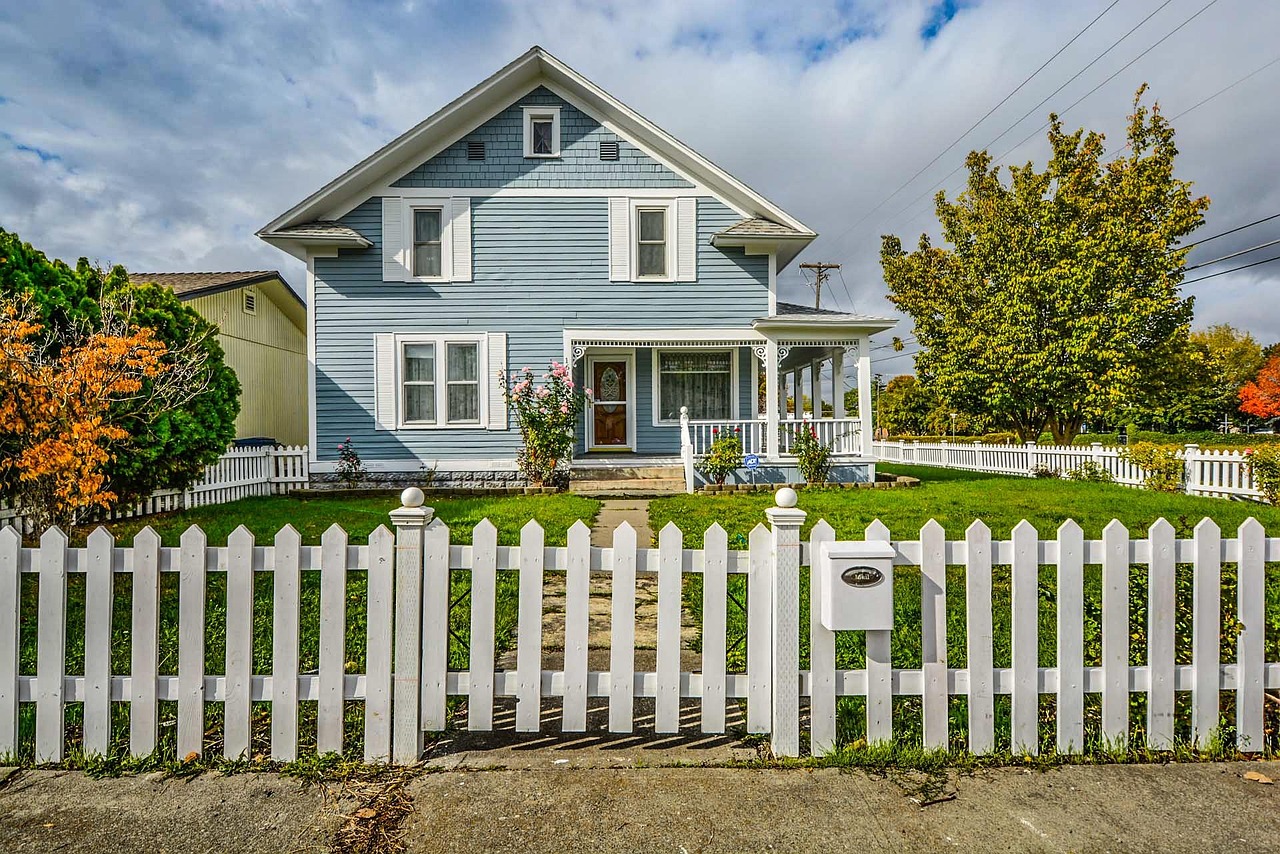
Choosing the right budget for your dream affordable multi-generational ADU (adu-for-multi-generational-living) is a crucial step in making your vision a reality. The cost of construction, design, and permits can vary widely based on factors like location, size, and complexity. To give you a clear idea, a basic ADU addition typically ranges from $50,000 to $150,000, while a more elaborate one can exceed $200,000.
Breaking down the cost is essential. Permits and fees charged by local building departments and state housing authorities typically add 5% to 10%. When considering the best local ADU builders, remember that top-rated services often come at a premium, but their expertise can save time and money in the long run.
For multi-generational living, it's important to tailor the ADU to specific caregiving needs. This might include accessible design features, such as no-step entries, grab bars, and wider doorways, which can add 5% to 15% to the cost but are invaluable for aging caregivers. Similarly, smart home technology and energy-efficient appliances can enhance comfort and accessibility while increasing the property's value. When budgeting, remember that an ADU is not just for additional living space; it's an investment in your family's well-being and independence for years to come.
Choosing Contractors: Ensuring Quality Construction

Choosing the right contractors is a crucial step in ensuring a high-quality affordable multi-generational ADU (adu-for-multi-generational-living) that meets your family's unique needs. The process involves a meticulous selection of builders who possess the expertise, experience, and commitment to deliver a well-crafted space. Start by researching local ADU builders with a proven track record. Adu financing options for families, such as loans or grants, can influence your decision, as some contractors may specialize in specific funding models. Reviews and ratings from previous clients are invaluable; seek out builders with consistent positive feedback, indicating their reliability and craftsmanship.
Consider the National Association of Home Builders (NAHB) or local associations that recognize and certify quality ADU builders. These organizations often provide resources and guidelines for consumers, helping to ensure that the chosen contractor adheres to industry standards. The US Department of Housing and Urban Development (HUD) and state housing authorities also offer programs and tips for ADU development, including guidance on working with reputable contractors. Engaging with contractors who are familiar with local building codes and permit processes can prevent costly delays and ensure compliance.
Before hiring, request detailed proposals, including timelines, material specifications, and cost breakdowns. Compare these across several candidates to gauge their understanding of your project's requirements. Property management companies and community centers can offer insights into successful ADU implementations within similar multi-generational settings. Checking with local churches or neighborhood associations for recommendations can yield trusted referrals. Selecting the best local ADU builders involves a balanced mix of research, expert consultation, and direct communication to find the contractor who aligns best with your vision and expectations for the adu-for-multi-generational-living space.
Creating a Comfortable, Inclusive Living Space for All

Creating a comfortable and inclusive living space for a multi-generational family is a key consideration when choosing an ADU for this specific need. The design and layout of the unit should cater to the diverse ages and abilities of family members, ensuring everyone feels at home. Consider incorporating wider doorways and hallways for easier accessibility, and lower light switches and outlets to accommodate elderly residents.
ADU reviews and ratings from organizations like the National Association of Home Builders (NAHB) and the US Department of Housing and Urban Development (HUD) can offer valuable insights into the comfort and functionality of different ADU designs. These resources highlight not only the practical aspects, such as space utilization and construction quality, but also the overall satisfaction of families living in ADUs, which can be crucial for your decision-making process. When selecting a design, look for niche ADU concepts tailored to multi-generational families, focusing on flexibility and adaptability. These might include multi-functional spaces, such as a den that can be easily converted into a bedroom or a living area that can accommodate different age groups.
Adapting to caregiving needs is another essential aspect of an ADU for multi-generational living.adus designed with caregiving solutions in mind often feature additional features like grab bars, non-slip floors, and built-in medical equipment access. These can be invaluable for aging family members or those with disabilities. Property management companies specializing in ADUs for caregiving can assist in selecting and installing these features, ensuring a safe and comfortable environment. Engaging with local building departments and state housing authorities can also provide guidance on code requirements and accessibility standards, ensuring your ADU meets the specific needs of your family.
Frequently Asked Questions About Expert Advice: Choosing the Right ADU for Your Multi-Gen Family's Needs
What is an affordable multi-generational ADU, and why is it important? An affordable multi-generational ADU (Accessory Dwelling Unit) is a separate living space within or attached to a primary residence, designed to accommodate multiple generations of a family. Its importance lies in providing a cost-effective solution for multi-generational families, offering privacy, independence, and the opportunity to strengthen family bonds. With an ADU, grandparents, parents, and children can live together or nearby, fostering a supportive and interconnected household.
How do I determine the best location for a multi-gen ADU on my property? Consideration of sunlight, privacy, and proximity to common areas is crucial. Choose a spot that offers adequate natural light for the living space and allows for a degree of separation, ensuring each generation has their own retreat. Access to utilities, such as water and electricity, should also be convenient. Positioning the ADU near the main house can facilitate easy interaction while providing a sense of independence for residents.
What are the legal considerations when adding an ADU for multi-gen family living? Local zoning laws and building regulations vary, so ensure your project complies with these. Check for permitted uses, set-backs, and building codes. Obtain the necessary permits and consult a professional to understand any specific requirements for multi-generational dwellings. This process ensures your ADU is safe, legal, and adds value to your property.
How much does it typically cost to build a multi-gen ADU, and what factors influence the price? The cost of constructing a multi-gen ADU varies widely, generally ranging from $50,000 to $200,000 or more, depending on size, materials, and complexity. Factors influencing the price include location, the price of materials, labor rates, and any additional features or finishes. It's essential to work with contractors for accurate cost estimates tailored to your specific needs.
Can an ADU be converted from an existing space, or is a complete build necessary? In many cases, an ADU can be created by converting an existing space, such as a garage or basement, saving time and money compared to a complete build. However, structural integrity, electrical, and plumbing assessments are crucial to ensure the safety and legality of the conversion. A professional assessment can determine the feasibility and scope of converting an existing space for multi-gen living.
Choosing the right adu-for-multi-generational-living is a transformative decision that requires careful consideration of family needs, legal requirements, and budget constraints. By understanding the benefits and challenges of multi-gen living, assessing your family's specific requirements, and selecting the appropriate ADU design, you can create a comfortable, inclusive, and functional space for all ages.
From space planning to contractor selection, each step is crucial. Engaging with local building departments and state housing authorities ensures compliance with permits and zoning laws. Budgeting thoughtfully, with a detailed cost breakdown, helps make your dream ADU a reality.
By following these guidelines and leveraging the expertise of professionals like architectural designers, interior designers, and property management companies, you can build a multi-gen ADU that enriches family life and meets the unique needs of each generation. This comprehensive approach ensures your adu-for-multi-generational-living is not just a space, but a hub of shared experiences, supporting aging caregivers, and fostering community connections.
Choosing the right adu-for-multi-generational-living involves a comprehensive assessment of family needs, budget, legal considerations, and contractor selection. It promotes independence, aging in place, and intergenerational bonds while navigating complex design, accessibility, and regulatory challenges. Top-rated services offer expert guidance, tailored designs, and holistic support for a successful multi-gen ADU integration.