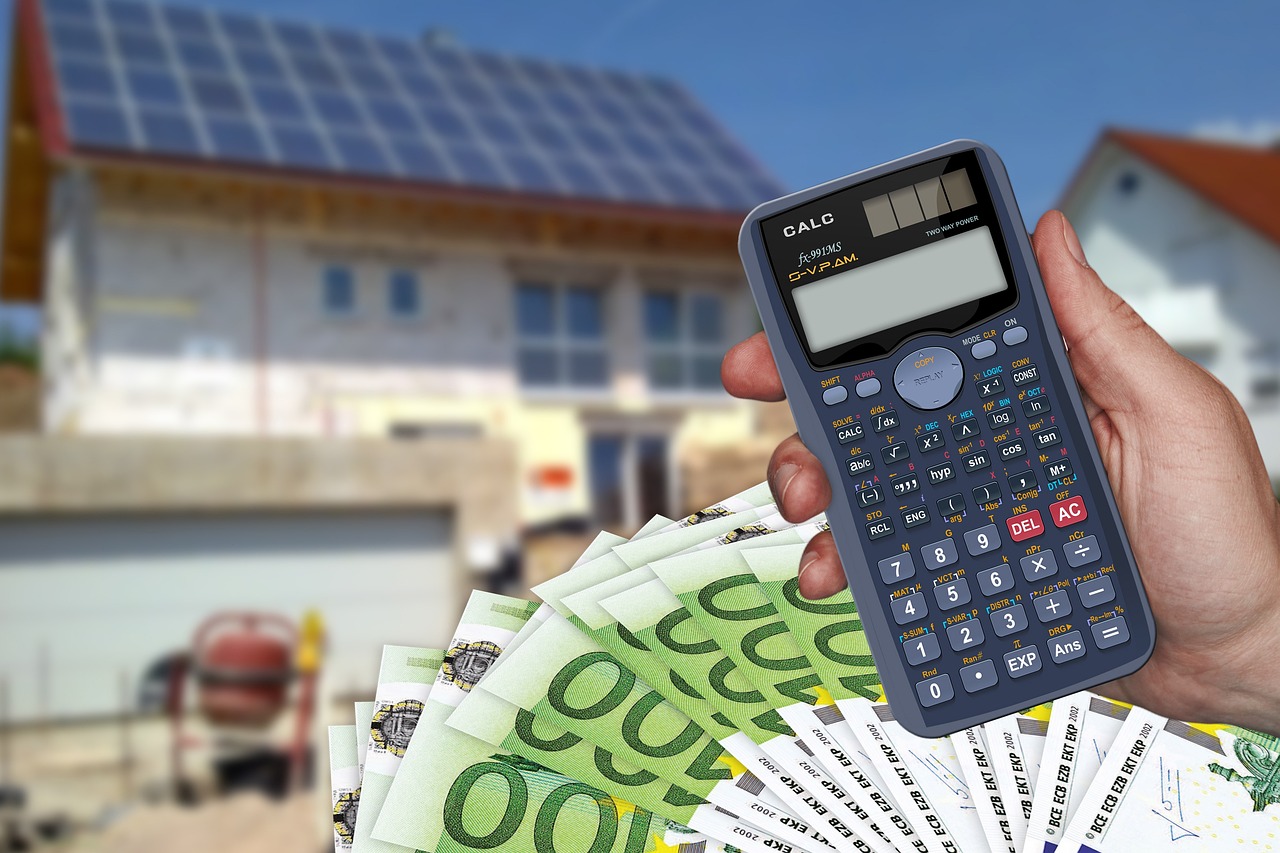
The growing demand for affordable housing solutions that cater to multi-generational living has led to a surge in interest for ADUs-accessible, additional living units within existing properties. This trend reflects a practical response to both housing shortages and demographic shifts, offering an opportunity to enhance family connections while addressing the needs of aging relatives. However, navigating the complexities of construction, legal requirements, and design choices can be daunting. This article examines the world of top-rated ADU builders, exploring consumer preferences for adu-for-multi-generational-living solutions that prioritize accessibility, functionality, and community integration. We'll dissect the process, from design and construction to community impact, providing insights for informed decision-making.
- Understanding ADU for Multi-Generational Living: Needs & Benefits
- Top-Rated ADU Builders: Key Qualities & Expertise
- Consumer Preferences: Desired Features & Layouts
- Building Permits & Regulations: Ensuring Compliance
- Efficient & Cost-Effective ADU Construction Processes
- Case Studies: Successful ADU Projects for Generations
- Future Trends: Evolving ADU Designs for Multi-Family Homes
- Choosing the Right Builder: A Comprehensive Checklist
Understanding ADU for Multi-Generational Living: Needs & Benefits

The concept of adu-for-multi-generational-living is gaining traction as families seek intergenerational living solutions that foster connection and efficiency. These additional dwelling units (ADUs) provide a practical and sustainable adu construction alternative to expanding a home or moving to larger accommodations. By incorporating an ADU, families can create dedicated spaces for aging relatives, grown children returning home, or even as a rental income source. This approach not only addresses the growing need for affordable housing but also offers a unique opportunity to strengthen community bonds.
One of the key benefits of ADUs for multi-generational living is the ability to adapt to changing family dynamics. As children grow and leave home, or as parents require assistance with daily tasks, an ADU provides a flexible solution. A converted garage or basement can serve as a private living space for an aging parent, complete with accessibility features and a separate entrance. This setup promotes independence while ensuring close proximity for family members to offer support and spend quality time together. ADUs can be designed with shared living in mind, featuring common areas that encourage interaction and communication between generations. Overcoming communication barriers in shared ADUs is essential; well-planned spaces with dedicated private areas and clear demarcations can foster an environment of mutual respect and understanding.
Sustainable adu construction is another advantage, as these additional units can be built using eco-friendly materials and energy-efficient systems. This not only reduces environmental impact but also translates to lower utility costs for families. The US Department of Housing and Urban Development (HUD) and state housing authorities are increasingly recognizing the value of ADUs, offering incentives and grants to encourage their development. The Community Development Block Grant (CDBG) program provides funding for ADU projects, particularly in areas where affordable housing is scarce. This support aligns with the growing trend of ADUs as a viable solution for meeting the housing needs of diverse families, from multi-generational households to those seeking additional rental income.
By embracing adu-for-multi-generational-living, families can create dynamic and supportive environments that cater to the evolving needs of each generation. Architectural and interior designers play a pivotal role in crafting these spaces, ensuring they are both functional and aesthetically pleasing. Property management companies and local community centers can also contribute by facilitating connections and organizing activities that bring families together, enhancing the overall intergenerational living experience.
Top-Rated ADU Builders: Key Qualities & Expertise
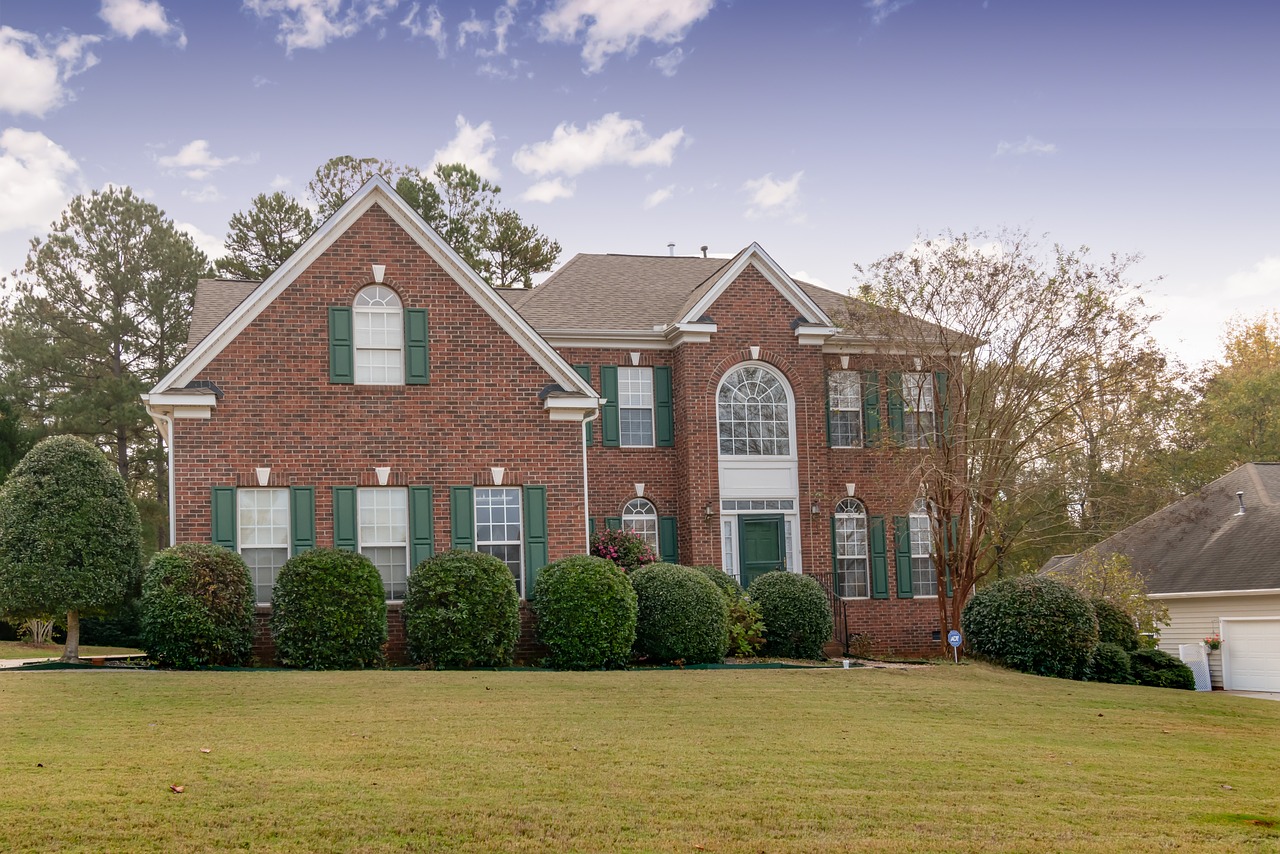
When seeking top-rated ADU builders for multi-generational living solutions, consumers are looking for experts who understand the unique needs and challenges of this evolving housing trend. Beyond basic construction, these builders must possess a deep understanding of local regulations, intergenerational design principles, and cost-saving adu building tips to create functional, inviting spaces for diverse family members.
Trusted ADU experts bring a wealth of experience and specialized knowledge to the table. They are adept at navigating the legal and financial aspects of ADU construction, from permitting processes with local building departments and state housing authorities to working with financial advisors to ensure projects remain within budget. Many also offer comprehensive services, including design and client support, drawing on the talents of architectural and interior designers who can craft spaces that cater to diverse lifestyles and ages.
Consider a builder who partners with home stagers to prepare existing properties for ADU conversion, ensuring the space is not only functional but aesthetically pleasing for all occupants. They should also be able to offer guidance on property management, helping families maximize the value of their investment and navigate the complexities of multi-generational living. The best ADU builders for intergenerational living solutions are those who prioritize communication, transparency, and creating tailored, high-quality spaces that truly meet the needs of the families they serve.
Consumer Preferences: Desired Features & Layouts
When designing ADUs for multi-generational living, understanding consumer preferences for desired features and layouts is crucial for long-term success. According to the ADU Research Institute, families increasingly seek flexible spaces that accommodate both younger adults starting careers and aging relatives who may require assistance. Open floor plans, for instance, allow for easy reconfiguration as needs change, with areas easily converted from living and dining to bedrooms or workspace for caregivers.
Aging in place is another critical consideration. The US Department of Housing and Urban Development (HUD) notes that many older adults prefer staying in their homes as long as possible. ADUs can be tailored with features like no-step entry, wider doorways, and roll-under sinks to facilitate independent living. The National Association of Home Builders (NAHB) reports that these modifications not only improve accessibility but also contribute to the overall value of the property, making it a viable emergency shelter expansion for multi-generational households.
Effective communication is vital in shared ADUs. Overcoming barriers requires thoughtful design and open dialogue. Interior Designers and Home Stagers suggest incorporating dedicated spaces for quiet time and private activities, as well as clear visual cues and consistent lighting to navigate complex households. Property Management Companies often emphasize the importance of shared common areas that foster a sense of community while maintaining individual privacy. A communal kitchen with multiple prep stations and a large island can encourage intergenerational meals while allowing for distance when necessary.
To ensure long-term sustainability, ADU maintenance tips are essential. Regular upkeep, including regular inspections and prompt repairs, is crucial to prevent issues that could impact the health and safety of residents. Financial Advisors recommend budgeting for maintenance costs from the outset, incorporating these expenses into the overall ADU for multi-generational living plan. Leveraging local building departments and state housing authorities for resources on code compliance and grants can make the process more manageable and cost-effective.
Building Permits & Regulations: Ensuring Compliance
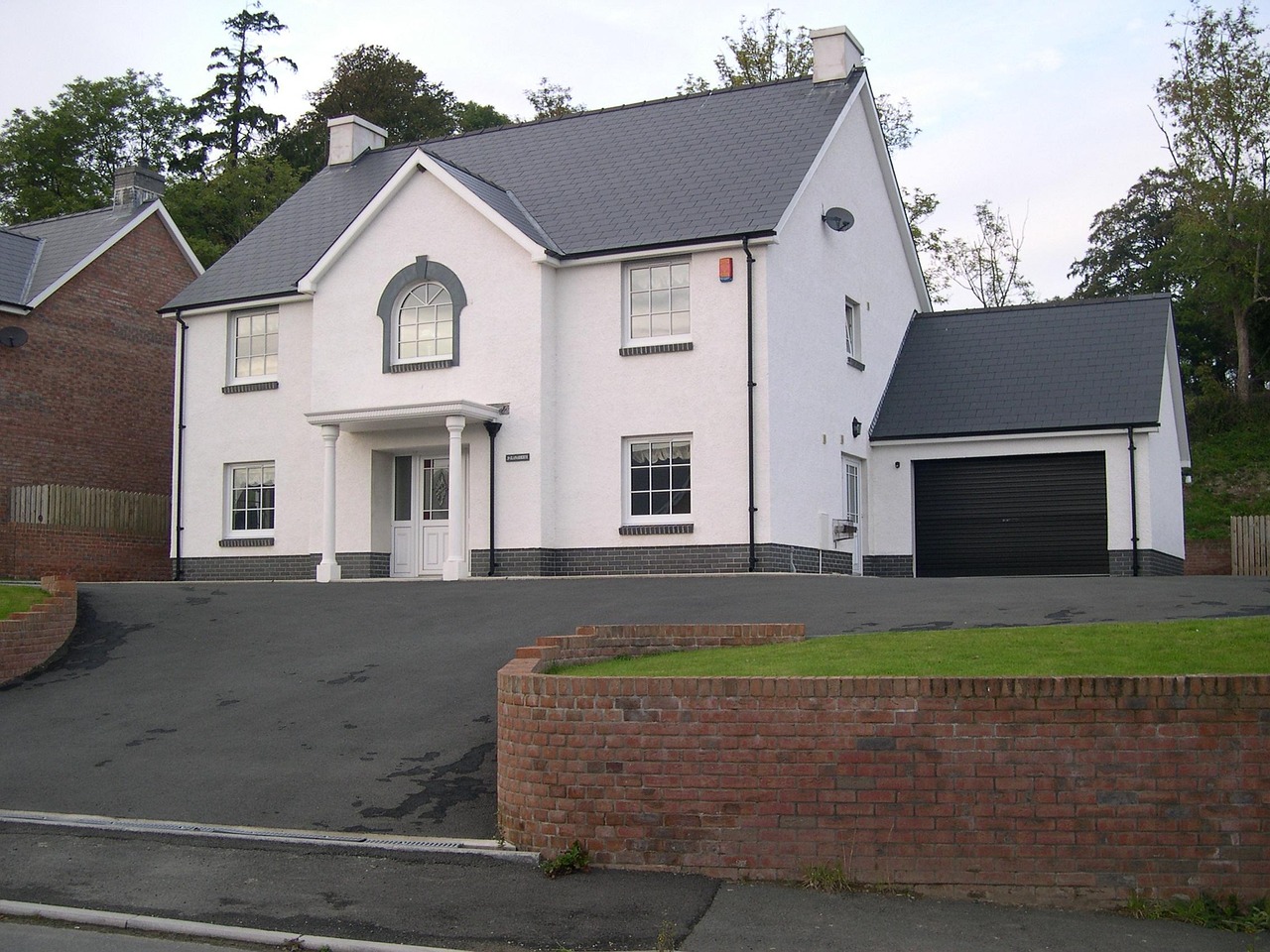
Building permits and regulations are critical aspects of any construction project, especially for adu-for-multi-generational-living. Ensuring compliance with local codes and obtaining the necessary permits is not only legally required but also essential for a smooth construction process. The affordable multi-generational adu market, addressing housing affordability challenges, relies heavily on developers' understanding and adherence to these regulations, which can vary significantly from one jurisdiction to another.
The process of obtaining building permits can be complex and time-consuming. It involves submitting detailed plans, engineering drawings, and other documentation to local building departments. For adu financing options for families, understanding these regulations in advance is crucial. Developers and families must be prepared to demonstrate that the proposed ADU meets all safety, accessibility, and structural requirements. In many areas, specific building codes govern the placement of exits, fire safety systems, and accessibility features, which can significantly impact design choices.
Overcoming communication barriers during this process is also vital. Developers often work with a multitude of professionals, from architects to contractors, and maintaining clear lines of communication with local authorities is key to avoiding delays. This may include seeking advice from legal aid societies or financial advisors to navigate complex permitting procedures. Once permits are secured, developers can proceed with confidence, knowing they have laid a solid foundation for their shared adus-ensuring that these multi-generational spaces are not only functional and safe but also legally compliant.
Efficient & Cost-Effective ADU Construction Processes

Efficient and cost-effective ADU construction processes are paramount in today's housing market, especially as consumers seek solutions for multi-generational living. Top-rated ADU builders understand the importance of navigating building codes, which can vary widely between regions and communities. This expertise allows them to streamline the design and installation phases, ensuring that projects adhere to local regulations while minimizing delays and expenses.
Professional ADU installation involves a multi-step approach, from initial consultation and site assessment to permit acquisition and construction. Skilled contractors employ methods that reduce waste and optimize material usage, contributing to both cost savings and environmental sustainability. This not only expedites project completion but also lowers labor costs.
Community engagement is another critical aspect of successful ADU projects. Top-rated builders foster open communication with neighbors, community centers, and local churches to address concerns and ensure the project aligns with the neighborhood's character. By involving key stakeholders early in the process, builders can prevent conflicts and cultivate support for the project. This collaborative approach not only enhances the project's likelihood of approval but also fosters a sense of community around the ADU, potentially creating intergenerational opportunities for social interaction and support.
Case Studies: Successful ADU Projects for Generations
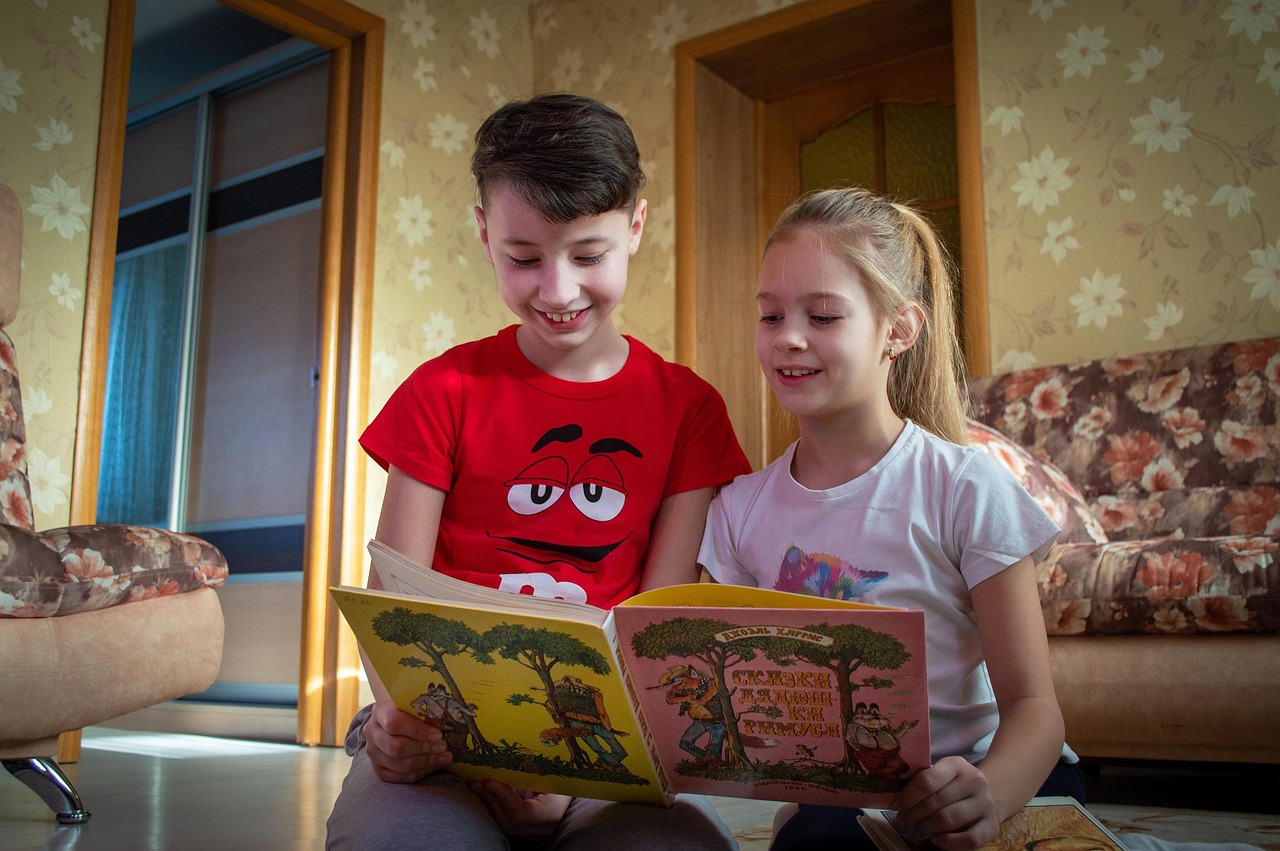
Successful case studies of ADUs for multi-generational living offer valuable insights into how these spaces can transform family dynamics and home environments. Consider the story of a growing family in a bustling suburban neighborhood. Their two-story home, while comfortable, had become cramped as their children reached adulthood and started bringing partners of their own. An ADU, designed as a private apartment with its own entrance, provided a solution that respected privacy and fostered intergenerational connections.
The ADU was integrated into the existing structure, utilizing an unused garage space. Architectural designers from a local firm, specializing in multi-generational housing, created a modern, accessible apartment with a kitchen, living area, and two bedrooms. This project exemplifies how readily available ADU options, such as garage conversions or side yards, can offer flexible living arrangements without the need for extensive renovations or relocation. The added benefit of this setup is the potential for intergenerational bonding; grandparents can enjoy proximity to their adult children and grandchildren while maintaining their independence.
Financing these projects is another crucial aspect of making ADUs for multi-generational living a reality. Families with modest means can explore various options, including government-backed loans like the US Department of Housing and Urban Development's Community Development Block Grant (CDBG) program, designed to support affordable housing initiatives. For those with slightly higher incomes, private financing or home equity lines of credit can be viable alternatives. Financial advisors often recommend assessing the long-term benefits, such as reduced relocation costs and the potential for increased property value, when considering ADU financing.
These case studies highlight the diverse ways ADUs can cater to consumer preferences for multi-gen living, offering both privacy and togetherness. As the National Association of Home Builders notes, the demand for such adaptable housing solutions continues to grow, reflecting a changing societal need for homes that can evolve with families over time.
Future Trends: Evolving ADU Designs for Multi-Family Homes

As the demand for adu-for-multi-generational-living continues to rise, future trends in ADU design are reflecting a shift towards more integrated and collaborative spaces. Top-rated ADU builders are now focusing on creating designs that cater to the unique needs of multi-family households, promoting intergenerational connections while maintaining privacy and functionality. This evolution involves rethinking traditional layout boundaries, incorporating smart home technology, and prioritizing accessibility and adaptability.
Open-concept living areas and flexible spaces are becoming staples in modern ADU designs. These layouts allow for easier interaction between generations while still offering separate zones for privacy. Smart home automation, such as voice-controlled lighting and temperature controls, enhances accessibility for aging caregivers and allows for independent living. Builders are integrating universal design principles, like slip-resistant flooring and grab bars in bathrooms, to cater to the needs of all ages and abilities.
Financing options play a crucial role in making these multi-generational ADU spaces accessible to families. Best local ADU builders often collaborate with financial advisors to offer a range of options, including government grants like the Community Development Block Grant (CDBG) and the US Department of Housing and Urban Development (HUD) programs, as well as private loans tailored to ADU construction. Overcoming communication barriers is also essential; builders are increasingly involving all family members in the design process, ensuring everyone's needs and preferences are considered. This collaborative approach fosters a stronger sense of shared ownership and satisfaction with the final product.
Choosing the Right Builder: A Comprehensive Checklist

Choosing the right builder for your adu for multi-generational living is a crucial decision that can impact your experience, budget, and the overall success of your project. When considering local adu specialists near me, it's essential to create a comprehensive checklist to ensure you find a team that aligns with your specific needs. This checklist should include both technical and interpersonal aspects, as building a multi-generational ADU requires a unique blend of skills.
First, assess their expertise in adus for aging in place. As the ADU Research Institute has noted, these types of conversions require specialized knowledge to ensure accessibility and safety for all ages. Look for builders who can demonstrate experience in designing and constructing ADUs tailored to the needs of seniors, including accessibility features, safe entry/exit, and clear navigation. Next, consider their overall experience in the industry. The National Association of Home Builders suggests that checking a builder's portfolio and reviewing client testimonials can provide valuable insights into their quality of work and customer satisfaction.
To technical proficiency, prioritize builders who exhibit strong communication skills and a collaborative approach. Effective communication is essential when navigating the complexities of multi-generational living spaces, which often involve various stakeholders, such as aging residents, younger family members, and property managers. Builders who engage in regular, transparent communication can help manage expectations, address concerns, and ensure that the final product meets all needs. Consider builders who offer comprehensive project management services, as this can streamline the process and reduce potential delays or budget overruns.
Lastly, don't overlook the importance of financial transparency and legal compliance. Review their pricing structure, ensuring it is clear and competitive. The US Department of Housing and Urban Development emphasizes the significance of understanding all costs associated with an ADU project. Check that they are up-to-date with local building codes and regulations, as well as any state or federal subsidies or grants available for adu for multi-generational living projects. Engaging a builder who can guide you through these aspects will help ensure a successful and worry-free conversion.
As we've explored the landscape of adu-for-multi-generational-living, it's clear that this approach to housing offers a wide range of benefits, from enhancing family connections to addressing affordable housing needs. Top-rated ADU builders are pivotal in realizing these benefits, combining expertise in design, construction, and community engagement.
Consumers are increasingly demanding flexible, multi-functional spaces that cater to the needs of multiple generations. The article has highlighted the importance of understanding these preferences, from desired layouts and features to the legal and financial considerations involved. By adhering to building regulations and implementing efficient, cost-effective construction processes, these builders ensure projects' success and longevity.
Successful case studies have demonstrated the transformative power of ADUs in fostering stronger communities and supporting aging caregivers. Looking ahead, evolving adu designs are poised to further integrate with multi-family homes, creating seamless, interconnected living spaces.
When considering an ADU project, the comprehensive checklist provided serves as a valuable tool. It underscores the importance of thorough planning, expert selection, and attention to detail at every stage. By embracing these insights, builders and homeowners alike can achieve the full potential of adu-for-multi-generational-living, fostering more vibrant, inclusive communities.
ADUs for multi-generational living are gaining popularity as a sustainable, flexible solution for diverse family needs. They adapt to changing dynamics, offer independence and connection, and are supported by government incentives. Top-rated builders understand local regulations, design for intergenerational living, and navigate financial aspects. Successful projects involve community engagement, diverse financing options, and collaborative design processes. Future trends focus on integrated, adaptable spaces with smart home technology and universal design principles. Choosing a builder requires assessing technical expertise, communication skills, financial transparency, and compliance with local codes and grants.