As the population ages, the need for affordable housing solutions that accommodate multi-generational families is on the rise. The traditional setup of a single-family home may no longer meet the needs of families where aging parents require care but desire to remain independent. Here, ADUs for multi-generational living step in as a practical solution. This approach allows families to live together, fostering a sense of community while providing dedicated space for caregiving.
The challenge lies in finding a balance: creating functional, comfortable, and accessible living spaces that cater to the diverse needs of each generation. This article explores the benefits, design considerations, legal aspects, and community impact of ADUs as a viable caregiving solution for aging parents in multi-gen homes. We'll examine practical steps and expert insights to guide families in making informed decisions.
- Understanding ADU for Multi-Generational Living: A Caregiver's Perspective
- Benefits: Why Aging Parents Choose ADUs in Multi-Gen Homes
- Designing ADUs for Optimal Caregiving: Space Planning
- Building and Legal Considerations for ADU Installation
- Creating a Supportive Environment: Interior Design and Accessibility
- Technology Integration: Enhancing Care in Multi-Gen ADUs
- Family Dynamics and Communication: Navigating Multi-Gen Care
- Case Studies: Successful ADU Implementation for Caregiving
Understanding ADU for Multi-Generational Living: A Caregiver's Perspective
For many aging caregivers, the prospect of supporting their parents in their golden years brings a mix of emotions-from warmth to worry. One increasingly popular solution that offers both independence and care is the adu-for-multi-generational-living approach. This strategy involves incorporating an affordable, readily available ADU (accessory dwelling unit) into an existing multi-generational home, enabling families to live together seamlessly while catering to each generation's unique needs.
From a caregiver's perspective, adu-for-multi-generational-living presents a host of advantages. First, it facilitates aging in place, allowing seniors to maintain their independence and stay in familiar surroundings. This can reduce the stress associated with relocating to an assisted living facility. Having an ADU on-site can provide a dedicated space for caregivers, offering rest and respite between caregiving duties. A dedicated ADU could serve as a private suite for a professional caregiver, enabling them to maintain their own living space and boundaries while caring for aging parents.
When considering adu-for-multi-generational-living, it's crucial to involve professional installation teams. Their expertise ensures the project is up to code, safe, and tailored to the family's specific needs. According to the National Association of Home Builders, most professional ADU installations take one to two days, with the process involving architectural design, construction, and final inspections. This relatively swift turnaround means families can enjoy their new multi-generational living arrangement in a matter of weeks, not months.
Community support is another key benefit. Local churches, community centers, and neighborhood associations can play a vital role in fostering connections and providing services that cater to all generations. A nearby senior center could offer daily activities for aging parents, while the ADU serves as a comfortable space for adult children to visit and spend quality time with them. This holistic approach to caregiving, supported by well-designed adu-for-multi-generational-living spaces, can significantly enhance the overall quality of life for all involved.
Benefits: Why Aging Parents Choose ADUs in Multi-Gen Homes
Aging parents seeking to remain in their homes while receiving care often face a challenging conundrum, especially when multiple generations are involved. This is where adu-for-multi-generational-living can offer a practical and beneficial solution, providing both independence and support within a shared space.
For many seniors, the idea of moving to an assisted living facility is unappealing, often due to the loss of independence and the desire to maintain their home environment. ADUs (Accessory Dwelling Units) provide an ideal alternative, offering an affordable and adaptable option for multi-generational living. These additional living spaces can be designed to accommodate the specific needs of aging parents while allowing for privacy and individuality within the same roof. By incorporating features like wider doorways, grab bars, and accessible layouts, adus for aging in place can be tailored to ensure safety and ease of movement, empowering seniors to continue living independently.
Overcoming communication barriers is a critical aspect of successful adu-for-multi-generational-living. Younger family members may struggle to understand the unique needs and preferences of aging parents, leading to potential conflicts. Involving everyone in the design and planning process can help bridge this gap. A family might collaborate with architectural designers, interior designers, and home stagers to create a space that incorporates elements familiar to the senior while also meeting the practical requirements of caregiving. Engaging the entire family in this process fosters understanding and ensures a harmonious living environment.
Local organizations, such as Community Development Block Grants (CDBGs) and State Housing Authorities, often support affordable multi-generational adu initiatives, making these spaces more accessible to families who need them most. This collaborative approach not only provides practical solutions for caregiving but also strengthens the community by fostering intergenerational connections and support networks.
Designing ADUs for Optimal Caregiving: Space Planning
In designing an adu-for-multi-generational-living space, careful space planning is paramount to ensure optimal caregiving. The goal is to create a functional and comfortable environment that caters to the unique needs of aging parents while seamlessly integrating into the existing home. A well-designed ADU should provide a private suite for your parents, complete with a kitchenette and bathroom, while offering easy access to the main residence for moments when hands-on assistance is required.
One practical approach is to consider the flow of movement within the home. The ADU should be strategically located to facilitate this flow. Placing it near the main living areas allows for easy interaction and ensures the caregiving process is as seamless as possible. This design also supports independence, as family members can easily check in on their parents while maintaining their own privacy. Incorporating flexible layouts that accommodate changing needs is essential. A sliding door or foldable partition, for instance, can transform a single room into a more private suite as your parents' mobility shifts.
Addressing housing affordability with readily available ADU options is crucial in an era where many face economic challenges. The US Department of Housing and Urban Development, along with local Community Development Block Grant programs, highlight the potential of ADUs as a solution to housing shortages and caregiving demands. When selecting a builder, look for the best local ADU builders known for their expertise in creating functional, affordable, and aesthetically pleasing spaces. These builders can offer insights into the latest design trends and building techniques, ensuring your ADU is both a practical and stylish addition to your home.
Consider a 300-square-foot ADU with a fully equipped kitchen, a private bedroom, and a bathing facility. This space can serve as a dedicated retreat for your parents, providing them with a sense of independence while being close to family. The National Association of Home Builders emphasizes the versatility of ADUs, stating that they can be tailored to fit various budgets and preferences. By choosing the right builder and designing with care, you can create an ADU that not only supports your aging parents' needs but also enhances the overall functionality and value of your multi-generational home.
Building and Legal Considerations for ADU Installation
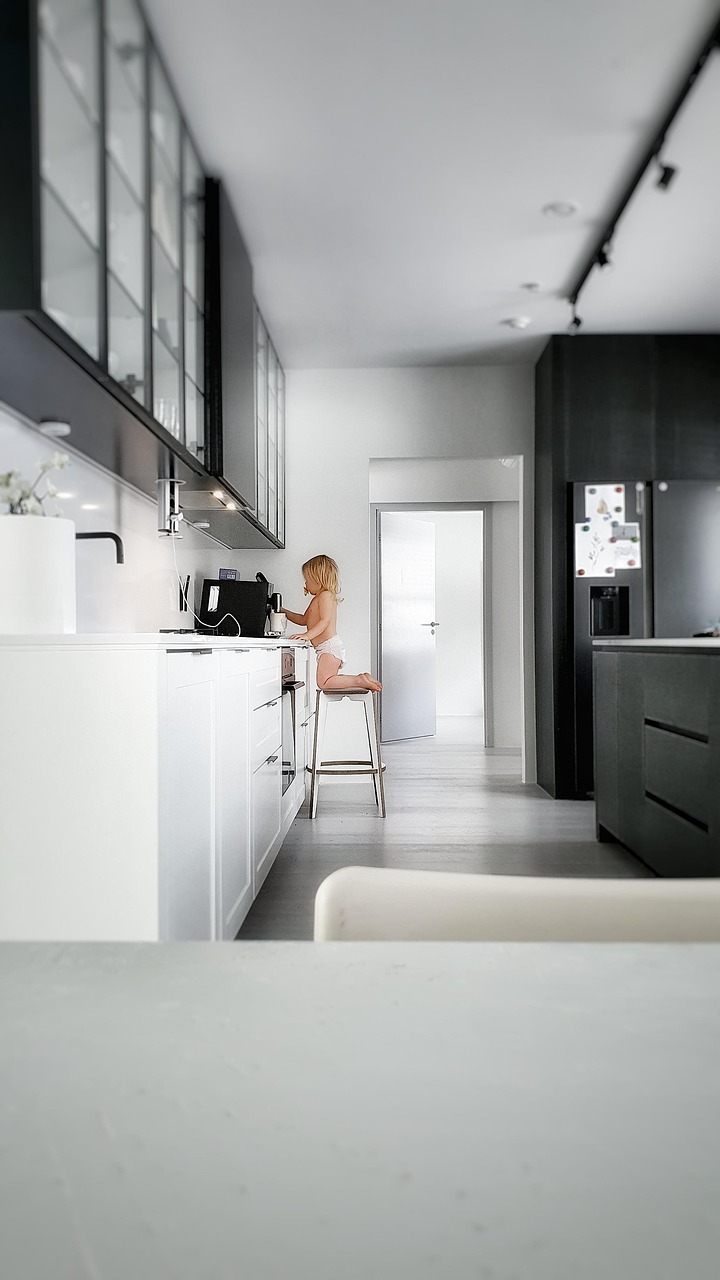
Building and legal considerations are paramount when planning an Affordable Multi-Generational ADU (adu-for-multi-generational-living). Local building departments and state housing authorities set the rules for these additions, so navigating these codes is essential. Every jurisdiction has its own set of regulations, focusing on safety, structural integrity, and zoning laws. Understanding these requirements early on prevents costly delays and potential legal issues.
The US Department of Housing and Urban Development (HUD) and the National Association of Home Builders (NAHB) offer valuable resources for navigating these complexities. They provide guidelines and best practices for ADU construction, ensuring accessibility, functionality, and compliance. Understanding the required exit routes, fire safety systems, and accessibility features can significantly impact the design and layout of the space. An experienced contractor or architect can help interpret these codes and ensure your ADU meets all necessary standards.
While the initial installation involves significant planning and adherence to codes, long-term sustainability is achieved through proper adu maintenance tips for multi-gen living. Regular inspections, timely repairs, and up-to-date systems contribute to a safe and comfortable environment for all generations. As the needs of aging parents change, consider future-proofing your ADU with adaptable design elements and readily accessible features.
Navigating the world of adu reviews and ratings can provide valuable insights. Online platforms and community forums offer firsthand accounts from families who have lived in ADUs, sharing their experiences, pros, and cons. These resources can be invaluable for identifying potential challenges and celebrating the benefits of multi-generational living. Remember, a well-planned and constructed ADU can transform your home into a vibrant hub for family connections, fostering independence and intergenerational support.
Creating a Supportive Environment: Interior Design and Accessibility

In the context of multi-generational living, interior design plays a crucial role in creating a supportive and comfortable environment for aging parents while ensuring the accessibility needs of all occupants are met. When integrating an affordable multi-generational ADU (accessory dwelling unit) into an existing home, local adu specialists near me can provide valuable guidance on maximizing space and adapting designs to accommodate various ages and abilities.
One of the primary considerations is layout. Open concepts promote easy navigation and reduce the risk of falls, which is particularly important for aging individuals. Incorporating sliding doors or partitions allows for flexible space configuration, catering to private needs while offering opportunities for social interaction when desired. A dedicated living area for parents could be designed with comfortable seating and a small kitchenette, fostering independence and quality time together. The ADU Research Institute emphasizes the importance of universal design principles, which focus on creating spaces that are easily usable by people of all ages and abilities.
Overcoming communication barriers is another critical aspect of successful multi-generational living. ADUs can exacerbate these issues, especially in crowded spaces. Local specialists can recommend design strategies to mitigate these challenges. Incorporating smart home technology for voice-controlled lighting and temperature adjustments allows residents to maintain privacy and independence. Ensuring clear line-of-sight corridors and well-lit spaces can significantly improve communication and overall well-being, benefiting both the aging parents and the younger generations. The National Association of Home Builders highlights the growing demand for ADUs as a solution for aging in place, underscoring the need for thoughtful design that respects the evolving needs of multi-generational households.
Technology Integration: Enhancing Care in Multi-Gen ADUs
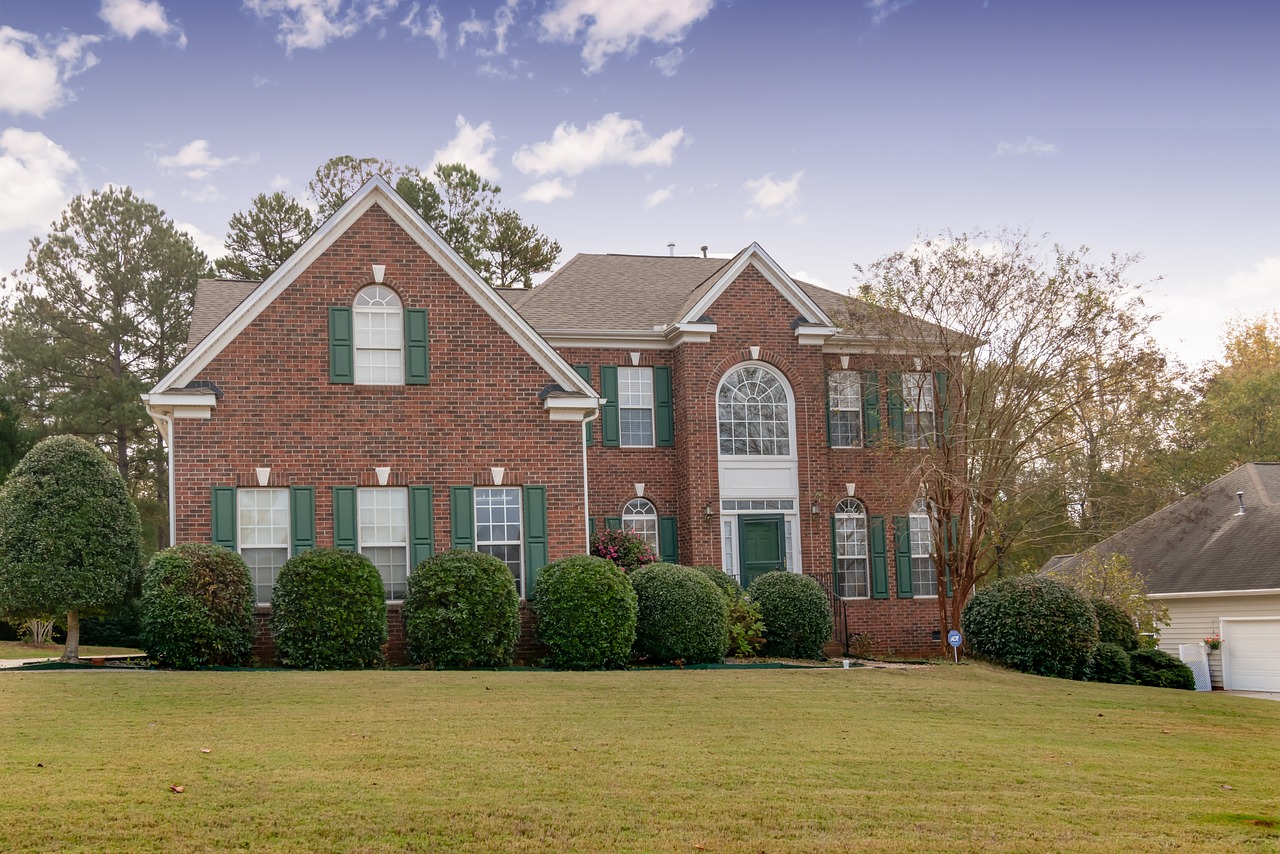
In today's evolving family structures, the integration of technology in adu-for-multi-generational-living spaces is transforming the way we support aging parents. These innovative solutions not only enhance comfort and safety but also foster intergenerational living, creating dynamic and connected households. By incorporating smart home devices, monitoring systems, and digital care platforms, multi-gen ADUs can become hubs of efficient and personalized care.
A top-rated multi-gen ADU service might include a network of sensors that detect fall risks, remind residents to take medication, and monitor vital signs, all while allowing family members to check in remotely. This technology not only empowers aging parents to maintain their independence but also gives family caregivers peace of mind, even when they're far away. ADU reviews and ratings consistently highlight the importance of these integrated systems, noting their impact on improving quality of life and caregiving efficiency.
However, successful technology integration requires careful planning and consideration. Local contractors and property management companies can play a pivotal role in designing and installing these systems, ensuring they align with the unique needs of each resident. Engaging with community centers and local churches can facilitate intergenerational connections, enhancing the overall living experience. By combining advanced technology with thoughtful design and community engagement, adu-for-multi-generational-living spaces can offer not just a place to live, but a vibrant environment where families thrive together.
Family Dynamics and Communication: Navigating Multi-Gen Care

Family dynamics and communication are often the most complex aspects of multi-generational living, and these challenges are magnified when aging parents move in with their children. An ADU-for-multi-generational-living can provide a solution that balances independence and interdependence, but only if communication barriers are overcome.
The first step is to establish clear, open lines of communication. Family meetings, facilitated by a neutral third party if necessary, can help everyone express their needs, expectations, and concerns. This is especially crucial when discussing caregiving responsibilities, privacy, and space usage. A son or daughter may want to ensure their parents have their own space for social interactions, while also considering the need for shared areas like a kitchen or laundry room. An ADU's design can be tailored to accommodate these specific needs, promoting a harmonious living environment.
Financing options play a significant role in making multi-gen living a reality. ADU financing can be a viable solution for families, offering a range of choices from loans to grants. The US Department of Housing and Urban Development and state housing authorities provide resources and programs to support affordable housing, including ADUs. Exploring these options with a financial advisor can help families understand their budget and make informed decisions.
Safety and quality assurance are paramount when considering ADUs, especially for aging parents who may have specific accessibility needs. Engaging with experienced architectural designers and interior designers who specialize in aging-in-place concepts ensures that the ADU is designed and constructed to meet these requirements. Property management companies and local building departments can also offer guidance on safety standards and building codes, ensuring a safe and comfortable living space for all generations.
Case Studies: Successful ADU Implementation for Caregiving

When faced with the challenge of supporting aging parents while maintaining a functional multi-generational home, ADUs (Accessory Dwelling Units) have proven to be an effective solution. The National Association of Home Builders reports that ADUs are growing in popularity, driven by the increasing demand for affordable housing options that accommodate diverse family needs. A well-designed ADU can provide a dedicated space for aging parents while promoting independent living, fostering intergenerational connections, and even improving family dynamics.
Successful ADU implementations for caregiving often involve careful planning and consideration of both functional and emotional aspects. One family in a suburban area converted a finished basement into a cozy apartment for their parents. This setup allowed the parents to maintain their independence while having easy access to their children's home. The ADU included a kitchenette, living area, and private bedroom, while also seamlessly integrating with the main house through a shared laundry room and outdoor space. This arrangement not only provided practical support but also fostered a sense of community and belonging.
When navigating adu maintenance tips for long-term multi-gen living, it's crucial to prioritize durability and low-maintenance features. According to the US Department of Housing and Urban Development (HUD), modular ADUs constructed with quality materials and careful construction methods tend to require less maintenance over time. Engaging with the best local ADU builders who have experience with these projects is essential. These professionals can offer expert advice on selecting suitable locations, designing for accessibility, and adhering to navigating building codes for ADU projects to ensure a safe and compliant construction process.
Considering the long-term needs of the entire family is key. The design should accommodate not only current but also future needs, allowing for flexibility and easy adaptation as everyone's circumstances change. Incorporating adjustable fixtures, wider doorways, and sufficient clearances for wheelchairs or mobility aids can future-proof the space. By carefully considering these factors, ADUs can become integral parts of a successful multi-generational living plan, fostering stronger family bonds and improved quality of life for all residents.
Frequently Asked Questions About ADU as a Caregiving Solution: Supporting Aging Parents in Multi-Gen Homes
What is an ADU, and how can it benefit aging parents? An Accessory Dwelling Unit (ADU) is a secondary residential space, typically attached to a primary home, designed to provide independent living for aging parents or other family members. It offers several benefits, including allowing seniors to age in place, ensuring they can maintain their independence, and easing the financial burden on family caregivers by providing a source of rental income.
How does an ADU support multi-generational homes? In a multi-generational home, an ADU can be a dedicated living space for aging parents, enabling them to live close to their children or other family members. This setup promotes intergenerational bonding, facilitates caregiving, and ensures that parents have access to support and assistance as needed while maintaining their privacy and independence.
Is building an ADU a cost-effective solution for caregiving? Yes, an ADU can be a cost-effective caregiving solution. By housing aging parents in an ADU, families can reduce the expenses associated with long-term care facilities or in-home healthcare services. The rental income generated by the ADU can help offset the construction and maintenance costs, making it a financially viable option for many families.
What are the legal considerations when building an ADU for caregiving? Local zoning laws and building codes significantly impact ADU construction. It's crucial to ensure that the proposed ADU complies with these regulations. Many areas have specific requirements for ADUs, including size, zoning, and accessibility standards. Consulting with a local contractor or real estate professional familiar with ADU regulations is essential to navigate these legal considerations successfully.
Can an ADU be customized to meet the specific needs of aging parents? Absolutely. ADUs can be customized to accommodate various mobility and health needs. This customization includes installing ramps, grab bars, wheelchair access, and specialized equipment. Collaborating with architects and contractors who specialize in aging-in-place design can result in an ADU tailored to the unique requirements of your aging parents, ensuring their safety, comfort, and independence.
What are the long-term benefits of having an ADU for caregiving? In the long term, an ADU provides a sustainable caregiving solution, allowing aging parents to maintain their quality of life and independence. It also prepares multi-generational homes for future changes in family dynamics, ensuring that future generations can continue to benefit from the shared living arrangement. An ADU can be a valuable asset, increasing the property's value and providing a potential source of passive income.
As we've explored, integrating an ADU for multi-generational living offers a holistic solution to caregiving challenges, catering to the evolving needs of aging parents while enriching family dynamics. By thoughtfully designing adaptable spaces, navigating legal and financial hurdles, and leveraging technology, families can create nurturing environments that support independence and quality of life.
From the perspective of caregivers, the benefits are clear: ADUs provide a dedicated space for care, easing the burden on primary caregivers and fostering community within the home. Case studies demonstrate the success of these strategies, showcasing how thoughtful planning and collaboration can transform lives.
Moving forward, the potential for ADUs in multi-generational homes is immense. By embracing innovative design, embracing community resources, and staying informed about legal and financial aspects, families can achieve the power of ADUs for enhanced caregiving and stronger, more resilient family connections.
The adu-for-multi-generational-living approach offers a practical solution for caregivers, enabling seniors to age in place while providing a dedicated space for rest and respite. This strategy involves incorporating an affordable ADU into an existing home, fostering intergenerational connections and enhancing quality of life. Key benefits include reduced stress for caregivers, tailored independence for seniors, and community support through local organizations. Successful implementation requires professional installation, thoughtful design, and open communication to bridge generational gaps and meet diverse needs.