In today's evolving family structures, the need for adu-for-multi-generational-living solutions is more critical than ever. As households embrace multi-gen living, creating functional and harmonious spaces becomes a complex challenge. The local market is saturated with contractors, designers, and property managers, but finding experts who truly understand the unique demands of affordable multi-generational ADUs can be a significant hurdle. This article guides you through the process of identifying and engaging local professionals who specialize in designing and implementing these essential living spaces, ensuring a seamless transition to a more inclusive and functional home.
- Understanding ADUs: The Key to Multi-Gen Spaces
- Locating Experts: Your Search Strategy for ADU
- Evaluating Needs: Creating a Multi-Gen Living Plan
- Finding Local Contractors: Your ADU Installation Guide
- Permits and Regulations: Navigating Local Laws for ADUs
- Designing for Generations: Spaces that Accommodate All
- Cost Considerations: Budgeting for Your ADU Project
- Success Stories: Real-Life ADU Transformations for Multi-Gen Living
Understanding ADUs: The Key to Multi-Gen Spaces
Understanding ADUs: The Cornerstone of Multi-Generational Living Spaces
At the heart of modern multi-generational living solutions lies the Adaptive Unit (ADU), a versatile and efficient design element that allows for the expansion of housing to accommodate diverse family needs. ADUs for multi-generational living aren't just about adding space; they're about creating functional, safe, and high-quality environments that foster intergenerational connections. When well-designed, these units can enhance family dynamics and improve the overall quality of life for all residents.
The concept of ADUs has gained significant traction, driven by changing consumer preferences and supported by local governments through initiatives like the US Department of Housing and Urban Development's (HUD) Community Development Block Grant (CDBG) program. This shift is reflected in the rising number of ADU projects, with the average installation taking one to two days, depending on complexity.
Safety and quality assurance are paramount for ADUs for multi-generational living. To ensure a robust and secure space, it's crucial to engage top-rated multi-gen ADU services that prioritize construction standards and adhere to local building department regulations. Proper electrical, plumbing, and structural integrity are non-negotiable, especially when considering the varied needs of aging caregivers and younger family members. By choosing experts who specialize in ADU safety, homeowners can rest assured that their investment not only enhances their living situation but also meets the highest standards of quality.
When selecting an ADU expert, consider the unique needs of your multi-generational household. Engage architectural designers and interior designers who understand the nuances of ADU design, home stagers who can optimize space for diverse lifestyles, and property management companies that can offer ongoing support. Remember, the goal is to create a seamless, functional space that caters to the preferences of all family members, reflecting the evolving nature of modern multi-generational living.
Locating Experts: Your Search Strategy for ADU
Finding local experts for ADU-for-multi-generational-living projects requires a strategic approach that goes beyond a simple Google search. While online platforms offer a starting point, they often lack the nuanced understanding of local building codes, zoning regulations, and community dynamics that specialized professionals possess.
Community engagement through ADUs is gaining traction as a solution for housing affordability and multi-generational living. Niche ADU designs tailored to the specific needs of multi-generational families offer a unique opportunity for intergenerational connections and shared living spaces. To capitalize on this trend, start your search by connecting with local architects, interior designers, and property managers who specialize in ADUs. These professionals can offer valuable insights into the local market, design trends, and potential challenges specific to your community.
The US Department of Housing and Urban Development (HUD) and state housing authorities often provide resources and grants to support ADU development, further underscoring their importance as a sustainable housing solution. When evaluating potential experts, prioritize those who are knowledgeable about these initiatives and can help navigate the application process. Safety and quality assurance are paramount in ADU construction. Look for experts who prioritize adherence to building codes, structural integrity, and the incorporation of smart home technology for enhanced security and accessibility. Consider enlisting a contractor with a proven track record of successful ADU projects and a commitment to using high-quality materials and workmanship.
Evaluating Needs: Creating a Multi-Gen Living Plan
Evaluating your needs and creating a comprehensive plan are crucial steps when considering an ADU for multi-generational living. This process ensures your investment aligns with your family's unique requirements and promotes a safe, high-quality living space for all ages. Start by assessing your current situation and envisioning your desired outcomes. Identify the number of family members to accommodate, their specific ages, and individual needs, such as accessibility requirements or private living spaces. A multi-generational family might require separate areas for teenagers, aging parents, and grandparents, each with their own level of independence.
Next, consider your local market and the available ADU financing options for families. Researching local ADU specialists near me is essential to finding experts who can guide you through the process. Reach out to these professionals to understand the latest trends, building codes, and safety standards in your area. Ask about their experience with multi-generational ADU designs, and inquire about any specific challenges they've encountered and how they addressed them. This step is vital to ensuring your project complies with local regulations and incorporates the latest safety measures.
Explore different financing options tailored to multi-generational ADU projects. These might include government grants, such as those provided by the US Department of Housing and Urban Development or state and local housing authorities, which support affordable housing initiatives. There are also private financing options, like home equity loans or lines of credit, which can be tailored to your family's specific needs and financial situation. Engaging with a financial advisor to explore these options is advisable, ensuring you make informed decisions that align with your long-term goals.
By thoroughly evaluating your needs and enlisting the help of local ADU specialists, you can create a well-designed, safe, and financially viable multi-generational living space. This approach ensures your family's happiness and well-being while potentially enhancing the overall value of your property.
Finding Local Contractors: Your ADU Installation Guide

Finding local contractors for your adu-for-multi-generational-living project is a crucial step in ensuring a successful and safe expansion. With readily available adu options in many areas, the first challenge is to identify qualified professionals who understand the unique demands of multi-generational living spaces. Start by researching online platforms and local directories that list contractors and builders specializing in ADU installations. These platforms often include user-generated reviews and ratings, which can be invaluable for assessing a contractor's reputation and work quality.
When evaluating contractors, consider the breadth of their experience. Look for companies that have a proven track record of successfully completing ADU projects, especially ones tailored to multi-generational households. Reputable contractors should be able to provide case studies or client testimonials, showcasing their ability to handle the specific design and logistical challenges of these spaces. Some contractors may have expertise in converting existing structures, while others specialize in custom ADU construction from the ground up.
Safety and compliance are paramount, especially when expanding living spaces for emergencies or to accommodate aging family members. Ensure your chosen contractor is up-to-date on local building codes and has the necessary permits to handle ADU installations. Many local building departments offer resources or even workshops to educate homeowners and contractors about the latest regulations for such projects. This step is crucial, as it not only ensures your project complies with local laws but also safeguards against potential future legal issues.
Permits and Regulations: Navigating Local Laws for ADUs

Navigating Local Laws for ADUs: Permits and Regulations
When considering an ADU for multi-generational living, understanding the permits and regulations involved is crucial. Every municipality has its own set of rules and guidelines for these secondary dwellings, and non-compliance can lead to costly delays or even legal issues. The first step in any project is to contact your local building department to gather information on specific requirements. This process will help you understand what documents you need to submit, what fees to expect, and potential restrictions on design or size. Some areas may have maximum size limits or set standards for accessibility and fire safety.
The US Department of Housing and Urban Development (HUD) and state housing authorities offer resources to help developers and homeowners understand local ADU regulations. The National Association of Home Builders (NAHB) also provides guidance on sustainable ADU construction, emphasizing energy efficiency and environmental considerations. These resources are invaluable for navigating the legal aspects of your project. Remember, professional ADU installation should always comply with local codes to ensure safety, functionality, and a smooth approval process.
For intergenerational living solutions, it's essential to consider how these regulations might impact your design choices. Local permits might dictate the placement of windows, ventilation systems, or even the type of construction materials used. A qualified contractor or architect can help interpret these rules and suggest innovative ways to incorporate an ADU while adhering to all necessary guidelines. By understanding and proactively addressing permits and regulations, you can create a well-integrated and compliant multi-generational living space.
Designing for Generations: Spaces that Accommodate All

For designing spaces that accommodate all generations, the focus shifts from simply meeting basic needs to creating environments that foster intergenerational connections and promote independent living. A well-designed adu-for-multi-generational-living space must consider the unique needs and preferences of each age group, from seniors looking for quiet retreats to younger generations who value open, flexible floor plans.
One effective approach is to incorporate adaptable spaces that can evolve with the changing needs of residents. A den or study area with adjustable shelving and seating can double as a play area for grandchildren or a quiet work zone for grandparents. Kitchens designed with multiple work stations cater to both cooking enthusiasts and those with limited mobility. Similarly, using modular furniture and smart storage solutions allows for easy reconfiguration as family dynamics change. These cost-saving adu building tips not only create a functional space but also contribute to the long-term affordability of multi-generational adus, making them a wise investment for any family.
Beyond functionality, aesthetics play a crucial role in creating welcoming spaces for all. Neutral color palettes and timeless design elements can appeal to a broader range of tastes and age groups. Incorporating natural light and outdoor access through large windows or sliding doors can enhance well-being and create opportunities for intergenerational engagement in gardening or outdoor activities. According to recent adu reviews and ratings, families highly value spaces that facilitate meaningful interactions and create a sense of community.
When selecting an expert to build your multi-generational adu, look for professionals who specialize in this type of design. Architectural designers and interior designers with experience in ADU for multi-generational living can offer valuable insights into creating harmonious, functional spaces. Property management companies and home stagers can also provide valuable perspectives, ensuring that your space not only looks great but also functions well for the diverse needs of your family. Remember, the goal is to build a space that is not only a place to live but a place to thrive and connect for generations to come.
Cost Considerations: Budgeting for Your ADU Project

When planning an ADU for multi-generational living, budgeting is a crucial step. The cost of these projects can vary greatly, from modest renovations to complex construction, depending on factors like the size of the space, local permits, and the level of customization.
A key consideration is the overall budget for the project. It's important to not only cover the direct costs of construction but also account for permits, architectural design, and any necessary utility hookups. If you're adapting an existing space, you'll likely save on construction costs but may face higher design expenses. Trusted ADU experts can offer guidance on these variables and help you create a realistic budget, ensuring your project aligns with your financial goals.
Intergenerational living solutions, like ADUs, can also be a strategic investment in the long term. The US Department of Housing and Urban Development (HUD) notes that aging in place through modifications like ADUs can be more cost-effective than moving to assisted living. Financial advisors recommend setting aside a dedicated fund for home improvements, especially for projects that enhance accessibility and safety, like ramp installations or grab bar fittings. Property management companies and local building departments can provide insights into the return on investment for your specific ADU project, helping you make informed decisions within your budget.
Remember, working with ADU experts who specialize in multi-generational living can offer invaluable expertise throughout the budgeting process. They can connect you with trusted contractors, navigate local regulations, and ensure your ADU is not only functional but also adds value to your property. By taking a holistic approach to budgeting, you can transform your ADU into a meaningful space that supports the unique needs of your multi-generational family.
Success Stories: Real-Life ADU Transformations for Multi-Gen Living
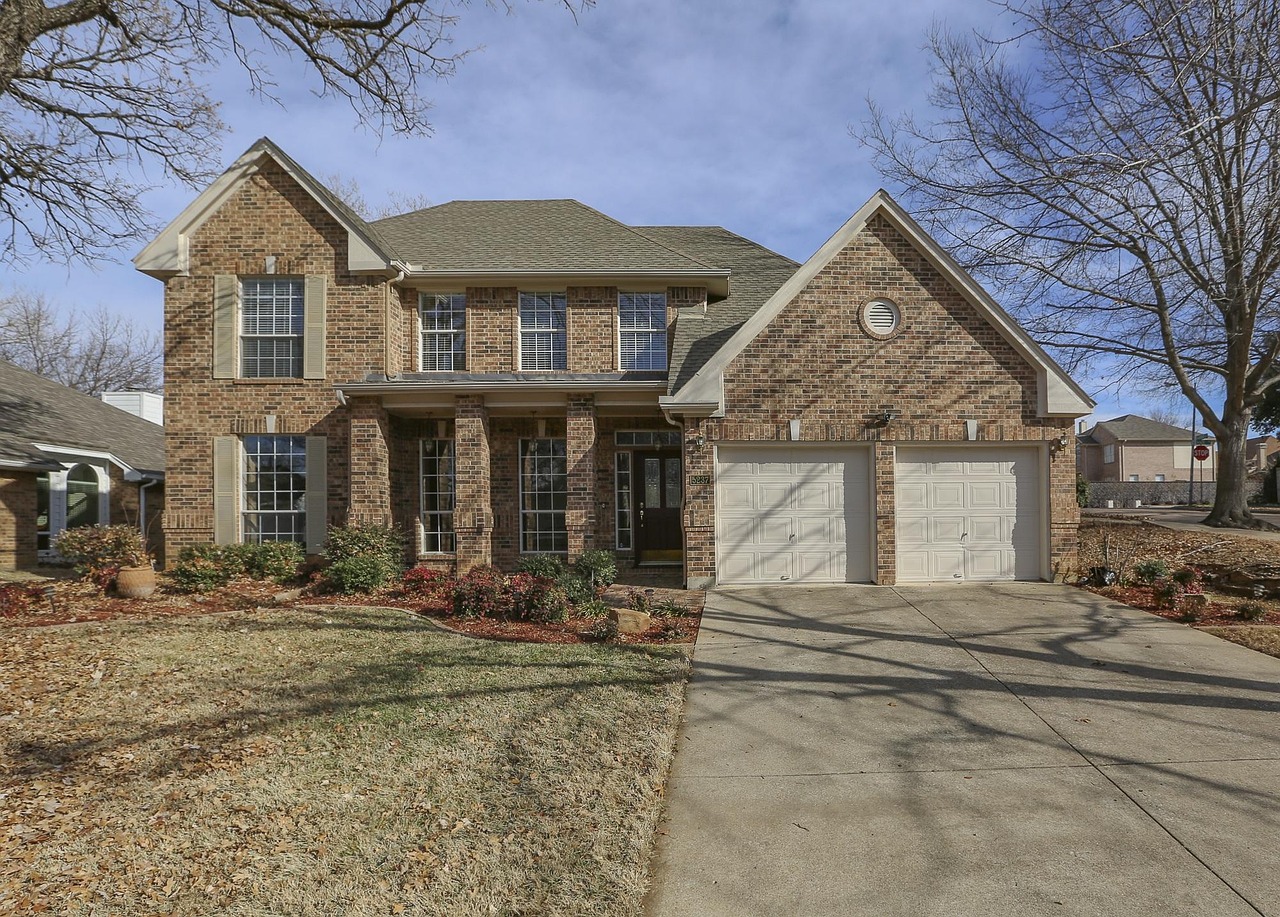
In the realm of multi-generational living, Adaptive Unit (ADU) transformations have become a beacon of hope for families seeking more space and intergenerational connections. Real-life success stories across the country showcase the profound impact tailored ADU designs for multi-gen families can have on diverse households. From sprawling suburban homes to urban townhouses, ADUs are being creatively incorporated to accommodate consumer preferences for multi-gen spaces while ensuring long-term functionality and ease of maintenance.
Consider the Johnson family in a suburban community. Their once cramped home was transformed into a harmonious multi-gen residence by integrating an ADU. The new space includes a self-contained apartment for their aging parents, complete with a private entrance and access to shared living areas. This thoughtful design not only provides additional room for their growing family but also allows their parents to maintain their independence. Similarly, in urban centers, families are leveraging ADUs to create flexible living arrangements, catering to the needs of young professionals, students, or extended family members. A family in a dense city core converted an unused basement into a modern, light-filled ADU, offering a cost-effective living solution for a young couple.
Beyond the initial construction, proper ADU maintenance is crucial for long-term multi-gen living. Regular inspections, timely repairs, and efficient systems ensure the space remains comfortable and sustainable. Implementing energy-efficient appliances, proper insulation, and water conservation measures can significantly reduce utility costs over time. Engaging local contractors familiar with ADU maintenance tips can help families avoid costly surprises. Property management companies specializing in ADUs can also provide ongoing support, ensuring the space remains in excellent condition for years to come.
Frequently Asked Questions About Near Me: Finding Local ADU Experts for Multi-Gen Living
What is an Accessory Dwelling Unit (ADU)?
An ADU, or granny flat, is a secondary residential unit attached to or detached from a primary residence. It can be used as a guest house, rental property, or as a space for multi-generational living, accommodating extended family members. ADUs are a popular solution for homeowners seeking additional living space while preserving the character of their property.
Why consider an ADU for multi-generational living?
Building an ADU offers a practical solution for families with aging relatives, young adults returning home, or those seeking to live closer to family. It provides a private, self-contained living space that promotes independence and family bonding. By integrating an ADU, homeowners can enjoy the benefits of multi-generational living while maintaining their home's privacy and value.
How do I find local ADU experts near me?
When looking for local ADU experts, start by researching online. Websites like Angi, HomeAdvisor, and local contractor directories can connect you with qualified professionals. Ask for referrals from friends and neighbors who have had successful ADU installations. Check online reviews and ask for examples of past projects to ensure the contractor has experience with your specific needs.
What should I consider when hiring an ADU expert?
Prioritize contractors with a proven track record, relevant licenses, and insurance. Discuss your budget and specific requirements upfront. Request detailed proposals outlining the scope of work, materials, and timeline. Consider the contractor's communication style and their ability to address your concerns and answer your questions throughout the process.
How much does it cost to build an ADU?
ADU costs vary widely based on location, size, complexity, and materials used. Remember, these are only estimates, and the actual cost may differ based on your specific circumstances.
What permits are required to build an ADU?
Permits required for ADU construction vary by city and county. Common permits include building, zoning, and plumbing permits. Contact your local building department to determine the specific permits needed for your project.
How long does it take to build an ADU?
The timeline for building an ADU typically ranges from one to six months, depending on the project's complexity and the contractor's workload. Effective communication with your contractor will help ensure a smoother and more efficient construction process.
As we've explored the multifaceted world of affordable multi-generational ADUs, it's clear that these spaces represent a significant evolution in housing design and family living. From understanding the core benefits of ADUs for multi-generational living to navigating permits and regulations, each step is crucial in creating successful, functional, and inclusive spaces.
By employing the right local experts, evaluating specific needs, and considering the unique design requirements for different age groups, homeowners can transform their properties into vibrant hubs for multi-gen families. The success stories we've highlighted demonstrate the profound impact ADUs can have on strengthening family bonds and accommodating diverse needs.
Moving forward, the potential for ADUs to drive organic traffic and enhance community engagement is significant. By integrating these spaces into local neighborhoods, we can foster more connected, inclusive communities. Whether you're a homeowner looking to expand your living space or a contractor aiming to meet this growing demand, the insights gained from this article equip you with the knowledge to embark on successful adu-for-multi-generational-living projects.
Adaptive Units (ADUs) are transforming multi-generational living spaces by offering flexible, functional, and safe environments. Driven by consumer demand and supported by initiatives like HUD's CDBG program, ADUs for multi-gen living prioritize safety, quality, and intergenerational connections. Success stories highlight ADUs' impact on diverse households, from suburban to urban settings. Budgeting, maintenance, and engaging specialists are key to successful ADU-for-multi-generational-living projects.