
In today's diverse families, the need for safe, affordable housing that accommodates multi-generational living is more critical than ever. As the US Department of Housing and Urban Development (HUD) notes, the growing trend of multigenerational households presents both opportunities and challenges, particularly for emergency shelter. The traditional model of independent living may not be sustainable for families spanning multiple generations, especially in the face of economic instability or unforeseen circumstances. This is where affordable multi-generational ADUs (Accessory Dwelling Units) step in as a viable solution.
ADUs for multi-generational living offer a practical, sustainable approach to addressing this growing need. By maximizing existing space and providing additional housing, ADUs can strengthen community bonds and ensure every family member has a safe place to call home during emergencies. This article explores the multifaceted benefits, legal considerations, design strategies, and community impact of ADUs as emergency shelters for multi-generational families.
- Understanding Multi-Generational Living: Benefits and Challenges
- Why ADUs Are Ideal for Emergency Shelters
- Designing ADUs for Safe Multi-Generational Spaces
- Legal and Zoning Considerations for ADU Construction
- Efficient Construction Processes for Rapid Shelter Deployment
- Essential Features for a Functional Emergency Shelter ADU
- Community Engagement: Collaborating for Multi-Family Safety
- Case Studies: Successful ADUs in Multi-Generational Emergencies
Understanding Multi-Generational Living: Benefits and Challenges

Multi-generational living, where multiple family members share a home, is a growing trend in many parts of the world, driven by factors like rising housing costs, aging populations, and changing family dynamics. While this arrangement offers numerous benefits, such as strengthening family bonds and fostering intergenerational connections, it also presents unique challenges. Understanding these dynamics is crucial for creating successful and harmonious adu-for-multi-generational-living spaces.
One of the primary challenges is balancing personal space and privacy with shared living areas. In a multi-generational home, each family member may have differing needs and preferences. Younger adults might desire more privacy for studying or social lives, while older adults may prefer more social interaction and shared spaces. Architects and interior designers play a vital role in addressing this by creating flexible and adaptable layouts. Using modular furniture, movable partitions, and well-defined zones can help cater to individual needs while ensuring there are designated areas for collective activities.
Communication is another significant barrier to overcome. Different generations may have distinct communication styles and preferences. Older family members might prefer face-to-face conversations, while younger ones may rely more on digital communication. Encouraging open dialogue and establishing clear communication protocols is essential. Regular family meetings, where everyone has a voice, can help set expectations and address concerns. Leveraging adu financing options for families, such as grants, loans, or shared equity programs, can make multi-generational living more affordable and accessible. This not only alleviates financial strain but also allows for more flexibility in designing and adapting spaces to meet everyone's needs.
In an affordable multi-generational adu, the key to success lies in thoughtful design, open communication, and accessible financing. By considering the unique needs of each generation, leveraging professional expertise, and exploring suitable adu financing options for families, it is possible to create safe, comfortable, and cohesive living spaces that strengthen family bonds and support diverse lifestyles.
Why ADUs Are Ideal for Emergency Shelters
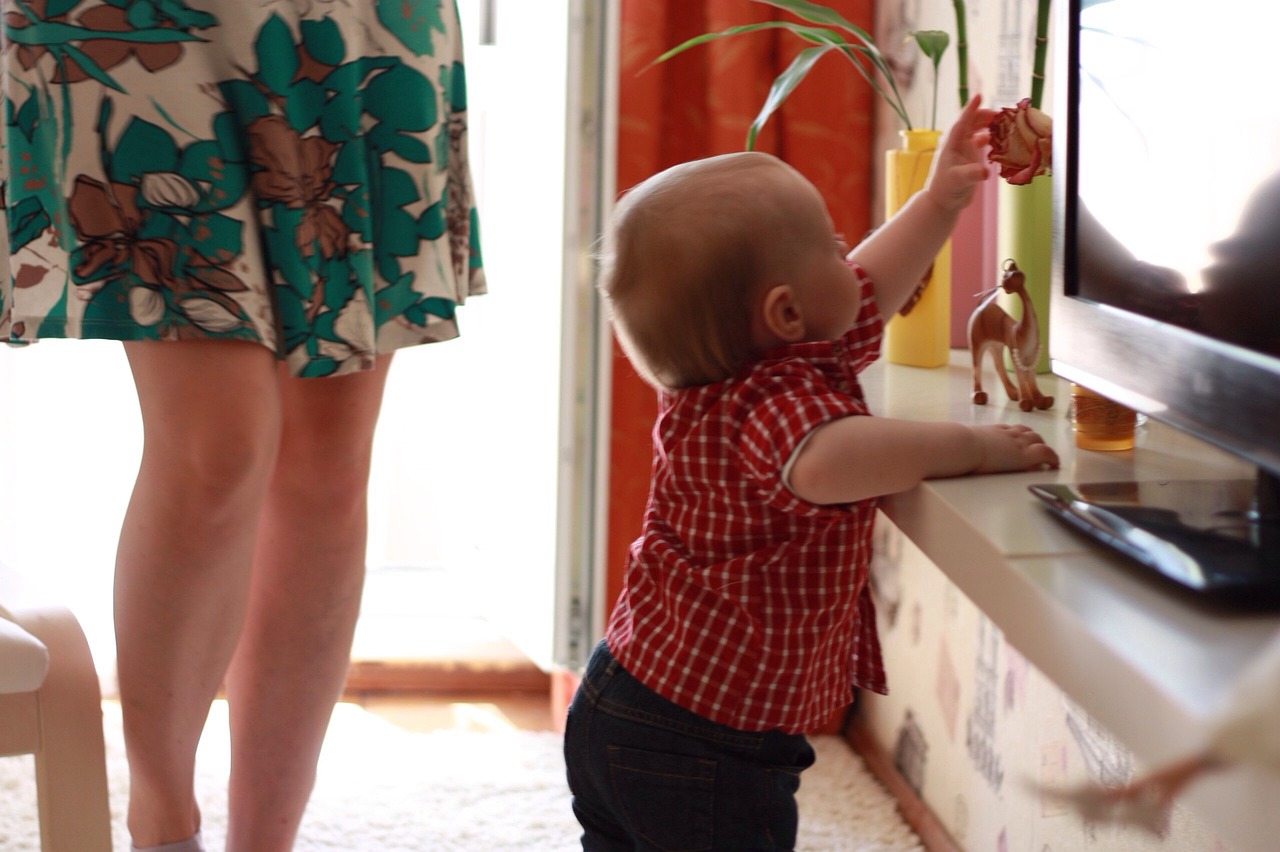
Emergency shelters play a vital role in safeguarding families during crises, and affordable multi-generational ADUs (Accessory Dwelling Units) offer a unique and effective solution. When designed with community engagement through ADUs in mind, these additional living spaces can provide a safe haven, fostering a sense of security and stability for diverse family structures.
ADUs are ideal for emergency shelters due to their adaptability and cost-saving potential. They can be swiftly converted into temporary or long-term accommodations, offering a more private and familiar environment compared to traditional shelters. This is especially beneficial for multi-generational families, allowing grandparents, parents, and young adults to remain together during challenging times. By leveraging cost-saving ADU building tips, organizations can maximize the number of families they support. Utilizing off-the-shelf materials and simple designs can reduce construction costs, making it possible to create more emergency shelter spaces within a limited budget.
ADUs can serve as caregiving solutions within these multi-generational settings. They provide a dedicated space for elderly or disabled family members, enabling them to receive assistance while maintaining some independence. This is particularly valuable in communities where aging caregivers may need a break or additional support. Integrating ADUs into emergency shelter plans promotes community resilience and ensures that caregiving responsibilities are shared among family members, fostering a supportive environment.
Local organizations and government bodies can play a pivotal role in establishing these emergency shelters. The US Department of Housing and Urban Development, in collaboration with the National Association of Home Builders, has conducted research highlighting the benefits of ADUs for multi-generational living. By partnering with local building departments and state housing authorities, they can streamline the approval process, making it easier to convert ADUs into emergency shelters. Engaging with community centers, local churches, and neighborhood associations is also crucial for identifying needs and providing a network of support for families in crisis.
Designing ADUs for Safe Multi-Generational Spaces

In the face of rising housing costs and a growing need for multi-generational living solutions, affordable multi-generational ADUs (accessory dwelling units) offer a promising path forward. Designing ADUs for safe and functional multi-generational living spaces requires careful consideration to ensure every member of the family feels secure, comfortable, and supported. This includes addressing privacy concerns, accessibility, and age-appropriate design elements.
One of the key advantages of ADUs in multi-generational homes is their potential to foster community engagement. Well-designed ADUs can facilitate intergenerational interactions through shared spaces like kitchens and outdoor areas, promoting a sense of belonging and mutual support. A family with young children and aging grandparents can benefit from a layout that allows for both quiet retreat and easy access to shared activities. The National Association of Home Builders (NAHB) has highlighted the growing popularity of ADUs as a means to address housing affordability, with many families opting for this solution to live closer together without compromising on personal space.
Same-day ADU estimates, made possible by advancements in technology and standardized building codes, can speed up the process for families looking for immediate solutions. Local building departments play a crucial role in streamlining these projects, ensuring they comply with safety regulations. Property management companies and interior designers specializing in ADUs can provide valuable expertise, offering same-day consultations to assess space, discuss design options, and provide preliminary cost estimates. Engaging with these professionals early in the process can help families envision and realize their ideal multi-generational living space.
Community centers and local churches can also be valuable partners in developing ADU initiatives, providing resources and support for families interested in this type of housing. By involving the community, families can tap into a network of knowledge and support, ensuring their ADU designs not only meet safety standards but also align with the needs and aspirations of their neighborhood. This collaborative approach can lead to more successful and sustainable multi-generational ADU projects, enhancing the overall well-being of the community.
Legal and Zoning Considerations for ADU Construction
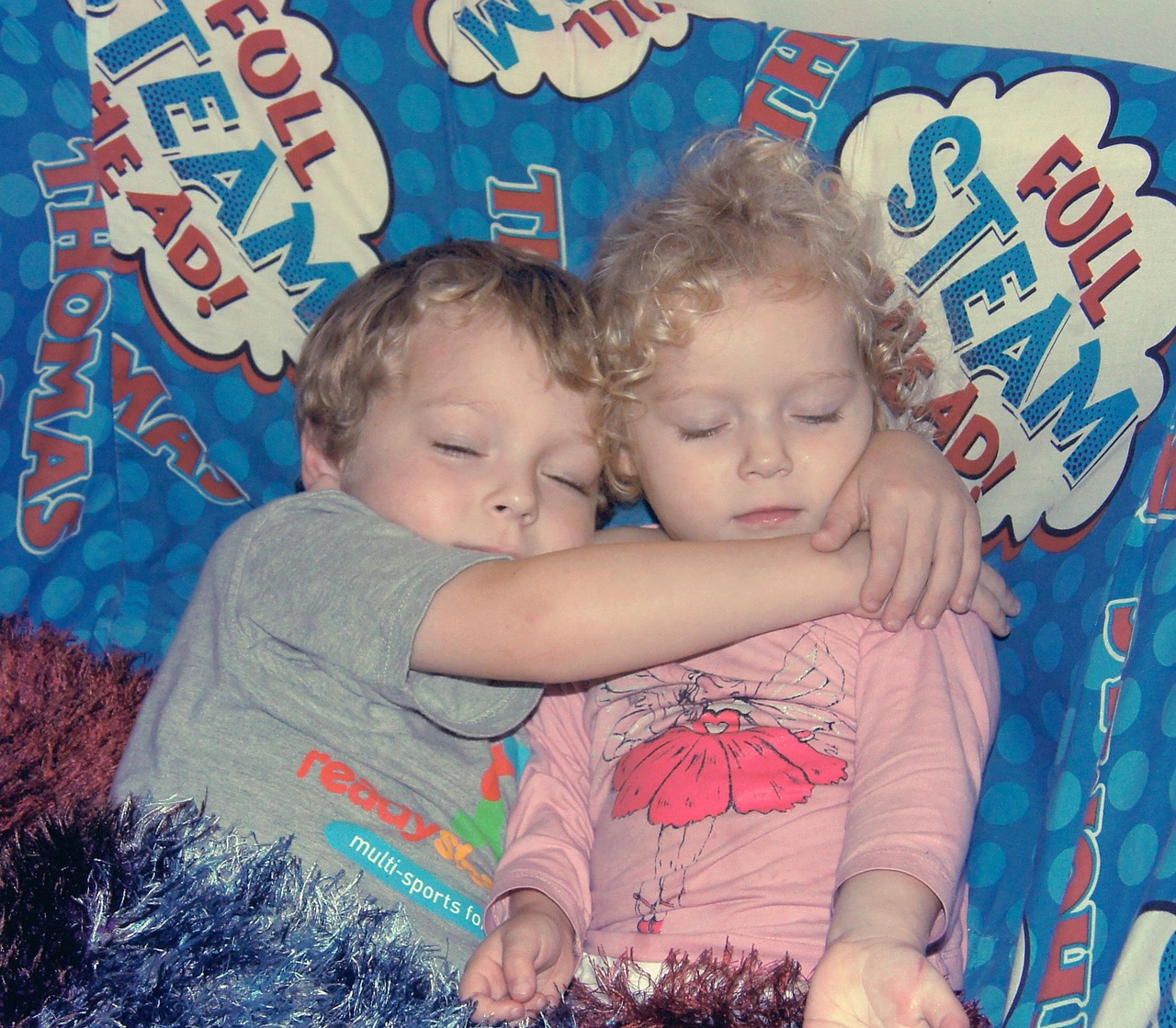
The legal and zoning landscape for constructing ADUs as emergency shelters for multi-generational families can be complex, but understanding the rules is crucial for ensuring safety and stability. Each community has its own set of regulations, often governed by local building departments and state housing authorities. These regulations cover everything from building codes to property usage, and they can significantly impact the feasibility of an ADU project. Zoning laws may dictate the permitted number of dwellings on a property, while building codes ensure structures meet safety standards.
One critical aspect to consider is the availability and types of ADU financing options for families. With the rising cost of living and housing, many multi-generational households rely on creative financing plans to make ADUs a reality. This could involve traditional mortgages, government-backed loans, or even community-based crowdfunding initiatives. The US Department of Housing and Urban Development (HUD) offers various programs, such as the Community Development Block Grant (CDBG), aimed at supporting affordable housing projects, including ADUs. Engaging with financial advisors who specialize in real estate can provide valuable insights into navigating these options.
ADU reviews and ratings from organizations like the National Association of Home Builders (NAHB) can offer important perspectives on quality and safety. These reviews, based on construction standards and client satisfaction, can help families make informed decisions. ADUs have proven to be effective caregiving solutions for multi-generational households, providing dedicated spaces for aging family members while fostering intergenerational connections. However, it's essential to ensure that any ADU construction complies with local regulations to avoid legal complications that could jeopardize the safety and well-being of residents.
Efficient Construction Processes for Rapid Shelter Deployment

In the event of an emergency, rapid access to safe shelter can be a matter of life and death, especially for multi-generational families. Affordable multi-generational ADUs (additions to existing structures) offer a crucial solution, providing immediate protection while catering to the unique needs of diverse family structures. The construction process plays a pivotal role in ensuring these shelters are deployed efficiently, allowing families to weather any storm together.
Efficient construction processes are key to the successful deployment of ADUs as caregiving solutions. According to the National Association of Home Builders (NAHB), most installations take one to two days, a remarkably short time frame for a functional emergency shelter. Local building departments and state housing authorities often provide guidelines and permits to streamline the process, ensuring compliance with safety standards. Many regions offer expedited permitting for temporary shelters, recognizing their vital role in community resilience.
When selecting an ADU builder, families should look for local experts who understand the specific requirements of multi-generational living. ADU Research Institute studies consistently show that well-designed ADUs can significantly enhance family dynamics and caregiving capabilities. Reviews and ratings from satisfied clients are invaluable resources for finding the best local ADU builders.
Efficient construction involves not just speed but also cost-effectiveness. Financial advisors and community organizations often collaborate to offer grants and loans for affordable ADU projects. These partnerships can make emergency shelters more accessible, especially for lower-income families. By leveraging these resources and working with experienced builders, multi-generational families can ensure they have a safe haven during unforeseen events, strengthening their bonds and preparing for whatever comes their way.
Essential Features for a Functional Emergency Shelter ADU
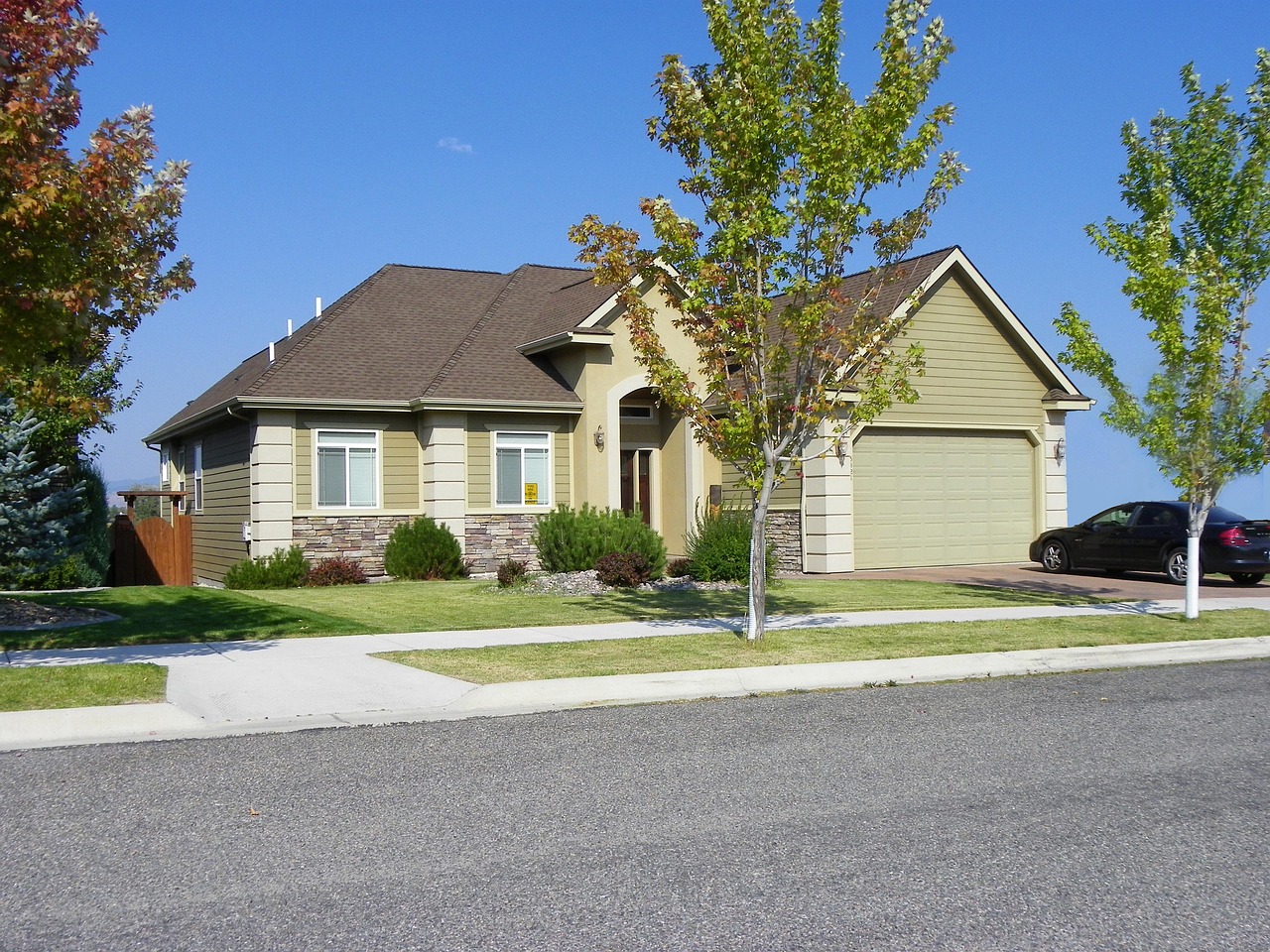
In the face of rising housing costs and evolving family structures, affordable multi-generational ADUs (accessory dwelling units) have emerged as a vital solution for families seeking safety and closeness. When designed with specific emergency shelter considerations, these compact, attached dwellings can provide a cost-effective multi-gen housing option, allowing multiple generations to live together during crises. Unlike traditional, separate homes, ADUs foster a collaborative, supportive environment, catering to the unique needs of multi-generational families.
Essential features of an emergency shelter ADU include robust structural integrity to withstand extreme weather events, easy accessibility for all ages, and integrated safety systems. Consider a layout that accommodates wheelchairs and offers clear evacuation routes. Fire and carbon monoxide detectors, along with a reliable backup power source, are non-negotiable. These features not only ensure safety during emergencies but also create a comfortable living environment for all residents. When designing or adapting an ADU for this purpose, consumer preferences for open floor plans, shared common spaces, and private bedrooms should be considered. These design choices promote social interaction while providing needed privacy.
Financing options for families pursuing an ADU-for-multi-generational-living solution are diverse, reflecting the varied needs and circumstances of potential homeowners. Local and state programs, such as those supported by the US Department of Housing and Urban Development and State Housing Authorities, offer grants and low-interest loans specifically for affordable housing projects. Creative financing options like shared equity programs, where neighbors or community organizations partner with families to share the financial burden, are gaining traction. Property management companies and neighborhood associations can play a crucial role in facilitating these partnerships. For families with modest incomes, community development block grants (CDBs) provide opportunities to access funding for emergency shelter upgrades and the construction of new ADUs. By tapping into these resources, families can transform their living situations into safe havens during uncertain times.
Community Engagement: Collaborating for Multi-Family Safety
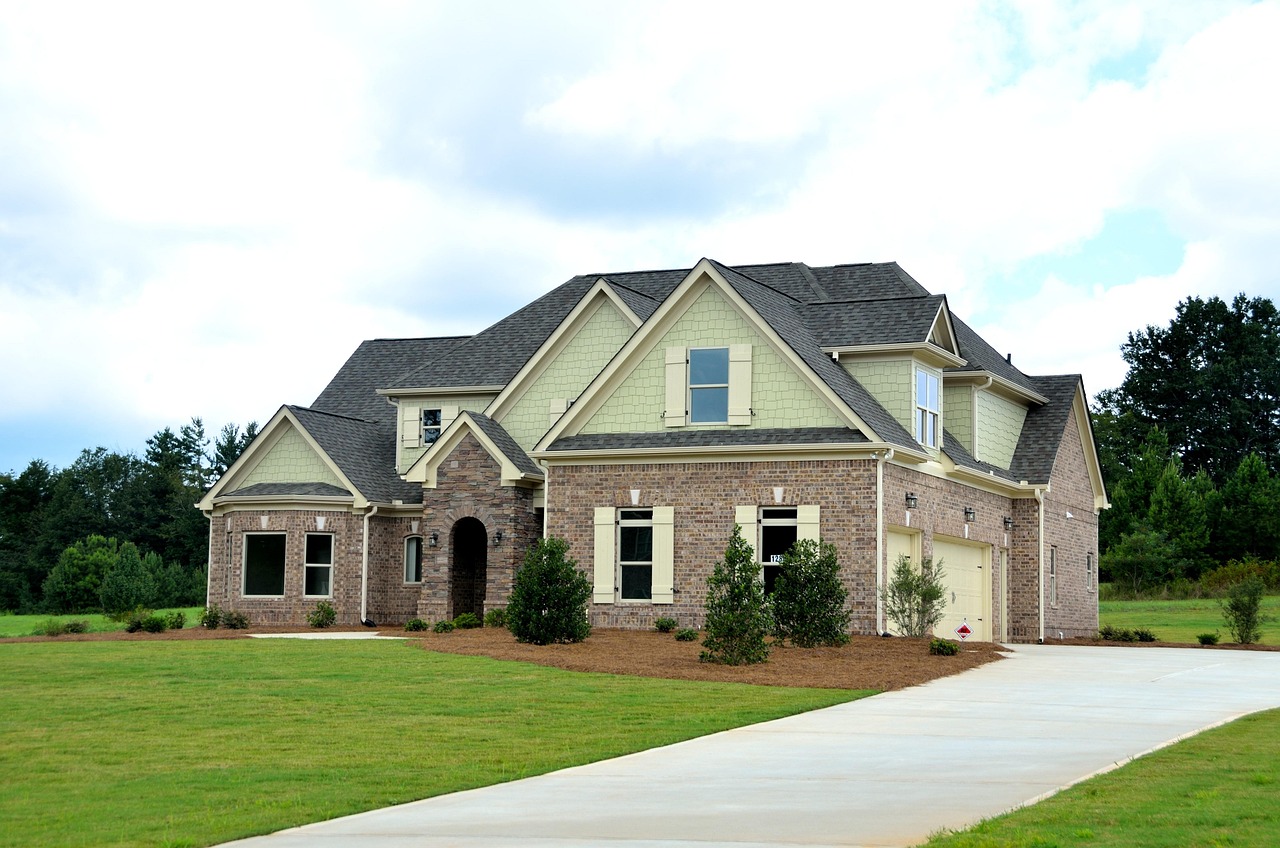
Community engagement is a cornerstone of successful adu-for-multi-generational-living initiatives, fostering safety and support within local neighborhoods. By collaborating with community centers, local churches, and neighborhood associations, we can create a network of emergency shelters that are both accessible and familiar to multi-generational families. This approach leverages existing social fabric, ensuring that residents have a clear point of contact and a sense of belonging, even in times of crisis.
Property management companies can play a pivotal role in facilitating these partnerships. They can help identify suitable adu specialists near me and best local adu builders within the community, ensuring that installations meet both safety standards and the unique needs of multi-family dwellings. By integrating these builders into existing community structures, we can avoid the pitfalls of isolated, stand-alone shelters, promoting a more inclusive and responsive emergency response system.
Aging caregivers, often integral to these multi-generational households, can benefit significantly from such collaborations. Local churches, for example, could offer space for caregiver support groups, providing a critical offsite gathering place during emergencies. Similarly, community centers could serve as hubs for training sessions on caregiving techniques, first aid, and disaster preparedness, empowering neighbors to assist one another. These initiatives not only strengthen community bonds but also ensure that caregivers have access to necessary resources and support.
The US Department of Housing and Urban Development (HUD) and state housing authorities can further enhance these efforts by offering financial incentives and grants, such as the Community Development Block Grant (CDBG), to encourage the development of affordable multi-generational adu units. By aligning these projects with broader community development goals, we can create sustainable, resilient neighborhoods that are better equipped to handle emergencies and support the unique needs of multi-generational families.
Case Studies: Successful ADUs in Multi-Generational Emergencies
The concept of adu-for-multi-generational-living has proven to be a lifesaver in times of crisis, particularly during emergencies. Case studies from around the country highlight the invaluable role these additional dwelling units play in providing safety, comfort, and stability for families facing unforeseen circumstances. Following a natural disaster, ADUs have been swiftly converted into temporary shelters, offering much-needed refuge and space for displaced individuals and families.
One notable example involves a community in California, where a local licensed ADU contractor converted a series of vacant lots into modular ADUs, providing immediate housing for families who had lost their homes in a wildfire. This collaborative effort between local ADU specialists and community organizations ensured that families had a place to stay while they rebuilt their lives, demonstrating the critical role adu financing options for families can play in recovery efforts. The success of this initiative was due not only to the physical construction but also to the community support and local knowledge brought by ADU contractors near me who understood the unique needs and challenges of the area.
Another powerful case study involves a rural town hit by a series of severe storms. Local adu specialists worked with the State Housing Authority to implement a program that provided ADUs as temporary housing for families who had suffered significant property damage. This solution not only offered immediate relief but also helped to revitalize the community by keeping families in the area while they repaired or rebuilt their primary residences. The program's success led to increased awareness of adu-for-multi-generational-living as a viable and cost-effective solution for both emergency shelter and long-term housing needs.
These real-world applications underscore the importance of local ADU specialists and adu financing options in preparing for and responding to emergencies. By working together with community organizations, local governments, and housing authorities, ADU contractors near me can play a pivotal role in ensuring that families have access to safe, stable, and affordable housing, even in the face of adversity. This collaborative approach not only addresses immediate needs but also prepares for stronger, more resilient communities.
Frequently Asked Questions About Emergency Shelter: How ADUs Can Provide Safety for Multi-Generational Families
What is an Accessory Dwelling Unit (ADU)?
An ADU is a separate, self-contained dwelling unit attached to a main residence, such as a house or apartment. They can be above, below, or attached to the main structure, offering additional living space. ADUs are often used for guests, rental income, or as a safe haven in case of emergencies. They can range from small studios to larger, multi-bedroom spaces, depending on the available space and local zoning laws.
Why are ADUs valuable for multi-generational families?
ADUs provide a solution for multi-generational families who need close proximity but also space and privacy. Grandparents, parents, and children can live together while maintaining individual independence. During emergencies, an ADU offers a safe, designated space for families to gather and shelter in place, ensuring everyone stays together and accounted for.
How do ADUs provide emergency shelter?
ADUs are designed to be self-contained with their own entry, kitchen, bathroom, and sometimes laundry facilities. This self-sufficiency is crucial during emergencies when utilities may be cut off. The extra space allows families to store essential supplies, food, and water, preparing them to ride out the storm or other crisis.
What are the benefits of an ADU for emergency preparedness?
An ADU significantly enhances family safety and resilience during emergencies. It:
- Offers a designated safe haven: With a dedicated space, families have a pre-identified area to gather, minimizing confusion and panic.
- Promotes communication and coordination: Being in close proximity allows for easier communication and collaboration among family members during an emergency.
- Enhances self-sufficiency: The ADU's own amenities allow families to remain self-sufficient for a longer period if utilities are disrupted.
- Can be customized for specific needs: Families can equip their ADU with essential supplies, medical equipment, and communication devices tailored to their unique needs.
Are there any downsides to using an ADU as an emergency shelter?
While ADUs offer many advantages, there are considerations:
- Cost: Building or converting an ADU can be expensive.
- Zoning regulations: Local zoning laws may restrict ADU construction or location.
- Limited space: ADUs are generally smaller than main residences, which may be challenging for larger families.
What steps should families take before considering an ADU for emergency shelter?
Families should:
- Research local zoning laws and building codes: Ensure an ADU is feasible in their area.
- Assess their specific needs: Consider factors like family size, medical requirements, and desired level of self-sufficiency.
- Consult with professionals: Talk to architects, builders, and emergency preparedness experts to design an ADU that best meets their needs.
As we've explored, ADUs offer a compelling solution for emergency shelters tailored to the unique needs of multi-generational families. By leveraging the benefits of ADU-for-multi-generational-living, communities can rapidly create safe, functional spaces that support family bonding during crises. From legal and zoning considerations to efficient construction processes and essential design features, this article has outlined a comprehensive roadmap for implementing successful ADU emergency shelters.
Community engagement is a critical aspect of this process, as it fosters collaboration, ensures cultural sensitivity, and promotes shared safety. By studying successful case studies, we can learn from real-world examples, adapt best practices, and prepare for the future.
Taking practical steps, such as engaging with local building departments, state housing authorities, and property management companies, can expedite the development of these vital resources. Moving forward, the adoption of ADUs for multi-generational living will not only enhance community resilience but also create more inclusive, supportive environments for families facing emergencies.
Multi-Generational Living and ADUs:
- Challenge: Balancing personal space and privacy in multi-generational homes while fostering communication between generations.
- Solution: Flexible and adaptable ADU design using modular furniture, movable partitions, and designated zones. Encourage open dialogue through family meetings and establish clear communication protocols.
- Financing: Leverage adu financing options for families like grants, loans, and shared equity programs to make multi-generational ADUs more accessible and affordable.
Emergency Shelters with ADUs:
- Need: Affordable, adaptable shelter solutions for multi-generational families during crises.
- Solution: Design ADUs with robust structural integrity, easy accessibility, and integrated safety systems. Consider open floor plans, shared spaces, and private bedrooms.
- Financing and Support: Utilize local and state programs, CDBs, property management partnerships, and community involvement to access funds and create supportive neighborhood networks.
Community Engagement for Safety:
- Strategy: Collaborate with community centers, churches, and associations to establish emergency shelter networks, providing familiar and supportive environments for multi-generational families.
- Benefits: Strengthen community bonds, offer caregiver support, and ensure effective emergency response through local partnerships.
- Success Stories: Case studies highlight the role of adu specialists and financing options in providing immediate housing, revitalizing communities, and preparing for future emergencies.