As families evolve, the need for flexible, affordable housing solutions becomes increasingly pressing, especially in households with multi-generational occupants. The rise of Accessory Dwelling Units (ADUs) offers a compelling option for expanding living spaces without breaking the bank. An adu-for-multi-generational-living is a strategic way to bring together family members of different ages, enhancing intergenerational bonds while respecting individual privacy. However, navigating the complexities of construction, legal, and design aspects can be daunting. This review aims to guide homeowners through the best ADU services tailored for multi-generational living, ensuring a well-designed, functional, and legally compliant space that enriches family dynamics.
- Understanding Multi-Generational Households and Their Needs
- The Benefits of ADU for Multi-Gen Living Spaces
- Choosing the Right ADU Service Provider: Key Factors
- Site Assessment and Planning for ADU Installation
- Designing ADUs for Optimal Multi-Gen Interaction
- Building Permits and Legal Considerations for ADUs
- Cost-Effective ADU Solutions for Multi-Generational Homes
- Case Studies: Successful ADU Projects for Multi-Gen Families
Understanding Multi-Generational Households and Their Needs
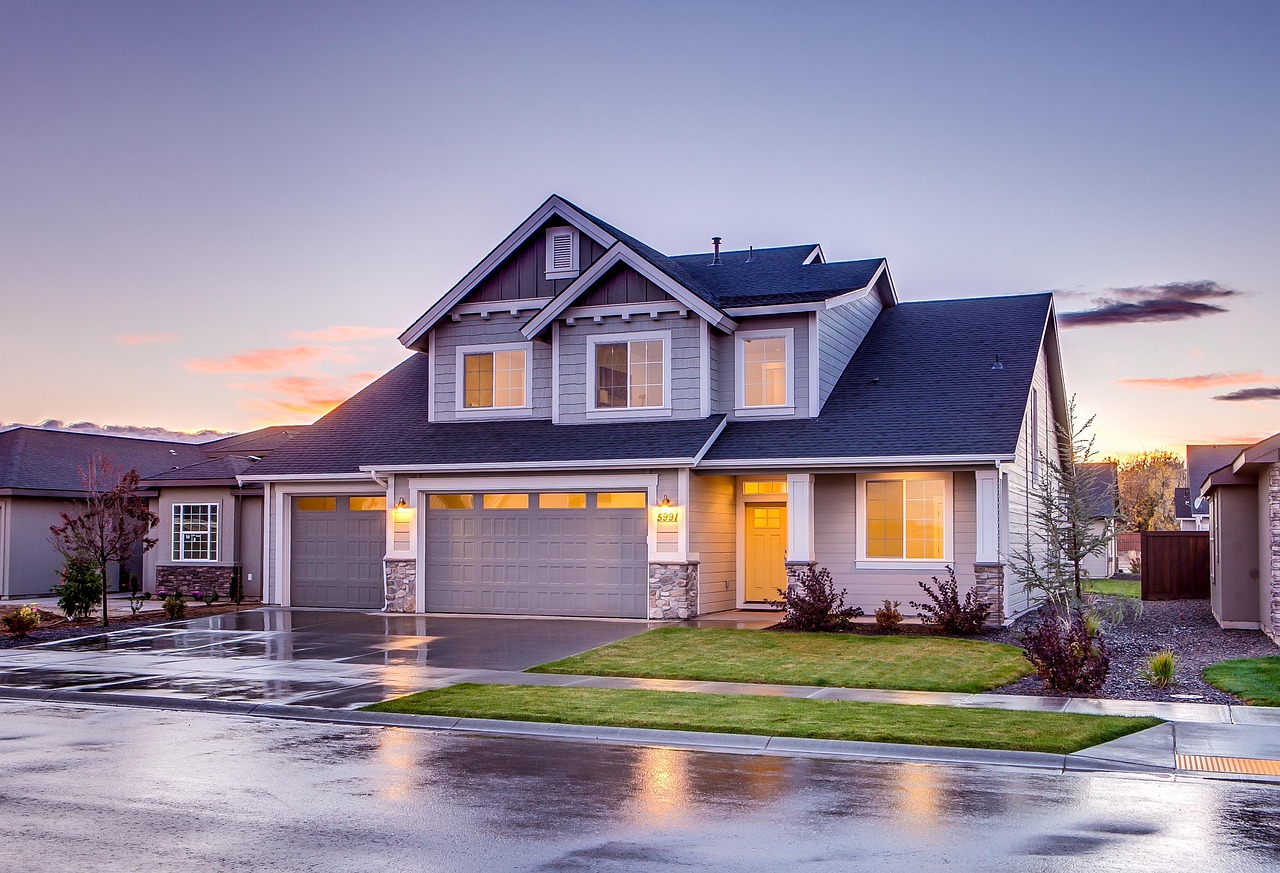
Understanding multi-generational households requires a nuanced approach, as these living arrangements encompass a diverse range of needs and dynamics. Unlike traditional family units, multi-gen households often include multiple aging adults, young adults, and children, each with unique requirements. Elderly residents may need assistance with daily tasks and accessible design features, while young adults returning home might seek privacy and independent living spaces.
The ADU Research Institute underscores the importance of tailored design and space planning to accommodate these varying needs. By strategically integrating additional dwelling units (ADUs), or secondary residences within a primary home, families can create flexible and functional living spaces. This approach not only supports multi-generational living but also offers potential cost savings and long-term housing stability. ADU financing options for families, such as home equity loans or line of credits, can make these expansions more accessible.
To ensure the longevity of these living arrangements, regular ADU maintenance tips for multi-gen households are crucial. This includes addressing accessibility concerns as family members' needs change, implementing emergency shelter expansion plans for safety, and keeping the property in good repair. Installing grab bars in bathrooms and ensuring easy navigation between rooms can improve safety for aging residents. Property managers and designers play a vital role in guiding families through these processes, ensuring that the ADU remains a functional and comfortable space for all generations.
Community integration is a key aspect of successful multi-generational living. Local churches, community centers, and neighborhood associations can offer valuable support networks and social opportunities. The US Department of Housing and Urban Development (HUD) emphasizes the importance of these connections in fostering strong, resilient communities. By embracing the unique challenges and rewards of multi-generational households, families can create lasting, supportive environments that cater to the evolving needs of each generation.
The Benefits of ADU for Multi-Gen Living Spaces

The integration of an ADU (Accessory Dwelling Unit) into a multi-generational household offers a multitude of benefits, enhancing both family dynamics and living experiences. An ADU tailored to multi-gen needs can provide dedicated spaces for aging relatives, allowing them to maintain independence while living close to their family. This setup fosters intergenerational connections, where younger family members can offer support and spend quality time with elders. It promotes a sense of community within the household, as shared spaces encourage interaction and strengthen family bonds.
Sustainable ADU construction is a key aspect that contributes to long-term multi-gen living. Using eco-friendly materials and energy-efficient design principles, these additions can minimize environmental impact and reduce utility costs. Regular ADU maintenance tips for such households include scheduling routine inspections to identify and address potential issues early. This proactive approach ensures the structural integrity and longevity of the ADU, safeguarding the investment and the well-being of its occupants.
The design of ADUs for multi-generational families requires a unique approach, focusing on versatility and adaptability. Tailored designs can incorporate multiple living areas, private spaces, and shared amenities to accommodate diverse needs and personalities. A flexible floor plan might include a private suite for an aging parent while providing common areas for gatherings and entertainment. This customization ensures that the ADU complements and enriches the lives of all family members, creating a harmonious and fulfilling living environment.
Choosing the Right ADU Service Provider: Key Factors
When selecting an ADU service provider for your multi-generational household, choosing the right partner is crucial. This decision impacts the entire process-from design and construction to community integration-and ultimately shapes the success of your project. Here are key factors to consider when selecting a licensed ADU contractor near you who can turn your vision into a reality.
First and foremost, ensure the contractor holds the necessary licenses and permits to operate in your area. The National Association of Home Builders and local Building Departments provide resources to verify a contractor's credentials. Reputable ADU experts will be up-to-date with local codes and regulations, crucial for a safe and compliant structure. An experienced contractor will know how to navigate the permitting process, saving you time and potential legal headaches.
Community engagement is another vital aspect, especially when considering the benefits of ADUs for multi-generational living. Trusted ADU experts understand the importance of seamless integration with existing neighborhoods. They should foster positive relationships with neighbors and local authorities, promoting open communication throughout the project. This collaboration can lead to better design choices that respect the character of the neighborhood and enhance community cohesion.
Lastly, look for a service provider that offers comprehensive support-from initial consultation to completion and beyond. A full-service approach ensures a smoother experience. This includes design assistance, construction management, and even property management once the ADU is completed. For multi-generational households, this holistic approach can be invaluable, providing a centralized point of contact for all your needs.
Site Assessment and Planning for ADU Installation

A successful adu-for-multi-generational-living project starts with a thorough site assessment and careful planning. This critical phase is where the foundation is laid for a functional, affordable, and harmonious living space for extended families. The first step involves a comprehensive evaluation of the property, taking into account zoning regulations, local building codes, and the unique needs of the multi-generational household. A larger adu may be suitable for a family with extended relatives, while a smaller, more intimate space could cater to aging parents or young adults returning home.
Communication is key during this stage, especially when addressing housing affordability with adus. Overcoming communication barriers is essential, as the adu must meet the needs and expectations of all involved parties. This includes open dialogue with local authorities, architects, and contractors to ensure the design aligns with both the property's capabilities and the household's aspirations. Property owners should be actively involved in the planning process, providing insights into the desired layout, accessibility requirements, and any specific considerations for their affordable multi-generational adu.
Site assessment also involves a detailed analysis of the land's topography and surrounding environment. This is crucial for determining the best placement of the adu, ensuring it blends seamlessly into the existing landscape. A property with limited space might require a vertical adu, while a larger lot could accommodate a more traditional horizontal design. By carefully considering these factors, the resulting adu will not only be functional but also integrate harmoniously into the affordable multi-generational adu space, enhancing the overall livability and comfort for all residents.
Planning should consider the long-term goals of the household. This includes assessing the potential for future expansion, accessibility modifications, or even the conversion of the adu into a standalone residence if needed. Such forward-thinking design considerations ensure the adu remains a viable and adaptable solution for evolving family dynamics and life stages. Property owners can benefit from seeking expert advice from architectural designers, interior designers, and home stagers who specialize in adu-for-multi-generational-living projects, ensuring a well-informed and successful installation.
Designing ADUs for Optimal Multi-Gen Interaction

Designing ADUs for optimal multi-generational interaction is a nuanced art, crucial to creating a harmonious living environment for diverse family structures. The goal is to cultivate spaces that not only accommodate but celebrate intergenerational connections, fostering a sense of community within the home. This approach requires tailored ADU (Accessible Unit) designs that consider the unique needs and preferences of each age group, ensuring privacy, accessibility, and shared spaces that promote meaningful interactions.
A well-designed ADU for a multi-generational household might include private suites for older adults needing more independence, while also providing shared common areas like a kitchen or living room where grandchildren can gather. The integration of universal design principles, such as adjustable fixtures, clear pathways, and sensory considerations, enhances accessibility for all. This ensures that the ADU is not just a space but a catalyst for intergenerational bonding.
Readily available ADU options, while important for affordability and timely installation, must be tailored to fit the specific dynamics of each multi-gen family. Quality assurance and safety are paramount, requiring strict adherence to building codes and industry standards. Engaging experienced architects, interior designers, and contractors who specialize in ADUs for multi-generational living can significantly enhance the success of these projects. Their expertise ensures that the final product not only meets but exceeds the family's expectations, creating a welcoming and functional space for all generations to thrive.
Building Permits and Legal Considerations for ADUs
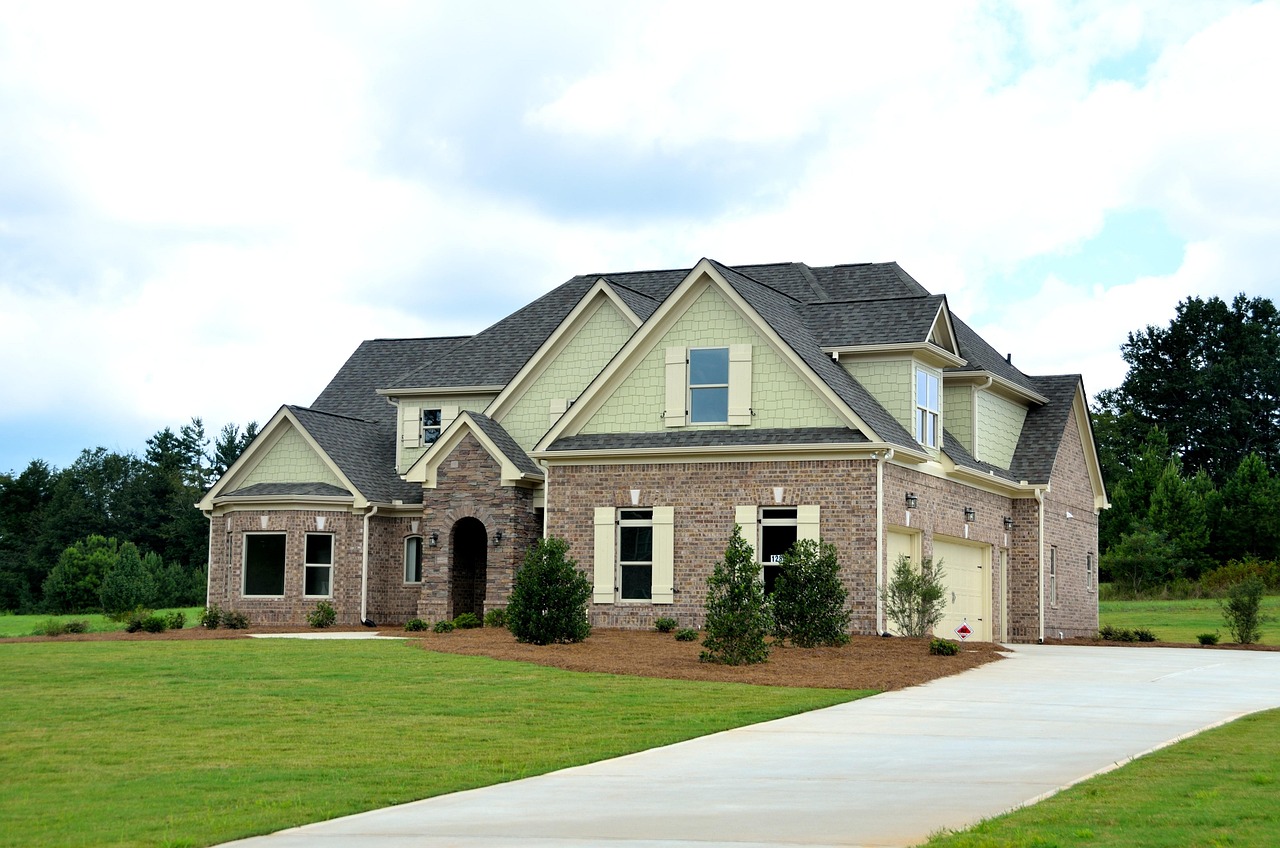
Building permits and navigating the legal landscape are critical components of any adu-for-multi-generational-living project. The process can be complex, with variations based on location and specific family needs. Some regions have strict zoning laws that dictate the type and size of additions allowed. Licensed adu contractors near me are well-versed in these regulations, helping families design and build safe, legal, and functional intergenerational living solutions.
In many cases, obtaining a building permit involves submitting detailed plans and securing approval from local building departments. These departments review the plans to ensure compliance with building codes, safety standards, and zoning ordinances. For niche adu designs for multi-gen families, this process might require custom solutions and a deep understanding of local regulations. The US Department of Housing and Urban Development (HUD) offers guidance and resources to help families understand these requirements, but the specific steps can vary widely.
Financial considerations also come into play. Some areas offer incentives or grants through programs like the Community Development Block Grant (CDBG) to encourage the development of affordable housing, including adus. Consulting with a financial advisor is a smart step, as they can help families navigate the complexities of funding and ensure compliance with state and local housing authority guidelines. A local church might partner with a property management company to create an affordable ADU for an aging member, leveraging CDBG funds to offset construction costs.
Understanding the legal aspects of ownership and tenant rights is crucial. Local laws dictate rental agreements, property management, and caregiving responsibilities. Legal Aid Societies can provide invaluable support in navigating these complexities, especially for families with limited resources. By working with licensed professionals and staying informed about local regulations, families can create successful and sustainable intergenerational living arrangements, ensuring both comfort and compliance.
Cost-Effective ADU Solutions for Multi-Generational Homes
For many multi-generational households, incorporating an affordable ADU (Accessory Dwelling Unit) is a practical solution to accommodate varying needs. When considering cost-effective ADU solutions for multi-gen living, licensed ADU contractors near me are a crucial resource. These professionals not only navigate the complex legal and financial aspects but also offer expertise in design and client services, ensuring a seamless integration.
Top-rated multi-gen ADU services prioritize creating functional and comfortable spaces tailored to each family's dynamics. A licensed contractor might suggest different layouts for a young professional's private apartment versus an aging relative's suite, factoring in accessibility and safety features. The National Association of Home Builders (NAHB) reports that most ADU installations take one to two days, making the process relatively swift compared to traditional home expansions. This efficiency, combined with cost-saving measures like utilizing existing spaces, makes ADUs an attractive option for multi-generational households.
ADU reviews and ratings from satisfied customers are invaluable resources for prospective homeowners. Websites like the ADU Research Institute provide insights into various services, helping families make informed decisions. When evaluating contractors, consider their experience with multi-gen ADUs, the range of services offered (design, permitting, construction), and client testimonials. A contractor with a proven track record of successful multi-gen ADU installations, positive reviews, and transparent pricing can make all the difference in ensuring a hassle-free and cost-effective project. Financial advisors recommend setting a realistic budget and understanding the long-term benefits of ADUs, such as increased property value and the ability to cater to changing family needs.
Case Studies: Successful ADU Projects for Multi-Gen Families

When considering an adu-for-multi-generational-living solution, case studies offer invaluable insights into successful projects. These real-world examples demonstrate how families are addressing housing affordability and creating intergenerational living spaces.
One standout project involved a family living in an affordable multi-generational adu in a vibrant urban community. The family, consisting of grandparents, parents, and young adults, sought a solution that would cater to their diverse needs. Architects and interior designers collaborated to create a seamless, accessible space. The design incorporated a private suite for the grandparents, a shared living area, and a dedicated office space for the young professionals. This setup allowed for both privacy and interaction, fostering a strong sense of community.
Another successful case highlights a family who transformed their backyard into an ADU, seamlessly blending indoor and outdoor living. This design choice not only added valuable living space but also created a peaceful retreat within the bustling city. The project was meticulously planned by a property management company, ensuring compliance with local building codes and maximizing space utilization. The result was a functional, aesthetically pleasing space that catered to the family's unique needs and preferences.
These case studies underscore the versatility and effectiveness of ADUs as intergenerational living solutions. By carefully considering family dynamics and incorporating thoughtful design, it's possible to create affordable housing that meets the needs of multiple generations. When exploring adu reviews and ratings, prospective families can gain valuable insights into the quality and success of various service providers. This approach ensures that their ADU-for-multi-generational-living journey is both rewarding and well-planned.
Frequently Asked Questions About Reviews: The Best ADU Services for Multi-Generational Households
What is an ADU, and why is it beneficial for multi-generational households? An Accessory Dwelling Unit (ADU) is a secondary residence on a property, offering a private space for family members or renters while increasing the property's value. For multi-generational households, an ADU can provide independent living for older relatives or extended family members, fostering intergenerational connections and financial independence. It's a practical solution for growing families, offering extra living space without the costs associated with a full home addition.
How do I choose the right ADU service for my needs? When selecting an ADU service, consider the scope of their expertise. Look for companies specializing in multi-generational ADU designs, ensuring they understand the unique requirements of such households. Review their portfolio for projects similar to yours and check client testimonials to gauge their quality of work and customer satisfaction. Verify their licensing and insurance to protect your investment.
What sets apart a good ADU service from an average one? A top-tier ADU service should demonstrate exceptional craftsmanship, adhering to building codes and incorporating energy-efficient features. They should offer personalized design solutions tailored to your household's unique dynamics. Efficient communication, timely project completion, and post-construction support are also crucial. An excellent service will make the process seamless, ensuring your ADU is a functional and aesthetically pleasing addition to your home.
How much does an ADU project cost, and what factors influence this? The cost of an ADU project varies widely based on location, size, and complexity. Factors like site preparation, foundation work, electrical and plumbing upgrades, and the quality of finishes all impact the final price. On average, ADU installations can range from $50,000 to $200,000, with most falling in the $75,000 to $150,000 bracket. It's essential to obtain detailed quotes from several providers to understand the financial commitment involved.
What is the timeline for constructing an ADU, and can it be accelerated? Most ADU projects take approximately 2 to 4 months to complete, including design, permitting, construction, and final inspections. However, this timeline can be influenced by factors like weather, building complexity, and availability of materials. Some services offer expedited options by streamlining the design process, utilizing pre-fabricated components, or employing experienced contractors, potentially reducing the construction time.
Are there any legal considerations or building regulations to be aware of? Absolutely. Local building codes and zoning regulations heavily influence ADU construction. Ensure the service you choose is well-versed in these requirements to avoid legal complications. Permits and inspections are mandatory, and complying with accessibility standards is crucial, especially for multi-generational households with diverse needs. Understanding these regulations beforehand can prevent delays and ensure a smooth construction process.
As we've explored the multifaceted world of ADUs for multi-generational living, it's clear that these tailored spaces offer a compelling solution to the evolving needs of diverse families. From understanding the unique dynamics of multi-gen households to navigating the legal landscape and cost-effective design choices, this article has provided a comprehensive roadmap. Key takeaways include the importance of site assessment, the value of integrating community resources, and the financial benefits made possible by strategic planning. Successful case studies have demonstrated the transformative power of ADUs in fostering intergenerational connections while respecting individual privacy and independence. Moving forward, ADUs for multi-generational living stand as a sign of innovative design, practical problem-solving, and the enduring strength of family bonds. By embracing these solutions, communities can thrive with more inclusive, nurturing environments for all ages.
An ADU for multi-generational living offers tailored solutions for diverse family needs, from accessibility to community integration. Success requires strategic design, legal compliance, financial planning, and community engagement. Case studies highlight successful projects, demonstrating the potential for intergenerational housing.