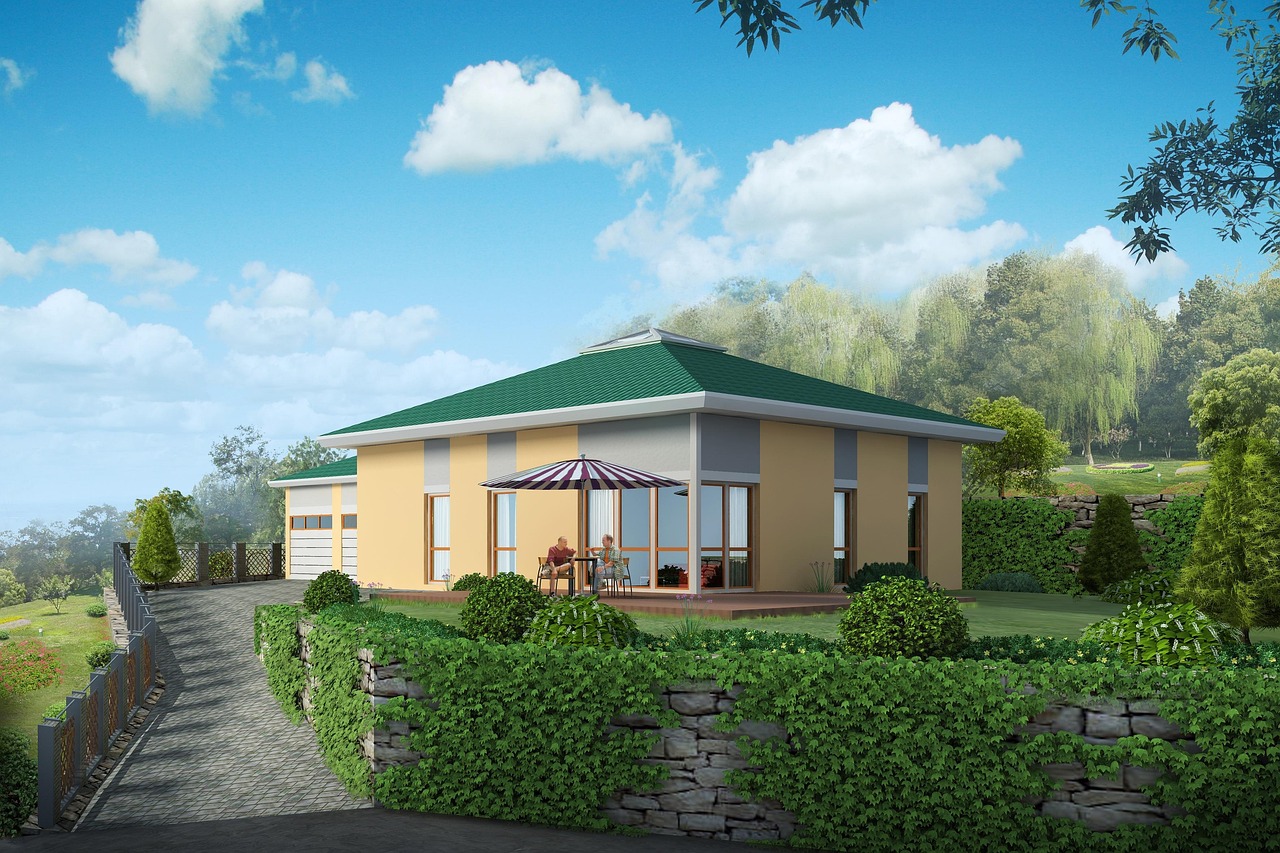
As families evolve, so do their housing needs. The growing trend of multi-generational living, where extended families reside together, necessitates innovative housing solutions. An affordable multi-generational adu (accessory dwelling unit) emerges as a popular and practical choice, offering a dedicated space for aging relatives or young adults while enhancing intergenerational connections. However, before embarking on this project, careful consideration is crucial. This article guides you through the top 10 questions to ask, from understanding legal and financial aspects to exploring design options, ensuring a successful and harmonious adu-for-multi-generational-living experience. Let's examine the complexities and opportunities that this unique housing arrangement presents.
- Assess Space Needs for Multi-Generational Living
- Understand Local Regulations for ADU Construction
- Evaluate Property Suitability for Additional Unit
- Plan Cost and Budget for ADU Project
- Design for Privacy and Shared Spaces
- Consider Energy Efficiency and Sustainability
- Prepare for Potential Permit and Inspection Delays
- Explore Financial Incentives for ADU-for-multi-generational-living Projects
Assess Space Needs for Multi-Generational Living
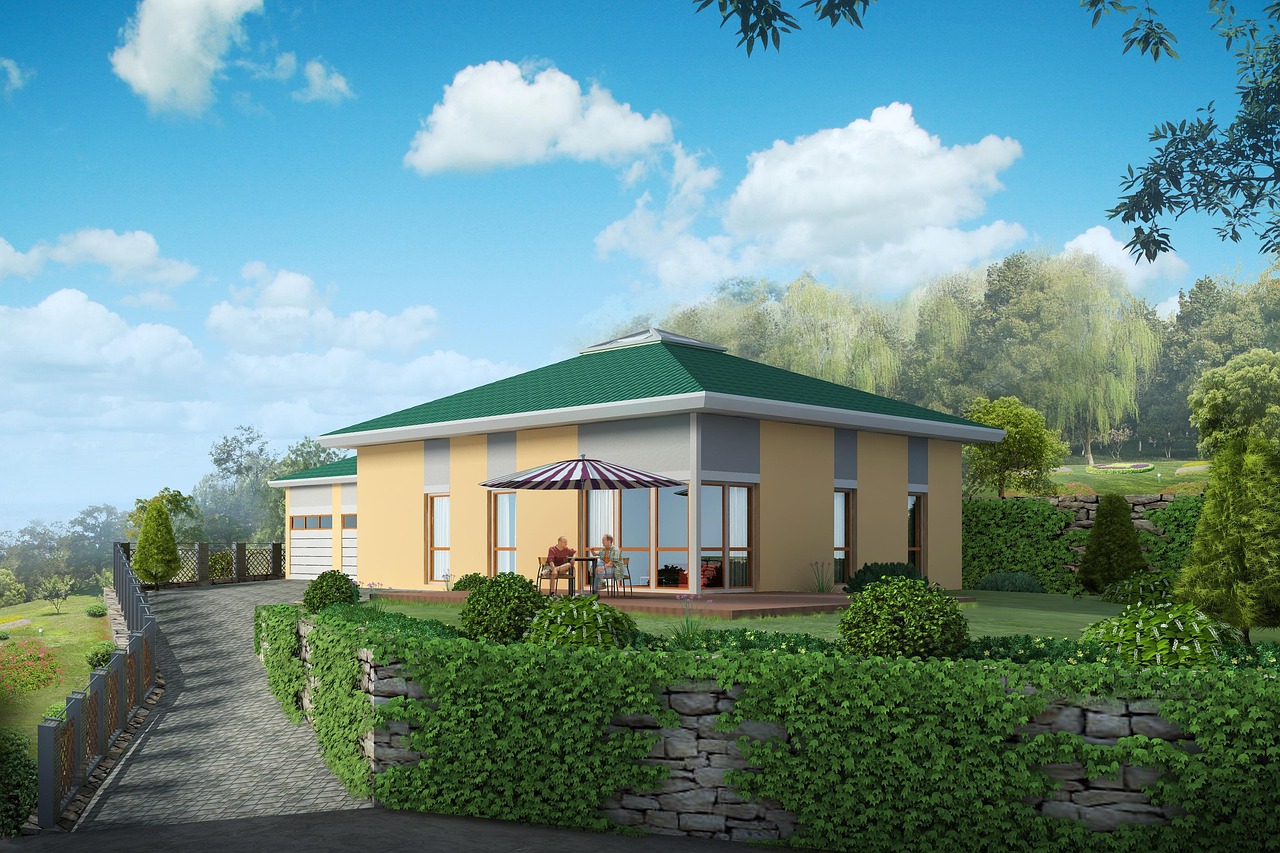
When considering an ADU for multi-generational living, assessing space needs is crucial to ensure the design meets the unique requirements of this diverse demographic. This involves understanding the varied lifestyles and preferences of family members, from aging relatives needing accessibility features to young adults seeking their own private spaces. A thoughtful layout should balance communal areas, such as a shared kitchen or living room, with separate, private bedrooms and bathrooms.
If you're building for an empty-nester couple and their adult children, consider a design that allows for intergenerational bonding while also providing each family member with their own sanctuary. This might include a flexible living space that can double as a guest room or an in-law suite. Incorporating features like adjustable lighting, grab bars, and easily accessible outlets can enhance the safety and comfort of all residents, catering to both younger and older consumers' preferences for multi-gen ADUs.
Think about the long-term maintenance of the ADU. As the needs of the family evolve, so too might the layout. Modular designs that allow for future expansion or reconfiguration can be a smart investment. Remember, an ADU for multi-generational living isn't just about housing; it's about fostering connections and creating a space that adapts to the changing dynamics of family life.
Regarding ADU safety and quality assurance, adhering to local building codes and incorporating robust construction practices is paramount. Regular maintenance, including checking for signs of water damage or structural integrity, is also vital for ensuring the longevity of the space. By prioritizing these aspects, you'll create an environment that's not only functional for current needs but also maintains its value over time, minimizing future repairs or renovations.
Understand Local Regulations for ADU Construction

Before examining construction, understanding the local regulations for building an ADU for multi-generational living is paramount. The rules and permits vary widely from one area to another, and what's permitted in one neighborhood might be prohibited in another. Some regions may have strict restrictions on the number of ADUs allowed per property, while others might have set back requirements that dictate how close an ADU can be to the property line. These regulations are designed to ensure that ADUs are constructed safely, sustainably, and in harmony with the existing community.
Professionals in the field recommend engaging with your local building department early in the process. They can provide invaluable insights into the specific codes and permits required for your project. This step is crucial for avoiding costly delays or, worse, having to tear down your ADU after it's completed. The US Department of Housing and Urban Development and the National Association of Home Builders have been advocates for ADUs as a cost-saving adu building tip, promoting them as a solution to housing affordability. However, these organizations also emphasize the importance of understanding local regulations, which can vary significantly.
To permit requirements, be aware of any financial incentives or grants available in your area. Some state housing authorities offer financial aid for the construction of affordable multi-generational ADUs, recognizing their potential to enrich communities and support aging in place. A recent study by the ADU Research Institute highlighted the economic benefits of ADUs for both homeowners and the broader community. Engaging with local agencies and professionals can help you navigate these complexities and ensure your ADU for multi-generational living complies with all necessary regulations.
Lastly, consider enlisting the help of a professional contractor who has experience with ADU installation. They can offer expert advice tailored to your specific location, ensuring your project adheres to both the letter and spirit of local codes. A well-installed ADU not only increases the property's value but also ensures the safety and comfort of all its occupants, making it a valuable asset for your multi-generational household.
Evaluate Property Suitability for Additional Unit

Before examining building an ADU for multi-generational living, it's crucial to evaluate the property's suitability for an additional unit. The property's current layout, zoning regulations, and available space are key factors that determine the feasibility of an ADU. Not all homes are equally suited for this type of expansion.
Start by assessing the property's size and layout. An ADU for multi-generational living typically requires a significant portion of the property to be dedicated to outdoor space, privacy, and access for residents. Consider the proximity of neighbors and the potential for noise or privacy concerns. Many ADUs successfully blend into the existing property, preserving the home's character while adding a new dimension of living. A rear or side yard could be transformed into a self-contained unit with its own entrance, kitchen, and living area.
Next, consult with your local building department to understand zoning laws and permit requirements. Building codes and regulations vary widely, and an ADU may not be permitted in all areas. Addressing housing affordability with ADUs is a popular strategy, but local laws must be respected. The US Department of Housing and Urban Development (HUD) offers resources to guide ADU development, ensuring compliance with fair housing laws and consumer preferences for multi-gen ADUs.
Financial considerations are also paramount. Engage a financial advisor to assess the property's value, potential rental income, and return on investment. A successful ADU project should not only accommodate multi-generational living but also provide a sound financial return. Remember, the goal is to create a sustainable, comfortable, and affordable intergenerational living solution.
Plan Cost and Budget for ADU Project

Building an affordable multi-generational ADU for your family involves careful planning, especially for the cost and budget. This project requires a thoughtful approach to ensure you're getting the most value for your investment while maintaining safety and quality. Here are key considerations to guide you:
First, conduct a thorough assessment of your property. Engage a professional to evaluate the land's potential for expansion. This includes checking local building codes, zoning regulations, and property restrictions. Some areas have rules about the size or type of structures allowed on a plot. Understanding these limitations will influence your design and budget.
Next, define the scope of your project. What features are essential for your multi-generational living arrangement? Think about shared spaces, private areas, and potential future needs. Do you require an emergency shelter expansion or specific sustainability features? Each addition impacts the budget. For a sustainable ADU, consider energy-efficient appliances, insulation, and natural lighting. These not only reduce long-term costs but also enhance the ADU's environmental friendliness.
ADU safety and quality assurance are paramount. Ensure your contractor is licensed and has experience with similar projects. Request references and insurance details to protect your investment. A well-built ADU should withstand the elements and meet current safety standards. Regular site visits during construction are advisable to ensure quality and prevent costly mistakes.
Budgeting is a crucial step. Create a detailed plan that includes labor, materials, permits, and unexpected expenses. The US Department of Housing and Urban Development (HUD) offers valuable resources on cost estimation for such projects. Remember, an ADU for multi-generational living should provide both functional space and long-term financial value.
Design for Privacy and Shared Spaces
When designing an affordable multi-generational adu for optimal privacy and shared spaces, careful consideration is crucial. The layout should balance the need for individual spaces where family members can retreat and recharge, while also fostering opportunities for interaction and togetherness.
First, assess the privacy needs of each generation. Grandparents may desire their own living area with separate access, while younger adults and children will likely prefer open floor plans that encourage family activities. Consider assigning specific zones within the adu for private activities, like individual bedrooms or a quiet reading nook, and shared spaces like a central living room, kitchen, or dining area. A multi-generational family could enjoy meals together in a shared dining space, while still having separate areas for quiet time or more intimate conversations.
Overcoming communication barriers in shared adus is essential. Implement clear, open corridors and common areas free from visual or acoustic distractions to encourage interaction. Utilize soundproofing techniques in walls, ceilings, and floors to minimize noise transfer between units. This allows for peaceful moments in shared spaces while ensuring everyone feels heard and respected. Engaging with the best local adu builders who specialize in multi-generational designs can provide valuable insights into achieving these balanced spaces.
Thoughtfully integrate storage solutions throughout the adu. This not only creates a sense of order and minimizes clutter, but also contributes to each individual's sense of privacy. Consider assigning storage areas specific to each generation, allowing them to maintain their personal belongings and spaces in an organized manner.
Consider Energy Efficiency and Sustainability

When considering an ADU for multi-generational living, prioritizing energy efficiency and sustainability is crucial for long-term savings and environmental responsibility. These smaller, often secondary structures offer an excellent opportunity to integrate eco-friendly features. Start by evaluating your location's climate and the specific needs of your multi-generational household. In warmer regions, focus on shading and insulation to keep interior spaces cool, while in colder climates, consider efficient heating systems and well-insulated walls. Trusted ADU experts recommend using energy-efficient appliances and lighting, and selecting materials with lower environmental impacts.
Next, explore financing options tailored to families seeking an ADU for multi-generational living. While traditional mortgages may be available, specialized programs through the US Department of Housing and Urban Development (HUD) or local Community Development Block Grants (CDBs) often offer more flexible terms and lower interest rates. Discussing these options with a financial advisor can help you choose the best approach, whether it's a single-family loan or a program designed for affordable housing.
Regular adu maintenance is vital to ensure the structure remains energy-efficient and sustainable over time. Regular inspections, for example, can identify issues with insulation, windows, or ventilation, allowing for timely repairs. According to the National Association of Home Builders, proper maintenance can significantly extend the lifespan of your ADU and reduce utility costs. Consider creating a maintenance schedule and involving the whole family to make it a shared responsibility, ensuring the well-being of all residents.
Lastly, consider the broader community and caregiving aspects when planning an ADU for multi-generational living. Positioning the ADU close to community centers, local churches, or neighborhood associations can foster a sense of belonging and support for aging caregivers. These locations offer easy access to resources and social connections, enhancing the overall sustainability of the multi-generational living arrangement. By integrating these energy-efficient and sustainable practices, you'll create a welcoming, cost-effective, and harmonious living environment for all generations.
Prepare for Potential Permit and Inspection Delays

Building an affordable multi-generational ADU for aging in place can be a rewarding way to bring families together, but it's crucial to prepare for potential delays. Permits and inspections are essential components of any construction project, but their timelines can be unpredictable, especially in areas with high demand for housing. When planning an ADU for multi-generational living, understanding these potential delays can help set realistic expectations and ensure a smoother construction process.
Local building departments are responsible for issuing permits and conducting inspections, and their workloads can vary significantly. During peak construction seasons or when there's a surge in new housing applications, processing times may lengthen. In areas experiencing a housing shortage, waiting times for permits could reach several weeks or even months. It's vital to inquire about average processing times with your local building department to gauge the potential timeline for obtaining permits. This knowledge will enable you to plan for a more accurate construction schedule and budget.
Understanding the inspection process and the roles of different professionals is key. Some inspections may require specialized expertise, and coordinating these can add time to the project. Fire safety inspections, electrical assessments, and plumbing checks are essential for ADU construction, and scheduling these around other contractors and your availability might take extra planning. Regular communication with your contractors and project manager can help manage these expectations and ensure that safety standards are met, resulting in a high-quality, compliant affordable multi-generational ADU.
Explore Financial Incentives for ADU-for-multi-generational-living Projects
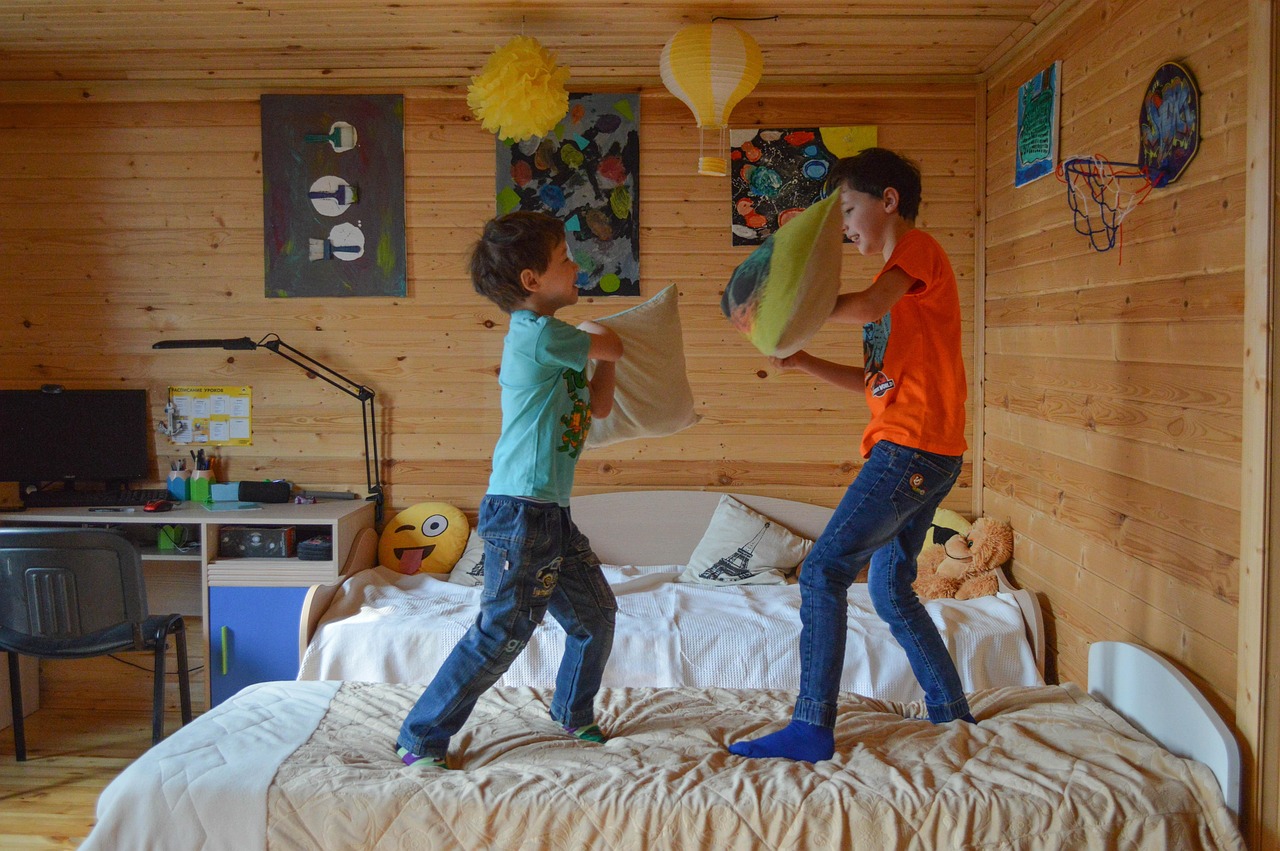
When considering an ADU-for-multi-generational-living project, exploring financial incentives can significantly impact your overall budget and the project's feasibility. These incentives, designed to encourage the development of affordable housing, can make a substantial difference in the affordability of your project.
One of the most effective ways to fund an ADU for multi-generational living is through community development programs. The U.S. Department of Housing and Urban Development (HUD) and local Community Development Block Grants (CDBs) offer grants and loans with favorable terms, particularly for projects that address housing affordability. These programs often prioritize multi-generational housing as a key strategy to meet the diverse housing needs of communities. Engaging with local housing authorities and CDB offices can provide insights into available funding opportunities tailored to your region.
Sustainable ADU construction also presents a chance to access financial incentives. Green building programs and rebates are increasingly common, offering tax credits or rebates for incorporating energy-efficient and environmentally friendly practices. Top-rated multi-gen ADU services often stay abreast of these programs, helping you navigate the application process and maximize your returns. By adopting sustainable construction methods, you not only contribute to a greener environment but also potentially reduce long-term operational costs, making your project more financially viable.
Lastly, consider the potential for private partnerships and incentives. Some property management companies and local businesses may offer financial support or rent subsidies for ADU projects, especially those that cater to aging caregivers and multi-generational families. These partnerships can provide valuable financial assistance and create a win-win situation for both the community and the project developers.
Frequently Asked Questions About Top 10 Questions to Ask Before Building an ADU for Multi-Generational Living
What are the legal requirements for building an ADU for multi-generational living?
Before starting any construction, it's crucial to understand the zoning laws and building codes in your area. Check with your local government to determine if ADUs are permitted in your neighborhood and what specific requirements must be met. This includes building regulations, safety standards, and any restrictions on size or location. Understanding these legal parameters ensures your project complies with local laws, avoiding potential fines or legal issues during or after construction.
How do I decide if an ADU is the right choice for my family's needs?
An ADU can be a fantastic solution for multi-generational families, offering additional living space and the potential for intergenerational bonding. Evaluate your family's current and future needs, considering factors like space requirements, age considerations, and financial goals. Compare the costs and benefits of building an ADU versus other housing options. Consulting with family members and professionals can help you make an informed decision tailored to your unique situation.
What is the typical budget for building a multi-generational ADU?
The cost of building an ADU varies widely depending on factors like size, materials, and local labor rates. This budget should cover the construction, permits, and any necessary professional services. It's essential to create a detailed financial plan, including potential contingencies, to ensure your project stays within reach.
Who should I hire to build my ADU?
Hiring a reputable and licensed general contractor with experience in ADU construction is advisable. They can provide valuable expertise, manage subcontractors, and ensure your project adheres to local codes. Request referrals from friends or family, and check online reviews to gauge a contractor's performance and professionalism. A good contractor will streamline the building process, offering valuable insights and helping you navigate any challenges.
How long does it typically take to build an ADU?
Most ADU projects take approximately 3 to 6 months from start to finish, but this timeline can vary. Smaller, simpler ADUs may be completed faster, while larger or more complex designs might extend the process. Weather conditions and the availability of building materials can also impact timelines. Communicating with your contractor about expected milestones and potential delays is essential for managing expectations.
Are there any tax benefits associated with building an ADU?
Building an ADU may offer tax advantages, but these vary by region and individual circumstances. Consult with a tax professional to understand potential deductions and credits available to you, such as those for energy efficiency improvements or first-time homebuyer incentives. The increased property value of your home due to the ADU's construction might offer long-term tax benefits.
Building an ADU for multi-generational living is a complex yet rewarding endeavor. By assessing space needs, understanding local regulations, and evaluating property suitability, you lay a solid foundation for your project. Planning your budget, designing for privacy and shared spaces, and considering energy efficiency will ensure a functional and harmonious living environment. Be prepared for potential delays in permits and inspections, and explore financial incentives to make your adu-for-multi-generational-living project more affordable. These key insights, grounded in research from the ADU Research Institute and the National Association of Home Builders, among others, guide you toward creating a space that caters to the unique needs of diverse generations, fostering community and caregiving within your own home.
When building an ADU for multi-generational living, prioritize:
- Space needs: Balanced layout with communal and private areas.
- Safety & maintenance: Adhere to local codes, regular check-ups for longevity.
- Privacy & shared spaces: Assign specific zones, consider noise control.
- Energy efficiency: Integrate sustainable features, explore financing options.
- Delays & inspections: Plan for unpredictable timelines, stay informed.
- Financial incentives: Explore community grants, sustainable rebates, partnerships.