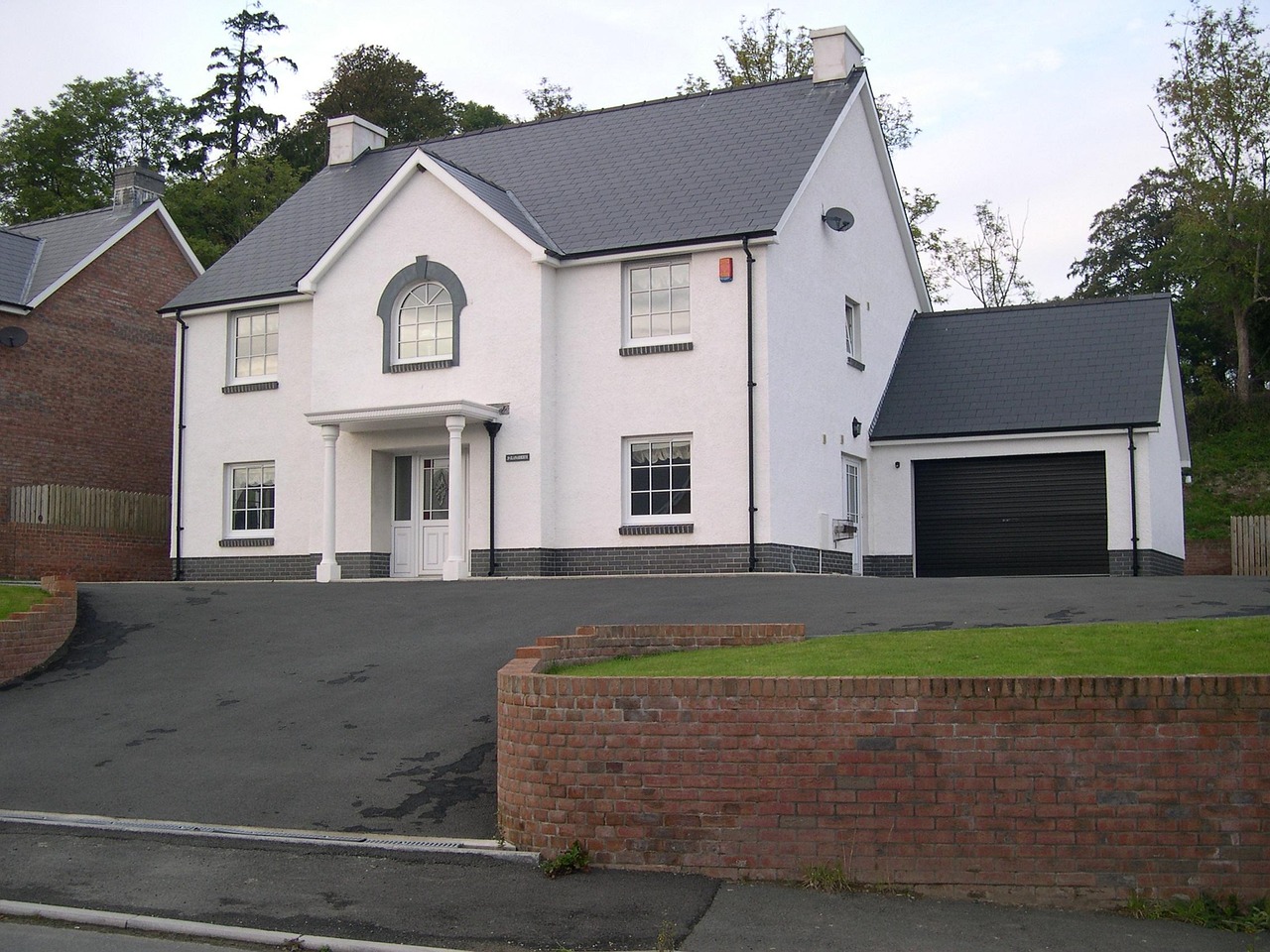
In today's evolving family structures, the demand for affordable multi-generational ADUs (affordable multi-generational adu) has surged, offering a practical solution to the growing need for intergenerational living spaces. As communities age, the need for quality, safe, and accessible housing that caters to diverse needs becomes increasingly critical. However, the construction and installation of these units present unique challenges, from ensuring structural integrity to navigating complex legal and financial aspects. This article examines the crucial role of certified ADU installers in overcoming these obstacles, highlighting their expertise in creating functional, beautiful, and compliant multi-generational living spaces. By exploring industry insights from the ADU Research Institute, the National Association of Home Builders, and the US Department of Housing and Urban Development, we provide a practical guide to ensure quality and safety in this emerging housing trend.
- Understanding ADUs: Key to Multi-Generational Spaces
- Certification: Ensuring Safe and Quality ADU Installations
- Building Codes: Navigating Local Regulations for ADUs
- Planning and Design: Creating Harmonious Multi-Generational Living
- Material Selection: Choosing Safe, Durable Materials for ADUs
- Construction Practices: Techniques for Efficient, Safe ADU Build
- Safety Inspections: Ensuring ADUs Meet Multi-Generational Standards
- Cost Considerations: Budgeting for Quality ADU for Multi-Gen Living
Understanding ADUs: Key to Multi-Generational Spaces

Understanding affordable multi-generational ADUs (additions) is essential to creating functional and harmonious spaces for diverse family structures. These additional living areas are transforming the way families live together, offering solutions for multi-generational homes. ADUs for multi-generational living provide dedicated spaces for older relatives, grown children, or even college students, fostering community engagement within the household.
The design and construction of these units present unique challenges and opportunities. Sustainable adu construction, for instance, leverages energy-efficient materials and designs to minimize environmental impact while maximizing comfort. Licensed adu contractors near me are crucial in ensuring these structures meet safety and quality standards. They bring expertise in structural integrity, electrical systems, and plumbing, among other aspects, to create livable and compliant spaces. The National Association of Home Builders (NAHB) and the US Department of Housing and Urban Development (HUD) offer valuable resources and guidelines for building and designing ADUs, highlighting their importance in modern housing.
Community engagement through ADUs is another key aspect. Local organizations, such as community centers and churches, can play a vital role in facilitating these arrangements. A neighborhood association might collaborate with a property management company specializing in ADUs to create intergenerational programs, fostering social connections and caregiving within the community. By integrating ADUs into neighborhood plans, local governments can enhance the quality of life for residents, support sustainable living, and promote strong community bonds.
Certification: Ensuring Safe and Quality ADU Installations
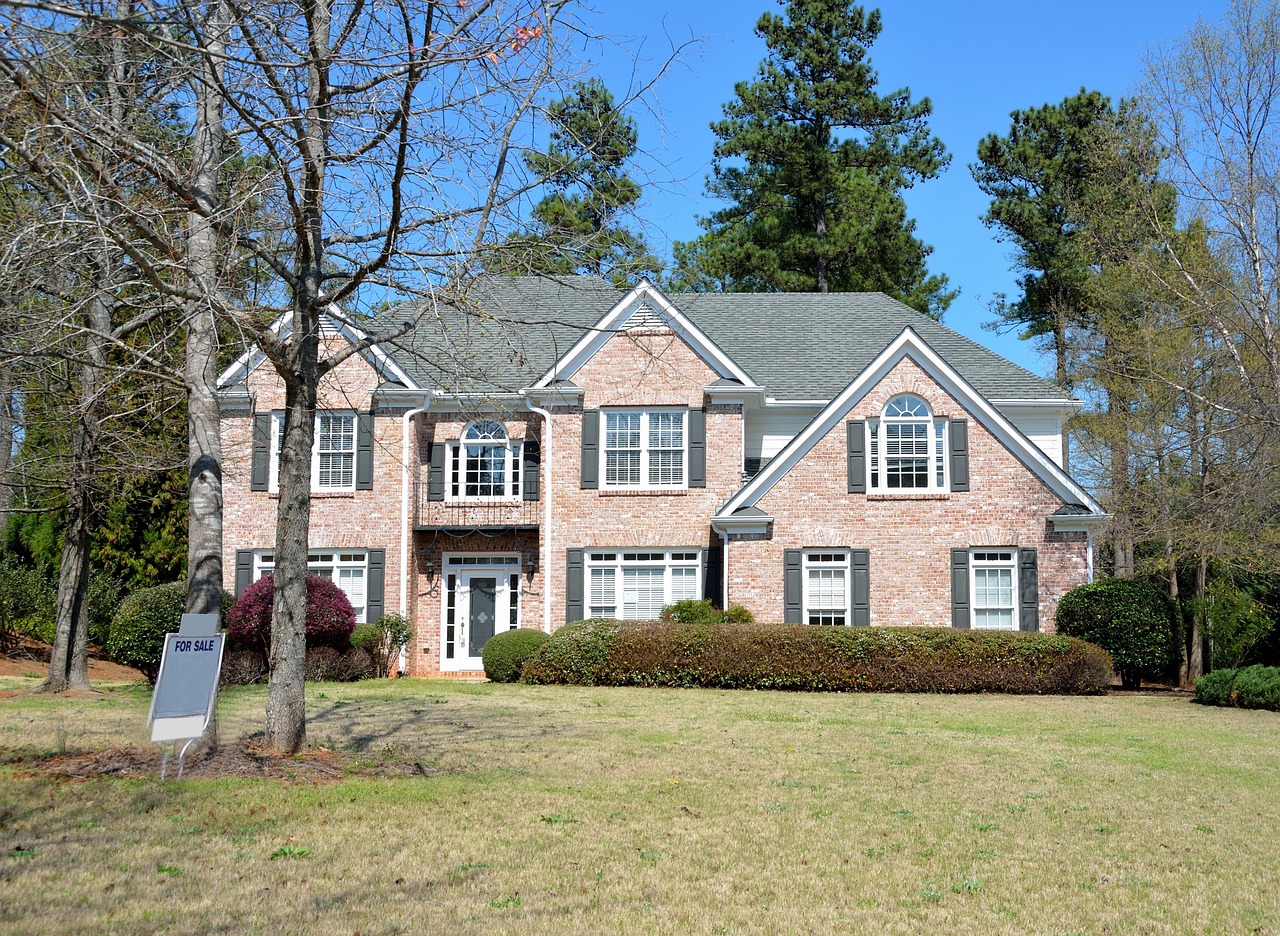
Certification is a critical component of ensuring safe and high-quality installations of ADUs for multi-generational living. Certified ADU installers bring a level of expertise and specialized knowledge that goes beyond the construction of standard housing. They understand the unique challenges and requirements of multi-gen spaces, including structural integrity, accessibility, and functional design that accommodates diverse ages and abilities.
Consumer preferences for multi-generational ADUs have surged, driven by factors like growing intergenerational households and the desire for independent living. As a result, there's a growing demand for local ADU specialists near me who can handle these specialized projects. These professionals stay up-to-date on local building codes, safety regulations, and innovative building techniques specific to ADUs. They also collaborate closely with architects, interior designers, and property managers to create cost-effective multi-gen housing that meets both functional and aesthetic needs.
A good rule of thumb is that most ADU installations take one to two days, depending on the size and complexity. However, the cost-effectiveness of ADUs, coupled with their ability to add valuable living space, makes them an attractive option for many. A well-planned multi-gen ADU can allow family members to live together while maintaining privacy, promoting intergenerational connections, and providing a sustainable solution to the housing crisis.
Local building departments and state housing authorities play a crucial role in ensuring safety and quality. They oversee permits, inspections, and code compliance, so it's essential to work with certified installers who understand these regulations. Legal aid societies and financial advisors can guide consumers through the complex process, ensuring that the project not only meets safety standards but also aligns with budget and legal requirements.
Building Codes: Navigating Local Regulations for ADUs

Navigating local building codes is a critical aspect of successfully installing an ADU for multi-generational living. These regulations, enforced by local building departments, ensure that all structures meet safety and quality standards. When considering an ADU for your affordable multi-generational adu, understanding the specific codes and permits required in your area is essential. Some regions may mandate specific structural elements, like reinforced foundations, to accommodate potential increased loads from additional living spaces.
The National Association of Home Builders (NAHB) and the US Department of Housing and Urban Development (HUD) offer valuable resources to help homeowners and installers understand these regulations. The NAHB provides comprehensive guides on ADU construction, detailing local building code requirements across the country. HUD, on the other hand, emphasizes the importance of safe and sanitary living conditions in its guidelines for multi-generational housing. Compliance with these guidelines not only ensures the safety of all occupants but also opens up potential consumer preferences for multi-gen ADUs, as buyers increasingly seek flexible and adaptable living spaces.
Financial considerations also play a significant role in ADU projects. Many families explore adu financing options to make this expansion feasible. Local governments and housing authorities often offer assistance through programs like the Community Development Block Grant (CDBG), which can help offset the costs of ADU construction. Understanding these financial incentives and navigating the legal aspects through entities like Legal Aid Societies is crucial for a successful and affordable multi-generational ADU project.
Design and client services professionals, such as architectural designers and interior designers, collaborate closely with installers to ensure that ADUs meet both aesthetic and functional requirements. Home stagers and property management companies also contribute to the overall appeal and value of these additions. By combining expert knowledge in design and construction with a thorough understanding of local building codes, certified ADU installers can deliver high-quality, safe, and desirable affordable multi-generational ADUs that cater to the evolving needs of modern families.
Planning and Design: Creating Harmonious Multi-Generational Living
In the realm of multi-generational living, planning and design are paramount to creating harmonious environments where different age groups can coexist comfortably. When integrating an affordable multi-generational ADU (accessory dwelling unit) into a home, careful consideration is essential to ensure the design meets the diverse needs of residents. This approach becomes even more critical as households embrace multi-gen living to save costs and live closer to extended family, according to the National Association of Home Builders.
Expert designers and architects play a pivotal role in this process. They must consider not just the physical layout but also the emotional and functional aspects that cater to various life stages. Incorporating flexible design elements allows for future adjustments as residents' needs change. This might include movable partitions, adaptable spaces, and smart home technology to accommodate aging in place. The US Department of Housing and Urban Development (HUD) emphasizes the importance of universal design principles to make spaces accessible to everyone, regardless of age or ability.
The design should foster community and caregiving within the multi-generational home. Well-planned common areas, such as a spacious kitchen or a cozy den, encourage interaction and build intergenerational bonds. Designers can also incorporate features that support caregiving, like proximity to bedrooms for easy access and well-lit pathways. The success of these designs is often reflected in positive adu reviews and ratings, as satisfied residents attest to the improved quality of life and stronger family connections.
To ensure longevity and maintain the integrity of the affordable multi-generational ADU, regular maintenance is crucial. A proactive approach involves creating a detailed maintenance schedule that caters to the specific materials and systems used in the construction. This includes regular inspections, cleaning, and repairs to keep the space safe, functional, and appealing for all occupants. By following these practices, homeowners can extend the lifespan of their ADU, ensuring a harmonious living environment for generations to come.
Material Selection: Choosing Safe, Durable Materials for ADUs

Choosing safe and durable materials is a critical step in the construction of an affordable multi-generational ADU (adu-for-multi-generational-living). Local adu specialists near me often face the challenge of selecting materials that not only withstand the test of time but also cater to the diverse needs of aging in place. For families with elderly members, slip-resistant flooring and easily navigable spaces are essential, while modern families may prioritize energy-efficient insulation and smart home technology. Niche adu designs for multi-gen families can incorporate these elements seamlessly, ensuring comfort and accessibility for all ages.
The US Department of Housing and Urban Development (HUD) and organizations like the National Association of Home Builders (NAHB) emphasize the importance of quality materials in ADU construction. Concrete, steel, and high-quality wood are popular choices due to their durability. Local building departments often have specific guidelines for material selection, ensuring safety and structural integrity, and these should be carefully followed. In areas prone to earthquakes, reinforcing materials like steel beams and concrete walls may be required.
When selecting materials, consider their longevity, maintenance requirements, and impact on energy efficiency. Low-maintenance options, such as vinyl or composite siding, can save time and money in the long run. Similarly, energy-efficient insulation and double-glazed windows not only reduce utility costs but also create a quieter, more comfortable living space. ADU for multi-generational living should be designed with versatility in mind, allowing for future modifications to accommodate changing needs. Foraging for locally sourced materials can also contribute to sustainability and reduce environmental impact.
Remember, the goal is to create a safe, comfortable, and accessible space that meets the unique needs of multi-generational families. Engaging with experienced local adu specialists near me can provide invaluable insights and ensure the best material choices for your project.
Construction Practices: Techniques for Efficient, Safe ADU Build
In the growing trend of affordable multi-generational ADUs, efficient and safe construction practices are paramount. Local adu specialists near me who specialize in these projects understand the unique challenges, from navigating complex building codes for ADU projects to incorporating tailored adu designs for multi-gen families. A well-planned ADU can seamlessly integrate an extended family's diverse needs, promoting independence while fostering connection.
Expert ADU installers prioritize safety and quality throughout the build process, adhering to local building regulations and industry standards. They employ advanced techniques such as structural framing, energy-efficient insulation, and robust electrical systems to ensure the ADU is safe, comfortable, and durable. Using modern framing techniques can significantly enhance structural integrity, allowing for larger, more open living spaces within the ADU.
These specialists understand the importance of efficient space utilization, especially in smaller urban properties. They incorporate clever storage solutions, modular design elements, and multifunctional spaces to maximize livability. By carefully planning and executing these practices, local ADU experts ensure that each project meets the unique needs of the multi-generational family while maintaining the highest standards of craftsmanship. This not only enhances the quality of life for residents but also contributes to the overall value of the property.
Safety Inspections: Ensuring ADUs Meet Multi-Generational Standards

Safety inspections are a crucial aspect of ensuring that affordable multi-generational ADUs meet the required standards and provide a safe living environment for all occupants. These inspections go beyond the typical construction quality checks to address the unique needs of multi-generational homes, where family members of different ages and abilities often live together. Licensed ADU contractors near me, who specialize in this field, understand the importance of identifying potential hazards and ensuring accessibility for all.
During an ADU safety inspection, several key areas are evaluated. These include electrical systems, fire safety, and accessibility features. Inspectors will check for proper wiring and grounding, ensuring electrical outlets and fixtures are accessible without causing trip hazards. Fire safety assessments involve checking smoke detectors, fire alarms, and escape routes to guarantee the quick and safe evacuation of all occupants in case of an emergency. Accessibility is a significant consideration, especially for aging caregivers who may have mobility issues. The inspection should assess if the ADU accommodates different needs, such as wheelchair accessibility, grab bars in bathrooms, and clear pathways to ensure safe navigation.
Overcoming communication barriers is also a vital aspect of ADU safety for multi-generational living. Contractors must be adept at communicating with diverse family members, including those with age-related cognitive or physical impairments. They should provide clear, simple explanations of potential safety concerns and recommendations, ensuring everyone understands the purpose of the inspection and any necessary modifications. This may involve using visual aids, large-print materials, or even sign language interpreters, depending on the needs of the family. By addressing these communication challenges, licensed ADU contractors contribute to creating a safe and harmonious living environment for multi-generational households.
Cost Considerations: Budgeting for Quality ADU for Multi-Gen Living
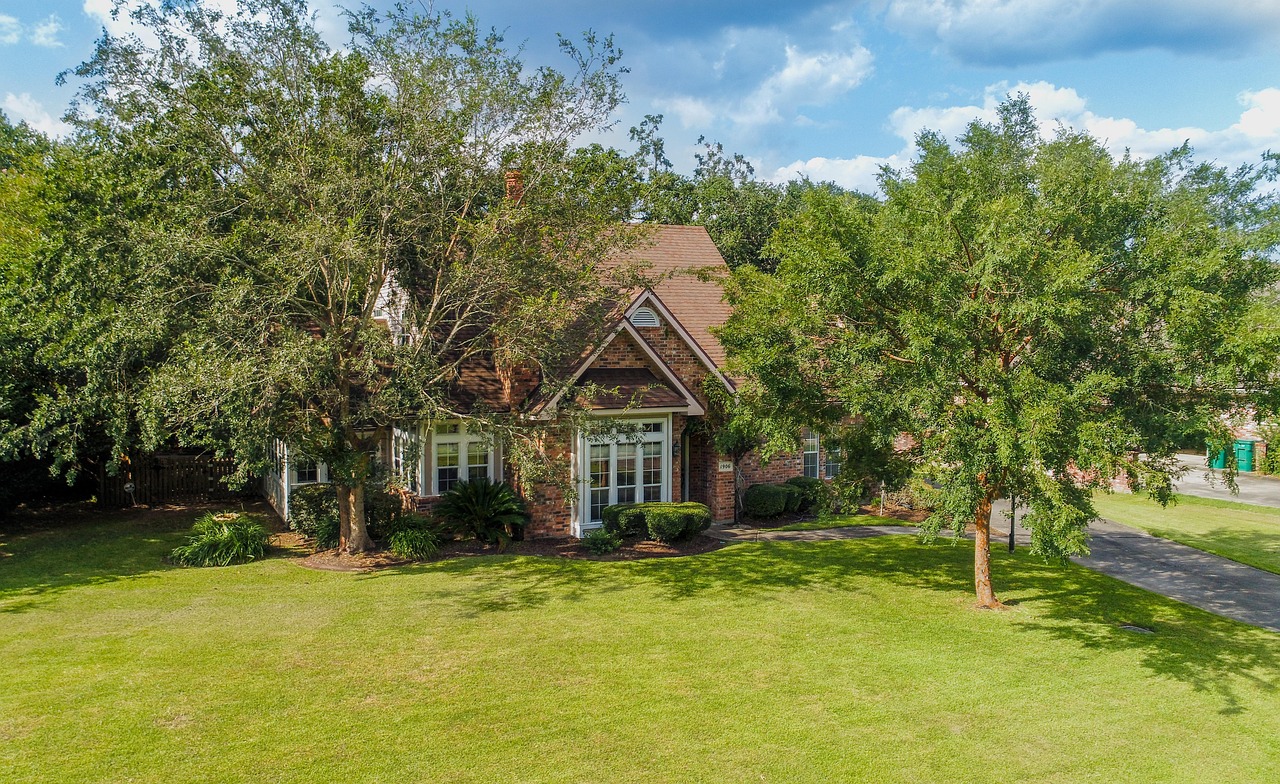
When planning an affordable multi-generational adu, budgeting for quality is paramount. Beyond the initial construction costs, consider ongoing expenses like utility connections, permits, and inspections, which can vary significantly based on local building codes for ADU projects. Navigating these financial aspects requires careful planning and a thorough understanding of professional ADU installation best practices.
Professional ADU installation can significantly impact the overall cost of your project. Engaging local ADU specialists near me ensures compliance with building codes and local regulations, a crucial step that can prevent costly future repairs or legal issues. These specialists have experience in designing and installing ADUs that meet safety standards, enhancing the value and longevity of your investment. A well-planned ADU can create a dedicated space for aging relatives or grown children, fostering intergenerational connections within your home while increasing your property's value.
Budgeting for an ADU for multi-generational living requires a holistic approach. Start by consulting with architects, interior designers, and property management companies who specialize in these projects. They can provide detailed cost breakdowns, including materials, labor, and permit fees. Remember, the goal is to balance quality, functionality, and affordability. By understanding the financial implications of each design and installation choice, you can make informed decisions that align with your budget and the unique needs of your multi-generational household.
Frequently Asked Questions About Certified ADU Installers: Ensuring Quality and Safety in Multi-Generational Living
What is an affordable multi-generational ADU (Accessible Unit)?
An affordable multi-generational ADU is an additional living space designed to accommodate multiple generations within a single home. It provides a solution for families looking to live together while maintaining individual privacy and accessibility for all ages. These units are built to meet specific accessibility standards, ensuring safety and comfort for seniors, individuals with disabilities, and younger family members.
Why are certified ADU installers important for multi-generational living?
Certified ADU installers play a crucial role in ensuring the safe and efficient construction of these units. They possess the specialized knowledge and skills to adhere to building codes, accessibility guidelines, and safety standards. Their expertise minimizes potential hazards and ensures the unit is functional, comfortable, and accessible for all residents.
How do I know if a contractor is certified to install ADUs?
Look for contractors who hold relevant certifications from recognized organizations specializing in accessibility and construction. These certifications verify their knowledge of ADU installation, safety protocols, and accessibility guidelines. You can also check online databases or local licensing boards for verified ADU installer lists.
What safety features should I expect from a certified ADU installer?
Certified installers prioritize safety by incorporating several key features. These include adequate lighting and signage, slip-resistant flooring, grab bars in bathrooms, wide doorways for easy access, and emergency detection systems. They ensure these features meet accessibility standards while enhancing the overall safety and independence of all residents.
How long does the ADU installation process typically take?
Most ADU installations take one to two days, depending on the unit's size and complexity. Certified installers plan meticulously, ensuring efficient construction without compromising quality or safety. This quick turnaround allows families to enjoy their new living space in a relatively short time.
Can certified ADU installers help with design and planning?
Absolutely. Many certified ADU installers offer design and planning services, collaborating with clients to create tailored spaces that meet their unique needs. They stay updated on the latest accessibility trends and can provide valuable insights into space optimization and functional design, ensuring the ADU seamlessly integrates with the existing home.
The practical guide on certified ADU installers underscores the critical role these professionals play in creating safe, high-quality spaces for multi-generational living. By navigating complex building codes, selecting durable materials, and employing best construction practices, ADU installers ensure these additions meet rigorous safety standards. The article highlights the benefits of ADUs in fostering intergenerational connections and offers practical insights for budgeting and design, emphasizing the importance of planning for a harmonious and functional living environment.
Understanding local regulations through the lens of the US Department of Housing and Urban Development (HUD) and state housing authorities, as well as adhering to the guidelines set by the National Association of Home Builders (NAHB), can prevent costly mistakes. Engaging architectural designers, interior designers, and home stagers ensures the ADU complements the host home while meeting the unique needs of multi-generational residents.
Moving forward, ADU installers can empower communities to embrace affordable multi-generational adu solutions by promoting these key practices. By prioritizing safety, quality, and inclusivity, certified installers contribute to the development of stronger, more connected neighborhoods, enriching the lives of all residents.
Affordable multi-generational ADUs (additions) transform households, offering dedicated spaces for diverse family members. Certified ADU installers are crucial for safety, quality, and compliance, bringing expertise in structural integrity, electrical systems, and accessibility. Community engagement, local building regulations, and innovative materials are key aspects. ADUs promote intergenerational connections, independent living, and sustainable housing. Efficient construction practices, safety inspections, and thoughtful material choices ensure multi-gen spaces are functional, accessible, and cost-effective. Budgeting requires careful planning, professional guidance, and a holistic understanding of project costs to balance quality and affordability.