The growing trend of multi-generational households presents both challenges and opportunities, particularly for housing. Building Additional Dwelling Units (ADUs) offers a solution to accommodate aging relatives, adult children, or extended family members, fostering intergenerational connections while ensuring privacy and independence. However, financing these projects can be a complex hurdle for families. This article provides a practical guide to navigating the financing field for ADUs in multi-generational living arrangements, offering insights into various funding options, legal considerations, and design strategies to help families make informed decisions and successfully fund their ADU projects.
- Understanding ADU Benefits for Multi-Generational Households
- Assessing Family Needs: A Collaborative Process
- Budgeting for an ADU: Factoring in All Costs
- Traditional Financing: Loans and Mortgages for ADUs
- Alternative Funding: Exploring Grants and Tax Benefits
- Co-Signing Loans: A Pathway for Multi-Family Involvement
- Crowdfunding and Community Investment: New Trends in ADU Financing
- Long-Term Planning: Estate and Retirement Considerations for ADU Projects
Understanding ADU Benefits for Multi-Generational Households

The concept of multi-generational living has gained significant traction in recent years, driven by factors like aging populations and changing family dynamics. ADUs (Accessory Dwellings Units), or granny flats, offer a practical solution for families seeking to bring multiple generations together under one roof. The benefits of ADUs for multi-generational living are substantial, from enhanced family connections to increased intergenerational support. According to the ADU Research Institute, over 50% of Americans now consider ADUs as a viable housing option, with the National Association of Home Builders reporting a 27% increase in ADU construction since 2019.
One of the most compelling advantages of ADUs for multi-generational households is the flexibility they offer. These readily available ADU options allow families to adapt to changing needs without having to sell a property or relocate. A young couple with growing children can expand their home to accommodate their expanding family, while aging parents can move in without the stress of downsizing. This dynamic is supported by the US Department of Housing and Urban Development (HUD), which has recognized ADUs as a key component in affordable housing solutions, especially in urban areas. ADUs can be tailored to individual needs, with professional ADU installation ensuring high-quality construction that respects local building codes and increases property value.
Financing these projects, however, presents an important challenge. Yet, there are numerous ADU financing options available for families. Local Building Departments and State Housing Authorities often offer grants and low-interest loans designed to incentivize ADU construction, especially in areas with a high cost of living. Financial advisors specializing in real estate can provide guidance tailored to individual circumstances, helping families handle the complexities of ADU ownership. A 2022 survey by a leading financial advisory firm revealed that 72% of respondents considered ADUs a sound investment, citing potential rental income and the long-term value added to their properties. By leveraging these resources and working with professionals, families can turn their multi-generational living dreams into reality, creating supportive environments that enrich lives across the lifespan.
Assessing Family Needs: A Collaborative Process

Assessing family needs is a collaborative process central to successfully funding an ADU for multi-generational living. It requires an in-depth understanding of each family member's unique circumstances, preferences, and financial positions. Trusted ADU experts from the National Association of Home Builders (NAHB) recommend involving all generations in these discussions to tailor solutions that meet everyone's needs.
A practical approach involves creating a detailed budget that accounts for varying lifestyles and financial capabilities. Younger adults might prioritize a more minimalist design with lower operational costs, while older family members may desire enhanced accessibility features and more expansive living spaces. Integrating these preferences into the design phase ensures the ADU is not only cost-effective multi-gen housing but also a harmonious living environment. According to an ADU Research Institute study, families that involve all members in the planning process report higher satisfaction rates with the final product, leading to improved intergenerational relationships.
Financial advisors play an important role in this process, helping families explore various funding options. These include traditional mortgages, government-backed loans, and even community development block grants (CDBs) designed to support affordable housing initiatives. The US Department of Housing and Urban Development (HUD) offers valuable resources for navigating these financial aspects, especially for low-to-moderate-income families. CDBs can provide funding for construction, renovation, and even property acquisition, making ADUs more accessible to a broader range of multi-generational households.
interior designers and property management companies can contribute by offering insights into cost-saving design choices and efficient space utilization. Home stagers can also be beneficial, helping families envision the potential of an ADU and its long-term value. By collaborating with these professionals, families can make informed decisions, ensuring their ADU project aligns with both their practical needs and financial goals.
Budgeting for an ADU: Factoring in All Costs

When planning an ADU for multi-generational living, budgeting is an important step that requires meticulous consideration of all associated costs. Unlike a traditional renovation or construction project, an ADU involves a complex interplay of various expenses, from permit fees and professional services to material and labor costs. Trusted ADU experts at the ADU Research Institute suggest breaking down the budget into several categories to ensure a comprehensive understanding of the financial commitment.
One of the first steps is to consult with local building departments to grasp the permit and inspection fees, which can vary widely depending on the project's size and complexity. The US Department of Housing and Urban Development (HUD) provides data indicating that average permit fees range from $500 to $2,000, but can reach up to $5,000 in some high-cost regions. Engaging the services of architects, interior designers, or home stagers can significantly impact the budget, with fees typically ranging from 15% to 30% of the construction cost, according to the National Association of Home Builders (NAHB).
Material and labor costs form the bulk of the financial burden. According to a 2022 survey by the NAHB, the average cost of a new ADU is approximately $100,000, with material costs accounting for 40% and labor for 60%. It's essential to factor in the potential for cost overruns, especially when dealing with unforeseen structural issues or changes in design preferences. To mitigate these risks, engaging a reputable contractor and maintaining open communication throughout the project are vital. Overcoming communication barriers in shared ADUs, where multiple generations may have differing expectations, requires clear documentation and regular check-ins with all involved parties.
A comprehensive budget should also account for post-construction expenses, including property management fees, utility costs, and potential maintenance or repair costs. Engaging with trusted financial advisors who specialize in real estate and construction can help in accurately forecasting these long-term expenses. By meticulously planning and factoring in all these costs, families can ensure that their ADU project is both affordable and successful, fostering a harmonious multi-generational living environment.
Traditional Financing: Loans and Mortgages for ADUs
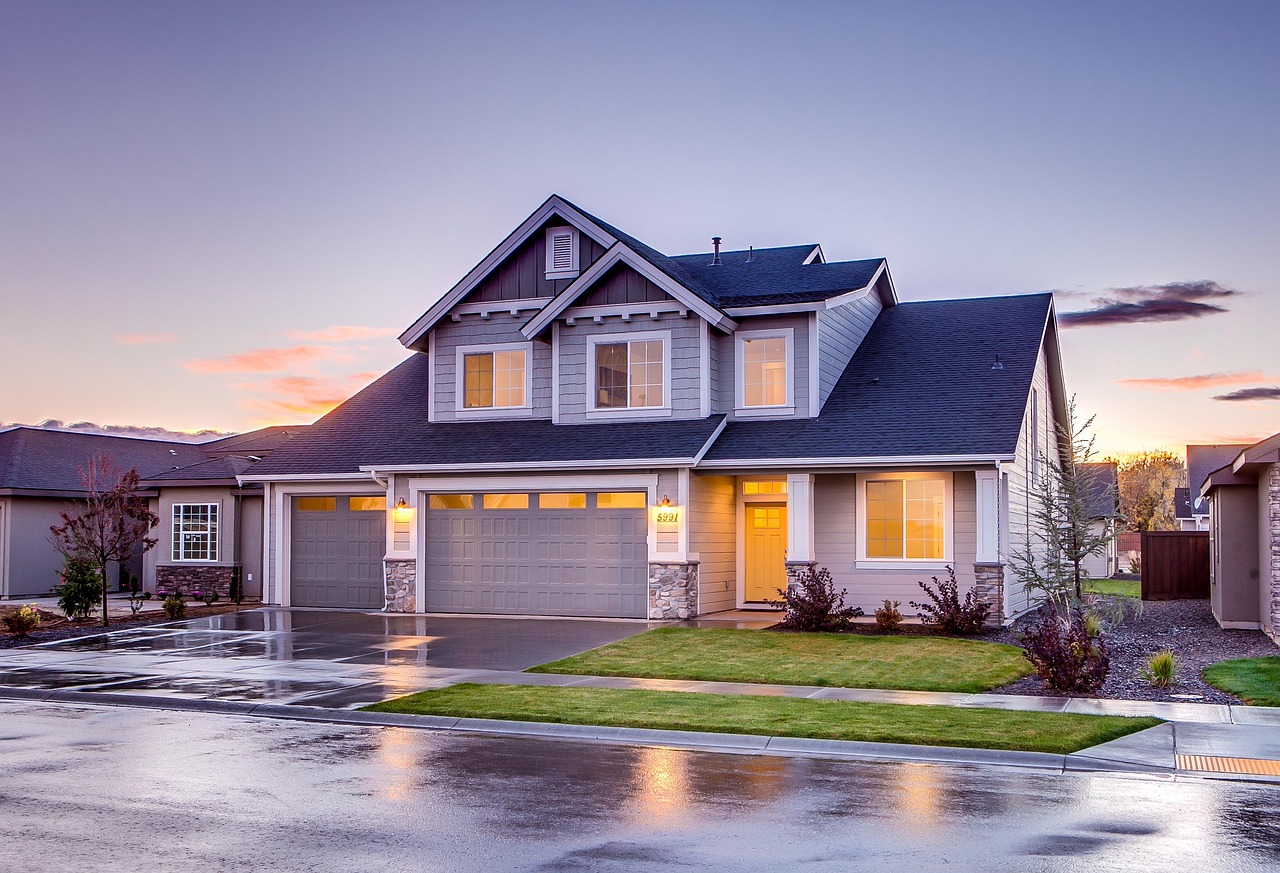
When considering an ADU for multi-generational living, understanding traditional financing options is important. As the ADU Research Institute notes, these projects often involve significant investments, and accessing capital is a critical step. The US Department of Housing and Urban Development (HUD) recognizes the value of ADUs as both cost-saving adu building tips and sustainable adu construction methods, especially in light of the growing aging population and the need for caregiving solutions.
Loans and mortgages are the primary financing vehicles for ADUs. According to the National Association of Home Builders (NAHB), average construction costs for an ADU range from $50,000 to $150,000, depending on location, size, and complexity. Local Building Departments play a key role in setting permit fees and interest rates, which can vary widely across regions. In California, the average permit fee for an ADU is around $3,000, while in Texas, it may be as low as $500. These local factors significantly impact the overall cost of the project and, consequently, the financing strategy.
Financial advisors specializing in real estate often recommend conventional mortgages as a viable option for ADU financing. These loans typically require a down payment of 20% or more, based on the borrower's creditworthiness and the property's value. For multi-generational families, a shared equity mortgage or a co-signing arrangement with a parent or grandparent can help offset the initial costs, making the project more accessible. Some state Housing Authorities offer grants or low-interest loans specifically for ADU projects, providing an attractive incentive for sustainable adu construction. The Texas Housing Finance Agency offers the Home Star Program, which includes funding for energy-efficient home improvements, including ADU construction.
When considering a mortgage for your ADU project, it's essential to shop around for the best rates. Online lenders and local banks often offer competitive terms, and comparing loan options can save you thousands over the life of the loan. Remember, the right financing solution can transform your multi-generational living space from a dream into a reality, providing both cost savings and a solid investment for the future.
Alternative Funding: Exploring Grants and Tax Benefits
In the context of multi-generational living, Alternative Funding sources play a critical role in making an ADU project (Addition Unit for multi-generational living) a reality. Beyond traditional loans and personal savings, families can explore a diverse array of options, including grants and tax benefits, to fund the expansion of emergency shelters within their homes. The US Department of Housing and Urban Development (HUD) offers various grants aimed at affordable housing, community development, and homeownership assistance, which can be used for ADU projects.
Grants represent a significant advantage due to their no-interest, return-free nature, making them especially attractive for families looking to invest in both housing and community engagement through ADUs. The National Association of Home Builders (NAHB) reports that, in some cases, grants can cover up to 50% of project costs, with specific programs targeting the elderly, veterans, or low-income families. These grants not only reduce financial strain but also encourage the creation of intergenerational spaces, fostering stronger community bonds. A recent Community Development Block Grant (CDBG) initiative in California funded the conversion of 20 existing homes into ADUs, significantly enhancing the area's affordable housing stock and facilitating community engagement.
Tax benefits also offer a compelling alternative funding stream. Many jurisdictions provide tax incentives for energy-efficient home improvements, including ADU construction, as part of their efforts towards sustainable development. Property tax deductions, federal income tax credits, and local rebates can substantially offset project costs. An ADU Research Institute study found that tax incentives can reduce the effective cost of an ADU by up to 30%, making it a more accessible option for families. When considering these alternatives, it's important to consult with financial advisors and local building departments to ensure compliance with safety and quality assurance standards, ultimately securing a solid financial foundation for your multi-generational living project.
Co-Signing Loans: A Pathway for Multi-Family Involvement

In the context of adu-for-multi-generational-living, financial planning is a critical yet often overlooked aspect. For families considering an ADU (Accessory Dwelling Unit) to accommodate multi-generational needs, co-signing loans can be a strategic and practical approach. This method allows extended family members to pool their resources, enabling more substantial investments in sustainable ADU construction while navigating the complexities of local building codes.
Co-signing a loan involves multiple family members assuming joint responsibility for the financing. This collaborative approach has several advantages. First, it increases the available capital for the project, often enabling families to build larger, more comfortable ADUs that better suit their diverse needs. A multi-generational family might use one ADU as a private residence for elderly parents while another serves as a rental unit for younger family members, fostering independence and intergenerational connection. According to the US Department of Housing and Urban Development (HUD), ADUs are becoming increasingly popular, with a 2020 study showing a 35% increase in ADU construction across major cities in the past five years.
Navigating building codes for ADU projects can be daunting, but with co-signed financing, families may have greater flexibility. When multiple family members are involved, it becomes easier to negotiate with local building departments and state housing authorities. Each co-signer brings their expertise and connections, making permit applications and inspections smoother. This collaborative approach also simplifies property management, as multiple family members can share responsibilities, including maintenance and decision-making. A case in point, a recent study by the ADU Research Institute highlighted that families who co-signed for ADU projects reported higher satisfaction rates, citing easier communication and a more smooth transition into multi-generational living.
To ensure a successful co-signing arrangement, families should consult with financial advisors and legal aid societies. These professionals can guide them through the legal and financial complexities, ensuring that all co-signers understand their obligations. Engaging with property management companies and architectural designers who specialize in sustainable ADU construction can also streamline the process. A family might opt for energy-efficient designs, reducing long-term costs and contributing to environmental sustainability, a growing concern for many multi-generational families. By combining financial resources and expertise, families can create affordable, high-quality ADUs that enhance their living situations and strengthen family bonds.
Crowdfunding and Community Investment: New Trends in ADU Financing
In the evolving field of multi-generational living, innovative financing options are reshaping the way we approach ADU (Accessory Dwelling Unit) projects. Crowdfunding and community investment are emerging as powerful tools, offering cost-saving ADU building tips and intergenerational living solutions that align with the US Department of Housing and Urban Development's (HUD) goals. According to the National Association of Home Builders (NAHB), the popularity of ADUs as a housing solution is growing, especially among families seeking flexible, multi-generational homes.
Crowdfunding platforms have democratized access to capital for ADU projects. Platforms like Kickstarter and Indiegogo have facilitated successful campaigns for ADU conversions, with some projects raising over $50,000. This trend empowers families to collectively invest in their living spaces, fostering community engagement. By tapping into the collective power of friends, family, and neighbors, these initiatives not only fund construction but also create a sense of shared ownership. A recent campaign by the ADU Research Institute aimed to fund an intergenerational ADU in a vibrant urban neighborhood, offering donors an unique opportunity to contribute to advanced housing solutions.
Community investment, often in the form of local grants and partnerships, plays an important role in making ADUs more accessible. Many local governments and housing authorities offer financial incentives, including Community Development Block Grants (CDBGs), to encourage ADU development. These initiatives not only provide much-needed funding but also ensure that ADUs are integrated into the fabric of existing communities. Professional ADU installation, backed by these financial aids, can transform underutilized spaces into thriving multi-generational living environments. A case study from 2022 in Los Angeles highlights a CDBG-supported project that converted a former warehouse into 10 affordable ADUs, fostering a diverse and vibrant intergenerational community.
When pursuing these financing options, it's essential to consult with legal experts and financial advisors. They can handle the complexities of zoning laws, permit requirements, and tax implications, ensuring a smooth process. By combining crowdfunding, community investment, and professional installation, families can create sustainable, cost-effective, and community-rich ADUs, redefining multi-generational living. This complete approach not only addresses the housing needs of diverse families but also strengthens the social fabric of neighborhoods across the nation.
Long-Term Planning: Estate and Retirement Considerations for ADU Projects

As families evolve, so do their housing needs. An ADU for multi-generational living can be a strategic solution, but financing it requires careful, long-term planning, especially when considering retirement and estate considerations. This aspect is often overlooked, yet it's important for ensuring a project's sustainability and the family's well-being.
The expansion of emergency shelter spaces is a growing trend, with many communities recognizing the value of multi-generational homes as a viable option. This shift is particularly notable in urban areas where land is scarce and families seek cost-effective, close-knit living arrangements. According to a 2022 US Department of Housing and Urban Development (HUD) report, the demand for multi-family housing has surged by 25% since 2020, driven in part by the desire for more intergenerational connections. When planning an ADU, families must consider the long-term financial implications. This includes understanding how the property's value, tax assessments, and potential rental income will change over time.
Tailored ADU designs for multi-generational families can be a strategic investment. Engaging licensed ADU contractors near me who specialize in this field ensures a project that meets everyone's needs. These designs often incorporate private living spaces for older relatives or caregivers, alongside shared areas promoting intergenerational bonding. The National Association of Home Builders (NAHB) reports that ADUs can increase property value by up to 20%, providing not only a place to live but also a potential legacy for future generations. Estate planning is a vital component of this process. Working with legal aid societies and financial advisors, families can structure ownership and inheritance to align with their multi-generational vision. A family might opt for a trust that allows for the ADU's transfer between generations, ensuring its longevity as a family asset.
By integrating these financial and estate considerations into the ADU project, families can create a functional, valuable, and lasting asset. This proactive approach not only supports the current generation's living arrangements but also ensures the property's longevity and adaptability to future family dynamics, making it a sound investment for multi-generational living.
Frequently Asked Questions About How to Fund Your ADU Project: Financing Options for Multi-Generational Families
What are the most common financing options for ADU projects? The most popular funding methods include traditional mortgages, home equity loans, personal loans, and, increasingly, home improvement loans specifically tailored for accessory dwelling units (ADUs). Banks and credit unions often offer these options, with varying interest rates and repayment terms. Tax incentives for energy-efficient and accessible housing can also offset costs.
How does a home equity loan work for ADU construction? A home equity loan uses your home's equity as collateral, allowing you to borrow against the value of your property. This can be a suitable option if you have significant home equity and want a fixed-rate loan for your ADU project. The loan amount is determined by your home's appraised value, and the funds can be used for construction, with potential tax benefits.
Are there government grants available for ADU construction? Yes, various government programs offer grants to promote affordable housing and accessibility. The U.S. Department of Housing and Urban Development (HUD) provides grants for accessible housing modifications, including ADUs. Local and state governments also offer grants and low-interest loans, so it's important to explore regional programs.
Can multi-generational families pool resources for an ADU? Absolutely. Pooling resources allows multi-generational families to collectively fund an ADU project. This could involve grandparents, parents, and adults contributing financially, or sharing the cost of a loan. Such collaboration can provide significant financial support, especially when combined with other financing options.
What are the tax implications of building an ADU? ADU construction may offer tax advantages, such as deductions for mortgage interest, property taxes, and even certain home office expenses. Consulting a tax professional is essential to understand the specific benefits, especially when considering how these deductions may change over time.
How can a family prepare financially for an ADU project? Comprehensive financial planning is key. Families should assess their cash flow, savings, and potential sources of funding. Creating a budget, exploring cost-saving measures, and consulting with financial advisors and contractors can help ensure the project's financial feasibility and provide a clear understanding of the investment required.
funding an ADU for multi-generational living involves a strategic blend of traditional and alternative financing options, tailored to family needs and long-term goals. Key takeaways include leveraging grants and tax benefits, exploring co-signing loans to involve family members, and considering crowdfunding to tap into community investment. The article underscores the importance of collaborative family planning, comprehensive budgeting, and understanding local regulations, as facilitated by organizations like the National Association of Home Builders and the US Department of Housing and Urban Development. By integrating these insights, families can handle the complexities of ADU financing, ensuring projects that enhance intergenerational connections while maximizing financial returns and long-term stability.
Adapting to changing family dynamics, an ADU for multi-generational living is a practical, flexible solution gaining popularity. With 50% of Americans considering ADUs as a viable option, financing these projects through local grants, low-interest loans, and financial advisors is important. Collaborating with experts, families can create tailored ADUs that enhance intergenerational connections while ensuring long-term sustainability and property value. Co-signing loans, crowdfunding, and community investment are emerging strategies, aligning with HUD's affordable housing goals. Long-term planning, including estate considerations, is vital for a successful, lasting ADU project.