
In today's diverse and interconnected world, reliable adu-for-multi-generational-living solutions are crucial for families looking to seamlessly integrate extended relatives under one roof. As the National Association of Home Builders and the US Department of Housing and Urban Development emphasize the benefits of multi-generational housing, ensuring these affordable multi-generational ADUs remain well-maintained and functional over time is paramount. However, the legal and financial complexities, coupled with the unique design and community considerations, can make this a daunting task. This article provides an in-depth guide to reliable ADU maintenance, offering practical tips and insights tailored to long-term, multi-generational living.
- Planning for Multi-Generational ADU Success
- Essential Maintenance Checks for Longevity
- Waterproofing: Protecting Your ADU's Integrity
- Air Quality: Ensuring Healthy Living Spaces
- Structural Integrity: Regular Inspections Matter
- Efficient Energy Use in ADUs for All Ages
- Accessible Design for Multi-Generational Comfort
- Regular ADU Maintenance: A Practical guide
Planning for Multi-Generational ADU Success

Creating a successful multi-generational adu (affordable multi-generational adu) requires thoughtful planning and tailored design to meet the diverse needs of families across different ages. Engaging local adu specialists near me who understand sustainable adu construction is key. These experts can guide you in choosing materials and layouts that not only accommodate multiple generations but also enhance energy efficiency and reduce long-term maintenance costs.
Consider the interplay between younger children and aging grandparents. A well-designed adu can include separate spaces for quieter activities, like reading or crafting, as well as communal areas for intergenerational play and bonding. Incorporating smart home technology, such as automated lighting and temperature control, can accommodate family members with mobility issues while providing convenience for younger residents. Tailored adu designs for multi-gen families should also account for accessibility features, ensuring that the space is functional and safe for everyone.
Local building departments and state housing authorities play a crucial role in adu-for-multi-generational-living projects. They provide guidelines and permits, ensuring that the construction aligns with local codes and regulations. Financial advisors can help families navigate the costs associated with such a project, especially when considering long-term sustainability. By working with these professionals, families can create an adu that not only meets current needs but also adapts to evolving circumstances, fostering a supportive and cohesive multi-generational environment.
Essential Maintenance Checks for Longevity

Maintaining an affordable multi-generational ADU (adunit) for the long term requires a proactive approach to ensure its longevity and functionality. Regular essential maintenance checks are crucial for preventing costly repairs and ensuring a safe living environment for all ages. This includes a thorough inspection of structural integrity, plumbing, electrical systems, and heating/cooling mechanisms. Checking for signs of water damage, corrosion, or mold in the walls, ceiling, and basements is vital, as these issues can lead to extensive repairs or even health hazards.
One of the key aspects of ADU-for-multi-generational-living is adaptability and ease of access for aging in place. Regular maintenance should focus on enhancing these features, such as ensuring wide doorways and clear hallways for easy navigation by residents with limited mobility. Keeping up with routine maintenance, like lubricating hinges, replacing worn-out fixtures, and inspecting the roof for leaks, can prevent accessibility issues down the line. Same-day ADU estimates can be a readily available option for homeowners, allowing them to budget and plan repairs promptly.
It's essential to keep up with the changing needs of residents. This may involve modifying the ADU to accommodate different mobility levels or caregiving requirements. Installing grab bars in bathrooms or adding handrails to staircases. Financial advisors and state housing authorities can provide guidance on available grants and assistance programs that support ADU modifications for aging in place. Regular communication with a team of architectural designers, interior designers, and home stagers can help maintain the ADU's functionality and appeal as the needs of the multi-generational household evolve.
Community support and caregiving resources should also be considered in long-term ADU maintenance. Keeping in touch with local churches, community centers, and neighborhood associations can provide valuable information on available services and programs that can enhance the overall quality of life for ADU residents. Regularly reviewing and updating emergency contact lists and caregiving plans ensures that everyone is prepared for any eventuality, contributing to a safe and secure living environment.
Waterproofing: Protecting Your ADU's Integrity
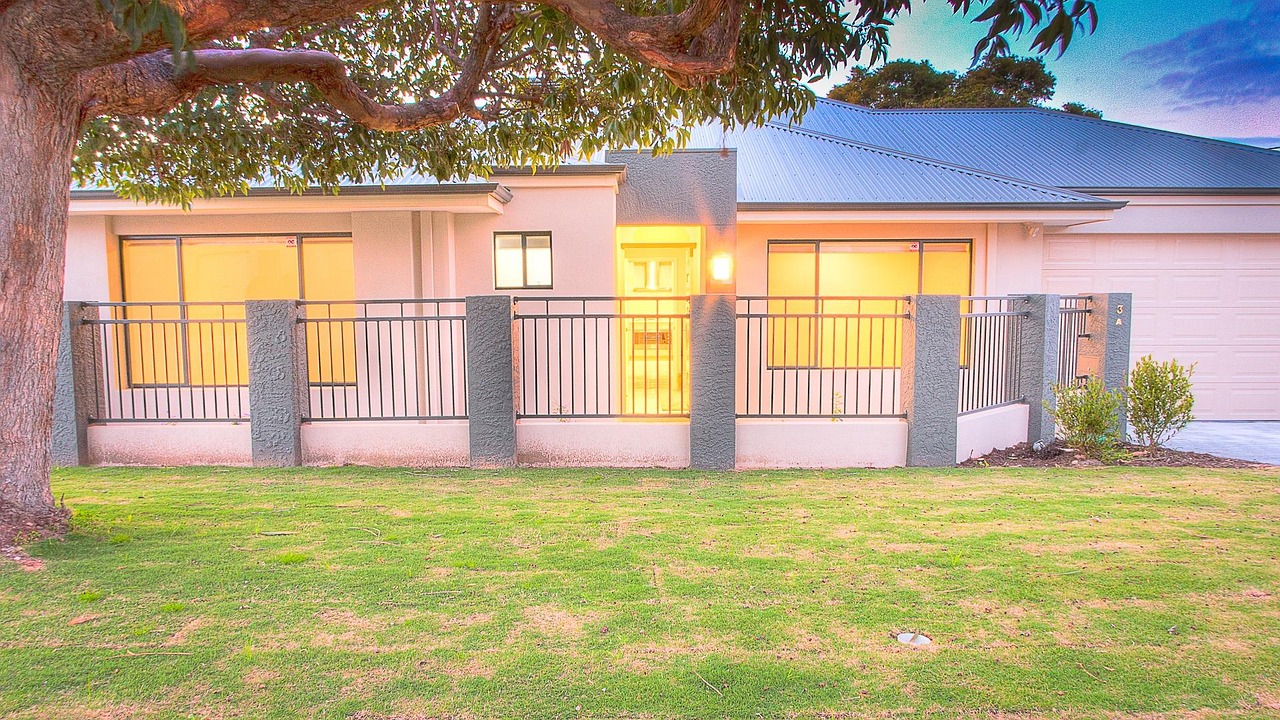
Waterproofing is a critical aspect of reliable ADU maintenance, especially in an affordable multi-generational adu where diverse families live side by side. Protecting your ADU's integrity ensures not only the longevity of the structure but also the comfort and safety of its occupants. A well-waterproofed space prevents moisture intrusion, which can cause mold growth, structural damage, and unpleasant living conditions.
To achieve effective waterproofing, start with a thorough inspection. The same-day adu estimates offered by many contractors can provide insights into potential issues. Look for signs of water damage, cracks in the foundation or walls, and inadequate sealing around windows and doors. Addressing these problems early is key to preventing further complications. Once identified, implement cost-saving ADU building tips, such as using high-quality waterproof membranes and sealants, ensuring proper flashing, and installing efficient ventilation systems to reduce moisture buildup.
Regular maintenance matters in preserving the waterproofing. This includes cleaning gutters and downspouts to prevent water buildup around the foundation and performing routine inspections to identify any signs of wear or damage. If you're considering an ADU for multi-generational living, it's essential to engage experienced professionals who can provide detailed adu reviews and ratings. These reviews can offer valuable insights into the contractor's workmanship, materials used, and their commitment to long-term quality. By choosing a reputable contractor and following these guidelines, you can ensure your ADU remains a safe, comfortable, and durable space for all who live there.
Air Quality: Ensuring Healthy Living Spaces
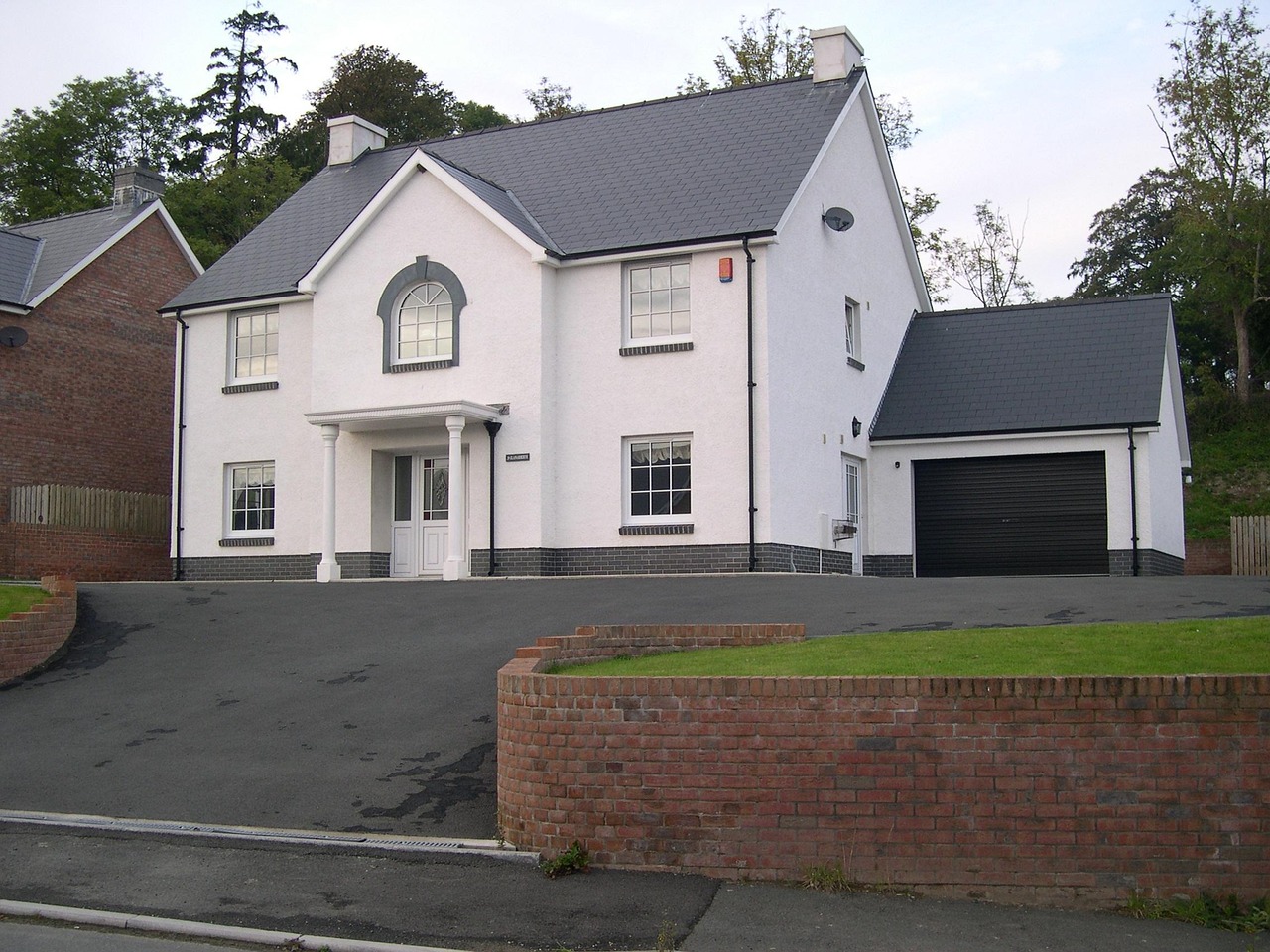
Maintaining optimal air quality within an affordable multi-generational ADU for long-term living is paramount for the health and well-being of all residents. As these spaces often serve diverse generations with varying needs, from young professionals to aging relatives, ensuring a clean and healthy environment is a multifaceted challenge. Trusted ADU experts from the National Association of Home Builders and the US Department of Housing and Urban Development (HUD) emphasize the importance of proper ventilation, regular cleaning, and source control for pollutants.
One of the key adu maintenance tips for multi-generational living is to implement efficient ventilation systems. This includes both mechanical ventilation, such as range hoods and exhaust fans, and natural ventilation like strategically placed windows. Proper ventilation helps to reduce the buildup of indoor air pollutants (IAPs) like volatile organic compounds (VOCs), which can emanate from various sources like cleaning products, furniture, and building materials. Regular cleaning practices, including dusting, vacuuming, and mopping, are crucial for minimizing the accumulation of allergens, dust mites, and pet dander, which can negatively impact respiratory health, particularly for elderly residents and those with allergies.
To these practices, trusted ADU experts advocate for source control of air pollutants. This involves selecting readily available and low-emitting materials and products during the initial design and construction phases. Opting for low-VOC paints, finishes, and furniture can significantly reduce the emission of harmful chemicals. Similarly, choosing energy-efficient appliances and lighting reduces the generation of heat and humidity, which in turn minimizes the growth of mold and mildew-common indoor air quality issues that can negatively affect all residents, especially those with compromised immune systems. By implementing these adu maintenance tips, affordable multi-generational ADUs can foster healthier living environments for every generation.
Structural Integrity: Regular Inspections Matter

Structural integrity is paramount when considering an ADU for multi-generational living. Regular, thorough inspections are vital to ensuring the longevity and safety of the space, protecting both the residents and the investment. These inspections should be conducted by trusted ADU experts familiar with the unique requirements of multi-generational housing. They can identify potential issues, from foundation cracks to electrical overload, and offer cost-saving adu building tips tailored to your specific needs.
Local ADU specialists near me can provide ongoing maintenance guidance, recommending preventive measures like regular roof inspections, sealing against moisture intrusion, and checking for termite damage. These proactive steps not only protect against structural failures but also help maintain the value of the property. A local expert might suggest specific types of insulation for soundproofing between generations or recommend energy-efficient upgrades that could reduce utility costs for all residents. By involving specialists from the outset, you can ensure the ADU meets the needs of current and future generations, fostering a safe and harmonious living environment.
Beyond the financial savings, regular inspections by trusted professionals can offer peace of mind. They provide a comprehensive view of the ADU's condition, allowing for quick repairs and minimizing disruptions to the household. The US Department of Housing and Urban Development (HUD) emphasizes the importance of maintaining safe and healthy living spaces, aligning with the goals of an ADU for multi-generational living. By following this expert-led approach, you're not just investing in a structure; you're creating a vibrant, lasting home for generations to come.
Efficient Energy Use in ADUs for All Ages

Efficient energy use in ADUs for multi-generational living is a key factor in ensuring these spaces are not only comfortable but also cost-effective for all ages. When designed and maintained properly, ADUs can significantly reduce utility costs, making them a viable and affordable option for growing families and aging in place.
One of the best places to start is with smart insulation and air sealing. Proper insulation in walls, attics, and floors helps maintain comfortable indoor temperatures, reducing the load on heating and cooling systems. Air sealing measures, such as sealing gaps around doors and windows, prevent drafts and improve overall energy efficiency. Using energy-efficient appliances and lighting, like LED bulbs, can further reduce energy consumption.
Readily available ADU options, such as modular or prefab units, offer cost-saving adu building tips. These methods involve less on-site construction, reducing labor costs and minimizing construction waste. These units often come with energy-efficient features already installed, streamlining the maintenance process. Regular adu maintenance tips for long-term multi-generational living include scheduling routine inspections, addressing any leaks promptly, and keeping HVAC systems well-maintained. These simple steps can prevent costly repairs down the line and ensure the ADU remains a comfortable and efficient space for years to come.
Property management companies specializing in ADUs can help with long-term energy optimization. They might recommend and oversee energy audits, identify areas for improvement, and implement cost-saving measures. Engaging with local community centers or neighborhood associations can also foster a culture of sustainable living, sharing resources and best practices for efficient energy use in ADUs. By adopting these strategies, multi-generational households can enjoy the benefits of an affordable ADU while minimizing their environmental footprint.
Accessible Design for Multi-Generational Comfort

In designing an affordable multi-generational adu, accessibility is key to ensuring comfort and ease of living for all family members, regardless of age or physical ability. The National Association of Home Builders (NAHB) emphasizes the importance of universal design principles, which focus on creating spaces that accommodate a wide range of users. Wide doorways and corridors allow for easy navigation with wheelchairs or walkers, while lower light switches and electrical outlets cater to those with limited mobility. Incorporating these features not only enhances accessibility but also adds to the long-term value of the property, making it a more viable investment for multi-generational living.
Cost-effective multi-gen housing doesn't have to compromise on quality or comfort. By prioritizing accessible design from the outset, families can create a space that is functional and inviting for all generations. The US Department of Housing and Urban Development (HUD) offers guidelines and resources for designing accessible homes, ensuring that the adu is not only compliant with local building codes but also aligns with the latest industry standards. Ensuring adequate clearances around fixtures and counters can accommodate residents of various heights and abilities, while well-placed grab bars in bathrooms can provide added safety for aging family members.
When considering adu reviews and ratings, accessibility matters in the overall satisfaction of homeowners. According to the ADU Research Institute, many families look for evidence of good accessibility when evaluating potential adu projects. This can include features like ramp access, lever-handled doors, and grab bars. Offering these features not only enhances the comfort of residents but also demonstrates a commitment to long-term, multi-generational living. Understanding the financial aspects of adu construction is crucial. Financing options for families, whether 1-3 times the cost of a typical renovation, can be made more manageable with a thoughtful design that minimizes the need for costly modifications in the future. Property management companies and local community centers can also play a role in supporting the needs of diverse residents, ensuring that the adu is not only a place to live but a hub for community engagement and caregiving support.
Regular ADU Maintenance: A Practical guide
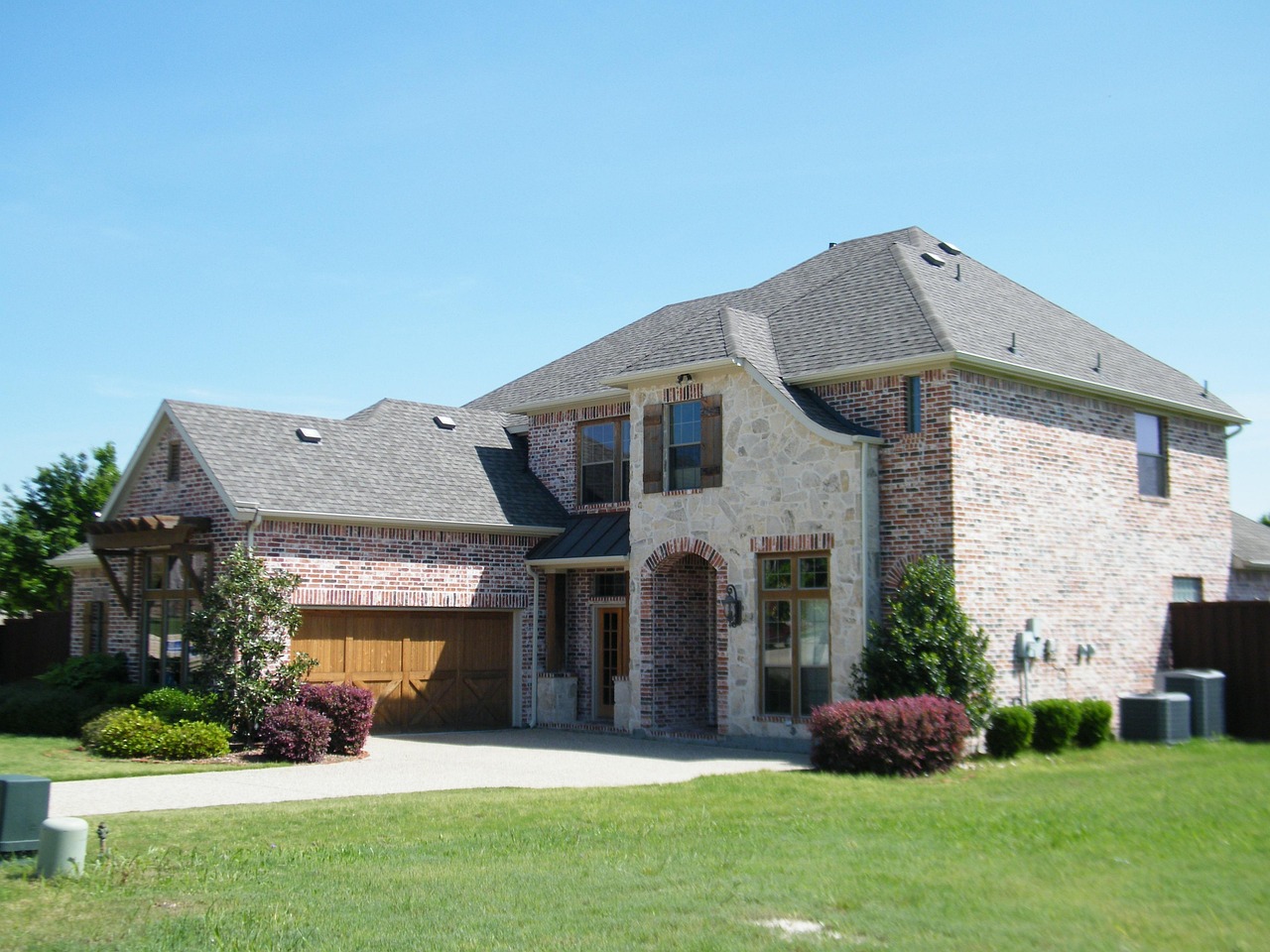
Regular ADU maintenance is a cornerstone of successful multi-generational living, ensuring safety, comfort, and longevity for all residents. Unlike traditional homes, ADUs present unique challenges due to their often smaller size, shared spaces, and potentially diverse user needs. A proactive maintenance plan, therefore, becomes even more critical. This involves a multi-faceted approach that combines same-day adu estimates, proactive inspections, and clear communication among all stakeholders.
Start by scheduling regular, annual inspections with a qualified, experienced contractor. This expert eye can identify potential issues, from faulty wiring to water damage, early on, preventing minor problems from becoming costly repairs. Keep in mind that communication is key, especially in shared ADUs. Overcoming communication barriers is essential to ensure everyone's needs are met. Involve all residents in the inspection process, explaining findings in simple terms and allowing them to voice any concerns. Same-day adu estimates can provide immediate peace of mind, giving you a clear picture of potential repairs or upgrades needed. This transparency fosters trust and collaboration, allowing for timely addressing of any issues.
Beyond routine checks, establish a clear maintenance checklist tailored to your ADU's unique layout and resident requirements. This should include tasks like cleaning common areas, testing smoke and carbon monoxide detectors, and ensuring proper ventilation. Consider engaging a property management company or utilizing community resources, like local churches or community centers, to help facilitate communication and coordinate maintenance efforts. By implementing these strategies, you can ensure your affordable multi-generational ADU remains a safe, comfortable, and welcoming space for all.
As we conclude, it's clear that reliable ADU maintenance for multi-generational living is a holistic process that encompasses various aspects from waterproofing to air quality. By integrating essential maintenance checks, efficient energy use, and accessible design, homeowners can ensure their ADU remains a safe, healthy, and comfortable space for all ages. Regular inspections, as emphasized in our guide, are crucial to catching potential issues early, saving costs in the long run, and promoting the longevity of the structure.
Leveraging the insights from organizations like the ADU Research Institute, National Association of Home Builders, and US Department of Housing and Urban Development, we've highlighted practical steps that cater to both homeowners and professionals involved in ADU for multi-generational living. From involving local building departments and state housing authorities for legal and financial aspects, to collaborating with architectural designers, interior designers, and home stagers for optimal client services, this practical guide provides a solid foundation for successful, long-term ADU maintenance.
By prioritizing community and caregiving impact through amenities like community centers and neighborhood associations, we've underscored the broader benefits of ADUs-fostering connections and support networks across generations. Moving forward, the key takeaway is that proactive ADU maintenance is an investment in the well-being and harmony of multi-generational households, ensuring that these spaces remain functional, comfortable, and vibrant for years to come.
Maintaining a successful multi-generational ADU requires thoughtful design, local specialist engagement, and proactive maintenance. Focus on adaptable spaces, accessibility, energy efficiency, and regular inspections. Financial planning, community support, and expert guidance ensure its longevity and functionality for diverse residents.