The demand for affordable housing that accommodates multi-generational families is rising, driven by factors like aging populations and changing living arrangements. This trend necessitates exploring innovative solutions, with ADU for multi-generational living at the forefront. The challenge lies in finding local experts who can design and build these spaces to meet diverse needs, from private suites for aging relatives to shared common areas fostering community engagement. This article guides readers through the process of locating skilled professionals who specialize in ADUs, ensuring a well-integrated and functional living environment for multiple generations. By understanding the legal, financial, and design aspects, readers can make informed decisions, ultimately enhancing family dynamics and community connections.
- Understanding ADUs for Multi-Gen Living: Basics Explained
- Identifying Your Community's ADU Regulations and Permits
- Locating Reliable Local ADU Contractors and Designers
- Evaluating ADU Cost and Financing Options for Multi-Gen Homes
- Designing an Affordable, Multi-Gen ADU Space for Your Property
- Navigating Building Process: Timelines and Project Management
- Ensuring Safety, Accessibility, and Comfort in Your ADU for All Generations
- Maximizing Value: Benefits of ADUs for Multi-Gen Households
Understanding ADUs for Multi-Gen Living: Basics Explained
When considering an affordable multi-generational adu as a solution for multi-gen living, understanding the core concepts of ADUs for this specific purpose is crucial. ADUs, or accessory dwelling units, have emerged as a popular option for creating additional living spaces within existing properties, catering to the diverse needs of multi-generational households. This approach, known as an adu-for-multi-generational-living, offers flexibility and the opportunity to bring family members or caregivers under one roof while maintaining privacy and independence.
An adu-for-multi-generational-living can take various forms, from converted attics or basements to standalone structures in the backyard. These additional spaces can serve as private apartments for aging relatives, adult children returning home, or even as a dedicated caregiving area. A recent study by the ADU Research Institute highlighted the growing trend of older adults opting for multi-gen living arrangements, with many choosing to downsize to an ADU for its convenience and cost-effectiveness. However, navigating the legal and financial aspects of these projects can be complex. Local building departments and state housing authorities have specific codes and regulations regarding ADU construction, and consulting with professionals is essential.
Beyond the initial setup, proper adu maintenance tips for long-term multi-gen living are vital. Regular upkeep ensures the space remains functional, safe, and comfortable for all occupants. This includes addressing ventilation, lighting, and accessibility concerns, as well as considering the unique needs of each generation. Incorporating smart home technology can enhance accessibility for seniors while providing convenience for younger residents. Integrating community and caregiving resources, such as local churches or neighborhood associations, can foster a supportive environment for multi-gen living, making the most of these shared living arrangements.
Identifying Your Community's ADU Regulations and Permits
Identifying your community's specific regulations and permits for adu-for-multi-generational-living is a crucial step in bringing your affordable multi-generational ADU vision to life. Local building departments often have detailed guidelines governing these additions, which can vary widely from one neighborhood to another. Before you begin, research and understand the unique requirements in your area. The National Association of Home Builders (NAHB) and the US Department of Housing and Urban Development (HUD) offer valuable resources and guidelines for ADU development, which can serve as a starting point. However, always consult your Local Building Department for precise codes and permit procedures.
The process starts with a thorough review of local zoning ordinances, which dictate land use and building regulations. Some areas may have specific restrictions on ADU size, set-back requirements, and accessibility considerations. A neighborhood association might have guidelines on exterior design to maintain the aesthetic character of the community. Once you comprehend these regulations, you can begin the permit application process, which typically involves submitting detailed plans and specifications. Many communities offer same-day adu estimates for preliminary ideas, but for a comprehensive understanding of what's required, professional consultation is essential.
Top-rated multi-gen ADU services employ architects and designers who are adept at navigating these regulations while creating niche adu designs tailored to the unique needs of multi-generational families. They can guide you through the permit process, ensuring your project complies with local laws. An experienced team might recommend a specific layout to maximize accessibility and privacy for different age groups, or suggest energy-efficient solutions that align with community sustainability goals. By engaging professionals who specialize in this niche, you can transform your ADU from a regulatory hurdle into a seamless, functional extension of your home that caters to the needs of your entire family.
Locating Reliable Local ADU Contractors and Designers
Finding reliable local experts for your affordable multi-generational ADU is crucial for a successful project. When looking for ADU contractors and designers, consider the unique needs of multi-gen living. These professionals should not only have expertise in ADU construction but also a deep understanding of how to create tailored spaces that accommodate diverse family dynamics.
Community engagement through ADUs is becoming a significant trend, reflecting consumer preferences for multi-gen housing solutions. Reliable contractors will be attuned to these shifts, offering designs that blend seamlessly with existing neighborhoods while providing the necessary privacy and independence for each generation. An experienced designer might incorporate shared living spaces that double as community hubs, fostering connections between family members while respecting personal boundaries.
The search for local experts should involve thorough background checks and client testimonials. Review local building department records to verify licenses and permits, ensuring compliance with the latest codes for ADU construction. Consult with state housing authorities and local community centers to gain insights into successful ADU projects and reputable contractors. This multi-faceted approach ensures you select a team capable of bringing your vision for a functional, beautiful, and legally compliant multi-gen ADU to life.
The best contractors and designers will prioritize your family's unique needs and preferences. They should be adept at translating your ideas into tailored ADU designs that cater to the specific requirements of multi-gen living. Whether focusing on accessibility features for aging family members, shared spaces that encourage intergenerational bonding, or private retreats for teenagers, these experts will collaborate with you to create a space that reflects your family's distinct identity and enhances your community's fabric.
Evaluating ADU Cost and Financing Options for Multi-Gen Homes
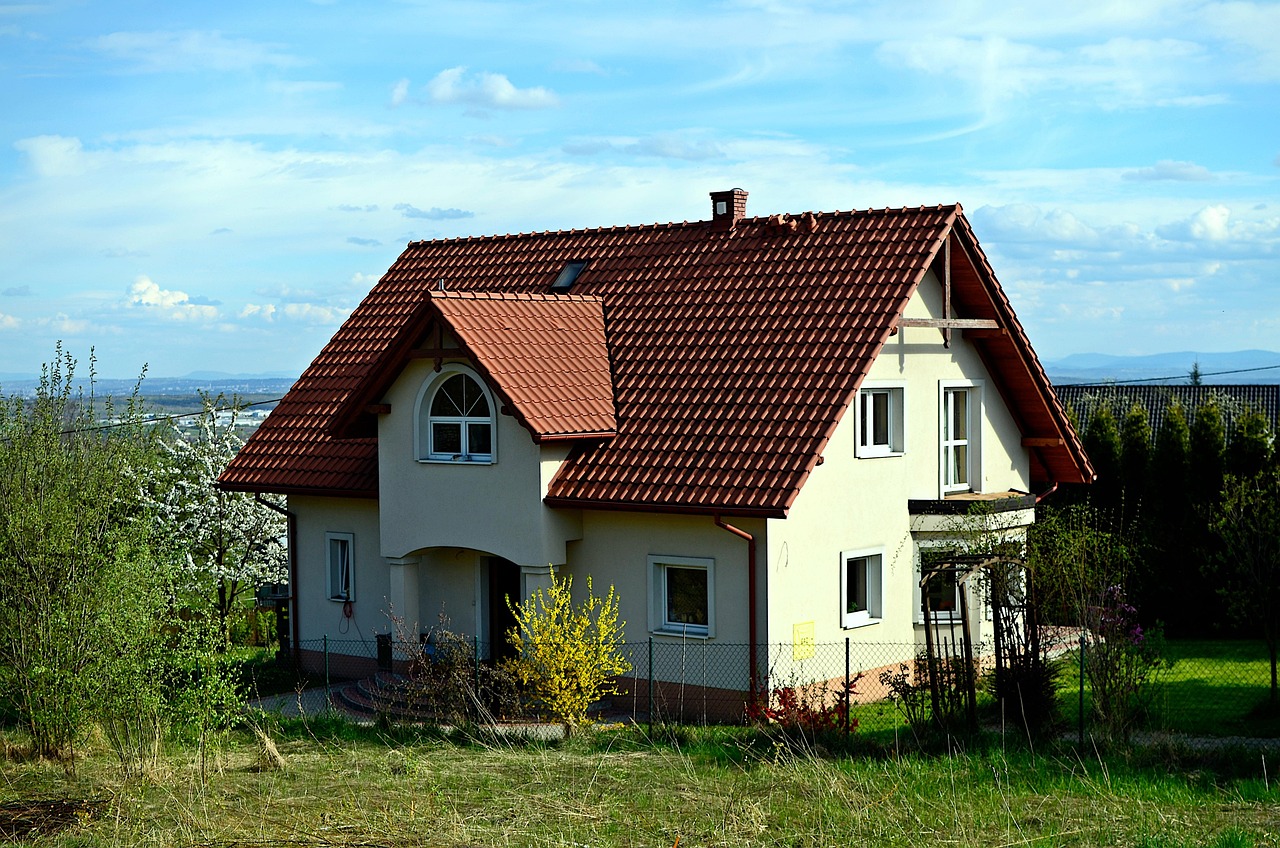
When considering an affordable multi-generational adu, evaluating cost and financing options is crucial for a successful project. Tailored adu designs for multi-gen families offer a practical solution to accommodate diverse needs, while also being cost-effective. The first step is to understand the various expenses involved in construction, which can include site preparation, building materials, labor, and permits.
Sustainable adu construction practices can significantly reduce these costs and provide long-term savings. Using energy-efficient materials, proper insulation, and advanced building techniques can minimize utility bills and enhance the home's overall value. Many local building departments now offer incentives for green building practices, further encouraging cost-effective multi-gen housing. Once the budget is established, exploring financing options becomes key. Traditional mortgages may not always be suitable, so exploring alternatives like Community Development Block Grants (CDBs) or loans specifically designed for ADU projects can be beneficial.
The National Association of Home Builders (NAHB) emphasizes the importance of working with a qualified financial advisor to understand tax benefits, grants, and other resources available for multi-generational living. Engaging with property management companies and interior designers who specialize in ADUs can provide tailored insights into both the design and financial aspects of your project. A well-planned ADU can not only add a new living space but also generate rental income, making it a savvy investment for multi-gen households. A thorough cost-benefit analysis and strategic financing will ensure your adu for multi-generational living is a successful and sustainable venture.
Designing an Affordable, Multi-Gen ADU Space for Your Property
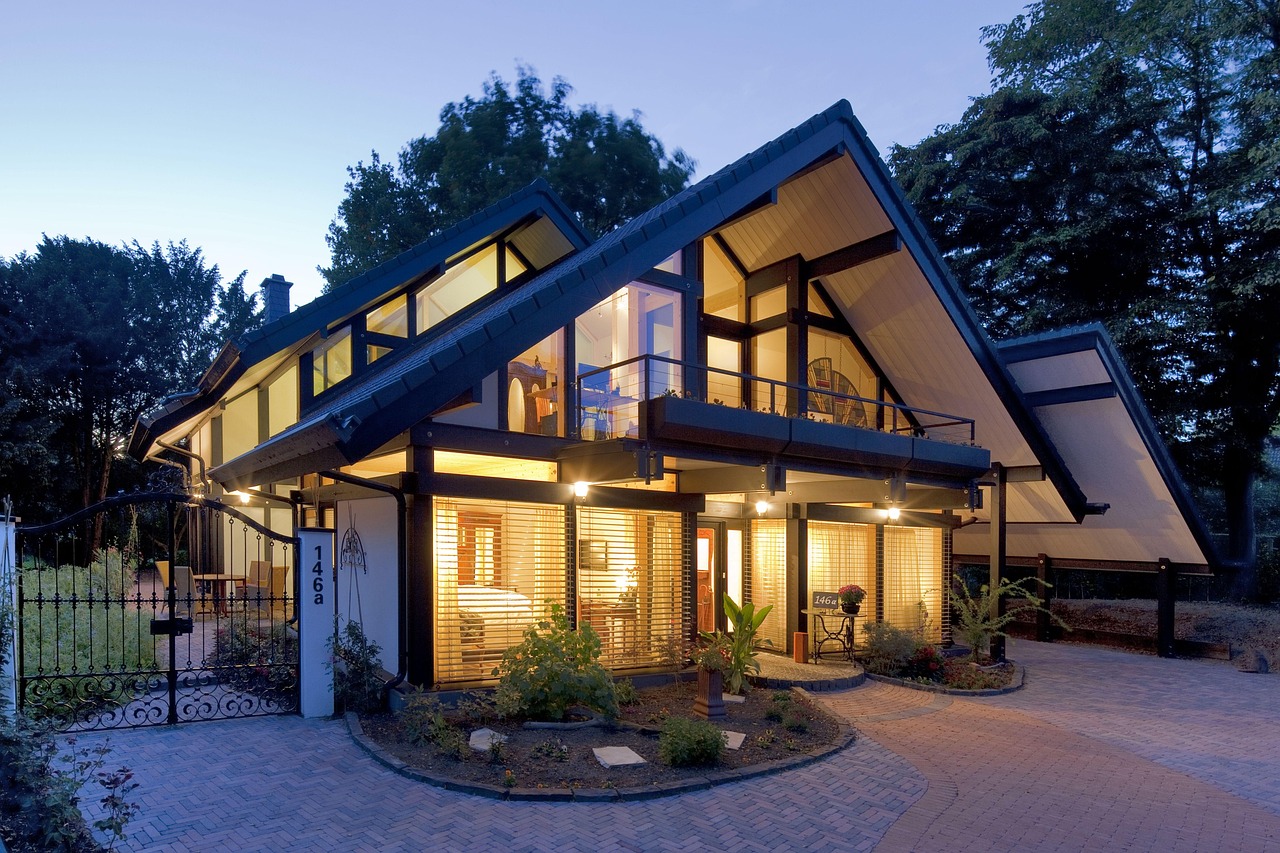
When designing an affordable, multi-gen ADU space for your property, the goal is to create functional, comfortable, and cohesive living areas for diverse generations. Navigating building codes for ADU projects can be complex, but trusted ADU experts can guide you through the process. Start by understanding local regulations and building standards, which can vary significantly. Some areas may have specific requirements for parking, set-backs, and accessibility. Engaging with a team of architects, interior designers, and property managers who specialize in multi-gen ADU spaces is a smart first step. They can help you configure the layout to accommodate varying needs and preferences while staying within budget and code requirements.
Consumer preferences for multi-gen ADUs often include open floor plans that facilitate interaction and privacy, as well as adaptable spaces that can serve multiple purposes. Consider a flexible living area that doubles as a home office for working adults and a play area for children. Incorporate shared spaces like a communal kitchen or dining room that encourage intergenerational bonding. The US Department of Housing and Urban Development (HUD) and the National Association of Home Builders (NAHB) have published guidelines and research on successful multi-gen housing designs, which can serve as valuable resources.
Legal and financial aspects of ADU projects should not be overlooked. Consult with a financial advisor to understand the costs involved and explore potential tax benefits. Local Building Departments and State Housing Authorities can provide insights into permits, inspections, and cost estimates. Consider the impact on your property's value and the potential for long-term rental income if you plan to rent out the ADU space. Engaging with trusted professionals who understand both the design and legal aspects of ADUs will ensure a smoother process and a final product that meets your multi-generational living needs.
Community and caregiving dynamics also play a significant role in designing an effective multi-gen ADU. Local Community Centers, Churches, and Neighborhood Associations can offer insights into the specific needs of your area. Some communities may have a higher concentration of aging caregivers who require assistance with tasks like gardening or home maintenance. Integrating these needs into your ADU design-such as setting up a private entrance or adding a small apartment for a caregiver-can enhance the functionality and appeal of your space.
Navigating Building Process: Timelines and Project Management
Navigating the construction process for an affordable multi-generational ADU (adu-for-multi-generational-living) can seem daunting, but with the right licensed adu contractors near me, the journey becomes smoother. Effective project management is key, ensuring your vision is realized within the desired timeline and budget. This involves clear communication, detailed planning, and adhering to local building codes.
Most ADU installations take one to two days, but complex projects may extend this. A licensed contractor will create a detailed timeline, breaking down the process into manageable stages. This includes obtaining necessary permits from local building departments, which can take several weeks. The US Department of Housing and Urban Development (HUD) and state housing authorities often offer resources and grants to support ADU development, so early permit application is crucial.
During construction, regular updates and site visits with your contractor are essential. This allows you to track progress, address any concerns, and make adjustments if needed. ADU reviews and ratings from previous clients can be invaluable in this process, offering insights into a contractor's reliability and quality of work. Once complete, a final inspection ensures your ADU meets all safety and code requirements before it's occupied. This meticulous approach to project management results in a well-coordinated build, delivering your multi-generational living space on time and to your satisfaction.
Ensuring Safety, Accessibility, and Comfort in Your ADU for All Generations

Creating a safe, accessible, and comfortable space for all generations in an ADU for multi-generational living is paramount. As the National Association of Home Builders and the US Department of Housing and Urban Development emphasize the growing need for these homes, it's crucial to navigate building codes and tailor designs to suit diverse family needs.
When adapting an existing space or constructing a new ADU, local building departments enforce codes designed to ensure structural integrity, safety, and accessibility. Understanding these codes is essential for a successful project. The Community Development Block Grant program often requires compliance with specific guidelines to promote affordable housing. Engaging with your local building department early in the process helps avoid costly delays and ensures your ADU meets all necessary safety standards.
Tailored adu designs for multi-gen families must consider the unique needs of each generation. This could include wider doorways and hallways for mobility aids, enhanced lighting for low-vision seniors, or built-in seating areas for young children. Property management companies and interior designers specializing in ADUs for multi-generational living can provide expert advice. They understand the importance of creating a space that fosters intergenerational connections while catering to individual comfort and safety.
Community engagement is another key aspect of successful multi-gen ADUs. Local churches, community centers, and neighborhood associations can serve as valuable resources, offering insights into community needs and preferences. Incorporating shared spaces designed for all ages-from play areas for children to common areas for social gatherings-can strengthen the sense of community. A nearby community center might host intergenerational programs, further enriching the living experience.
Maximizing Value: Benefits of ADUs for Multi-Gen Households

The benefits of ADUs for multi-generational living are numerous, offering a practical solution for modern families and caregivers. By incorporating an additional dwelling unit onto a property, families can create a dedicated space for aging relatives or young adults returning home, fostering a sense of community and support within the household. This innovative approach to housing not only maximizes space but also provides a valuable network of care and companionship.
One of the key advantages is the flexibility it offers. ADUs for multi-gen households can serve as independent living spaces for older adults, enabling them to stay in their homes while receiving the assistance they need. This is particularly beneficial for caregivers, as it eases the burden of providing care in their own homes and allows them to maintain a sense of normalcy. These additional units can accommodate a range of needs, from providing a private suite for a returning college student to offering a safe and accessible space for a family member with disabilities.
Financing these projects is also becoming more accessible, with various options tailored for families. Many local builders offer packages that include design, construction, and even financing, making the process more manageable. Some builders partner with financial advisors who can guide families through government programs, such as the Community Development Block Grant, or explore ADU financing options that align with their budget. This holistic approach ensures that the benefits of ADUs for multi-generational living are not just accessible but achievable for a wider range of families.
The presence of ADUs in neighborhoods can enhance community engagement and caregiving support. Local churches, community centers, and neighborhood associations can collaborate to create a network of resources for multi-gen households, fostering a sense of belonging and mutual aid. By integrating ADUs into the fabric of these communities, neighbors become more aware of each other's needs, leading to stronger support systems and improved quality of life for all residents.
Frequently Asked Questions About Near Me: Finding Local ADU Experts for Multi-Gen Living
What is an affordable multi-generational ADU (Accessory Dwelling Unit)?
An affordable multi-generational ADU is a secondary dwelling within a primary residence, designed to accommodate multiple generations living together. It offers a cost-effective solution for families, providing additional space while fostering intergenerational connections. These units are typically smaller and more budget-friendly than standalone homes, often incorporating creative space-saving designs.
Why would a family consider a local ADU expert for multi-gen living?
Families opt for local ADU experts when seeking a tailored solution for their unique multi-generational housing needs. An expert can offer specialized knowledge, ensuring the ADU is functional, safe, and legally compliant. They can also provide guidance on cost-effective materials and designs, space planning, and project management, creating a harmonious living environment for all generations.
How do I find qualified local ADU experts in my area?
Start by researching online directories, trade associations, and local building departments for listings of certified ADU contractors. Check online reviews and ask for referrals from trusted sources. Verify their licenses, insurance, and experience in designing and installing multi-generational ADUs to ensure they meet your specific requirements.
What are the benefits of having an ADU for multi-gen living?
An ADU offers numerous advantages for multi-generational families, including increased living space, cost savings, intergenerational bonding, and flexibility. It can provide independent living for older relatives while allowing younger generations to stay connected. These units promote a sense of community and can be adapted to meet changing family needs over time.
How long does the process of installing an ADU typically take?
The installation process usually takes one to two days, depending on the size and complexity of the project. This includes obtaining permits, preparing the site, construction, and final inspections. It's crucial to work with a reputable contractor who can provide a clear project timeline and keep you informed throughout the process.
What are some design considerations for an ADU in a multi-gen household?
When designing an ADU for multi-gen living, consider each generation's needs and preferences. Include private spaces for individuals while providing common areas for family gatherings. Ensure accessibility for all ages, install safety features, and incorporate adaptable design elements to accommodate future changes. Natural lighting, efficient storage, and well-defined areas contribute to a comfortable and functional living environment.
As you've navigated this practical guide to creating an affordable multi-generational ADU, several key insights emerge. First, ADUs for multi-gen living offer significant benefits, from expanded housing options to stronger communities, as backed by the ADU Research Institute and the National Association of Home Builders. Understanding local regulations, as detailed by the US Department of Housing and Urban Development, is crucial for a smooth building process, which typically spans one to two days.
Engaging reliable experts, from architectural designers to property management companies, is essential for achieving your vision. The article has provided strategies to locate these professionals, ensuring they align with your needs. Cost evaluation and financing options, including Community Development Block Grant opportunities, have been explored, empowering you to make informed economic decisions.
Designing an inclusive, accessible space that caters to all generations requires thoughtful consideration, as discussed in the safety, accessibility, and comfort section. The design process should also align with your community's unique needs, leveraging local churches, community centers, and neighborhood associations.
Finally, maximizing the value of your ADU involves recognizing its benefits beyond housing. An ADU for multi-gen living can strengthen community ties, support aging in place, and create intergenerational opportunities. With this knowledge, you're now equipped to make informed choices and embark on your ADU journey, ensuring a well-integrated and supportive living environment for your family across generations.
An adu-for-multi-generational-living offers flexible, affordable housing for diverse family needs. It requires understanding local regulations, careful planning, and tailored design. Key aspects include navigating building codes, engaging community resources, and ensuring safety, accessibility, and comfort for all generations. Benefits include enhanced intergenerational connections, improved caregiving, and stronger community engagement.