
In today's diverse households, the need for affordable, flexible living arrangements that accommodate multiple generations is more pressing than ever. The concept of ADUs (Accessible/Additional Dwelling Units) for multi-generational living offers a promising solution, enabling families to live together seamlessly while maintaining privacy and independence. However, finding local experts who specialize in these tailored ADU designs can be challenging. This article guides you through the process of identifying and collaborating with local professionals who can create functional, aesthetically pleasing ADUs that enhance family dynamics and support intergenerational caregiving. By following these steps, you'll be well on your way to realizing the benefits of ADUs for multi-generational living in your community.
- Understanding ADU for Multi-Generational Living: The Modern Solution
- Defining Your Needs: A Multi-Gen ADU Checklist
- Locating Reliable ADU Experts: Key Considerations
- Site Assessment and Permits: Essential Steps Before Construction
- Design Options: Creating Harmonious Multi-Gen Spaces
- Building and Installation: Efficient, Safe ADU Construction
- Legal and Financial Aspects: Navigating Regulations and Costs
- Post-Construction: Optimizing Your Multi-Gen ADU Experience
Understanding ADU for Multi-Generational Living: The Modern Solution
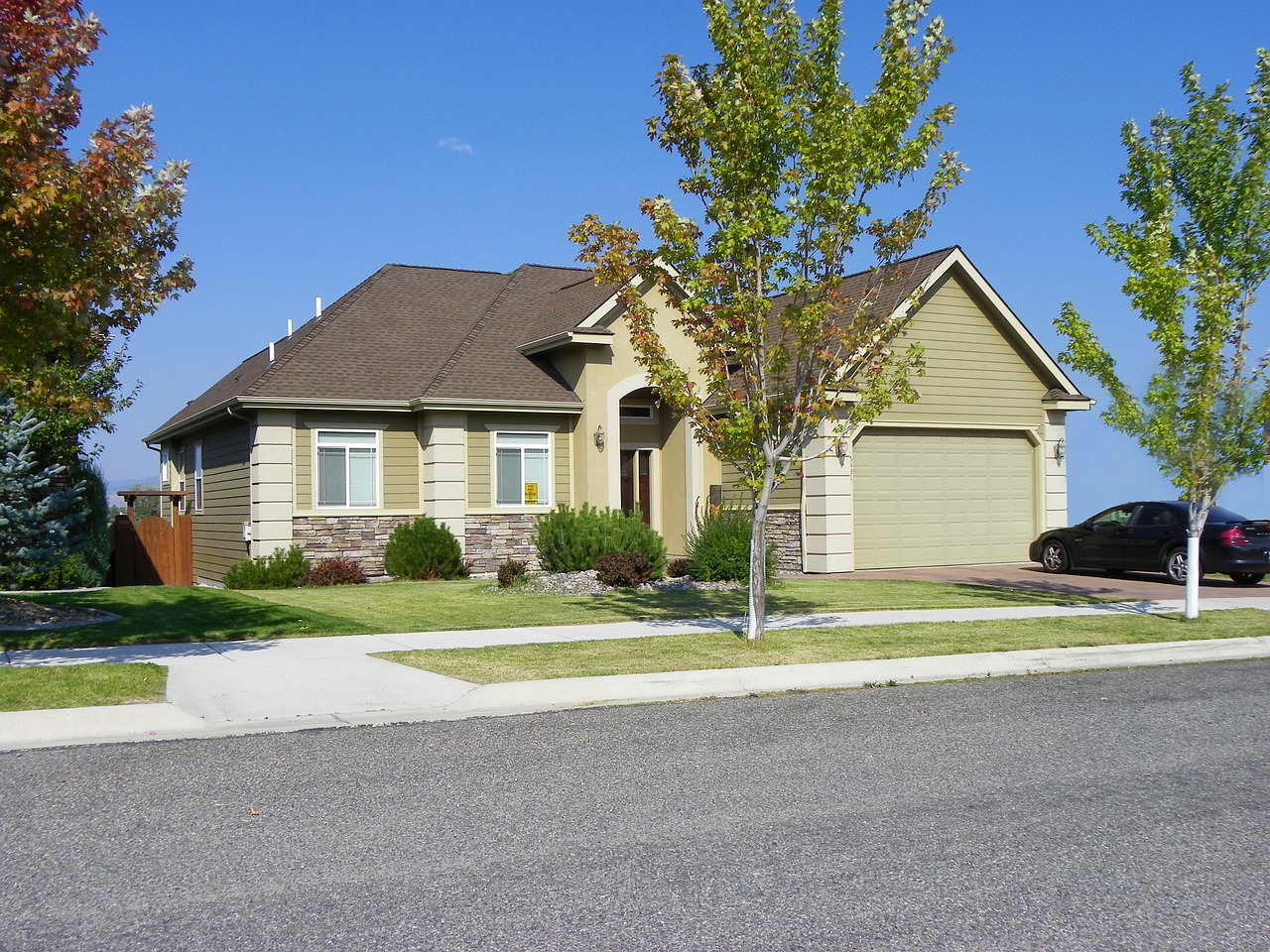
The concept of multi-generational living has evolved significantly, and one modern solution gaining traction is the affordable multi-generational ADU (Accessory Dwelling Unit). This type of living arrangement not only addresses housing affordability but also fosters deeper connections between generations. Understanding ADU for multi-generational living is crucial for families seeking to create intergenerational spaces that promote both financial and emotional support.
Navigating building codes for ADU projects is a key aspect of bringing this vision to life. Local building departments enforce regulations that can vary widely, affecting everything from zoning to structural requirements. Some areas may require a specific distance between primary residences and ADUs, or mandate certain safety features. Families interested in ADU for multi-generational living should consult with their local departments early in the process to ensure compliance. The US Department of Housing and Urban Development (HUD) and state housing authorities often provide resources and guidance on these matters, helping to demystify the code for prospective ADU developers.
To ensure long-term viability, maintaining your ADU is essential. Regular upkeep involves both structural maintenance and aesthetic care, similar to any other home. However, with multi-generational living, there may be unique considerations. Adapting spaces to accommodate different ages and abilities, or ensuring common areas remain inviting for all residents. ADU maintenance tips for long-term multi-gen living can be tailored to the specific needs of your family, incorporating the evolving requirements of each generation. Property management companies specializing in ADUs can offer expert advice and support, helping to keep your space functional, safe, and appealing for years to come.
The design of your ADU matters in fostering a sense of community and caregiving within your family. Tailored ADU designs for multi-gen families aim to create spaces that accommodate diverse needs while promoting interaction. This could include private quarters for older adults who may require more independence, while also providing shared spaces for meals, hobbies, and quality time. Architectural and interior designers, as well as home stagers, can work with your family to create a layout that respects privacy while encouraging meaningful connections. Community centers, local churches, and neighborhood associations can also serve as valuable resources, offering insights into the design and functionality that enhance multi-generational living.
Defining Your Needs: A Multi-Gen ADU Checklist

When considering an ADU for multi-generational living, defining your specific needs is crucial. This process involves understanding the unique dynamics and requirements of your family or community. Here's a checklist to guide you:
-
Space Requirements: Determine the amount of living space needed for each generation. Consider individual privacy, shared areas, and common spaces. Think about age-appropriate bedrooms, bathrooms, and living areas. A multi-generational home might include a private suite for elderly relatives, shared kitchen and dining spaces, and a kids' play area.
-
Privacy and Separation: Ensure there's enough space and separation between generations for comfort and privacy. This is especially important for younger children and adolescents who may need their own areas while older adults prefer more social interactions.
-
Sustainable Construction: If environmental sustainability is a priority, consider an eco-friendly ADU construction. This includes energy-efficient appliances, insulation, lighting, and natural ventilation. Sustainable ADU construction not only benefits the environment but can also reduce long-term operational costs.
-
Affordability and Cost-Effectiveness: Addressing housing affordability is a key advantage of ADUs for multi-generational living. This type of housing solution offers a cost-effective alternative to building a larger home or purchasing multiple properties. Evaluate the budget for construction, maintenance, and any potential long-term savings.
-
Community and Caregiving: Think about the role of the ADU in the community. Will it serve as a gathering space for family events or a place for neighbors to connect? Consider the proximity to caregiving resources, such as local senior centers or health services, which can be crucial for aging family members.
-
Legal and Financial Aspects: Consult with local building departments and state housing authorities to understand zoning laws and permit requirements for ADUs. Engage with financial advisors to explore options like loans, grants (like the Community Development Block Grant), or tax incentives to make the project financially feasible.
-
Design and Aesthetics: Collaborate with architectural and interior designers to create a space that caters to diverse tastes and ages. A well-designed ADU can enhance the overall value of your property while promoting harmony among generations.
By thoroughly addressing these points, you'll be well on your way to finding the perfect local ADU expert for your multi-generational living needs, ensuring a functional, sustainable, and cost-effective solution.
Locating Reliable ADU Experts: Key Considerations

When seeking local experts for affordable multi-generational ADUs, it's crucial to consider several key factors that ensure you find professionals best equipped to handle your unique needs. The goal is tailored ADU designs for multi-gen families that also offer cost-effective multi-gen housing solutions, enhancing caregiving capabilities within your community.
First, verify the expertise of potential ADU specialists by reviewing their past projects and client testimonials. Look for evidence of experience in designing and installing ADUs specifically for multi-generational living. Organizations like the National Association of Home Builders and the US Department of Housing and Urban Development offer resources and insights into the benefits and solutions ADUs provide for aging in place and multi-family households. Engaging with professionals who understand these nuances is paramount.
Another vital consideration is the contractor's familiarity with local building codes and permits, as well as state and federal housing regulations. Local Building Departments and State Housing Authorities can provide guidance on these requirements. Reliable ADU experts will have a proven track record of navigating these complexities, ensuring your project complies with all necessary regulations. This knowledge is essential to avoid costly delays or legal issues during construction.
Consider the role of complementary professionals, such as architectural and interior designers, home stagers, and property management companies. While ADUs themselves are caregiving solutions, tailored designs and staging can enhance their functionality and appeal. Financial advisors can also provide guidance on costs, financing options, and return on investment, ensuring your project aligns with your budget and caregiving objectives. A well-designed ADU could increase property value and provide a source of income through rental, further supporting the overall financial sustainability of multi-gen housing.
Site Assessment and Permits: Essential Steps Before Construction
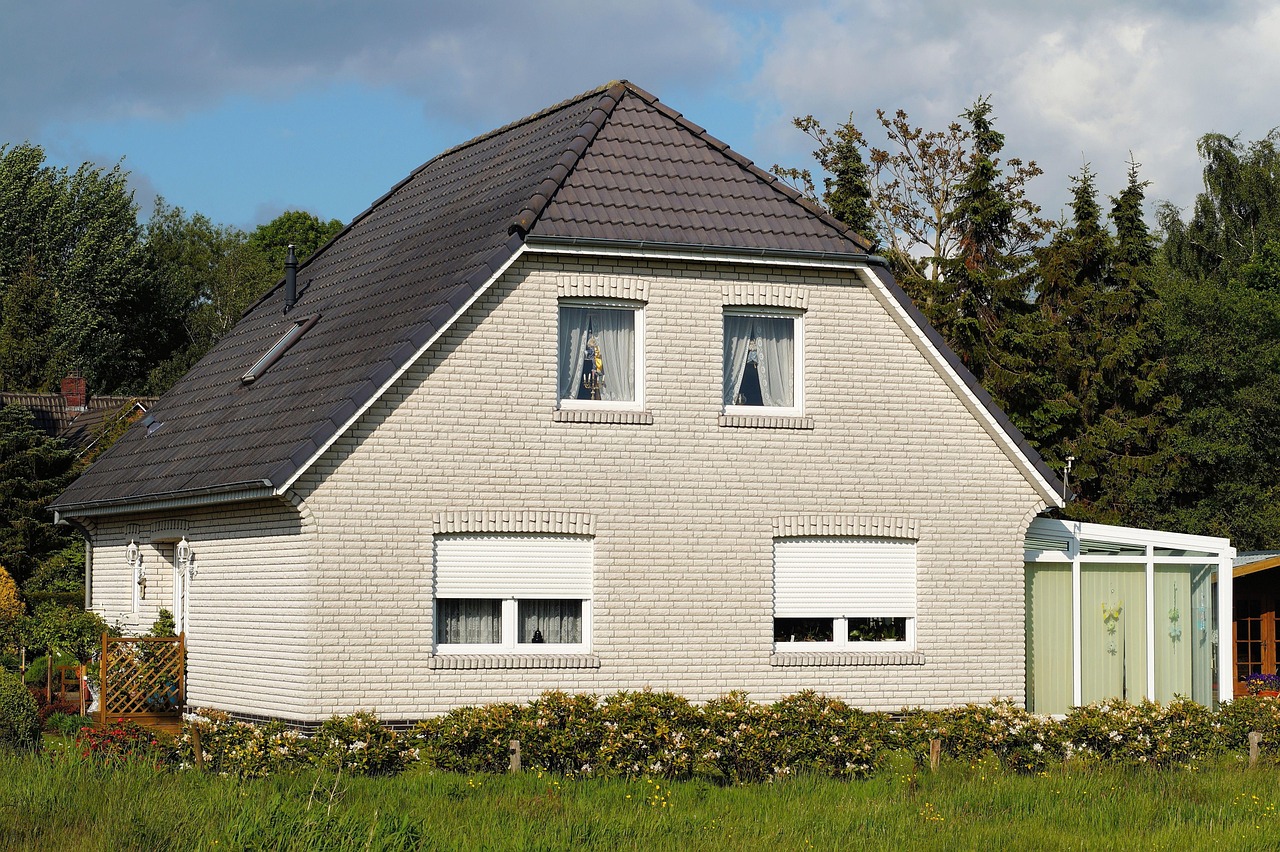
Before breaking ground on an ADU for multi-generational living, there are two critical steps that often get overlooked: site assessment and permit navigation. These foundational aspects are key to ensuring your project is both compliant and successful.
Site assessment involves a thorough evaluation of your property's characteristics, including topography, zoning regulations, and existing infrastructure. A local surveyor might assess the slope, identify potential flood zones, and confirm the property's boundary lines. Understanding these aspects early on allows for informed decision-making regarding the design and placement of the ADU. It's also crucial to research and comprehend your area's specific building codes, as they dictate everything from structural requirements to energy efficiency standards.
Navigating building codes for ADU projects can be complex, given the unique nature of these additions. It's essential to consult with your local building department to ensure your design complies with all regulations. Many jurisdictions now offer online resources for same-day ADU estimates, providing a helpful starting point for understanding permit fees and timeline expectations. Engaging with these departments early can save valuable time and money.
Community engagement is another vital aspect, as ADUs can significantly impact the neighborhood dynamic. Local churches, community centers, and neighborhood associations can provide valuable insights into community needs and expectations. Foraging these interactions not only fosters good relationships but also helps ensure your ADU design aligns with the community's vision for the area. This proactive approach can lead to smoother construction and a more welcomed addition to the neighborhood.
Design Options: Creating Harmonious Multi-Gen Spaces
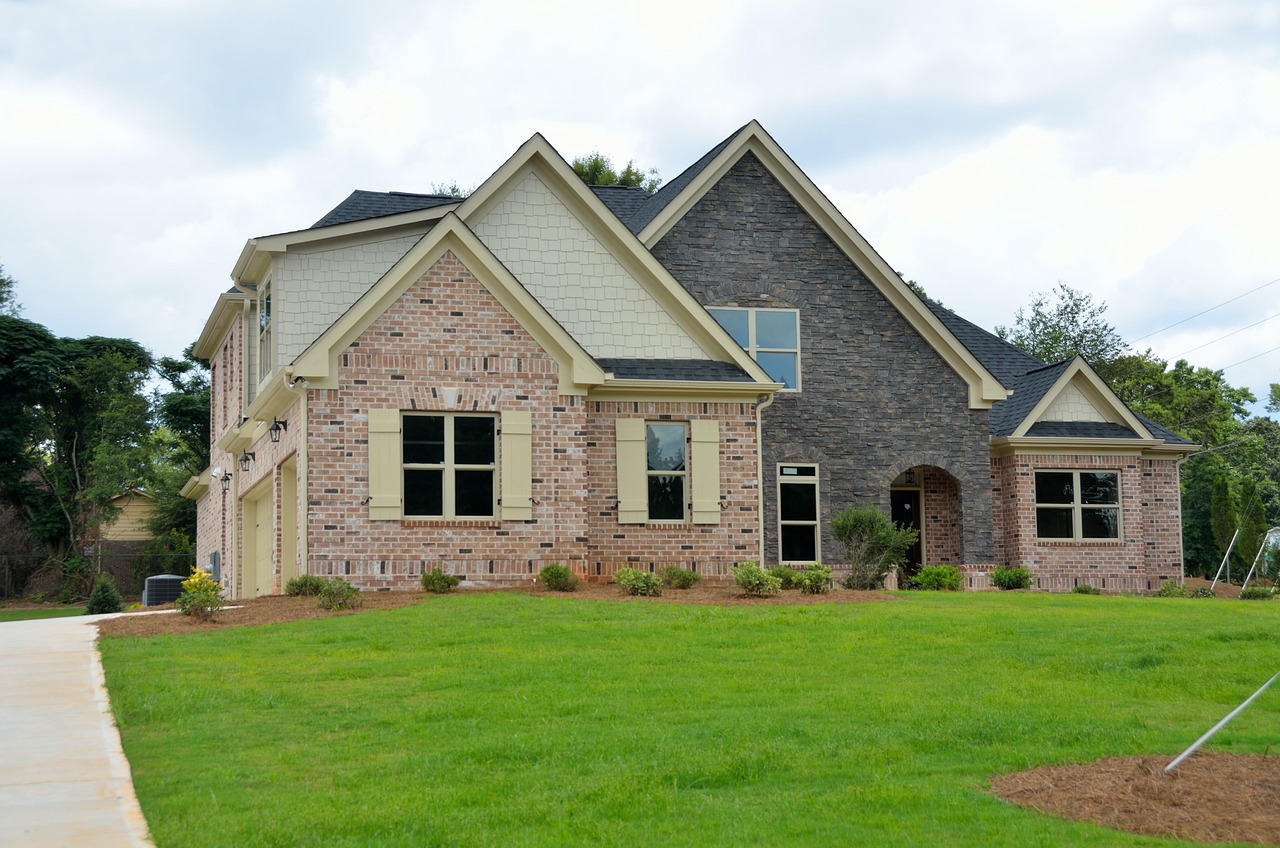
When designing a space for multi-generational living, creating a harmonious environment that caters to the needs of diverse ages is both an art and a science. This is where local ADU (Accessible/Affordable Unit) specialists near me come into play, offering expertise in crafting spaces that bridge the gap between generations. The best local ADU builders understand the unique requirements of each age group, from the mobility needs of seniors to the technological preferences of younger generations.
A well-designed ADU for multi-generational living could incorporate universal design principles to ensure accessibility for all. This might include features like wider doorways, roll-under sinks, and non-slip flooring. At the same time, smart home technology can be integrated to cater to tech-savvy younger occupants, providing convenience and security. The key is to create a space that feels natural and inviting for everyone, not just a collection of accommodations tailored to a single age group.
Local ADU specialists near me also prioritize safety and quality assurance. They work closely with local building departments and state housing authorities to ensure compliance with all relevant codes and regulations. This includes structural integrity, fire safety, and accessibility standards. By involving these experts, property owners can have peace of mind, knowing their ADU is not only functional but also meets the highest safety standards.
These specialists often collaborate with architectural designers, interior designers, and home stagers to create aesthetically pleasing and functional spaces. They understand the importance of a well-designed interior, particularly in fostering a sense of community and caregiving. A shared living area with comfortable seating and a large table can encourage intergenerational conversations and bonding. By combining functionality and aesthetics, local ADU specialists contribute to the overall well-being and social fabric of multi-generational households.
Building and Installation: Efficient, Safe ADU Construction
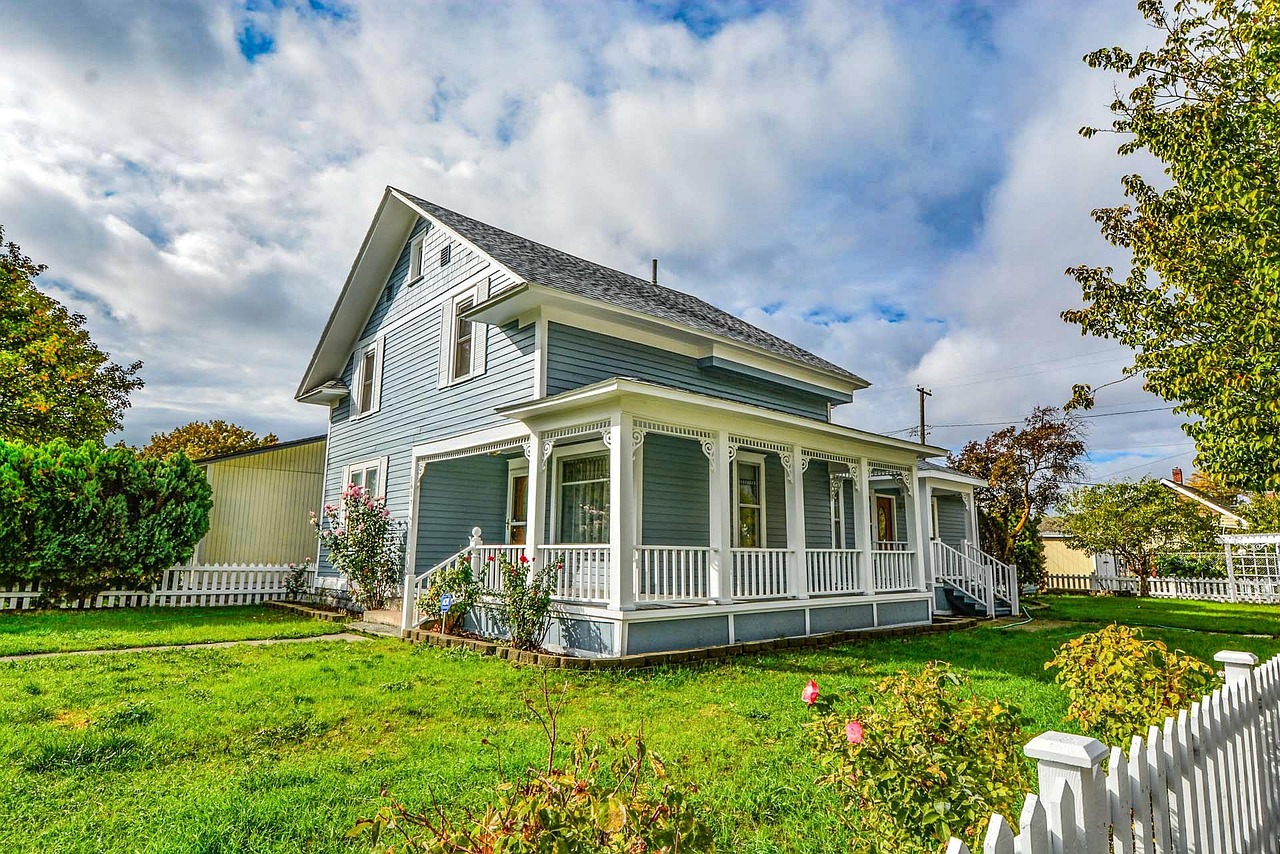
When considering an ADU for multi-generational living, efficient and safe construction is paramount. An ADU (Accessory Dwelling Unit) offers a practical solution for growing families, providing a dedicated space for aging relatives, or serving as an emergency shelter expansion, enhancing your home's functionality and value.
Building an ADU requires a skilled team of professionals who understand the unique challenges of these projects. Local contractors specializing in ADU construction are crucial, as they are familiar with local building codes, permit processes, and the specific needs of your community. Consider the need for adequate accessibility and safety features for aging residents or those with disabilities, as well as proper ventilation and insulation to ensure comfort and air quality.
Engaging a licensed general contractor experienced in ADU installation is key. They can guide you through the design process, ensuring your new space meets safety standards and functions well within your existing home. This includes proper wiring for utilities, efficient plumbing systems, and seamless integration with your main structure. Reputable contractors will also have relationships with reliable subcontractors, such as electricians and roofers, ensuring a thorough and expert build.
Remember, an ADU for multi-generational living isn't just about adding space; it's about creating a functional and safe environment for loved ones. By selecting a qualified local team, you ensure your project meets both the legal and practical requirements, ultimately enhancing your home's functionality and its potential as an emergency shelter or space for aging in place.
Legal and Financial Aspects: Navigating Regulations and Costs
Navigating the legal and financial aspects of adu-for-multi-generational-living is crucial for a successful project. This involves understanding local building codes, zoning regulations, and permits, which can vary significantly from one area to another. Some communities may have specific requirements for accessible design, fire safety, and energy efficiency. It's essential to consult with licensed adu contractors near me who are familiar with these local regulations to ensure your project complies with all necessary standards.
Financial considerations are another critical component. The cost of constructing and installing an ADU for aging in place or shared living can vary widely based on factors like the size, design, and location of the property. Overcoming communication barriers in shared ADUs is also essential, as multiple stakeholders-from homeowners to aging caregivers-may be involved. Engaging a financial advisor who specializes in these types of projects can help you understand the potential return on investment, secure financing, and manage unexpected expenses.
State and local governments offer various assistance programs, such as Community Development Block Grants (CDBs), to support affordable housing initiatives. These grants can offset the costs of ADU construction, making the projects more accessible to low- and moderate-income families. However, navigating these programs requires a thorough understanding of the application processes and eligibility criteria, which can be complex. The US Department of Housing and Urban Development (HUD) offers resources and guides to help homeowners and contractors alike.
Local building departments and state housing authorities play a pivotal role in the approval process. They review building plans, conduct inspections, and issue permits. Engaging with these entities early in the project can help prevent costly delays and ensure that your adu-for-multi-generational-living project meets all legal and safety standards. Legal aid societies can provide guidance on housing-related legal issues, particularly for vulnerable populations.
Post-Construction: Optimizing Your Multi-Gen ADU Experience

After construction, the true work begins: optimizing your adu-for-multi-generational-living space to ensure a harmonious, functional, and affordable home for all ages. This phase is crucial for maximizing the benefits of your investment in addressing housing affordability with ADUs. Professional installation ensures your adu is not just a separate structure but a seamless extension of your main home, catering to the unique needs of multi-generational families.
A key aspect is understanding and managing expectations. Clients often have different visions and needs, from functional to esthetic. Early in the process, involve a team of professionals, including architectural designers and interior designers, to create a space that checks all boxes. Property management companies and home stagers can also provide invaluable insights into rental market trends and design strategies that enhance curb appeal and functionality.
Efficient communication with local building departments and state housing authorities is vital. Permits, inspections, and compliance with local building codes can significantly impact the post-construction phase. Financial advisors and legal aid societies can offer guidance on any financial or legal complexities, ensuring your adu-for-multi-generational-living project stays on track and within budget. A well-planned, professional installation can transform a previously underutilized backyard into a modern, accessible granny flat, enhancing the living situation for aging caregivers while providing a valuable rental income stream.
Frequently Asked Questions About Near Me: Finding Local ADU Experts for Multi-Gen Living
What is an Accessory Dwelling Unit (ADU)? An ADU is a secondary residential unit on a property, often built as an extension or conversion of an existing structure. It provides additional living space, ideal for multi-generational households or rental income. ADUs are a popular solution for accommodating growing families, aging relatives, or guests.
How do I know if an ADU is right for my property? Several factors determine suitability. Consider your property's size, zoning regulations, and local building codes. Consulting with a real estate agent or property appraiser can help assess potential. An expert can also provide insights into the financial benefits, such as increased property value and tax advantages.
Where can I find local ADU experts? Online platforms and local business directories are excellent resources. Search terms like "ADU contractors near me" or "local ADU builders" will yield relevant results. Asking for recommendations from friends or neighbors who have had successful ADU installations can guide you towards reputable professionals.
How do I choose the right ADU expert? When selecting an ADU expert, consider their experience, portfolio, and customer reviews. Ensure they specialize in ADU construction and have a proven track record. Ask for references and obtain multiple quotes to compare services, prices, and timelines.
What are the steps to installing an ADU?
- Planning: Discuss needs, budget, and design with your ADU expert. Obtain necessary permits and ensure compliance with local building codes.
- Design & Engineering: Create detailed plans, including structural engineering, electrical, and plumbing layouts.
- Construction: The expert will handle construction, managing subcontractors for specialized tasks like electrical and plumbing.
- Inspections & Permits: Local authorities inspect the construction to ensure code compliance. Obtain any required permits for occupancy.
- Final Inspection & Completion: Once construction is complete, a final inspection ensures the ADU meets all requirements before it's ready for occupancy.
As we've explored the multifaceted world of affordable ADU for multi-generational living, several key insights emerge. Primarily, these adaptable units offer a modern solution to the growing need for intergenerational housing. By defining specific requirements through our checklist, understanding the legal and financial landscape, and carefully selecting reliable experts, property owners can transform their spaces into harmonious, efficient, and safe multi-gen environments.
Site assessment and permit navigation are critical early steps, ensuring your project complies with local regulations. Design options range from architectural to interior choices, allowing for tailored, inclusive spaces that cater to diverse needs. Efficient construction methods and safety protocols guarantee a well-built, durable ADU.
Post-construction, ongoing optimization ensures your multi-gen ADU enhances quality of life for all generations. This comprehensive approach, backed by insights from the ADU Research Institute, the National Association of Home Builders, and the US Department of Housing and Urban Development, positions affordable multi-generational ADUs as a viable, impactful solution for communities across the nation.
Moving forward, consider collaborating with local interior designers, property management companies, and community centers to maximize the benefits of your ADU. These partnerships can facilitate a seamless transition to a more inclusive, intergenerational living environment.
An affordable multi-generational ADU (Accessory Dwelling Unit) is a modern solution for housing affordability and intergenerational connections. Navigating building codes, maintaining the space, and designing for diverse needs are crucial. Local ADU specialists, contractors, and professionals offer expertise in construction, design, and property management, ensuring a functional, safe, and inviting space for all ages. Efficient construction, legal compliance, and professional optimization post-installation maximize the benefits of an ADU for multi-generational living.