As families evolve, the need for adaptable living spaces becomes crucial, especially when considering an affordable multi-generational adu. This type of accessory dwelling unit offers a practical solution to housing diverse family members, from aging parents to young adults returning home. The benefits are clear: enhanced intergenerational connections, financial savings, and increased housing flexibility. However, building an adu comes with its own set of challenges, from navigating legal and financial aspects to ensuring optimal design. This guide, backed by insights from the ADU Research Institute and the National Association of Home Builders, aims to demystify the process and provide a comprehensive toolkit for families considering an adu as a meaningful and cost-effective addition to their home.
- Planning for Multi-Generational Living in Your ADU
- Budgeting: Smart Strategies for Cost Control
- Material Selection: Cost-Effective and Durable Choices
- Efficient Design: Maximize Space, Minimize Expenses
- Labor Considerations: DIY vs. Professional Help
- Permits and Regulations: Navigating Legal Requirements
- Energy Efficiency: Reducing Utility Costs in Your ADU
- Long-Term Maintenance: Keeping Your ADU Affordable
Planning for Multi-Generational Living in Your ADU

Planning for multi-generational living in your ADU is a thoughtful, strategic process that considers the unique needs of your family. As consumer preferences shift towards intergenerational housing, designing an ADU that accommodates multiple generations requires careful consideration. Think beyond the standard layout; explore niche adu designs tailored for multi-generational families, such as flexible spaces that can adapt to changing needs. Consider a kitchen that doubles as a gathering space, or a private suite for aging relatives that can easily be converted into a home office or guest room.
Obtaining same-day ADU estimates can be a valuable starting point for families new to the process. This quick assessment provides a ballpark figure for your project, allowing you to gauge affordability and plan accordingly. However, remember that these estimates are preliminary and may not account for site-specific variables or niche design choices. Engage with experienced contractors and architects who can offer tailored advice based on your specific needs and preferences.
The US Department of Housing and Urban Development (HUD) and organizations like the National Association of Home Builders (NAHB) provide resources and guidelines for building ADUs, emphasizing the importance of safe, affordable housing options. Local Building Departments and State Housing Authorities offer permitting and regulatory insights crucial for navigating the legal aspects of your ADU project. Legal Aid Societies can also provide support for families facing financial or legal challenges during the building process.
By embracing a multi-generational approach, you not only create a functional living space but also foster deeper connections and a stronger sense of community. Consider the long-term benefits of an ADU designed with your family's evolving needs in mind. A well-planned ADU can accommodate a growing family, support aging in place, and even provide a source of income through rental opportunities, contributing to financial stability and intergenerational equity.
Budgeting: Smart Strategies for Cost Control
Building an affordable multi-generational adu for caregiving and community engagement requires strategic budgeting. When planning an ADU-for-multi-generational-living, consider that construction costs vary widely based on location, size, and complexity. To stay within budget, start by defining your project's essential and optional features. Prioritize safety, accessibility, and quality of life for the residents, while keeping an eye on the bottom line.
One effective strategy is to involve local professionals who understand the market and can offer cost-saving suggestions tailored to your area. Consult with architectural designers, interior designers, and property management companies to optimize space and materials. Incorporating modular construction or using locally sourced materials can reduce both time and cost. Leveraging community resources, such as local churches or community centers, for shared spaces can lower overall expenses while fostering a sense of community.
Financial advisors can provide guidance on financing options, including Community Development Block Grants, which are designed to address housing affordability. These grants can significantly offset the cost of building an ADU for multi-generational living, allowing you to focus on essential features that enhance caregiving and community engagement. Always consider the long-term benefits of an ADU as a caregiving solution-it not only supports aging family members but also contributes to a stronger, more connected community. By strategically planning and budgeting, you can create a space that meets the unique needs of your family while addressing local housing affordability challenges.
Material Selection: Cost-Effective and Durable Choices

When building or renovating an ADU for multi-generational living, material selection is crucial for balancing both cost-effectiveness and durability. Trusted ADU experts recommend prioritizing materials that offer long-term value without breaking the bank. Concrete and steel are popular choices due to their strength and low maintenance requirements, but they can be cost-prohibitive for some projects. Instead, consider locally sourced, recycled, or sustainable materials that are readily available and competitively priced.
One cost-saving strategy is to opt for smart, versatile materials that can serve multiple functions. Using insulated concrete forms (ICF) for exterior walls can provide excellent thermal efficiency while also reducing labor costs associated with traditional framing. Similarly, prefab or modular components can be quickly installed, minimizing construction time and labor expenses. Local ADU specialists near me often recommend these strategies, as they align with current market trends and building codes.
Another key consideration is the longevity of the materials. Durable ADU designs not only save on replacement costs down the line but also contribute to the overall sustainability of the property. Waterproof and fire-resistant materials, such as treated wood or fire-rated drywall, may carry a higher upfront cost but will protect your investment and ensure the safety of your family. Engaging with professional ADU installation experts can help guide these material selections, ensuring both quality and cost-efficiency.
Lastly, remember that smart material choices can enhance the overall aesthetics of your ADU. Low-maintenance flooring options, such as vinyl or laminate, not only reduce long-term costs but also offer a wide range of design possibilities. By combining these practical considerations with your design vision, you can create a functional and beautiful ADU that enriches your multi-generational living experience.
Efficient Design: Maximize Space, Minimize Expenses
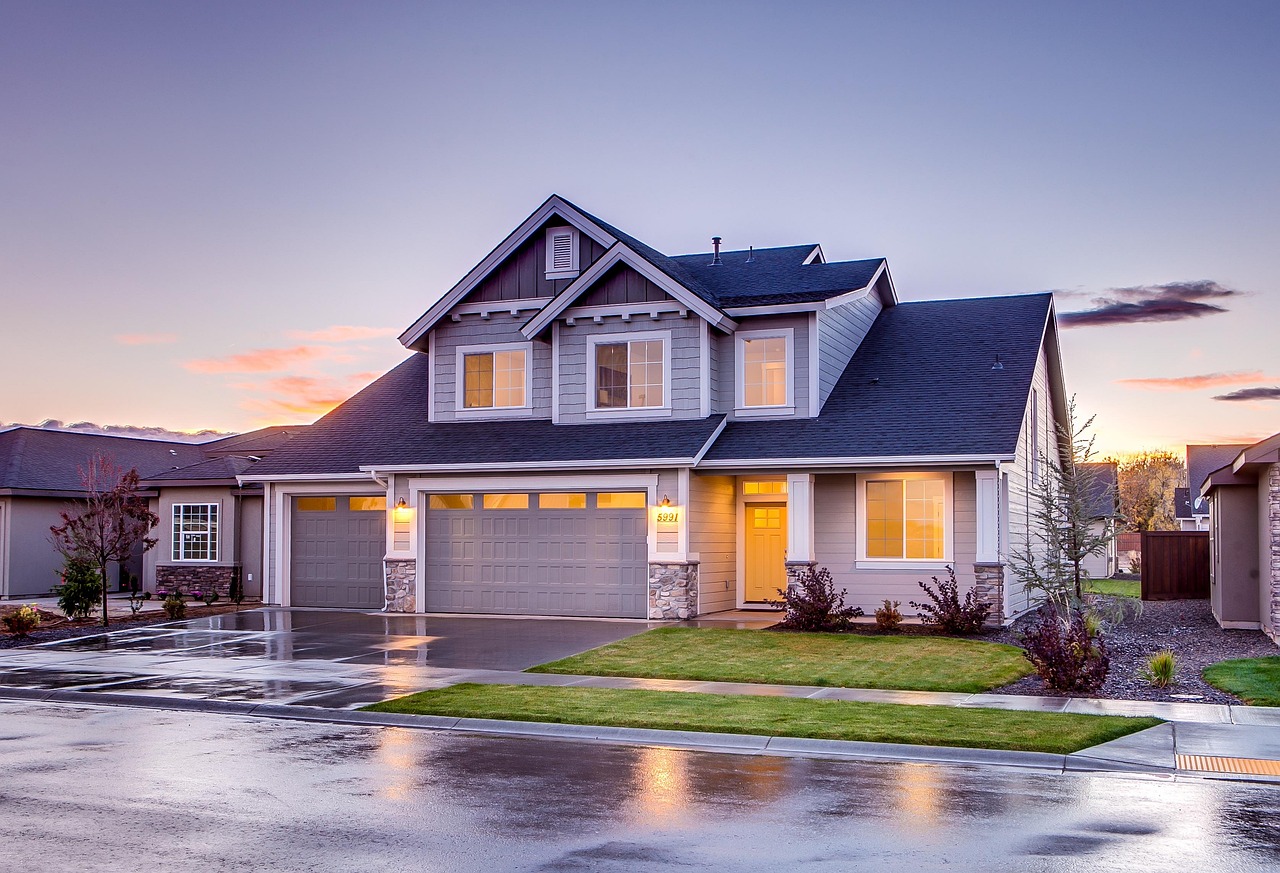
To an efficient and cost-effective adu-for-multi-generational-living solution, smart design plays a pivotal role. The goal is not just to add space but to maximize its utility while keeping expenses minimal. This approach is not just about saving money; it's about making the most of your investment, ensuring a functional and appealing space for your family's evolving needs.
One of the most effective strategies is to involve local adu specialists who can provide same-day adu estimates. These professionals understand the nuances of local building codes and permit processes, allowing them to design and build your addition efficiently. By leveraging their expertise, you can avoid costly mistakes and streamline the project timeline. A well-planned layout can incorporate shared living spaces that serve multiple generations, such as a shared kitchen or living room, reducing the need for individual, specialized spaces. This collaborative design approach not only cuts down on material and labor costs but also fosters a sense of community within the household.
Prioritizing functionality over form can significantly impact affordability. Consider the placement of windows for natural light, which can reduce the need for artificial lighting, and strategically placed vents for better air circulation, minimizing energy costs. Simple design choices like these can lead to substantial long-term savings. Addressing housing affordability with adus is a smart, sustainable solution, and efficient design is a key driver in making this concept a reality. By working with local specialists who understand the market and can offer tailored solutions, you can transform your space while staying within your budget.
Labor Considerations: DIY vs. Professional Help
When considering how to build your family's ADU for multi-generational living, one of the most significant decisions is whether to handle the project yourself (DIY) or hire professional help. This choice impacts not only your budget but also the quality, safety, and final outcome of your ADU.
For many, a DIY approach offers the allure of cost savings and creative control. It allows you to plan and execute the project according to your vision, potentially leading to a unique and personalized space. However, labor is a significant cost component in any renovation, and DIYers may underestimate the time and skill required. Overlooking this can lead to delays, budget overruns, and subpar results. Electrical, plumbing, and structural work require specialized knowledge and tools, and attempting these tasks without experience can be hazardous.
Hiring professionals is often the preferred route for several reasons. First, it ensures adu safety and quality assurance. Licensed contractors are bound by regulations, employing safe practices and using approved materials. They can also help navigate complex permit processes, saving you time and potential legal issues. Professionals offer expertise in design and space optimization, ensuring your ADU functions well and fits seamlessly into your home. They can also provide a clear understanding of costs upfront, helping you avoid surprises. Consumer preferences for multi-generational ADUs often favor these advantages, prioritizing safety, quality, and functionality over DIY appeal.
Overcoming communication barriers is critical when working with professionals. Clear communication ensures your vision is accurately translated into the final product. To facilitate this, create detailed plans, specify expectations, and maintain open lines of communication. Regular site visits and progress updates from the contractor can also help manage expectations and identify potential issues early.
Permits and Regulations: Navigating Legal Requirements
Navigating the legal landscape is a crucial step in building your family's ADU for multi-generational living. Every project must comply with local building codes and zoning regulations, which can vary widely from one neighborhood to another. Understanding these requirements is essential to avoid costly delays and legal complications. Start by consulting your Local Building Departments, which maintain up-to-date information on permitted uses, construction standards, and necessary permits. The National Association of Home Builders (NAHB) and the US Department of Housing and Urban Development (HUD) offer valuable resources and guidelines for ADU projects, ensuring your plans align with national standards.
One of the most significant challenges in ADU construction is overcoming communication barriers, especially in shared living spaces. Local laws often require explicit permissions and agreements between homeowners and tenants, which can be complex to navigate. Engaging the services of local ADU specialists near me can significantly streamline this process. These professionals have in-depth knowledge of the legal intricacies and can guide you through obtaining the necessary permits and ensuring compliance. They can help draft clear lease agreements that outline expectations regarding privacy, common area use, and financial responsibilities, fostering a harmonious multi-generational living environment.
Financial considerations also play a vital role in the legal aspects of ADU construction. The Community Development Block Grant (CDBG) program, administered by State Housing Authorities, offers grants and loans to support affordable housing initiatives. Exploring these funding options can significantly reduce the financial burden of ADU remodeling. Engaging with a financial advisor who specializes in real estate can help you understand the long-term financial implications and benefits of your ADU project, ensuring it's a sound investment for your family's multi-generational living needs. Professional ADU installation, conducted by experienced contractors, is another critical aspect that impacts both the legality and longevity of the project. Skilled professionals ensure that the ADU meets all safety and structural requirements, avoiding potential legal issues down the line.
Energy Efficiency: Reducing Utility Costs in Your ADU
Energy efficiency is a crucial aspect of building a cost-effective ADU for multi-generational living, ensuring long-term savings for your family. One of the most direct ways to reduce utility costs is by implementing smart design choices and construction practices. Proper insulation in walls, attics, and floors can significantly decrease heating and cooling expenses, as recommended by the ADU Research Institute. This involves using materials with high R-values, like cellulose or foam insulation, which act as a barrier against temperature extremes.
Navigating building codes is essential, as they vary across regions and can impact your energy efficiency efforts. Local Building Departments often provide guidelines on efficient construction, including recommendations for energy-saving appliances and lighting. Ensure your ADU is equipped with energy-efficient appliances, such as LED lighting, which consume less power and last longer than traditional options. The US Department of Housing and Urban Development (HUD) emphasizes the importance of these measures in creating sustainable and affordable multi-generational housing.
Tailored adu designs for multi-gen families can further enhance energy savings. Consider incorporating natural lighting and ventilation strategies to reduce the reliance on artificial cooling and heating. Large windows, skylights, and strategically placed vents can provide ample daylight and improve indoor air quality. These designs not only cut down on utility bills but also create a healthier living environment for residents. Regular adu maintenance tips for long-term multi-gen living include checking and replacing air filters, ensuring proper ventilation, and scheduling professional inspections to identify potential energy-wasting issues early on. By implementing these measures, you can create a comfortable, efficient, and cost-saving space for your family's multi-generational living needs.
Long-Term Maintenance: Keeping Your ADU Affordable

As your family grows and needs change, an ADU for multi-generational living can be a cost-saving solution, offering both extra space and intergenerational connections. However, long-term maintenance is crucial to ensure your ADU remains a valuable asset. This involves not just regular upkeep but also strategic decisions that can keep your project affordable over time.
Navigating building codes for ADU projects can seem daunting, but understanding these regulations is essential for avoiding costly rework. Many local building departments offer resources to guide you through the process. The National Association of Home Builders provides up-to-date code information and best practices. Ensure your ADU design complies with these standards to avoid unexpected permit issues. Tailored ADU designs for multi-generational families can also optimize space and budget. Incorporate flexible spaces that can adapt to changing needs, such as a multi-use living and dining area that can double as a home office or game room. This versatility can extend the life of your ADU and reduce the need for future renovations.
Regular maintenance checks are vital to prevent minor issues from becoming major repairs. Create a schedule for inspecting key components like roofing, plumbing, and electrical systems. Check for leaks in the roof or signs of water damage in the basement, as these can lead to costly repairs if left unattended. Consider energy-efficient upgrades to reduce utility costs in the long run. The US Department of Housing and Urban Development recommends incorporating energy-saving features such as LED lighting and efficient appliances. These upgrades not only lower utility bills but also enhance the ADU's value.
Seek expert advice from architects, contractors, and property management companies who specialize in ADU remodeling. Their insights can help you make informed decisions that align with your family's needs and budget. Remember, a well-maintained ADU is a significant investment in your family's future, ensuring both comfort and affordability for years to come.
Frequently Asked Questions About Cost-Saving Tips for Building Your Family's ADU: A Practical guide
What is an ADU and why is it cost-effective? An Accessory Dwelling Unit (ADU) is a secondary dwelling within a primary property, often converted from an existing space like a garage or basement. It's cost-effective for several reasons: it leverages existing infrastructure, can be built smaller and cheaper than a full-scale home, and increases property value by providing additional living space. This is especially beneficial for families seeking more room without the high cost of a full renovation or a new construction.
How can I reduce construction costs for my ADU? Consider DIY (Do-It-Yourself) elements. Many tasks like framing, electrical work, and plumbing can be done by those with the skills, saving on labor costs. Also, opt for cost-effective materials-reclaimed or recycled materials, for instance-and shop around for the best prices. Negotiate with contractors and remember that smaller, more focused projects can often be completed at lower rates than large, complex jobs.
What about permits and inspections? Will they add to my costs? Permits and inspections are essential for safety and code compliance but can add to your budget. Obtain all necessary permits in advance to avoid costly delays. Some cities offer online permitting systems that can streamline the process. For inspections, schedule them as efficiently as possible to minimize disruption and potential charges.
Can I save on utilities for my ADU? Yes, energy-efficient upgrades can significantly reduce utility costs. Consider installing energy-efficient lighting, appliances, and heating/cooling systems. Also, insulate the ADU to improve energy efficiency and check for air leaks to prevent energy waste. Solar panels can also be a long-term cost-saver, though initial installation costs may not be insignificant.
What if I need to hire professionals? How do I choose the right contractor? When hiring professionals, get multiple quotes from different contractors. Check their licensing and insurance, and ask for references. A reliable contractor will provide detailed cost breakdowns and should be willing to work within your budget. Be wary of high-pressure sales tactics; take your time to make an informed decision.
As you've navigated this practical guide to cost-effective ADU remodeling for multi-generational living, several key insights emerge. Firstly, planning for intergenerational needs from the outset, as per the ADU Research Institute's findings, can significantly optimize space and budget. Smart budgeting, including material selection that balances cost and durability, is crucial. Efficient design, leveraging professional expertise to maximize space while minimizing costs, is another powerful strategy.
Understanding labor considerations, whether DIY or professional, empowers you to make informed decisions that fit your skills and budget. Navigating permits and regulations, often a daunting task, is made easier with the guidance of local building departments and state housing authorities. Energy efficiency, a focus on long-term savings, and regular maintenance routines are essential for keeping utility costs down.
These strategies, backed by the National Association of Home Builders and the US Department of Housing and Urban Development, offer a robust framework for creating an affordable, functional ADU that enhances family living. Moving forward, consider engaging with community resources, such as local churches and neighborhood associations, to further enrich the multi-generational living experience. By implementing these learnings, you're well on your way to transforming an old space into a vibrant, cost-saving ADU for your family.
Building an ADU for multi-generational living requires strategic planning, including budget, design, legal, and energy efficiency considerations. Start with same-day estimates, engage professionals who understand local market dynamics, and prioritize safety, accessibility, and quality of life. Obtain permits from local building departments and explore funding options like Community Development Block Grants. Incorporate smart design choices, energy-efficient appliances, and tailored adu designs to enhance efficiency. Regular maintenance, strategic upgrades, and expert advice ensure long-term affordability and value. By focusing on these key aspects, you can create a functional, affordable, and intergenerational living space.