
The growing trend of multi-generational households presents a significant challenge in the housing market: accommodating diverse needs while maintaining affordability. As families seek to live together for extended periods, the demand for adaptable and accessible spaces has surged. Here, we explore the role of Accessory Dwelling Units (ADUs) as a solution to this complex issue. ADUs offer an opportunity to create affordable multi-generational adu options, catering to the unique requirements of mixed-age households. This article examines the benefits, legal considerations, design aspects, and community impact of ADUs, providing valuable insights for professionals and families navigating the housing affordability landscape.
- Understanding Multi-Gen Living: A Growing Trend
- Housing Affordability: The Rising Challenge
- ADUs: A Viable Solution for Affordable Housing
- The Benefits of ADUs for Multi-Gen Families
- Designing ADUs for Optimal Multi-Gen Functionality
- Legal and Regulatory Aspects of ADU Construction
- Case Studies: Successful ADU Projects for Multi-Gen Households
- The Future of ADUs: Addressing Housing Needs Together
Understanding Multi-Gen Living: A Growing Trend
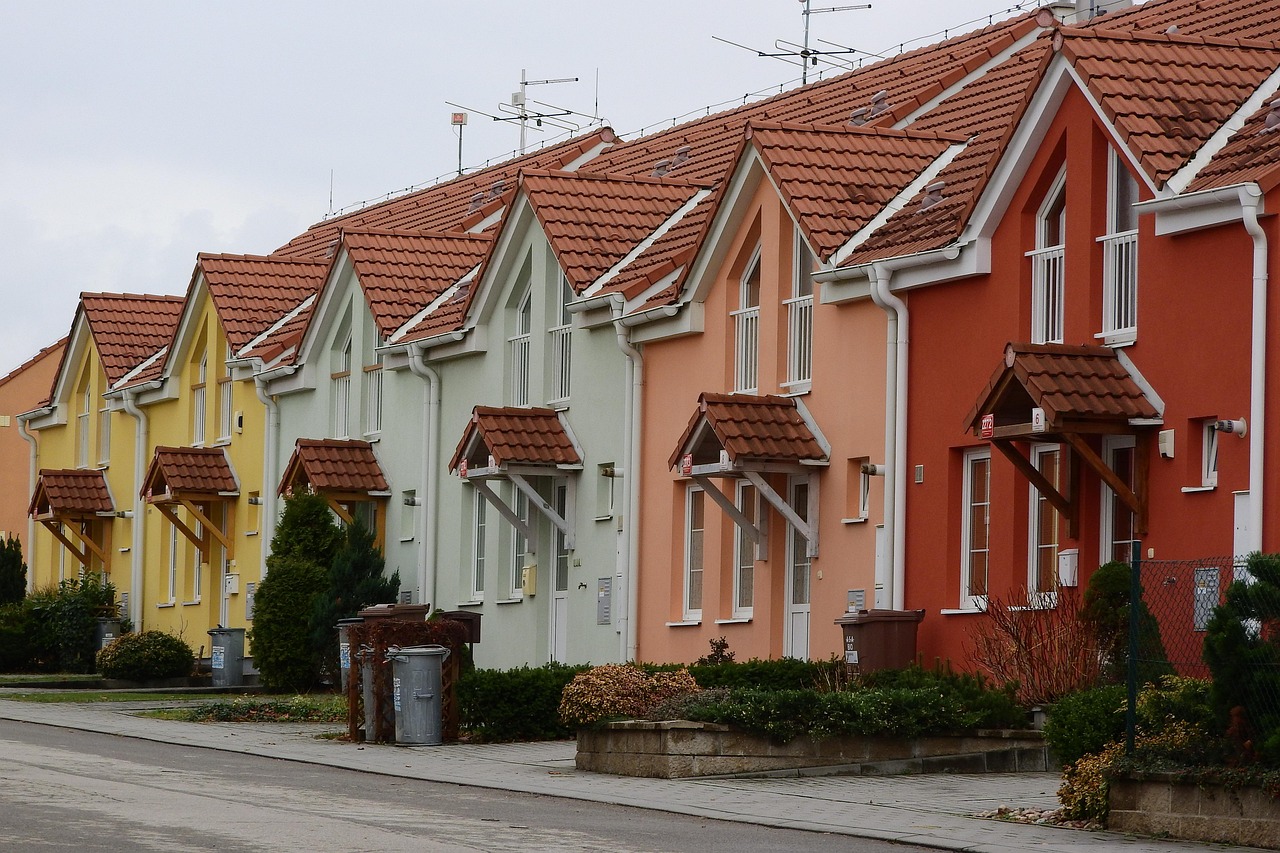
The concept of multi-generational living within a single residence is gaining traction across the country, driven by both economic and social factors. An affordable multi-generational adu (accessory dwelling unit) offers an innovative solution to the growing need for flexible, affordable housing options that cater to the diverse needs of multi-generational families.
This trend reflects a shift in consumer preferences, with many families seeking to maintain close connections across generations. An adu-for-multi-generational-living allows extended families to live together while maintaining individual privacy and independence. This arrangement can be particularly beneficial for aging relatives who may require assistance but wish to remain in their homes, as well as for young adults returning home to save on living expenses.
Effective communication and coordination are essential when designing and managing a multi-generational adu. Overcoming communication barriers is key to ensuring everyone's needs and comfort are met. Interior designers and home stagers can play a crucial role in creating open and inviting spaces that facilitate interaction while also providing designated areas for privacy. A shared living area with a flexible layout can accommodate various activities, from family gatherings to individual hobbies.
Safety and quality assurance are paramount when constructing and maintaining an adu, especially in homes with multiple generations. Local building departments and state housing authorities offer guidelines and regulations to ensure the safety and accessibility of these units. Financial advisors recommend that families discuss the financial implications of multi-generational living, including shared expenses and potential long-term care needs. Engaging a reputable contractor and implementing robust safety measures, such as smoke and carbon monoxide detectors, can provide peace of mind for all occupants.
Housing Affordability: The Rising Challenge
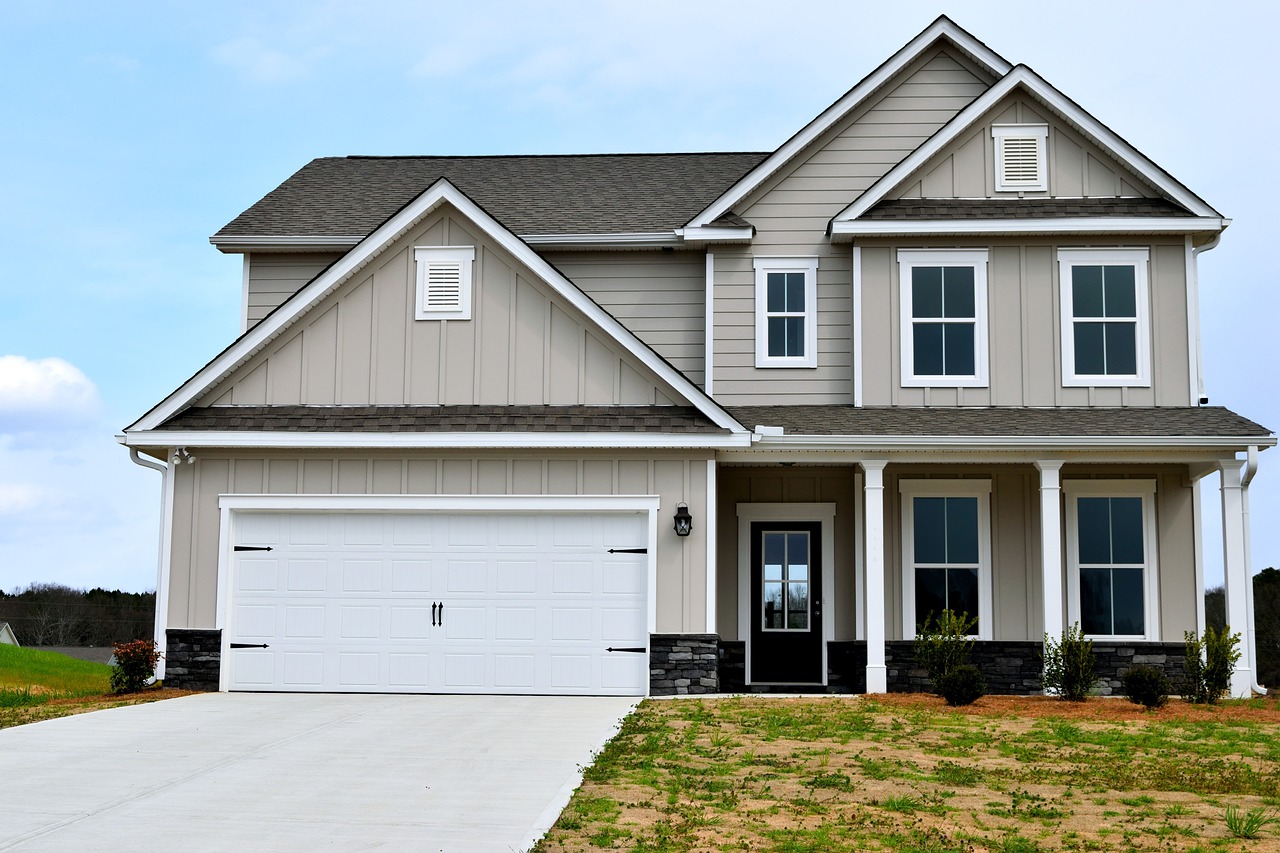
The housing market, especially in the context of multi-generational living, has been grappling with a significant challenge: affordability. The rising cost of traditional housing has made it increasingly difficult for multi-generational families to find suitable, cost-effective options that cater to their diverse needs. Here, the role of ADUs (Accessory Dwelling Units) emerges as a strategic solution. An ADU for multi-generational living offers a practical and flexible housing arrangement, providing dedicated space for aging relatives or young adults returning home while ensuring financial sustainability.
According to the US Department of Housing and Urban Development, the demand for cost-effective multi-gen housing is on the rise, driven by demographic shifts and evolving family structures. This trend poses a unique opportunity for ADUs to fill the gap left by traditional housing options. Trusted ADU experts and local builders are at the forefront of this movement, utilizing innovative design and construction techniques to create functional, comfortable, and legally compliant spaces. A well-designed ADU can seamlessly integrate with an existing home, expanding living areas without the need for extensive renovation. This approach not only enhances family dynamics but also provides a practical solution for those seeking to downsize or upsize their living arrangements.
To address the affordability challenge effectively, it's crucial to engage with local builders who understand the nuances of ADU construction and adhere to the guidelines set by the National Association of Home Builders and local building departments. These professionals play a vital role in ensuring that ADUs are not only functional but also contribute positively to the overall property value. By working with trusted ADU experts, families can navigate the legal and financial aspects, such as obtaining necessary permits and understanding community development block grant (CDBG) programs, which offer funding opportunities for affordable housing projects. This collaborative approach results in a well-integrated ADU that enhances the quality of life for multi-generational families while maintaining financial viability.
ADUs: A Viable Solution for Affordable Housing

Affordable housing is a pressing issue for many multi-generational families, and Accessory Dwelling Units (ADUs) offer a promising solution. ADUs, often referred to as granny flats or in-law suites, provide additional living space within an existing property, catering to the diverse needs of multi-gen households. They offer a viable path to address housing affordability, especially in areas where land and construction costs are high. The concept is simple yet effective: utilizing underutilized space to create self-contained units, providing both additional income and accommodation for family members or caregivers.
The National Association of Home Builders (NAHB) recognizes the potential of ADUs, highlighting their versatility and efficiency in addressing housing needs. This is especially relevant for multi-gen families, where extended relatives may require different living arrangements under one roof. ADUs can range from small, self-contained studios to larger, multi-bedroom units, catering to various preferences and budgets. According to the US Department of Housing and Urban Development (HUD), ADU conversions can be completed within one to two days, making them a readily available option for those seeking quick solutions. This speed, coupled with the potential for significant cost savings, makes ADUs an attractive choice for both homeowners and renters.
Community engagement through ADUs is another valuable aspect. Local builders and architects can play a pivotal role in designing these units to fit seamlessly into the existing neighborhood fabric. An architectural designer could create an ADU that mirrors the style of the main residence, enhancing the property's overall value and marketability. Property management companies can also facilitate the process, ensuring timely construction and efficient leasing or sales. As ADU Research Institute studies demonstrate, same-day adu estimates are feasible, allowing families to make informed decisions quickly. This efficiency is crucial when addressing the housing needs of multi-generational families, who often require flexible and rapid solutions.
The Benefits of ADUs for Multi-Gen Families
The benefits of ADUs (Accessible Dwelling Units) for multi-generational living are multifaceted, addressing critical housing affordability issues while fostering stronger, more connected communities. These additional living spaces provide a cost-effective solution, allowing multi-generational families to live together, saving money on housing costs and fostering intergenerational bonds.
Local ADU specialists near me can play a pivotal role in overcoming communication barriers often encountered when sharing ADUs. These professionals not only guide families through the legal and financial aspects but also ensure the design and construction meet the specific needs of multi-generational occupants. Interior designers working with ADU specialists can create spaces that accommodate varying mobility levels and personal preferences, promoting harmony and accessibility. By collaborating with local experts, families can transform an ADU from a functional space into a warm, welcoming environment.
ADUs for multi-generational living can significantly enhance caregiving dynamics. Community centers and local churches within proximity to these dwellings often offer support services for aging caregivers, providing respite and fostering social connections. This integrated approach to caregiving ensures that each generation has access to the resources they need, creating a supportive network that can last a lifetime. A neighborhood association might organize regular social events for ADU residents, strengthening community ties and encouraging intergenerational learning.
Designing ADUs for Optimal Multi-Gen Functionality

Designing ADUs for Optimal Multi-Gen Functionality
Creating cost-effective multi-gen housing solutions requires a thoughtful approach to space planning and amenity design. In an affordable multi-generational adu, the key is to strike a balance between private and shared spaces. A well-designed kitchen and dining area can double as a communal hub for multiple generations to gather. This open floor plan encourages intergenerational living solutions, allowing for quality time together while still providing each family with their own private retreat. Architectural designers and interior designers play a crucial role here, tailoring the layout to the specific needs and preferences of the multi-gen family.
To ensure the ADU is a practical and enjoyable space for all, it's important to consider accessibility features. Incorporating these from the design phase not only makes the unit more inclusive but also adds long-term value to the property. Think about installing grab bars in bathrooms and implementing wider doorways for wheelchair accessibility. These modifications cater to aging caregiving needs while also providing a safe and comfortable environment for all residents. Property management companies and local building departments can guide homeowners on the necessary permits and installations.
Same-day adu estimates are a valuable resource for families looking to fast-track their housing solutions. This quick turnaround offers peace of mind, especially for urgent situations. However, it's crucial to remember that while same-day estimates are possible, they should be based on thorough assessments and accurate measurements. Financial advisors can help families navigate the costs associated with ADU construction, emphasizing that while these units offer significant benefits, they also represent a substantial investment. The US Department of Housing and Urban Development and State Housing Authorities provide resources and grants that can make cost-effective multi-gen housing more accessible.
Legal and Regulatory Aspects of ADU Construction
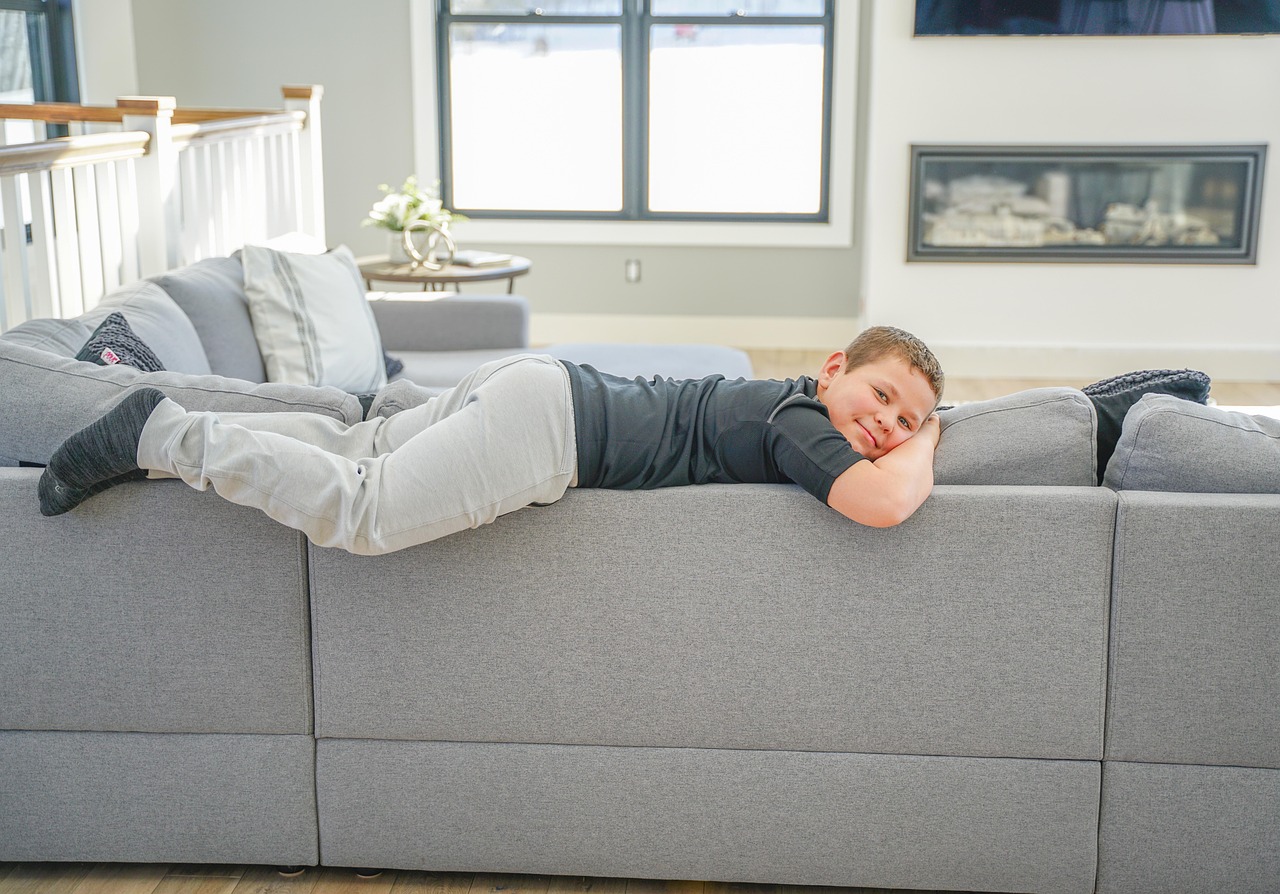
The legal and regulatory landscape surrounding the construction of ADUs for multi-generational living varies significantly across jurisdictions, creating both opportunities and challenges for families seeking affordable housing solutions. Understanding these nuances is crucial for navigating the process successfully. Local building departments play a pivotal role in issuing permits and enforcing codes, ensuring ADU safety and compliance. In the affordable multi-generational adu, for instance, strict guidelines on floor plans, set-backs, and accessibility modifications may exist to accommodate the needs of older relatives or individuals with disabilities.
State housing authorities often provide additional guidance and support. They may offer grants, loans, or tax incentives to encourage the development of ADUs as caregiving solutions. The US Department of Housing and Urban Development (HUD) has initiatives aimed at promoting aging in place and improving housing affordability for families with multi-generational households. Legal considerations also come into play, particularly when dealing with property inheritance, zoning laws, and lease agreements. Consulting with a licensed adu contractor near me, who stays updated on these regulations, is vital to avoid potential legal pitfalls.
Financial aspects, such as construction costs and long-term maintenance, are integral to the sustainability of ADUs as multi-gen living solutions. Property management companies and financial advisors can offer guidance on budgeting and return on investment. Regular adu maintenance tips for long-term multi-gen living include addressing structural integrity, mechanical systems, and aesthetic updates. Aging caregivers, for instance, may require simpler maintenance routines to avoid overwhelming tasks. Engaging with community resources, like local churches or neighborhood associations, can also facilitate support networks and caregiving services within the ADU environment.
Community development block grants (CDBGs) are another crucial financial tool, providing funds for projects that address affordable housing, community development, and job creation. These grants can be leveraged to develop ADUs as part of a broader community strategy, fostering social cohesion and enhancing housing affordability for all residents, including those from diverse age groups.
Case Studies: Successful ADU Projects for Multi-Gen Households
Successful case studies demonstrate the profound impact of affordable multi-generational ADUs (adu-for-multi-generational-living) in addressing housing affordability and fostering intergenerational living solutions. One notable project in an urban setting involved transforming a single-family home into a multi-dwelling unit, catering to both elderly parents and young adult children. This cost-saving adu building tip involved opening up the main floor to create shared living spaces, while adding private bedrooms and bathrooms upstairs. The result was a cohesive, functional home that allowed for meaningful intergenerational connections while respecting individual privacy.
Another successful example highlights a suburban setting where a family of four expanded their existing home by constructing a standalone ADU in their backyard. This project not only provided an additional income stream by renting out the ADU but also created a space for an aging grandparent to live independently. The design incorporated eco-friendly materials and energy-efficient appliances, showcasing how cost-saving adu building tips can be environmentally conscious. The local community center became a central hub for intergenerational activities, fostering a strong sense of belonging and support among the multi-generational household.
These case studies illustrate the versatility and benefits of adu-for-multi-generational-living solutions. By thoughtfully integrating design, financial planning, and community engagement, these projects have successfully navigated the challenges of housing affordability and intergenerational care. Property management companies and home stagers played pivotal roles in ensuring the ADUs were not only functional but also aesthetically appealing, enhancing their market value. Legal Aid Societies and Financial Advisors were instrumental in navigating the legal and financial aspects, demonstrating the importance of professional guidance in these complex projects.
The Future of ADUs: Addressing Housing Needs Together
The future of housing lies in integrated solutions that cater to the evolving needs of multi-generational families. Here, ADUs (Accessory Dwelling Units) play a pivotal role in addressing affordability and creating sustainable living environments. As the National Association of Home Builders and the US Department of Housing and Urban Development recognize, ADUs for multi-generational living are not just a trend but a necessary adaptation to changing demographics. These additional living spaces offer a cost-effective solution, providing dedicated areas for aging relatives, young adults returning home, or friends and neighbors in need of affordable housing.
One of the key advantages of ADUs in multi-gen living is their potential for long-term sustainability. Properly designed and maintained, these spaces can adapt to changing family dynamics over decades. A young couple might start as roommates, then become a family with a child, and eventually have their own extended family move in. Well-planned ADUs can accommodate these transitions seamlessly, with readily available options for expansion, conversion, or reconfiguration. Regular adu maintenance tips include staying current with building codes and focusing on key areas like insulation, plumbing, and electrical systems to ensure longevity and comfort. By adopting cost-effective practices during construction and maintenance, multi-gen ADUs can provide a home that's both affordable and adaptable, catering to the diverse needs of extended families.
Community development grants and partnerships with local building departments can facilitate the creation of ADUs for multi-generational living. These collaborative efforts ensure that affordable housing options are accessible to a broader range of families. The ADU Research Institute has documented numerous success stories where such initiatives have revitalized neighborhoods and strengthened community ties. Integrating ADUs into existing homes offers a practical way to maximize existing resources and infrastructure, making it a smart choice for cost-effective multi-gen housing. By embracing ADUs, communities can foster intergenerational connections, support local economies, and create a more inclusive housing environment.
Frequently Asked Questions About The Role of ADUs in Addressing Housing Affordability for Multi-Gen Families
What is an Accessory Dwelling Unit (ADU)?
An ADU is a secondary residential unit within a property, often built as an addition to an existing home. These units can be separate structures or converted from existing spaces like garages or basements. ADUs provide additional living space, potentially increasing a home's value while offering a more affordable housing option within the same property.
How do ADUs help with multi-generational housing?
ADUs enable families to live together under one roof, fostering intergenerational connections. They can accommodate aging relatives who need assistance, enabling them to remain in their homes, while also providing space for young adults returning to live with family or grown children who want closer proximity to relatives.
What are the financial benefits of ADUs for multi-gen families?
ADUs offer significant financial advantages. By housing multiple generations, families can share resources and reduce overall living expenses. Renting out an ADU can also generate additional income, helping offset mortgage costs or other property expenses. As a long-term investment, property values often increase with ADU additions.
Are there any challenges associated with ADU implementation?
While ADUs offer many benefits, there are challenges. Zoning regulations vary widely, and some areas may have strict restrictions on ADU construction. Securing necessary permits and ensuring compliance with building codes can be complex. The initial construction cost of installing an ADU can be substantial.
Who benefits most from ADUs in multi-gen households?
ADUs benefit a wide range of family members. Elderly parents can remain in their homes with assistance from younger generations, while young adults returning from college or newly married couples may find more affordable housing within their family's property. This shared living environment promotes stronger family connections and can ease financial burdens on everyone involved.
Where can I find more information about ADU regulations in my area?
Check with your local building department or planning commission. They can provide specific information about zoning regulations, permit requirements, and building code guidelines for ADUs in your area. Online resources and local ADU advocacy groups can offer valuable insights and support throughout the process.
The integration of ADUs for multi-generational living emerges as a powerful strategy to address the pressing challenge of housing affordability. This article has explored the growing trend of multi-gen households and the associated need for accessible, affordable housing solutions. By examining the benefits, design considerations, legal aspects, and successful case studies, it is clear that ADUs provide a viable and sustainable answer. They offer increased living flexibility, intergenerational connections, and cost-effective housing options.
The success stories shared highlight the positive impact of ADUs on community building and caregiving, further strengthening their role in shaping the future of housing. Moving forward, the adoption of ADUs for multi-gen living presents an opportunity to create inclusive, supportive neighborhoods and address the housing needs of diverse families. By understanding the key insights and practical applications outlined here, stakeholders-from architects and designers to local governments and financial advisors-can collaborate effectively to bring about a more affordable and inclusive housing landscape.
The growing need for flexible, affordable housing for multi-generational families drives the popularity of ADUs (accessory dwelling units). These integrated solutions offer privacy and independence while allowing extended families to maintain close connections. Effective communication, safety, and quality assurance are crucial during design and construction. Local building departments and state housing authorities provide guidelines, while financial advisors help navigate costs. Case studies demonstrate successful adu-for-multi-generational-living projects, fostering intergenerational living and community ties. The future of housing lies in these adaptable, sustainable ADUs, catering to evolving family needs and supporting local economies.