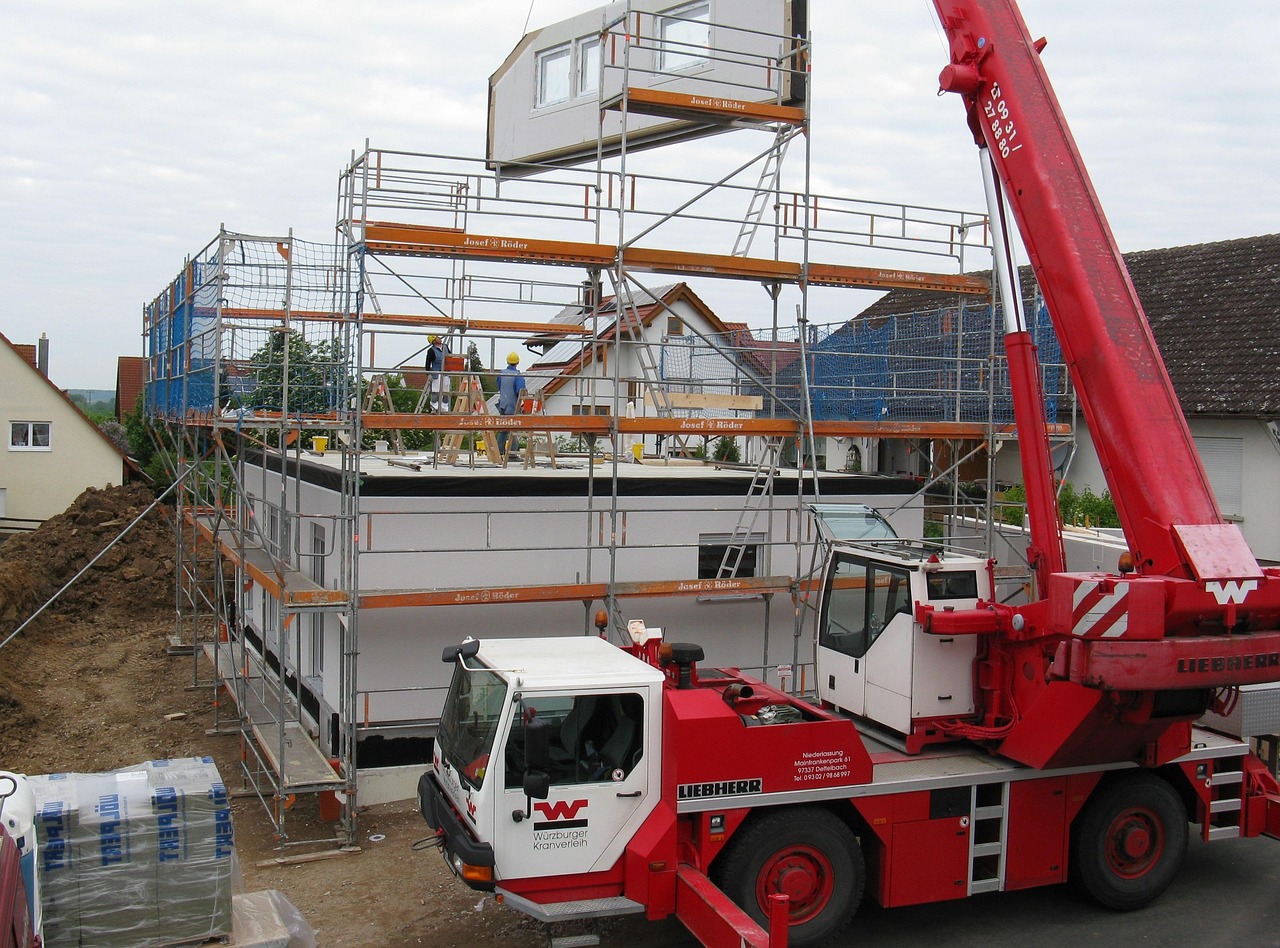
The growing demand for affordable, multi-generational housing has sparked a surge in interest in sustainable ADUs (Accessory Dwelling Units). These secondary living spaces offer a promising solution for families facing rising housing costs, especially in urban areas. However, the challenge lies in creating ADUs that not only meet the needs of diverse generations but also minimize their environmental impact. This article examines the benefits, designs, and legal aspects of eco-friendly ADUs tailored for multi-generational living. By exploring the latest research and best practices, we provide a practical guide to creating these valuable additions to any home.
- Understanding Multi-Gen Living: Benefits and Challenges
- The Rise of ADUs: A Sustainable Solution for Today
- Eco-Friendly Design Principles for ADUs
- Site Selection: Key Considerations for Multi-Gen ADUs
- Energy Efficiency in ADUs: Powering Sustainable Homes
- Water Conservation: An Essential Eco-Feature
- Material Choices: Sustainable ADU Construction
- Policy and Permitting: Streamlining Multi-Gen ADU Projects
Understanding Multi-Gen Living: Benefits and Challenges
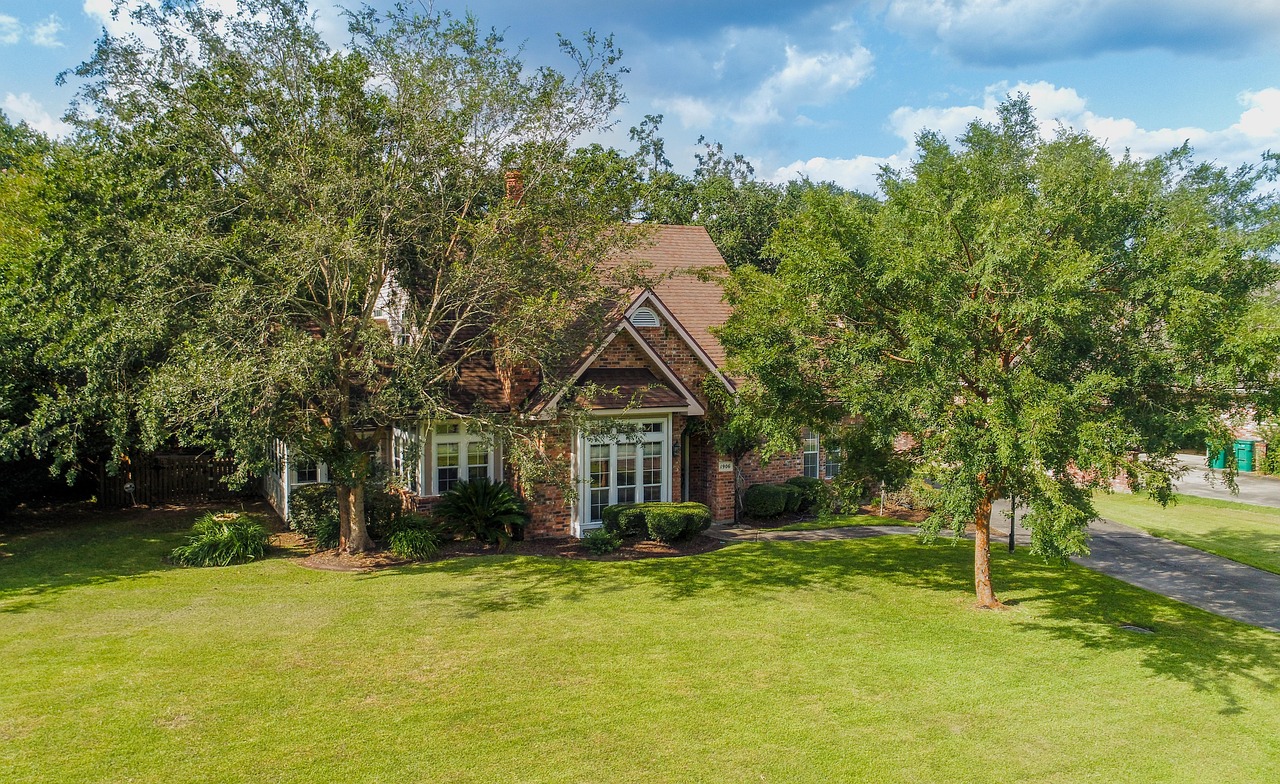
Understanding multi-generational living within the context of an adu-for-multi-generational-living presents a unique set of benefits and challenges. This arrangement, where multiple generations coexist under one roof, is becoming increasingly popular as families seek affordable and sustainable living solutions. The US Department of Housing and Urban Development (HUD) and organizations like the National Association of Home Builders (NAHB) recognize the value of these living arrangements, highlighting their potential to foster stronger community bonds and reduce housing costs.
One of the primary advantages of an adu-for-multi-generational-living is the opportunity for intergenerational bonding. Grandparents, parents, and grandchildren can share spaces and experiences, creating a supportive and nurturing environment. This setup can be particularly beneficial for aging caregivers, providing them with assistance while allowing them to maintain their independence. A recent ADU Research Institute study found that multi-gen ADUs can reduce caregiving costs by 20% through the efficient sharing of resources and space. However, designing and implementing these spaces requires careful consideration. Niche adu designs for multi-gen families must prioritize privacy while facilitating interaction, with well-planned common areas and separate yet connected living quarters.
Practical challenges include ensuring adequate space for each generation's specific needs and maintaining a balance between privacy and togetherness. Financial considerations are also crucial, as readily available adu options can vary significantly in cost. Engaging top-rated multi-gen adu services can help navigate these complexities. These professionals offer expertise in layout planning, construction, and ensuring compliance with local building codes and state housing authorities' regulations. Property Management Companies specializing in multi-gen ADUs can provide valuable insights into rental markets and help families maximize their investment. By carefully addressing these challenges, an adu-for-multi-generational-living can become a successful and fulfilling living arrangement for all involved.
The Rise of ADUs: A Sustainable Solution for Today
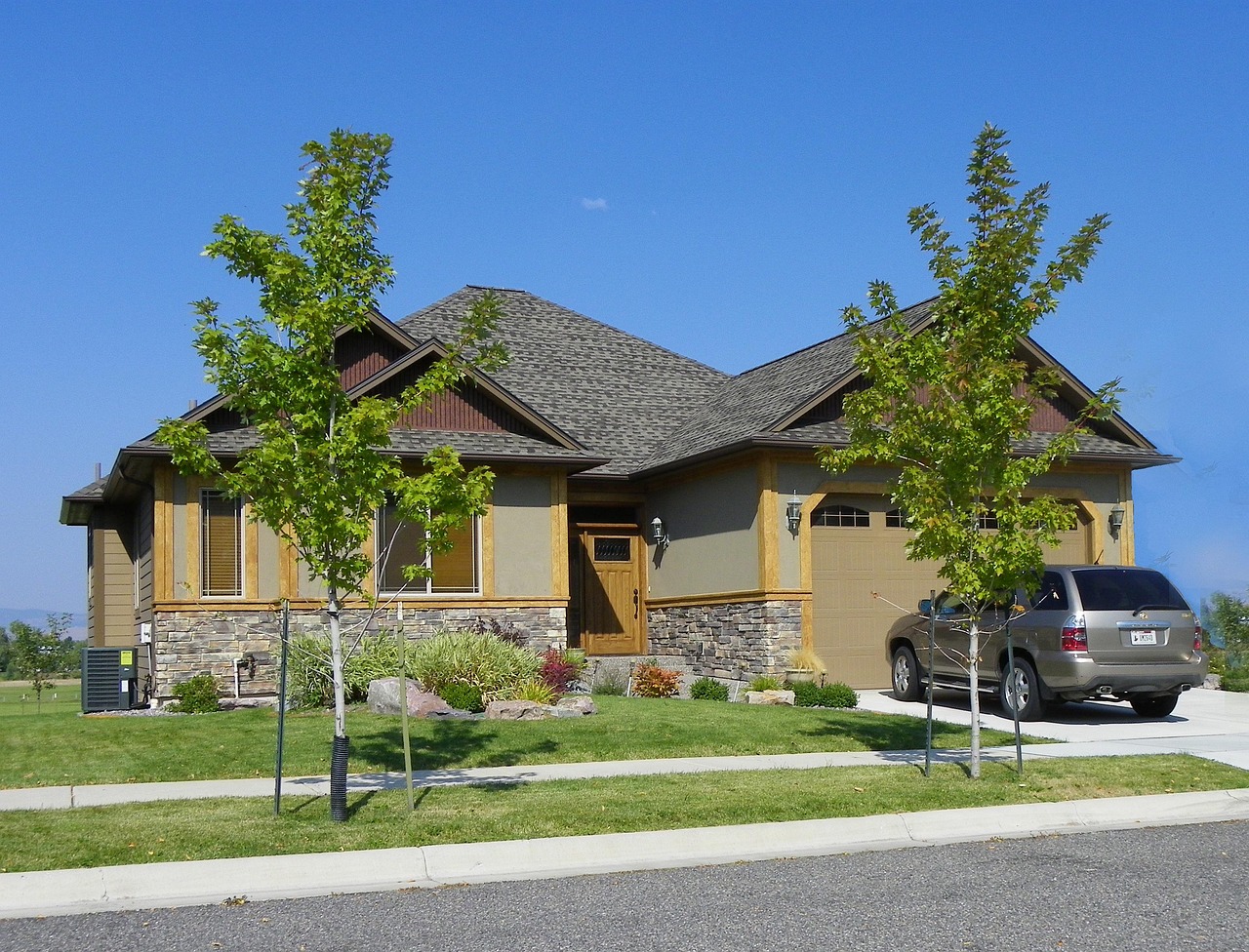
The rise of affordable multi-generational ADUs (accessible dwelling units) represents a significant shift in housing design, catering to the evolving needs of modern families. This trend, fueled by the US Department of Housing and Urban Development's (HUD) support for mixed-income communities, is transforming the way we think about space and community. The National Association of Home Builders (NAHB) reports a surge in ADU construction, with many projects tailored to multi-gen families seeking intergenerational living solutions.
Sustainable ADUs for multi-gen living are not just about adding extra space; they embrace eco-friendly design principles and efficient use of resources. Licensed ADU contractors near me often collaborate with architectural designers to create tailored adu designs that maximize natural light, incorporate renewable energy sources, and utilize sustainable materials. A well-designed ADU might feature solar panels, energy-efficient appliances, and low-flow fixtures, significantly reducing the home's carbon footprint. These features not only contribute to environmental sustainability but also offer long-term financial savings for families.
Community development block grants (CDBGs) provided by State Housing Authorities play a crucial role in making these eco-friendly ADUs more accessible. These grants support projects that promote affordable housing and community development, making it easier for families to invest in ADUs. By embracing sustainable ADU designs, multi-gen families can enjoy enhanced quality of life, stronger community ties, and a reduced environmental impact. Well-planned ADUs can contribute to vibrant neighborhood associations and local churches, fostering a sense of community that benefits everyone.
Eco-Friendly Design Principles for ADUs

In the quest for sustainable and cost-effective multi-gen housing, eco-friendly designs for affordable ADUs (-for-multi-generational-living) are gaining prominence. These designs not only meet the accommodation needs of diverse generations but also minimize the environmental impact, making them an attractive option for families and communities. Licensed ADU contractors near me are increasingly incorporating eco-friendly principles into their work, reflecting a shift in consumer preferences for multi-gen ADUs.
The focus on sustainability starts with the choice of materials. Natural, locally sourced materials like wood, bamboo, and recycled steel not only reduce the carbon footprint but also contribute to the overall aesthetic appeal. Using bamboo flooring in ADUs can enhance the space's eco-friendly credentials while providing a warm, inviting atmosphere. Efficient insulation and energy-saving appliances further minimize the energy consumption of these structures, aligning with the US Department of Housing and Urban Development's (HUD) efforts to promote sustainable housing.
Water conservation is another critical aspect, with low-flow fixtures and rainwater harvesting systems becoming common features in eco-friendly ADUs. These systems not only reduce water bills but also promote water stewardship. The National Association of Home Builders (NAHB) reports that these measures can significantly lower the environmental impact of construction, making ADUs a viable solution for cost-effective multi-gen housing. Proper waste management strategies, such as compostable materials and recycling programs, can further enhance the sustainability of these spaces.
Community engagement and caregiving are integral parts of designing sustainable ADUs. Incorporating shared spaces like community gardens, shared kitchens, and multi-purpose rooms not only promotes social interaction among generations but also reduces the overall environmental impact. These designs can also accommodate aging caregivers, ensuring they remain an integral part of the family unit. By embracing these eco-friendly design principles, ADUs can become not just a place to live, but a hub for community and care, fostering a strong, sustainable multi-generational living environment.
Site Selection: Key Considerations for Multi-Gen ADUs
When selecting a site for an affordable multi-generational adu, it's crucial to consider both the physical and community aspects. The first step involves evaluating the property's potential for expansion and its proximity to essential services. An existing structure with a large backyard or unused land can be ideal, offering space for an adu while preserving the natural environment. Local regulations and zoning laws should also guide this process; many communities have specific rules for adding multi-family dwellings, and understanding these is key to avoiding costly mistakes.
Next, assessing the community's needs and resources is vital. The adu can serve as an emergency shelter expansion, especially in areas prone to natural disasters, providing an additional layer of safety for residents. Placing the adu near public transportation, schools, and healthcare facilities enhances its accessibility and value for multi-generational households. Engaging with the community and local organizations, such as neighborhood associations and community centers, can offer valuable insights into the most suitable locations and designs.
Sustainable adu construction is another critical consideration. Integrating eco-friendly materials and designs not only minimizes the environmental impact but also reduces long-term operational costs. The US Department of Housing and Urban Development (HUD) and the National Association of Home Builders (NAHB) offer guidelines and resources for building energy-efficient and sustainable ADUs. Utilizing solar panels, efficient insulation, and water-saving fixtures can significantly lower utility bills for the entire household. This not only makes the adu a more attractive and livable space but also aligns with the growing trend of ADU reviews and ratings focusing on sustainability and quality of life.
Lastly, consult with professionals, including architects, interior designers, and property management companies, who specialize in adu-for-multi-generational-living projects. They can help navigate legal and financial aspects, ensure compliance with local building departments and state housing authorities, and offer expert advice on design and client services. These professionals are key to transforming a well-chosen site into a functional, inviting, and sustainable space that meets the unique needs of multi-generational families.
Energy Efficiency in ADUs: Powering Sustainable Homes
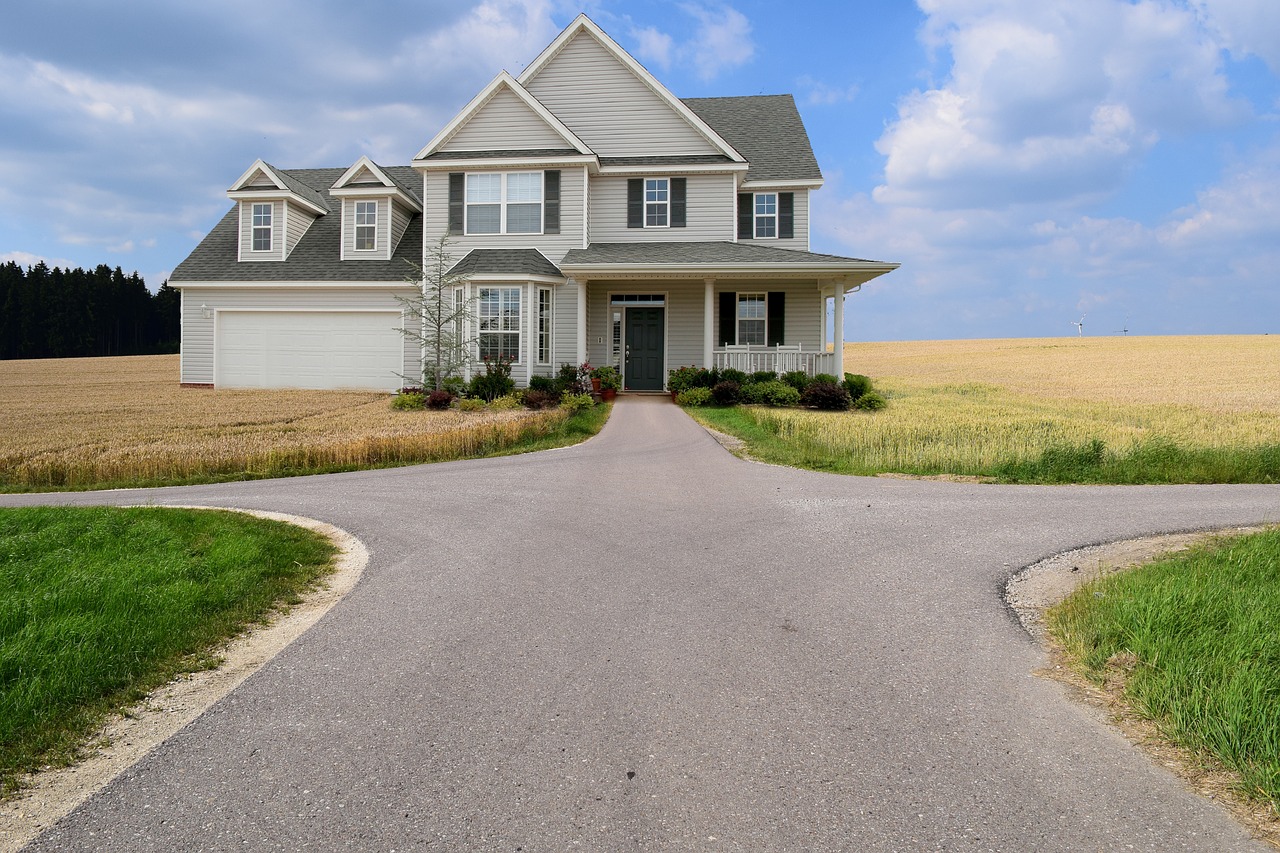
To sustainable living, affordable multi-generational ADUs (accessory dwelling units) are gaining popularity as an eco-friendly option for modern families. Energy efficiency plays a pivotal role in these designs, ensuring not only cost savings but also a reduced environmental footprint. When thoughtfully integrated, energy-efficient features can make an ADU for multi-generational living a model of sustainability.
One of the most effective ways to achieve this is through smart insulation and airtightness. Proper insulation in walls, roofs, and floors, along with high-quality windows and doors, creates a tightly sealed envelope that minimizes heat loss in winter and heat gain in summer. A well-insulated ADU can significantly reduce heating and cooling loads, leading to lower energy bills. Local ADU specialists near me often recommend incorporating low-e windows, which reflect heat back into the home in cold months and block solar heat gain in warmer months.
Renewable energy sources are a key component of sustainable ADUs. Installing solar panels on rooftops can provide a significant portion of the energy needed, reducing utility costs and carbon emissions. Some ADU builders, recognized through adu reviews and ratings, offer comprehensive solar power packages tailored to the specific energy demands of each home.
Finally, efficient appliances and lighting systems are essential in modern, energy-wise ADUs. Property management companies and homeowners alike are increasingly opting for Energy Star-certified appliances and LED lighting, which consume less energy without compromising performance. This simple upgrade can lead to significant energy savings over time, making the ADU a truly eco-friendly asset. Engaging with local builders who specialize in these eco-conscious features can help ensure that your ADU for multi-generational living is both comfortable and environmentally responsible.
Water Conservation: An Essential Eco-Feature
Water conservation is a critical component of sustainable design for adu-for-multi-generational-living spaces, offering both environmental and economic benefits. In the context of intergenerational living solutions, efficient water management systems can significantly reduce utility costs and minimize the ecological footprint of these additions. Best local adu builders are increasingly incorporating innovative water-saving technologies into their projects, ensuring that these eco-friendly designs meet the needs of diverse households.
One of the most effective ways to achieve water conservation in these spaces is through the use of low-flow fixtures and appliances. The installation of water-efficient dishwashers and washing machines further complements these measures. A family of four living in an affordable multi-generational adu can save several thousand gallons of water annually by adopting these practices.
Another crucial aspect is proper drainage and rainwater harvesting. By designing efficient drainage systems, builders can minimize water waste from downspouts and ensure proper water flow away from the structure. Rainwater harvesting systems, on the other hand, collect and store rainwater for later use, such as irrigation or toilet flushing. This dual approach not only reduces the strain on local water supplies but also offers a practical solution for caregiving solutions, as it can help maintain a lush and inviting outdoor space that promotes intergenerational interaction and wellbeing.
Local building departments and state housing authorities are increasingly incentivizing water conservation in adu-for-multi-generational-living projects through various programs and grants. These incentives not only support the development of sustainable communities but also provide financial relief for builders and homeowners. The US Department of Housing and Urban Development (HUD) offers grants and loans that prioritize energy-efficient and water-conservative designs, making it easier for both developers and residents to adopt eco-friendly practices.
Material Choices: Sustainable ADU Construction

When designing an affordable multi-generational adu that prioritizes sustainability, material choices play a crucial role in achieving eco-friendly construction. The adu-for-multi-generational-living space should be built with materials that are not only environmentally friendly but also durable, ensuring long-term quality and value. One of the most effective strategies is to opt for locally sourced, recycled, or reclaimed materials, which reduce the carbon footprint associated with transportation. Using locally milled wood or recycled steel can significantly lower a project's environmental impact while maintaining high-quality standards.
Safety and quality assurance are paramount, especially when considering the diverse needs of multi-generational occupants. Properly sourced and certified materials, such as those that meet the standards set by the US Department of Housing and Urban Development (HUD) and the National Association of Home Builders (NAHB), ensure structural integrity and safety. Incorporating low-VOC (volatile organic compound) finishes and materials, as recommended by many industry experts, can create healthier living spaces, benefiting residents, especially the elderly or those with respiratory conditions.
Adapting to the unique financial considerations of multi-generational families, various adu financing options for families are available. Local governments and organizations often offer grants, loans, or tax incentives to promote affordable housing. Community Development Block Grants (CDBs) can provide significant funding for projects that align with community development goals, such as sustainable and multi-use structures. Engaging with financial advisors familiar with these programs can help families navigate the process, making eco-conscious ADU construction more accessible and affordable.
Policy and Permitting: Streamlining Multi-Gen ADU Projects
The policy and permitting landscape for adu-for-multi-generational-living projects presents a unique challenge, particularly in densely populated areas where land is scarce. Streamlining these projects requires a multi-faceted approach that addresses both regulatory hurdles and communication barriers. Local building departments often have specific guidelines and requirements for ADUs, which can be complex and time-consuming to navigate. One effective strategy is to engage with these departments early in the design phase to understand the permit process and identify potential bottlenecks. Some cities may require additional inspections or have strict building codes for ADUs, which can impact construction timelines.
Overcoming communication barriers in shared ADUs is crucial for successful multi-gen projects. Different generations may have varying consumer preferences and expectations, requiring designers and property management companies to adopt flexible, inclusive practices. Top-rated multi-gen ADU services prioritize open dialogue and collaboration among all stakeholders. This may involve creating dedicated communication channels, such as online forums or regular meetings, to ensure that everyone's needs and concerns are addressed. A property management company might facilitate regular check-ins between residents to discuss common areas and shared resources, fostering a sense of community.
Financial considerations also play a significant role in the permitting process. Many local governments offer incentives, grants, or tax breaks to encourage the development of ADUs, especially in areas with a high demand for affordable housing. Engaging with financial advisors and exploring these options early on can significantly reduce the overall cost of the project. The US Department of Housing and Urban Development (HUD) and state housing authorities often provide resources and guidance on financing and permitting for ADUs, aligning with the broader goal of increasing housing affordability. By understanding these policies and actively engaging with relevant stakeholders, developers can navigate the complexities of multi-gen ADU projects more effectively.
Frequently Asked Questions About Sustainable ADUs: Eco-Friendly Designs for Multi-Gen Homes
What are sustainable ADUs? Sustainable ADUs (Accessory Dwelling Units) are eco-friendly additions to homes, designed to maximize energy efficiency, minimize environmental impact, and create affordable living spaces for multi-generational families. They often incorporate renewable energy sources, water conservation, and materials that are locally sourced and recycled.
How do sustainable ADUs benefit multi-generational households? Sustainable ADUs provide additional living spaces, ideal for extended family members, aging in place, or rental income. They promote intergenerational connections while offering energy savings and reduced environmental footprints. These designs can include shared spaces that foster community and private areas for individual families.
What are some key design elements for sustainable ADUs? Key design elements include natural lighting, passive solar heating, efficient insulation, and ventilation systems. Utilizing local climate conditions and strategic orientation can enhance energy savings. Low-flow fixtures, greywater recycling, and rainwater harvesting systems contribute to water conservation.
What types of materials are used in sustainable ADU construction? Sustainable ADU construction often uses locally sourced, recycled, or renewable materials like bamboo, reclaimed wood, steel, and recycled plastic. These materials reduce the carbon footprint associated with transportation and support a circular economy.
How do sustainable ADUs contribute to a community's overall sustainability? By integrating seamlessly with existing homes and infrastructure, sustainable ADUs can help stabilize neighborhood resources and reduce the demand for new construction. They promote dense, walkable communities, lowering residents' carbon footprints and encouraging shared resources.
How long does it typically take to install a sustainable ADU? Most sustainable ADU installations take one to two days, depending on size and complexity. This rapid construction allows families to enjoy their new living spaces quickly while minimizing disruption to daily life.
Who can benefit from a sustainable ADU? Sustainable ADUs are suitable for a wide range of households, including multi-generational families, empty nesters looking to downsize with extra space, or those seeking affordable rental options. They offer a flexible and sustainable housing solution for diverse needs.
The rise of affordable multi-generational ADUs (additional dwelling units) presents a promising solution to the challenges of sustainable living. By embracing eco-friendly designs, we can create spaces that not only accommodate diverse generations but also minimize the environmental impact. Key takeaways include the importance of site selection, energy efficiency, and material choices that prioritize sustainability. Understanding the legal landscape and streamlining permitting processes is crucial for ADU projects, as highlighted by the US Department of Housing and Urban Development and the National Association of Home Builders.
Implementing water conservation measures and using locally sourced, recycled materials can significantly reduce the carbon footprint of these homes. The design and client services aspects, guided by architectural and interior designers, play a pivotal role in creating comfortable and functional spaces for all ages.
Looking ahead, the integration of ADUs for multi-generational living has the potential to revolutionize housing, offering a path towards more sustainable, inclusive, and community-focused neighborhoods. By adopting these principles, we can foster intergenerational connections while contributing to a greener future.
The adu-for-multi-generational-living trend offers affordable, sustainable solutions for families. It fosters intergenerational bonding, with design considerations balancing privacy and interaction. Financial planning, local building codes, and permitting challenges must be navigated. Eco-friendly features, such as renewable energy and water conservation, are key, with local specialists providing guidance. Material choices, financing options, and community engagement contribute to successful, inclusive projects. Overcoming regulatory hurdles and fostering open communication ensure these spaces benefit all generations.