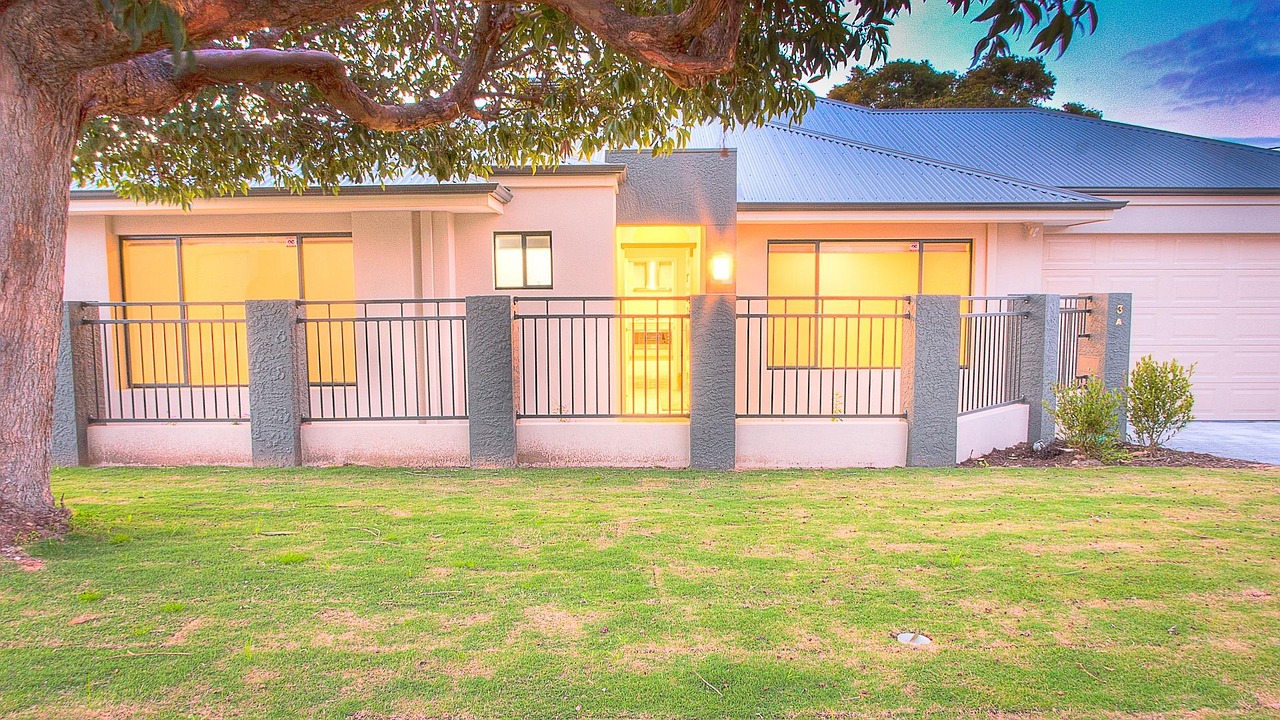
In today's evolving family structures, the demand for affordable, flexible housing solutions has never been higher, especially for multi-generational living. The adu-for-multi-generational-living concept offers a promising answer to this need, providing additional living spaces that cater to the diverse needs of extended families while promoting sustainable practices. However, designing these units to efficiently utilize resources and blend seamlessly with the host home and neighborhood presents a challenge. This article explores sustainable ADUs tailored for multi-gen homes, examining design principles, legal considerations, and community integration. By the end, you'll understand how eco-friendly ADUs can enhance both family dynamics and local neighborhoods.
- Understanding ADUs: Multi-Gen Living Solutions
- Eco-Design Principles for Sustainable ADUs
- Site Selection: Key to Green Multi-Gen Spaces
- Efficient Building Systems for Reduced Footprint
- Renewable Energy Integration in ADUs
- Water Conservation Strategies for Multi-Gen Homes
- Low-Carbon Materials: Choosing Eco-Friendly Options
- Community Engagement: Building Sustainable Multi-Gen Neighborhoods
Understanding ADUs: Multi-Gen Living Solutions

An adu-for-multi-generational-living is more than just an additional space; it's a solution to the modern family's need for flexibility, independence, and intergenerational connection. This type of accessory dwelling unit (ADU) is designed to accommodate multiple generations under one roof, fostering a sense of community while respecting personal space. Understanding the dynamics of multi-gen living and incorporating eco-friendly design choices can transform these spaces into thriving hubs of shared experiences and individual autonomy.
Successful adu-for-multi-generational-living designs often require careful planning to overcome communication barriers that can arise in shared spaces. Licensed adu contractors near me who specialize in these projects can help families navigate the design process, ensuring that privacy concerns for each generation are addressed. Incorporating dedicated spaces for quiet study or retreat can mitigate conflicts between active younger residents and aging relatives seeking a more peaceful environment. Incorporating sustainable adu construction practices not only reduces the home's environmental impact but also often translates to lower utility bills for the occupants.
When designing these spaces, it's crucial to consider the unique needs of each generation. The National Association of Home Builders (NAHB) and the US Department of Housing and Urban Development (HUD) offer valuable insights into the preferences and requirements of diverse age groups. Older adults may require more accessibility features, while younger generations often seek open floor plans that foster social interaction. Integrating flexible design elements, such as modular furniture or retractable partitions, allows the space to adapt to evolving needs. Property management companies specializing in multi-gen ADUs can assist in maximizing the functionality and appeal of these spaces for prospective tenants.
Community-focused features can further enhance the benefits of an adu-for-multi-generational-living. Local churches, community centers, and neighborhood associations can collaborate to create shared spaces that encourage intergenerational activities. A shared garden or community kitchen can foster connections between ages and promote healthy living. Interior designers and home stagers play a vital role in crafting spaces that are both aesthetically pleasing and functional for all occupants, ensuring that these multi-generational spaces are not just functional but also welcoming and comfortable for everyone.
Eco-Design Principles for Sustainable ADUs
Sustainable design principles are essential for creating eco-friendly ADUs tailored to the needs of multi-generational households. When building an adu-for-multi-generational-living, consider materials with local and renewable sources to reduce the carbon footprint and support regional economies. Locally sourced wood or recycled materials can be used for framing and flooring, minimizing transportation emissions. Efficient insulation and air sealing techniques, such as utilizing natural materials like cellulose or mineral wool, significantly improve energy performance.
Water conservation is another critical aspect, where low-flow fixtures and greywater recycling systems can be integrated into the design. Solar panels are a practical addition, providing clean energy and potentially reducing utility costs for families. Cost-saving measures can be incorporated without compromising sustainability, such as natural lighting strategies and cross-ventilation designs that rely less on artificial cooling. The US Department of Housing and Urban Development (HUD) and the National Association of Home Builders (NAHB) offer guidelines and resources to promote energy-efficient and sustainable ADU practices.
Financial considerations play a significant role in making eco-friendly ADUs accessible to families. ADU financing options for families include government-backed loans, such as those provided through the Community Development Block Grant (CDBG) program, designed to support affordable housing projects. Engaging with experienced local builders specializing in sustainable construction can offer valuable expertise and ensure the project stays on budget. A well-regarded local builder known for their eco-conscious practices can provide cost-saving adu building tips and guidance on selecting efficient materials.
Community engagement and caregiving aspects can also benefit from these sustainable practices. Designing ADUs with shared spaces and community gardens encourages social interaction and promotes a sense of belonging. These green spaces can serve as gathering places for neighbors and provide additional resources for local ecosystems. By adopting these eco-design principles, adu-for-multi-generational-living projects can contribute to more sustainable, inclusive, and supportive communities.
Site Selection: Key to Green Multi-Gen Spaces
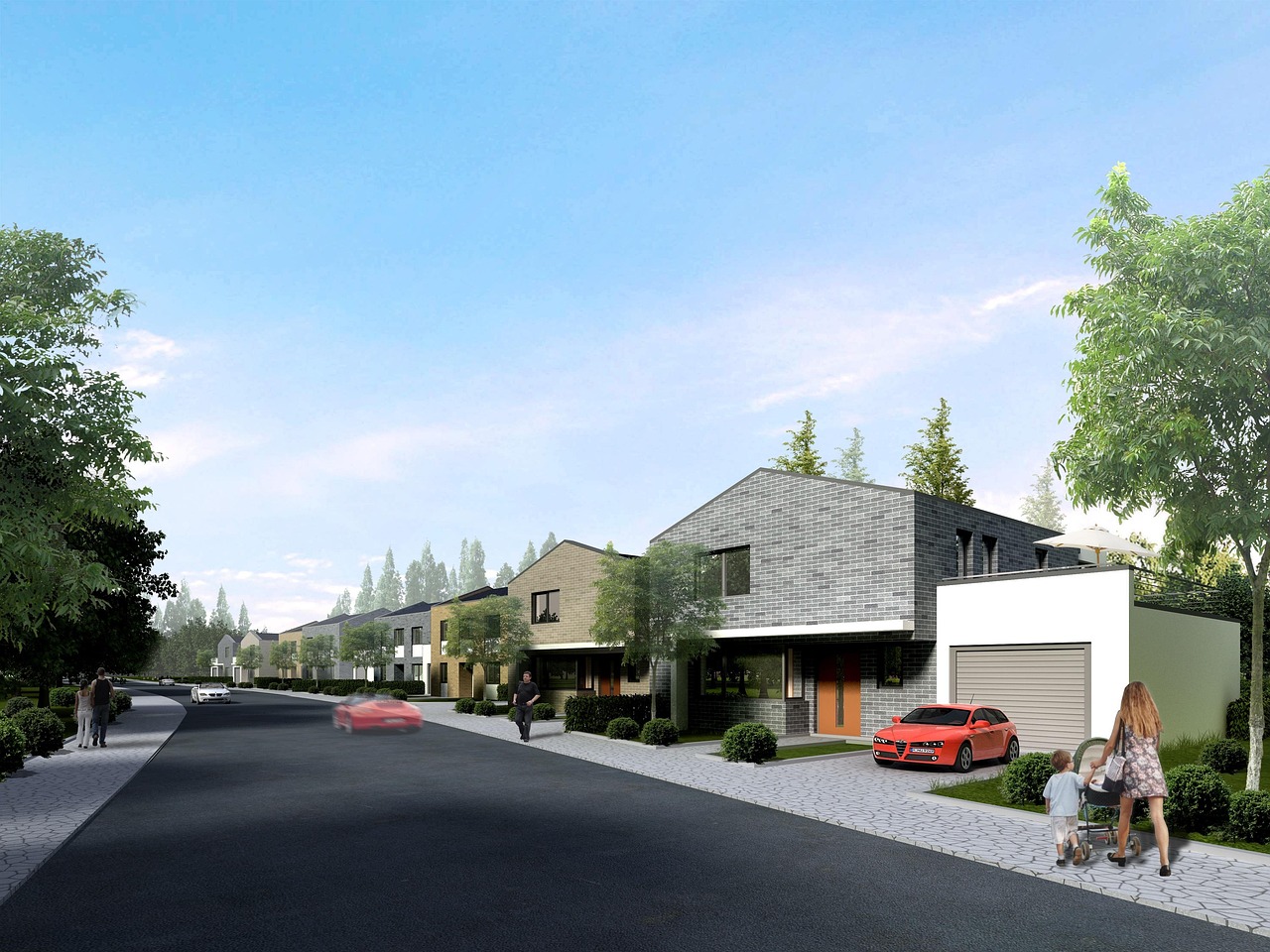
When designing an eco-friendly adu-for-multi-generational-living, site selection is paramount. The location not only impacts the accessibility and sustainability of the unit but also its overall integration with the existing community. Local adu specialists near me often emphasize the importance of site analysis, considering factors such as solar exposure, proximity to services, and neighborhood character.
Orienting the adu to maximize solar gain can significantly reduce energy consumption, aligning with sustainable design principles. Positioning it near shared community spaces, like a local church or community center, fosters social interaction and can enhance caregiving support networks. This approach, however, requires a nuanced understanding of local zoning laws and building regulations, which can vary widely between neighborhoods. Engaging with local building departments early in the process is crucial to ensure compliance with codes addressing housing affordability with adus, especially in areas with high demand for multi-generational living solutions.
Selecting a site that's within walking distance to essential services, like grocery stores or healthcare facilities, can significantly improve the quality of life for aging caregivers. Property management companies specializing in multi-gen spaces can facilitate this by offering services tailored to the unique needs of diverse generations, ensuring the adu complements, not competes with, the broader community.
Local adu specialists often recommend considering the needs of various generations simultaneously. This collaborative approach, involving homeowners, caregivers, and designers, can result in spaces that seamlessly blend work, play, and care, fostering a nurturing environment for all. Incorporating flexible living spaces that can adapt to changing needs-from a home office to a guest suite-maximizes the value and longevity of the adu as a caregiving solution.
Efficient Building Systems for Reduced Footprint

In the context of sustainable ADUs for multi-generational living, efficient building systems are pivotal for reducing the environmental footprint of these homes. These systems not only contribute to energy conservation but also enhance the overall comfort and livability for residents. Passive solar design, where windows are strategically placed to maximize natural light and heat gain, can significantly lower heating costs. This is particularly beneficial for affordable multi-generational ADUs, where families seek cost-effective and eco-conscious options.
Many intergenerational living solutions incorporate smart thermostats and energy-efficient appliances to further optimize resource use. These technologies allow for precise temperature control in each living space, catering to the diverse needs of multi-gen households. By integrating renewable energy sources like solar panels and wind turbines, these homes can achieve energy independence, minimizing their reliance on traditional grids. A well-designed system might include a heat pump, which provides both heating and cooling, and high-efficiency insulation, ensuring a comfortable indoor environment year-round.
Water conservation is another critical aspect, with low-flow fixtures and greywater recycling systems becoming increasingly popular. These measures not only save water but also reduce the overall operational costs of the home. Efficient building systems, when combined with smart design choices, can create multi-gen ADUs that are not only affordable but also environmentally responsible. A well-planned, energy-efficient ADU can reduce the carbon footprint of a family's primary residence by allowing for more efficient space utilization and potentially enabling the sale of excess energy back to the grid. This holistic approach to design and construction ensures that consumer preferences for multi-gen ADUs focused on sustainability are met while providing a comfortable and efficient living environment for all generations.
Renewable Energy Integration in ADUs
Renewable energy integration is a critical aspect of designing sustainable ADUs for multi-generational living. As the National Association of Home Builders (NAHB) and the US Department of Housing and Urban Development (HUD) emphasize, these accessory dwelling units (ADUs) offer not only additional housing but also significant environmental benefits. Incorporating renewable energy sources like solar panels, wind turbines, or geothermal heating and cooling systems can reduce a home's carbon footprint and operational costs, making them especially appealing for multi-gen households looking to live in an eco-conscious manner.
An affordable multi-generational ADU equipped with solar panels can offset a significant portion of the home's energy needs, potentially eliminating electricity bills for aging caregivers or multi-generational families. This not only alleviates financial strain but also contributes to a more sustainable community. Integrating renewable energy solutions can enhance the ADU's value, making it a desirable investment for consumers. A recent study by the ADU Research Institute revealed that nearly three-quarters of consumers prefer multi-gen ADUs with energy-efficient features, underscoring the growing importance of renewable energy in these dwellings.
Community engagement is another benefit of renewable energy ADUs. Local churches, community centers, and neighborhood associations can lead the charge by installing shared renewable energy systems within multi-gen ADUs, fostering a sense of collective sustainability. These shared resources can also serve as educational platforms, teaching residents about the benefits of renewable energy and caregiving solutions. A property management company could implement a community solar initiative, allowing residents to contribute to a shared solar array that powers not only their ADUs but also local community spaces. This not only reduces costs for individual families but also strengthens the social fabric of the neighborhood.
Designers and architects play a pivotal role in maximizing the renewable energy potential of ADUs for multi-generational living. Working closely with local building departments and state housing authorities, they can integrate renewable systems seamlessly into the ADU's design, ensuring both functionality and esthetics. By adopting best practices and staying informed about local regulations, they can help transform these structures into models of sustainable living, benefiting both the environment and the communities they serve.
Water Conservation Strategies for Multi-Gen Homes
In the context of affordable multi-generational ADUs, water conservation is a crucial aspect of sustainable design that aligns with the eco-friendly ethos of these homes. The choice of local ADU builders who specialize in multi-gen structures matters in implementing effective water-saving strategies. Best local ADU builders are those who not only adhere to the latest building codes but also incorporate innovative technologies and practices that reduce water consumption. These builders might install low-flow fixtures, dual-flush toilets, and water-efficient appliances, which can lead to substantial savings.
Community engagement through ADUs also fosters water conservation. Local churches, community centers, and neighborhood associations can play a pivotal role in promoting water-saving habits among residents. Educational programs and workshops can be organized to raise awareness about the importance of water conservation, especially in an era of increasing water scarcity. Consumer preferences for multi-gen ADUs are shifting towards more sustainable options, with many buyers prioritizing homes that incorporate eco-friendly features. This change in preference drives builders to adopt water conservation strategies, ensuring that these homes are not only cost-effective but also environmentally responsible.
The National Association of Home Builders (NAHB) reports that the majority of homeowners are willing to pay a premium for energy-efficient and water-saving features. This shift in consumer behavior underscores the importance of integrating water conservation into the design and construction of ADUs for multi-generational living. Property management companies can also contribute by monitoring water usage and implementing smart irrigation systems that adjust water application based on weather conditions. By combining these efforts, affordable multi-generational ADUs can significantly reduce their water footprint, contributing to the overall sustainability of the community.
This reduction not only benefits the environment but also translates to lower utility bills for residents. Financial advisors and local housing authorities should be aware of these benefits and encourage the adoption of water conservation strategies in ADU projects. By integrating these practices, the construction of ADUs for multi-generational living can serve as a model for sustainable development, ensuring a bright future for both the community and the planet.
Low-Carbon Materials: Choosing Eco-Friendly Options
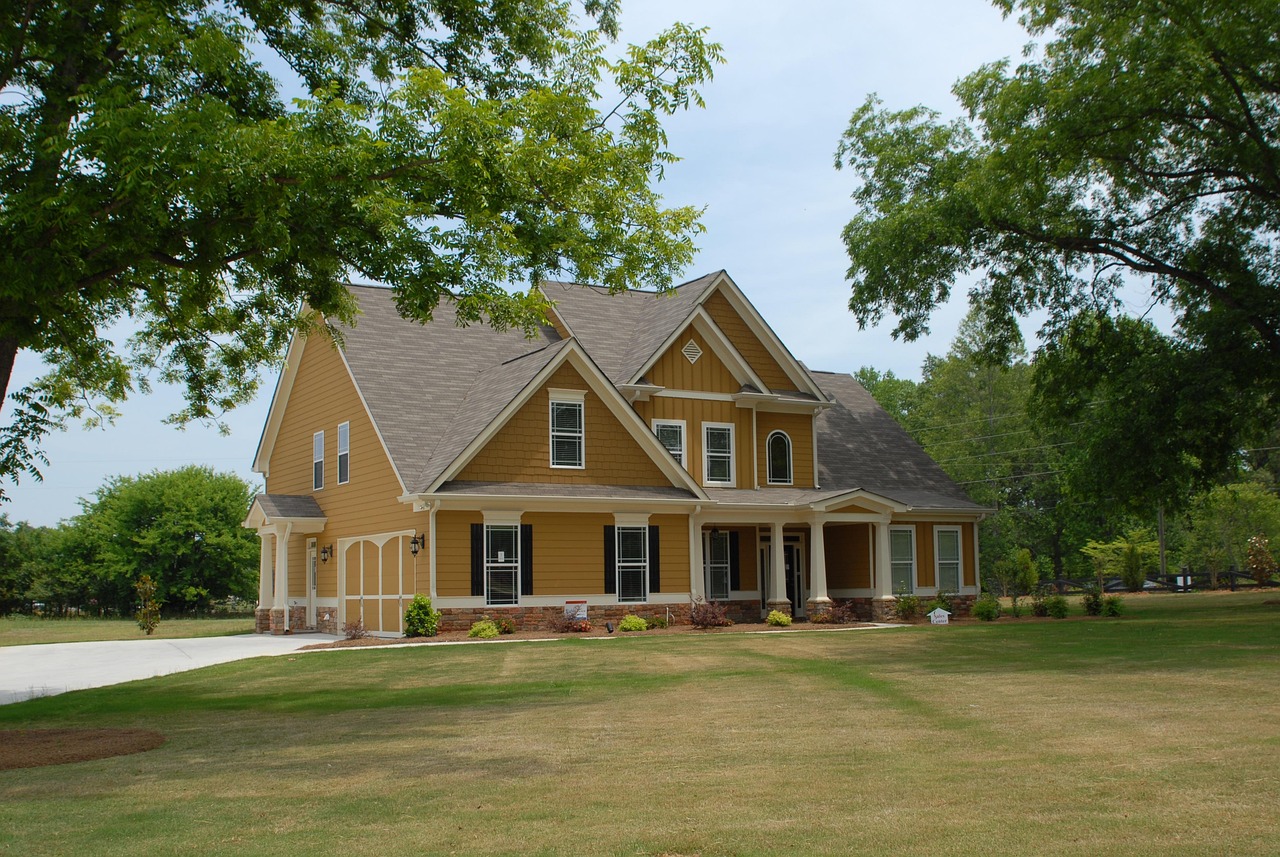
To sustainable living and multi-generational housing, the choice of materials in adu-for-multi-generational-living construction plays a pivotal role in minimizing environmental impact. Sustainable adu construction prioritizes eco-friendly materials, ensuring not only a healthier living environment but also contributing to the overall efficiency and longevity of the structure. When designing and constructing these accessory dwelling units, architects and builders can significantly reduce the carbon footprint by selecting materials that are locally sourced, recyclable, and have a lower environmental impact throughout their lifecycle.
Consider the use of mass-produced, pre-fabricated panels made from recycled steel or wood. These materials offer a quicker installation process, reducing construction waste and labor costs, and they can be easily transported, minimizing the carbon emissions associated with delivery. Locally sourced materials, such as reclaimed wood or recycled metal, reduce the energy required for transportation, aligning with the goal of adu safety and quality assurance. This approach not only cuts down on the carbon footprint but also supports local economies and suppliers.
Navigating building codes for adu projects is crucial when selecting sustainable materials. The US Department of Housing and Urban Development (HUD) and local building departments often have guidelines promoting eco-friendly practices. Adhering to these codes ensures that the adu not only meets the necessary safety standards but also aligns with the community's environmental goals. Incorporating materials like low-emitting paints, non-VOC (Volatile Organic Compound) adhesives, and natural insulation can further enhance the eco-friendliness of the structure. These choices not only contribute to better indoor air quality but also reduce the overall environmental impact, making the adu-for-multi-generational-living venture more sustainable and beneficial to the community.
Community Engagement: Building Sustainable Multi-Gen Neighborhoods
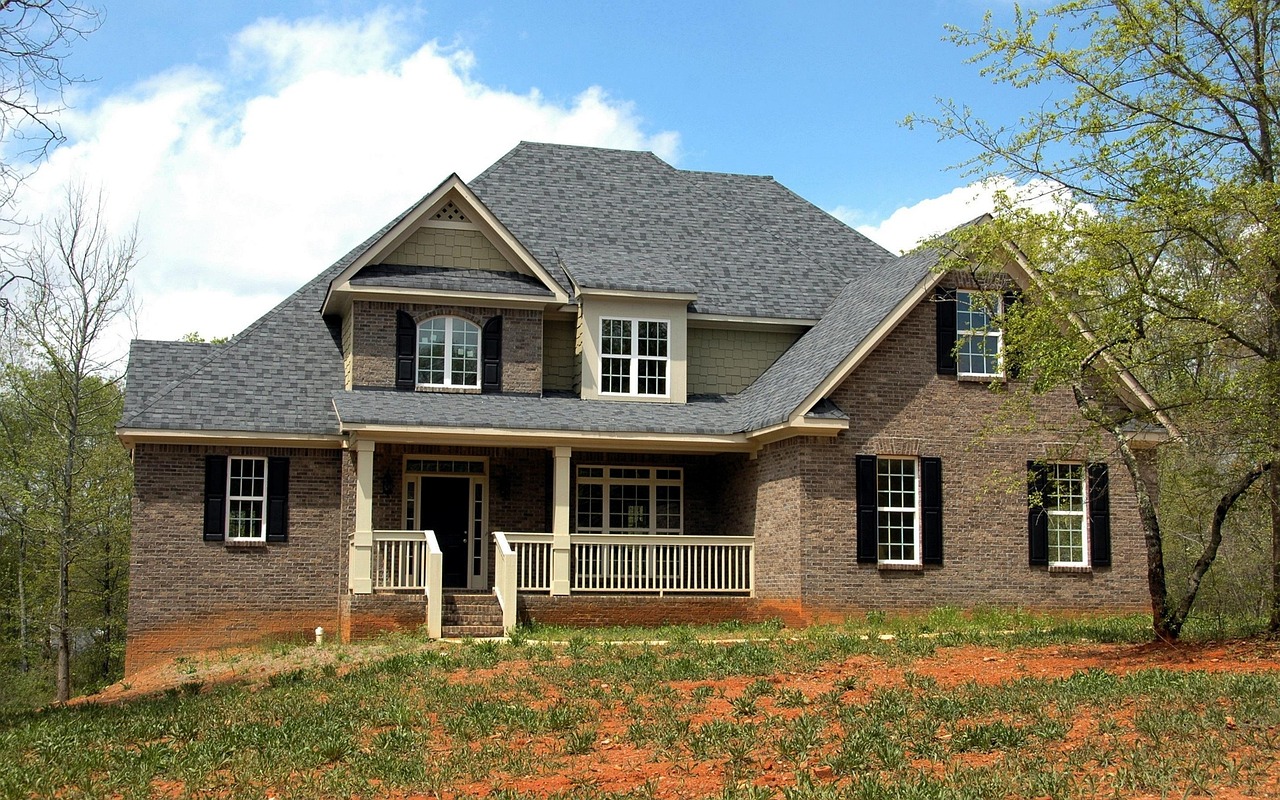
Community engagement is a cornerstone of sustainable multi-generational living, and adu-for-multi-generational-living projects can harness this dynamic to create thriving, eco-friendly neighborhoods. Engaging residents from the outset fosters a sense of ownership and ensures that the final design reflects the unique needs and aspirations of the community. Involving local churches, community centers, and neighborhood associations in the planning process can introduce valuable insights into intergenerational living solutions that may not be apparent to outsiders.
The affordable multi-generational adu concept gains even more significance when community members participate in the design and construction process. Their involvement can help optimize space allocation, incorporate shared common areas that promote social interaction, and integrate sustainable design elements tailored to the local climate and environment. This collaborative approach not only results in more livable spaces but also strengthens community bonds. Local building departments and state housing authorities can play a crucial role by providing resources and guidelines that support community engagement, ensuring that adu-for-multi-generational-living projects adhere to both legal requirements and community values.
Same-day adu estimates and transparent communication are essential for fostering trust and alignment. Community members who see their input valued and reflected in the final product are more likely to support and maintain the project. Property management companies and home stagers can facilitate this by hosting community meetings, providing regular updates, and offering same-day estimates for construction and design services. This level of engagement not only drives sustainable practices but also creates a model for future intergenerational living initiatives, inspiring other communities to embrace adu-for-multi-generational-living as a viable solution for their needs.
Aging caregivers, who often play a central role in intergenerational households, can benefit greatly from community engagement strategies. Local organizations, such as Legal Aid Societies, can offer guidance on financial and legal aspects, ensuring that the adu project is not only sustainable but also secure from a financial and legal perspective. By integrating these elements, adu-for-multi-generational-living can become a powerful force for building resilient, inclusive, and eco-friendly communities, enhancing the quality of life for all residents.
Frequently Asked Questions About Sustainable ADUs: Eco-Friendly Designs for Multi-Gen Homes
What are sustainable ADUs? Sustainable ADUs, or affordable multi-generational accessory dwellings, are compact, self-contained living spaces designed to be environmentally friendly and cost-effective. They can be added to existing homes or built as separate structures, offering flexible, multi-purpose living solutions for diverse households.
Why are sustainable ADUs becoming popular? The growing demand for sustainable living, coupled with the need for affordable housing, has led to a rise in ADU popularity. These structures offer a way to create additional living spaces while minimizing environmental impact, making them an attractive option for both homeowners and communities.
How do sustainable ADUs contribute to environmental sustainability? Sustainable ADUs utilize eco-friendly materials, energy-efficient systems, and water-saving technologies, reducing the carbon footprint of the overall home. Their compact design minimizes land use, and they can be designed to incorporate natural light and ventilation, further lowering energy consumption.
What are some common eco-friendly design features in sustainable ADUs? Common eco-friendly features include solar panels for electricity, rainwater harvesting systems for plumbing, and high-efficiency insulation. Natural materials like bamboo or recycled wood are often used for flooring, while smart home technology can automate lighting and temperature control, enhancing energy savings.
How long does it typically take to install a sustainable ADU? Most sustainable ADU installations can be completed within one to two days, depending on the size and complexity of the project. This swift construction time makes ADUs a feasible solution for those seeking quick, eco-conscious expansion of their living spaces.
Who can benefit from a sustainable ADU? Sustainable ADUs cater to various needs. Multi-generational families can use them for extended family members or as a private living space for aging relatives. They are also ideal for students, remote workers, or anyone seeking an affordable, sustainable living arrangement.
As we've explored the depths of sustainable ADUs for multi-generational living, several key insights emerge. These eco-friendly structures offer not only practical housing solutions but also opportunities to foster community, reduce environmental impact, and enhance the quality of life for diverse generations.
From selecting sites that maximize green spaces and energy efficiency to integrating renewable energy and implementing water conservation strategies, each step in the design and construction process presents a chance to make a meaningful difference. Choosing low-carbon materials not only reduces the carbon footprint of the ADU but also contributes to a healthier, more sustainable future.
Community engagement is crucial for building vibrant, resilient multi-generational neighborhoods. By involving residents in the planning and development process, we can create spaces that reflect the needs and values of the people who will live there.
Moving forward, the adoption of sustainable ADUs for multi-generational living holds immense potential. By following these eco-design principles and leveraging available resources, we can create affordable, inclusive, and environmentally responsible housing options that meet the needs of diverse families for years to come. The research from the ADU Research Institute, backed by the support of organizations like the National Association of Home Builders and the US Department of Housing and Urban Development, underscores the urgency and importance of these efforts.
Sustainable ADUs for Multi-Gen Living: These spaces bridge generations, offer flexibility, and promote independence while respecting personal space. Successful designs balance communication, incorporate eco-friendly choices, and consider diverse age needs. Community engagement, water conservation, and sustainable materials are key to creating thriving, affordable multi-gen ADUs that benefit both families and communities.